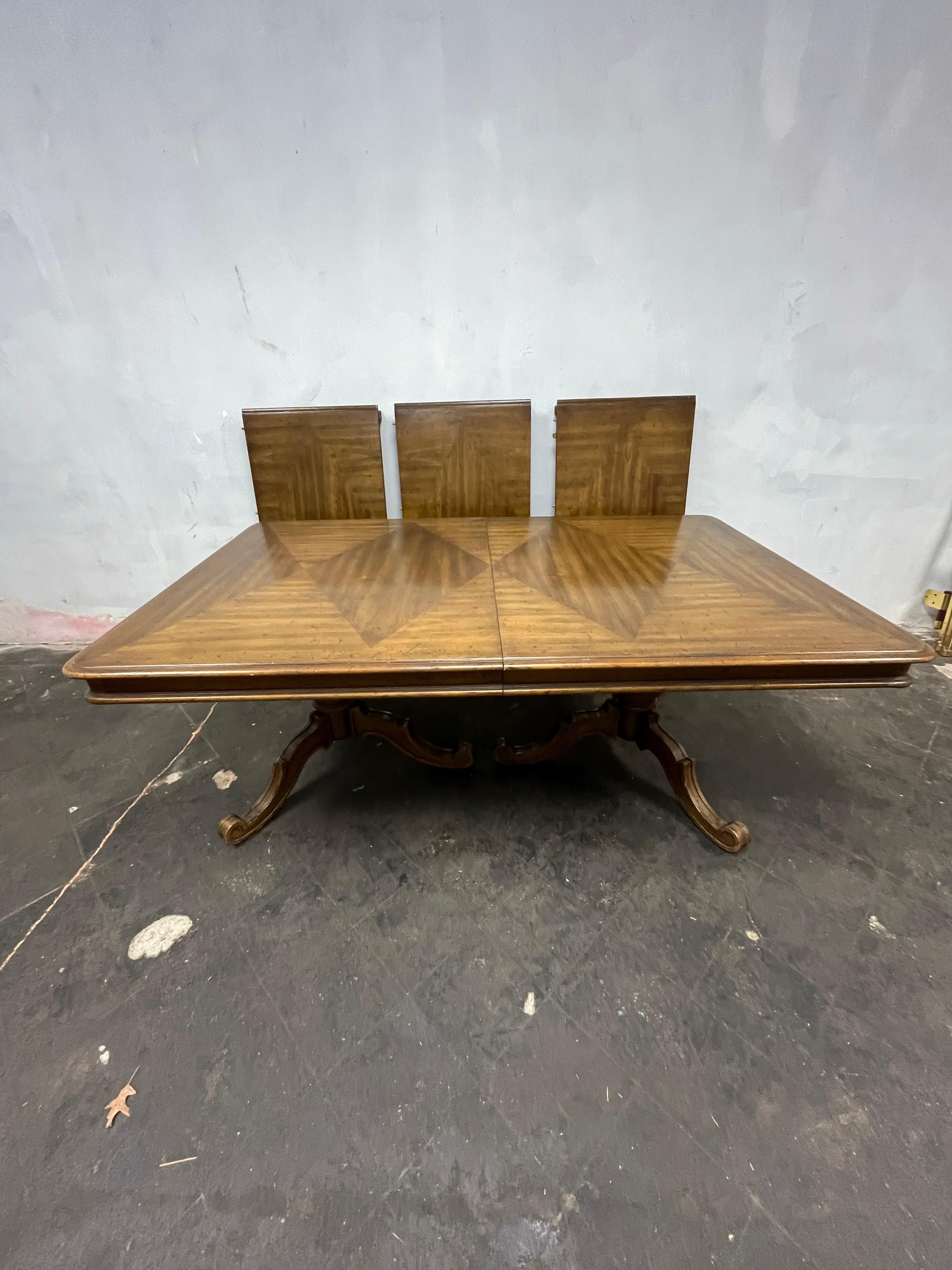
An antique bbq table represents the historical intersection of communal open-fire cooking and specialized outdoor furniture. While modern integrated units are recent, the heritage stems from 19th-century trestle tables and Victorian cast-iron garden pieces designed for alfresco dining. Today, these pieces are prized for their durability, craftsmanship, and aesthetic legacy.
The Evolution of the BBQ Table and Outdoor Dining
The concept of a dedicated "barbecue table" is a relatively modern term applied to a long lineage of outdoor dining surfaces. To understand the heritage of the antique bbq table, one must look back to the origins of communal outdoor eating. In the 18th and 19th centuries, outdoor cooking was less a leisure activity and more a necessity for large gatherings, political rallies, and harvests. The "tables" used were often rudimentary trestle structures—long wooden planks supported by portable bases—designed to be moved near the roasting pits.
As the Victorian era dawned, the philosophy of the garden shifted from a purely functional space to an "outdoor room." This transition birthed the specialized garden furniture we now classify as antique. Foundries in the United Kingdom and the United States began producing ornate cast-iron and wrought-iron tables that could withstand the elements while providing a stable surface for serving meats cooked over coal or wood. By the early 20th century, the "BBQ" started to transition from a massive pit-cooking event to a more intimate family gathering, leading to the development of smaller, more decorative tables that integrated functionality with the surrounding landscape.
In 2026, we see a resurgence in the appreciation for these authentic pieces. Collectors are no longer satisfied with mass-produced replicas; they seek the weight, the patina, and the structural integrity that only a century-old piece of furniture can provide.
Identifying Authentic Antique Outdoor Tables
Distinguishing a true antique bbq table from a vintage or reproduction piece requires a technical eye for materials and construction methods. For a piece to be legally considered an "antique" in most jurisdictions, it must be at least 100 years old. In the context of outdoor dining, this usually places the item in the late 19th or very early 20th century.
Material Analysis
The most common materials for high-quality antique outdoor tables include:
- Cast Iron: Popularized by foundries like Coalbrookdale in England, cast iron is heavy and brittle but incredibly durable against rot. Authentic antique cast iron often features intricate, sharp details that modern sand-casting sometimes loses. Look for "slag" or casting marks on the underside, which indicate older manufacturing processes.
- Wrought Iron: Unlike cast iron, wrought iron is hammered into shape. It is more fibrous and less prone to snapping. Antique wrought iron tables often show evidence of hand-forging, such as slight irregularities in the curves or visible hammer marks.
- Teak and Hardwoods: While wood is susceptible to the elements, high-quality teak tables from the early 1900s have survived due to their natural oils. Authentic antique wood tables often feature "mortise and tenon" joinery secured with wooden pegs rather than metal screws or modern adhesives.
- Stone and Zinc: Some of the most durable antique tables feature stone tops (often marble or granite) or zinc-clad surfaces. Zinc was a popular "butcher block" style surface for outdoor food preparation in the late 19th century due to its antimicrobial properties and resistance to rust.
Hallmarks and Foundry Marks
Many prestigious foundries stamped their work. Searching for a maker's mark is the most reliable way to verify heritage. These marks are often found on the underside of the table rim or near the base of the legs. Notable names to look for include Coalbrookdale, Kramer Bros, and J.W. Fiske & Co. The presence of a registered design number (often a diamond-shaped mark in British pieces) can pinpoint the exact year the design was patented.
Comparative Overview of Antique Outdoor Table Styles
The following table compares the primary styles of antique dining surfaces often repurposed for modern barbecue and outdoor kitchen environments.
| Style | Primary Era | Materials | Key Features | Modern Utility |
|---|---|---|---|---|
| Victorian Fern & Blackberry | 1850–1890 | Cast Iron | Ornate botanical motifs, white or dark green finish. | Excellent for side serving or prep near a grill. |
| French Campaign | 1870–1910 | Wrought Iron & Zinc | Folding legs, utilitarian, often with a mesh top. | Highly portable for seasonal BBQ setups. |
| English Trestle | 1880–1920 | Reclaimed Oak/Teak | Heavy plank tops, "X" or "H" frame bases. | Ideal as a central large-scale dining table. |
| Industrial Worktable | 1900–1930 | Steel & Maple | Thick tops, heavy casters, under-shelf storage. | Perfect as a heavy-duty BBQ prep station. |
| Regency Style | Early 19th C | Wrought Iron | Scrolled feet, wire-work tops, elegant curves. | Best for light dining or "apritif" tables. |
The Role of Patina and Preservation
One of the most significant values of an antique bbq table is its patina—the surface transformation that occurs over decades of exposure to oxidation and use. For metal tables, this might be a layered build-up of old paint or a stable layer of "tight" rust. For wood, it is the silver-grey weathering that signifies aged teak or oak.
Conservation vs. Restoration
In 2026, the trend in the antique market heavily favors conservation over total restoration. Conservation involves stabilizing the piece to prevent further decay without stripping away its history. For example, if a cast-iron table has minor surface rust, an expert will use a soft wire brush and a coat of high-quality wax or clear penetrol rather than sandblasting it to bare metal. Sandblasting can "pit" the surface and destroy the original foundry details.
For wooden tables used in a BBQ context, moisture management is critical. Since these tables are often placed near heat sources or exposed to food oils, they require a breathable sealant. Modern synthetic varnishes are generally avoided as they can trap moisture and cause the wood to rot from the inside out. Instead, traditional linseed or tung oil finishes are preferred to maintain the wood's ability to "breathe."
Technical Challenges in Using Antiques for Modern BBQ
Integrating a century-old table into a 2026 outdoor kitchen or barbecue area presents specific engineering challenges. It is essential to consider weight, heat sensitivity, and height.
Weight Distribution: Antique cast-iron tables can weigh several hundred pounds. When placing these on a modern deck or patio, you must verify the load-bearing capacity of the surface. On soft ground or lawns, the narrow feet of these tables will sink over time, potentially causing the frame to warp or crack. Using "shoes" or stone pavers under the legs is a standard requirement for long-term preservation.
Heat Sensitivity: While metal and stone are relatively heat-resistant, they are not impervious to thermal shock. Placing a hot charcoal chimney or a searing-hot cast-iron pan directly onto a Victorian marble-top table can cause the stone to crack. Similarly, the heat from a nearby grill can cause old lead-based paints on antique frames to off-gas or blister. It is recommended to maintain a minimum clearance of 24 inches between a high-heat grill and an antique table unless a thermal barrier is used.
Ergonomics and Height: Antique tables were often built for a different average human height than today’s standards. Many late 19th-century tables are slightly lower (around 28-29 inches) compared to modern dining standards (30-31 inches) or prep heights (36 inches). If using an antique table for food preparation, you may need to source custom-made leg extensions that match the original material to avoid back strain during long smoking sessions.
Sourcing and Valuation in 2026
The market for antique bbq tables is specialized. High-end auctions, such as those held by Sotheby’s or Christie’s garden departments, often feature the most prestigious ironwork. However, for more utilitarian BBQ-ready pieces, architectural salvage yards and specialized "garden antique" dealers are the primary sources.
Current 2026 valuations depend heavily on provenance and condition. A standard, unsigned Victorian cast-iron table might retail between $1,200 and $2,500. However, a signed Coalbrookdale piece in excellent condition can easily exceed $10,000. When purchasing, always request a "Condition Report" that details any previous repairs. Welds on cast iron are particularly important to inspect; if not done correctly with nickel rods or specialized heating techniques, the repair may fail under the stress of a heavy BBQ spread.
Frequently Asked Questions
Can I leave an antique bbq table outside year-round?
It depends on the material and your climate. Cast iron and high-quality teak are designed for outdoor use, but they are not indestructible. In regions with "freeze-thaw" cycles, water can get into small cracks in cast iron, freeze, and snap the metal. In such climates, it is advisable to cover the table with a breathable, waterproof cover or move it to a sheltered area during the winter months.
How do I remove grease stains from an antique wood table?
Barbecue often involves oils and fats that can penetrate deep into old wood. If a spill occurs, blot it immediately. For set-in stains, a paste of baking soda and water can sometimes draw the oil out. Avoid harsh chemical degreasers, as they can strip the natural patina and leave a "bleached" spot that is difficult to blend.
Is it safe to eat directly off an antique zinc table?
Zinc is generally safe, but you must ensure the table is true zinc and not lead-lined or coated with toxic old-world finishes. Antique "confiture" or butcher tables were designed for food contact. However, it is always best practice to use cutting boards or liners rather than preparing food directly on the antique surface to protect both the table and your health.
How can I tell if a table is a reproduction?
Check the joinery and the weight. Reproductions often use lightweight alloys or aluminum painted to look like iron. Use a magnet; it will stick to iron but not to aluminum. Also, look for "parting lines" from the casting process. On modern reproductions, these lines are often prominent and unfiled, whereas high-quality antiques have these lines carefully smoothed by hand.
Should I repaint a rusted antique iron table?
Unless the rust is structural (flaking off in large chunks), it is often better to stabilize it rather than repaint it. If you must paint, use a high-quality metal primer and a paint designed for outdoor furniture. Avoid "hammered" finish spray paints, which can look cheap and obscure the fine details of the antique casting.
Practical Recommendations for Collectors
For those looking to integrate an antique bbq table into their heritage outdoor dining experience, the first step is to define the primary use. If the table is for heavy food preparation, look for a late 19th-century industrial worktable with a thick hardwood or zinc top. If the goal is elegant dining, a Victorian cast-iron piece with a replaced stone top offers the best blend of beauty and utility.
Before purchasing, always measure your space and check the ground stability. Once acquired, treat the piece as a living history. Regular maintenance—such as an annual waxing for metal or an oiling for wood—will ensure that the table continues to serve as a centerpiece for outdoor gatherings for another century. By choosing an antique over a modern alternative, you are not just buying furniture; you are preserving a piece of the long, flavorful heritage of outdoor dining.