Antibiotics are used in food-producing animals to treat clinical disease, prevent the spread of illness, and, in some regions, promote faster growth. While strict regulatory withdrawal periods are designed to ensure that no harmful drug residues remain in meat, milk, or eggs by the time they reach consumers, the primary concern remains the development of antibiotic-resistant bacteria. These "superbugs" can transfer from farms to humans, complicating the treatment of common infections and posing a significant challenge to global public health.
The Role of Antibiotics in Modern Agriculture
To understand why antibiotics are present in the food system, one must first distinguish between the various ways these drugs are administered to livestock, poultry, and aquaculture. In 2026, the global agricultural landscape continues to balance the necessity of animal welfare with the rising demand for protein.
Therapeutic Use
This is the most direct application of antibiotics. When an animal is diagnosed with a bacterial infection—such as bovine respiratory disease in cattle or necrotic enteritis in poultry—veterinarians prescribe antibiotics to treat the specific illness. This is widely considered a necessary component of ethical animal husbandry, as it prevents suffering and mortality within the herd.
Metaphylaxis and Prophylaxis
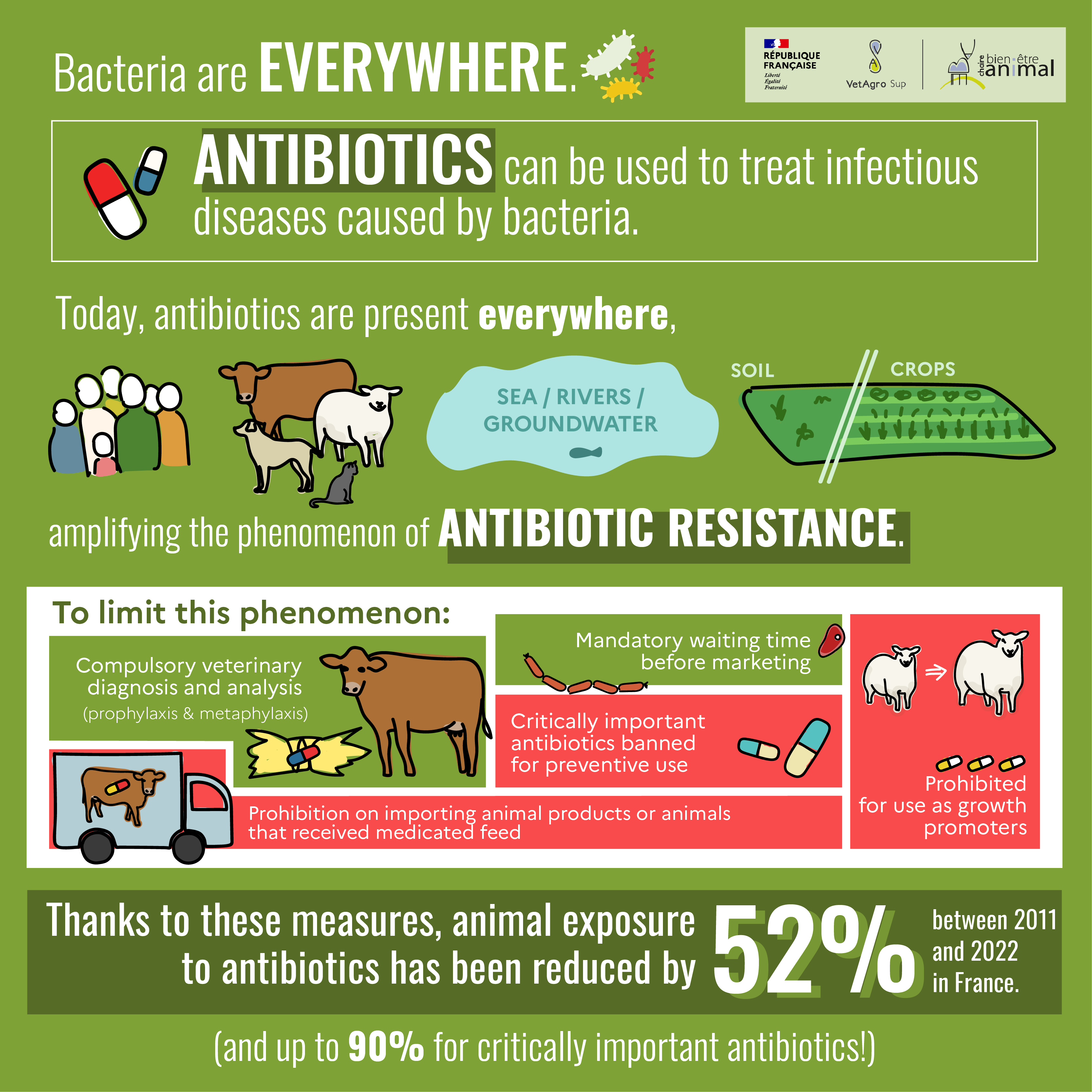
Metaphylaxis involves treating a whole group of animals when only a few have shown symptoms of disease. This is common in high-density environments where the risk of rapid contagion is high. Prophylaxis, or preventative use, involves administering antibiotics to healthy animals during periods of high stress or vulnerability, such as during weaning or transportation, to prevent infections from taking hold.
Growth Promotion: A Declining Practice
Historically, sub-therapeutic doses of antibiotics were added to animal feed to help livestock gain weight more efficiently. However, by 2026, many major economies, including the United States, the European Union, and several nations in South America and Asia, have banned or strictly limited the use of medically important antibiotics for growth promotion. In the U.S., the FDA’s Guidance for Industry (GFI) #263, which reached full implementation several years ago, ensures that all medically important antimicrobials require veterinary oversight, effectively ending over-the-counter sales for growth purposes.
The Distinction Between Residues and Resistance
A common misconception among consumers is that eating a piece of meat means consuming the actual antibiotic drugs. It is essential to distinguish between antibiotic residues and antibiotic resistance.
Understanding Antibiotic Residues
Residues are the actual traces of the drug that might remain in the animal's tissues at the time of slaughter. To prevent this, regulatory bodies like the USDA’s Food Safety and Inspection Service (FSIS) enforce strict withdrawal periods. A withdrawal period is the specific amount of time required for the animal’s biological systems to metabolize and clear the drug before it can be legally slaughtered for food.
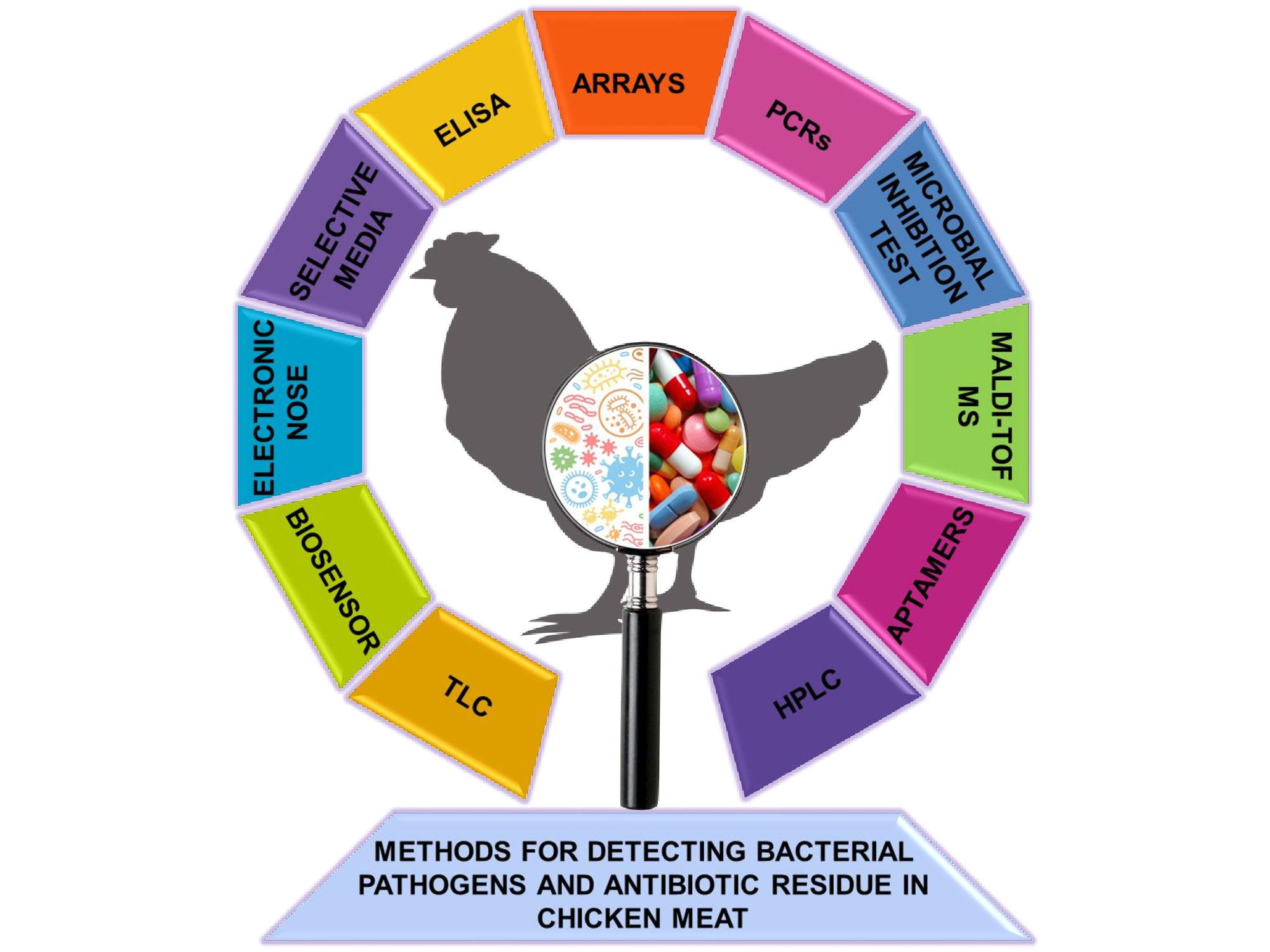
In 2026, the FSIS continues to conduct the National Residue Program, which involves sampling meat, poultry, and egg products to test for hundreds of different chemicals, including antibiotics. If a carcass tests positive for residues above the Maximum Residue Limit (MRL), it is condemned and removed from the food supply. Because of these protocols, the risk of consuming significant amounts of antibiotic drugs through food is statistically very low in countries with robust oversight.
The Threat of Antibiotic Resistance (AMR)
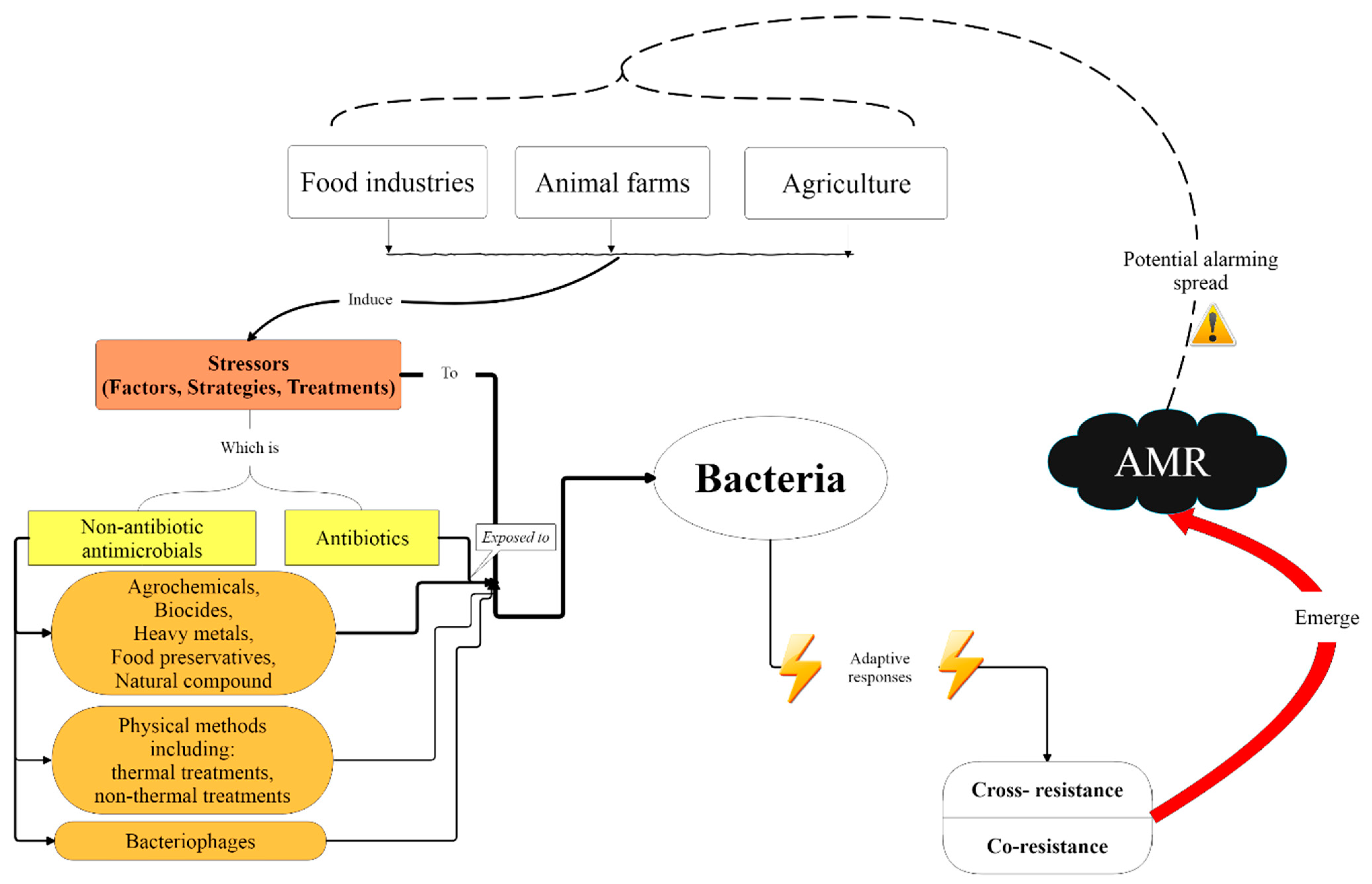
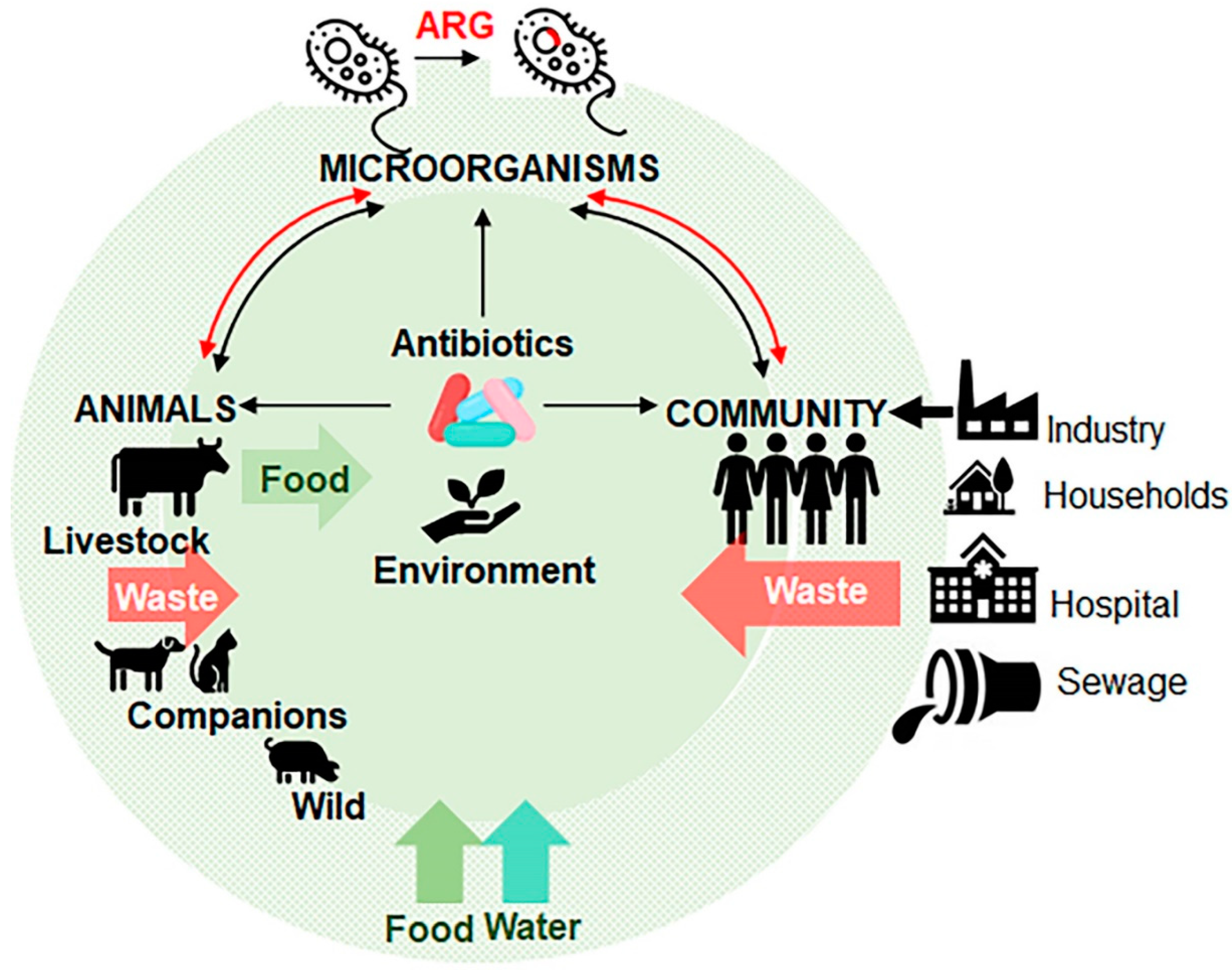
The more critical issue is Antimicrobial Resistance (AMR). When bacteria are consistently exposed to low doses of antibiotics (as often happens in agricultural settings), the weaker bacteria die off, but the stronger, mutated ones survive and multiply. These resistant bacteria can then leave the farm through:
- Direct Contact: Farmworkers or processors handling animals.
- Environment: Runoff from farms contaminating water sources or soil used for produce.
- Food Consumption: Contaminated meat that is not handled or cooked properly.
According to the World Health Organization (WHO), AMR is one of the top global public health threats. By 2026, "superbugs" like Methicillin-resistant Staphylococcus aureus (MRSA) and resistant strains of Salmonella and Campylobacter have become increasingly difficult to treat with conventional medicine, leading to longer hospital stays and higher mortality rates.
Regulatory Frameworks and Surveillance
The safety of the food supply relies on a multi-tiered system of surveillance and enforcement. In the United States, this involves a partnership between the FDA, the USDA, and the CDC, often referred to as the "One Health" approach.
- FDA Center for Veterinary Medicine (CVM): Regulates the approval and labeling of animal drugs, ensuring they are safe for the animal and that the food derived from them is safe for humans.
- USDA FSIS: Conducts inspections and residue testing at slaughter facilities.
- CDC NARMS: The National Antimicrobial Resistance Monitoring System (NARMS) tracks changes in the antimicrobial susceptibility of enteric bacteria found in ill people, retail meats, and food animals.
Comparing Global Standards
The European Union has historically maintained some of the strictest regulations, having banned antibiotic growth promoters as early as 2006 and further restricting preventative group treatments in 2022. By 2026, these standards have influenced global trade, as exporters must often meet the standards of the importing nation.
| Certification/Label | Antibiotic Policy | Verification Method |
|---|---|---|
| USDA Organic | Prohibits the use of all antibiotics. If an animal is treated, it loses its organic status. | Mandatory annual third-party audits. |
| Raised Without Antibiotics | No antibiotics used from birth to slaughter (or "hatch to harvest"). | USDA FSIS label approval; often verified by the producer. |
| Certified Responsible Antibiotic Use (CRAU) | Allows for treatment of sick animals but prohibits growth promotion and preventative use. | Third-party audits against specific technical standards. |
| Conventional | Allows antibiotics for treatment and prevention; residues must be below MRLs. | Government residue testing programs (e.g., FSIS). |
How Resistant Bacteria Reach Consumers
While residue testing handles the chemical side of safety, the biological side—bacteria—is managed through food safety practices. If a slaughterhouse processes an animal carrying resistant Salmonella, that bacteria can contaminate the meat. If that meat is then sold in a grocery store, the consumer faces a risk.
The pathway from farm to fork typically follows these stages:
- Selection Pressure: Antibiotics used on the farm select for resistant bacteria in the animal’s gut.
- Shedding: Bacteria are shed in manure or skin.
- Cross-Contamination: During slaughter, intestinal contents may contact the meat.
- Distribution: Contaminated products are shipped to retailers.
- Human Infection: Consumers ingest the bacteria via undercooked meat or cross-contaminated kitchen surfaces.
By 2026, the industry has increased its focus on pre-harvest interventions, such as using vaccines and probiotics to reduce the overall bacterial load in animals before they reach the processing plant, thereby reducing the reliance on antibiotics.
Navigating Food Labels: A Guide for Consumers
The sheer variety of marketing claims on food packaging can be overwhelming. To make informed choices in 2026, consumers must look for specific terminology and seals.
"No Antibiotics Ever" (NAE)
This label is common in the poultry industry. It means the birds were never administered antibiotics in their feed, water, or by injection. This is a higher standard than simply "no medically important antibiotics."
"Raised Without Antibiotics"
Similar to NAE, this implies that no antibiotics were used during the lifespan of the animal. If a producer uses this label, they must provide documentation to the USDA to support the claim.
"Antibiotic-Free"
The USDA does not officially recognize this term because it is misleading. Technically, all meat sold in the U.S. is "antibiotic-free" in the sense that it must not contain residues above the legal limit. However, the term does not tell you if the animal was treated with antibiotics during its life.
"Organic" (USDA Seal)
The USDA Organic seal remains the most rigorously regulated "no-antibiotic" label. Not only are antibiotics prohibited, but the animals must also be fed organic, non-GMO feed and have access to the outdoors.
Practical Steps to Minimize Risk
While the regulatory system does the heavy lifting, consumers can take individual actions to protect themselves from antibiotic-resistant bacteria found in food.
1. Temperature Control
Bacteria, whether resistant or not, are generally killed by heat. Using a meat thermometer is the only way to ensure safety.
- Poultry: 165°F (74°C)
- Ground Meats: 160°F (71°C)
- Steaks/Roasts: 145°F (63°C) with a three-minute rest period.
2. Avoid Cross-Contamination
Use separate cutting boards for raw meat and produce. Resistant bacteria on a piece of raw chicken can easily migrate to a salad if the same board or knife is used without thorough washing with hot, soapy water.
3. Choose Certified Products
If your primary concern is the environmental impact and the rise of AMR, purchasing products with the USDA Organic or Global Animal Partnership (GAP) Step 2 or higher labels supports farming systems that prioritize reduced antibiotic reliance.
4. Support "One Health" Initiatives
Consumers can advocate for policies that fund research into antibiotic alternatives, such as bacteriophages (viruses that kill specific bacteria) and improved livestock vaccines, which are becoming more prevalent in 2026.
Frequently Asked Questions
Can I wash antibiotics off my meat?
No. Antibiotics are systemic, meaning they would be within the tissues of the animal, not on the surface. However, the regulatory system ensures that if antibiotics were used, they have been metabolized out of the tissue before slaughter. Washing meat is actually discouraged by the CDC because it can splash bacteria—including resistant strains—around your sink and kitchen.
Does "grass-fed" mean no antibiotics were used?
Not necessarily. "Grass-fed" refers only to the animal's diet. While many grass-fed producers also avoid antibiotics, it is not a requirement of the "grass-fed" label. You should look for "Grass-fed AND Organic" or "Grass-fed AND Raised Without Antibiotics" to be certain.
Is the milk I buy full of antibiotics?
No. Milk is one of the most strictly tested food products. Every tanker of milk is tested for several common antibiotic residues before it is even unloaded at the processing plant. If a tanker tests positive, the entire batch is discarded, and the farmer is usually fined and penalized.
Are antibiotics used in plant-based foods?
In some cases, yes. Certain antibiotics (like streptomycin and oxytetracycline) are used as pesticides to control bacterial diseases in fruit orchards, such as citrus greening or fire blight in apples and pears. However, the volumes are much lower than in livestock, and residues are also monitored by the EPA.
Why don't we just ban all antibiotics in farming?
A total ban would lead to significant animal welfare issues. When an animal is suffering from a bacterial infection, withholding treatment would be inhumane. Additionally, without the ability to treat disease, food prices would likely rise significantly due to higher animal mortality and slower production times. The goal in 2026 is "judicious use"—using as little as possible, as much as necessary.
Recommendation for Consumers
To best navigate the complexities of antibiotics in the food supply, prioritize USDA Organic or Third-Party Verified labels if you wish to support a system that minimizes antibiotic use. Regardless of the labels you choose, the most effective way to protect your personal health from antibiotic-resistant bacteria is to practice strict food safety: Clean, Separate, Cook, and Chill. Stay informed about local food safety recalls and support agricultural practices that utilize vaccines and improved hygiene as the first line of defense against animal disease.