To qualify for antique auto insurance in 2026, a vehicle must generally be at least 25 years old, maintained in good or restored condition, and stored in a fully enclosed, locked garage. Owners must typically maintain a separate daily-use vehicle, possess a clean driving record, and adhere to annual mileage limits, usually ranging from 2,500 to 5,000 miles.
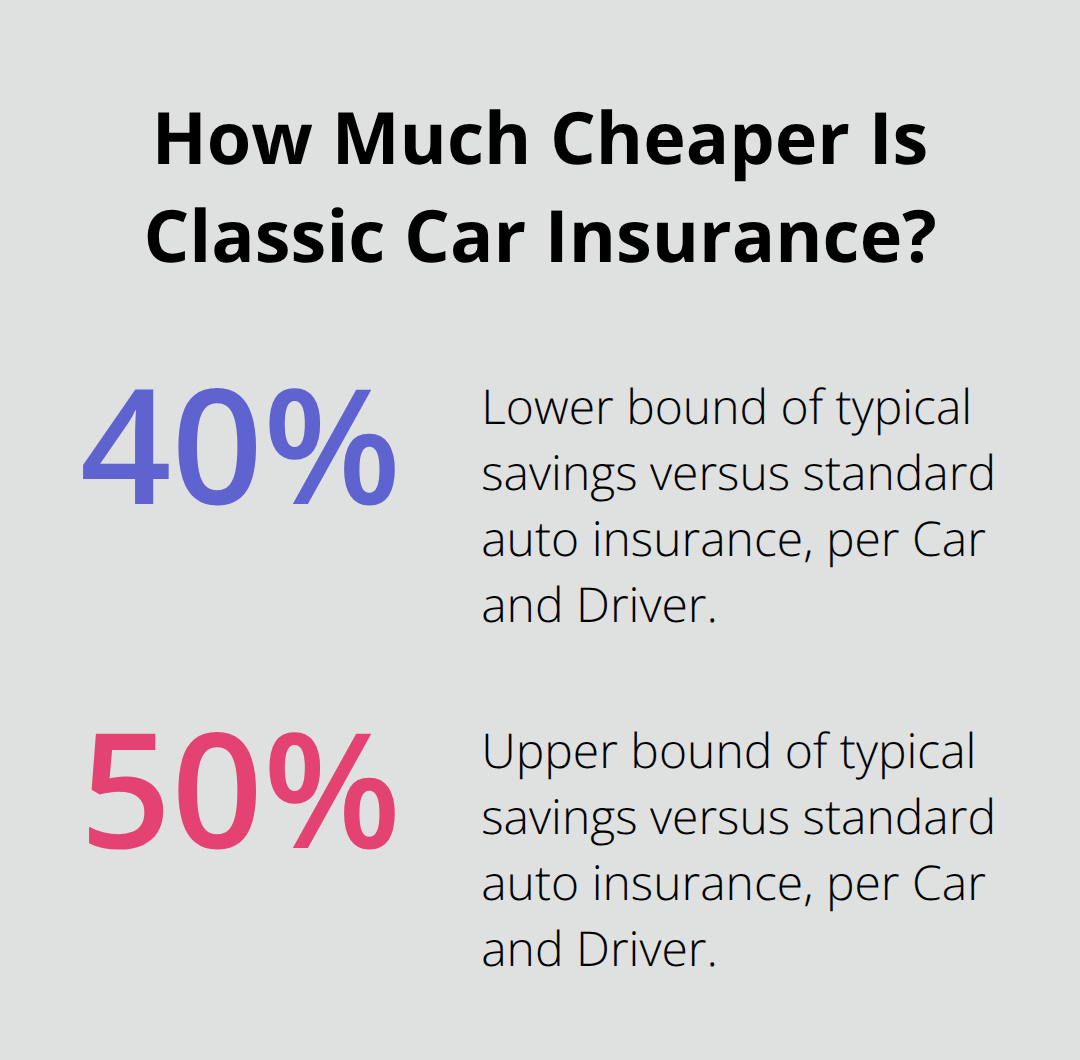
Securing insurance for a vintage vehicle is fundamentally different from insuring a modern daily driver. Standard insurance policies operate on an "Actual Cash Value" (ACV) basis, which accounts for depreciation. In contrast, antique auto insurance utilizes "Agreed Value" coverage, ensuring that if a total loss occurs, the owner receives the full amount established when the policy was written. However, because these premiums are significantly lower than standard rates—often by 40% to 70%—insurance carriers enforce strict eligibility requirements to minimize risk.
Understanding these requirements is essential for collectors of 20th-century icons and the growing market of "Youngtimer" classics from the early 2000s. As we move through 2026, the criteria for what constitutes an antique have shifted, and the documentation needed to prove value has become more sophisticated.
Vehicle Age and Classification Standards
The most immediate hurdle in antique auto insurance is the age of the vehicle. While the terms "classic," "antique," and "vintage" are often used interchangeably in casual conversation, insurers have specific chronological definitions.
The 25-Year Rule
Most major specialty insurers, such as Hagerty, Grundy, and American Collectors Insurance, require a vehicle to be at least 25 years old to be considered a true "antique." In 2026, this means vehicles manufactured in 2001 or earlier are now entering the core antique eligibility window. This includes early 21st-century models that may not traditionally look like "antiques" but meet the age threshold for specialty underwriting.
Limited Use and Special Interest Vehicles
Some carriers offer "Classic" or "Exotic" designations for newer vehicles (usually 10 to 24 years old) if they are of limited production or high historical interest. However, the requirements for these "modern classics" are often stricter than those for a 1965 Mustang. For a newer vehicle to qualify for antique-style Agreed Value coverage, it must typically be a model that is appreciating in value rather than depreciating.
Condition and Restoration Status
An antique vehicle must be in "good" to "excellent" condition. Insurers are generally looking for vehicles that are:
- Mechanically Sound: The car must be drivable, unless it is specifically covered under a "Restoration in Progress" policy.
- Cosmetically Maintained: Significant rust, primer-only paint jobs, or shredded interiors are usually grounds for denial.
- Originality: While period-correct modifications are often accepted, "street rods" or highly customized vehicles may require specialized "Modified Car" policies rather than standard antique coverage.
Driver Eligibility and Experience Requirements
Because antique insurance premiums are lower due to reduced road exposure, the profile of the driver is just as important as the age of the car. Insurers view these policies as a "reward" for responsible hobbyists, not as a cheap alternative for high-risk drivers.
The Primary Vehicle Requirement
Perhaps the most strictly enforced rule is that every licensed driver in the household must have their own dedicated "daily driver" vehicle for regular commuting and errands. You cannot use an antique car as your only source of transportation. Insurers will often ask for proof of a modern insurance policy on your daily vehicle before they will issue a specialty policy.
Age and Driving History
Most specialty carriers require the policyholder to be at least 25 years old. Drivers with fewer than five to ten years of driving experience are often excluded from antique policies, even if they are listed as secondary drivers.
Furthermore, your Motor Vehicle Record (MVR) must be relatively clean. In 2026, standard requirements usually include:
- No more than one moving violation within the last three years.
- No "Major" infractions (DUI, reckless driving, or excessive speeding) within the last five to ten years.
- No history of frequent small claims, which may indicate a lack of care or poor driving habits.
Storage and Protective Measures
Insurance companies offering antique coverage assume the vehicle will spend 99% of its life protected from the elements and theft. This leads to some of the most rigid physical requirements in the industry.
The "Enclosed Structure" Mandate
To qualify for antique insurance, the vehicle must be stored in a fully enclosed, permanent structure. Acceptable storage includes:
- A residential garage (attached or detached).
- A professional storage facility.
- A locked barn or warehouse with a concrete floor.
Unacceptable storage options typically include carports, driveways, street parking, or "portable" fabric car tents. In many cases, insurers will require a photograph of the garage where the car is kept as part of the underwriting process. If you live in an urban area or an apartment complex, you may need to provide a lease agreement for a dedicated, walled-off storage unit to satisfy this requirement.
Security and Climate Considerations
While not always a hard requirement, some high-value policies (for vehicles worth over $100,000) may mandate a central-station fire and burglar alarm system. In 2026, with the increased availability of smart home technology, some insurers may offer discounts for GPS tracking devices or garage climate monitoring sensors that prevent humidity-related damage.
Usage Restrictions and Mileage Caps
The fundamental trade-off for low-cost antique insurance is that you cannot use the vehicle like a normal car. The usage is restricted to "pleasure use," which insurers define quite specifically.
Commuting Prohibitions
You are generally prohibited from driving an antique vehicle to work, to school, or for commercial purposes (such as Uber/Lyft or delivery services). Some policies allow for an occasional "Drive Your Classic to Work Day," but this is an exception rather than the rule.
Annual Mileage Limits
Most antique policies come with a tiered mileage limit. Common tiers in 2026 include:
- 1,000 Miles: For "Trailer Queens" or strictly show cars.
- 2,500 Miles: The standard limit for most hobbyists.
- 5,000 Miles: A "high mileage" antique policy, often requiring a slightly higher premium.
Some insurers now offer "inflation-adjusted" mileage or "rollover miles," but the core principle remains: the car should only be used for club events, exhibitions, parades, and occasional pleasure drives.
Establishing and Verifying "Agreed Value"
Unlike standard insurance, where the company tells you what your car is worth at the time of a crash, antique insurance involves you and the company agreeing on the value before the policy is issued.
The Appraisal Process
For vehicles valued under a certain threshold (often $50,000 in 2026), an insurer might accept the owner’s stated value supported by high-resolution photographs. However, for rarer or more expensive models, a professional appraisal is required. This appraisal must be conducted by a certified specialist who evaluates the car's condition, historical significance, and current market trends.
Documentation Requirements
To verify the value and condition of the vehicle, you will typically need to provide:
- Photographs: Front, back, side, interior, engine bay, and VIN plate.
- Maintenance Records: Evidence that the car is being preserved.
- Sales Records: Bill of sale or recent auction results if the car was recently acquired.
- Odometer Statement: A verified reading of the current mileage.
| Requirement Category | Standard Antique Insurance | "Youngtimer" / Exotic Insurance |
|---|---|---|
| Minimum Vehicle Age | 25 Years (Pre-2001) | 10-24 Years |
| Storage Type | Fully Enclosed Garage | Fully Enclosed Garage |
| Daily Driver | Required for all household drivers | Required for all household drivers |
| Valuation Method | Agreed Value | Agreed Value |
| Mileage Limit | Typically 2,500 - 5,000 | Often more restrictive (1,000 - 2,500) |
| Usage | Pleasure/Exhibition only | Pleasure/Exhibition only |
| Driver Age | Usually 25+ | Often 30+ for high-performance models |
Common Pitfalls and Denial Factors
Even if a vehicle is old enough, several factors can lead to an insurance company denying coverage or canceling a policy during a mid-term audit.
- Commercial Use: Using an antique truck for a local business or as a "stationary billboard" usually violates the terms of the policy.
- Incomplete Restoration: If a car is "in pieces," it cannot be covered under a standard antique policy. It requires a specific "Builder's Risk" or "Restoration" policy that excludes liability (since the car isn't on the road).
- Racing or Track Use: Any evidence that the vehicle is used for timed racing, autocross, or track days will typically disqualify it from standard antique coverage.
- Unlicensed Drivers in Household: If there is a teenager in the house with a learner's permit or a driver with a suspended license, some insurers may refuse to issue a policy unless those individuals are specifically excluded by name.
FAQ: Antique Auto Insurance Requirements
Can I get antique insurance if I don't have a garage?
In almost all cases, no. Most specialty insurers consider a locked, enclosed garage a non-negotiable requirement. If you park your car in a driveway under a cover, you will likely need to stick with a standard insurance policy, which may not offer Agreed Value coverage and will be significantly more expensive.
Is an "Antique Plate" from the DMV required for insurance?
No. While many people choose to get "Antique" or "Historical" license plates from their state's Department of Motor Vehicles (DMV), insurance companies have their own internal criteria. You can have a standard license plate and still qualify for antique insurance, provided the vehicle meets the age and usage requirements. Note that DMV "Antique" plates often have their own legal driving restrictions that are separate from your insurance policy.
What happens if I go over my annual mileage limit?
If you exceed your mileage limit, you should notify your insurer immediately. In some cases, they can "endorse" the policy to add more miles for an additional fee. If you have an accident and your odometer shows you have significantly exceeded your limit without notification, the insurer may have grounds to deny the claim or cancel your policy for misrepresentation.
Does antique insurance cover the car while it's being transported?
Yes, most reputable Agreed Value policies cover the vehicle during transit, whether it is being driven to a show or transported in a trailer. However, you should verify if your policy includes "Full Comprehensive" coverage during long-distance shipping, especially if the vehicle is being moved by a third-party carrier.
Can I use my antique car for a wedding or prom?
Occasional use for special events is usually covered, provided you are not being paid for the service. If you are charging a fee to chauffeur a wedding party, this is considered "commercial use" and is strictly prohibited under a personal antique auto policy. You would need a commercial livery policy for such activities.
Final Recommendations for 2026 Collectors
Navigating antique auto insurance requirements requires a proactive approach to documentation. For those looking to insure a vehicle in 2026, the first step should be a thorough "pre-qualification" check of your storage and driving record.
If you are purchasing a vehicle from the late 1990s or early 2000s, ensure you have gathered evidence of its "collectible" status—such as production numbers or enthusiast club recognition—as these "Youngtimers" are often scrutinized more closely than traditional 1960s muscle cars. Finally, always opt for Agreed Value over Stated Amount or Actual Cash Value to ensure your investment is fully protected against the rising costs of vintage parts and specialized labor.