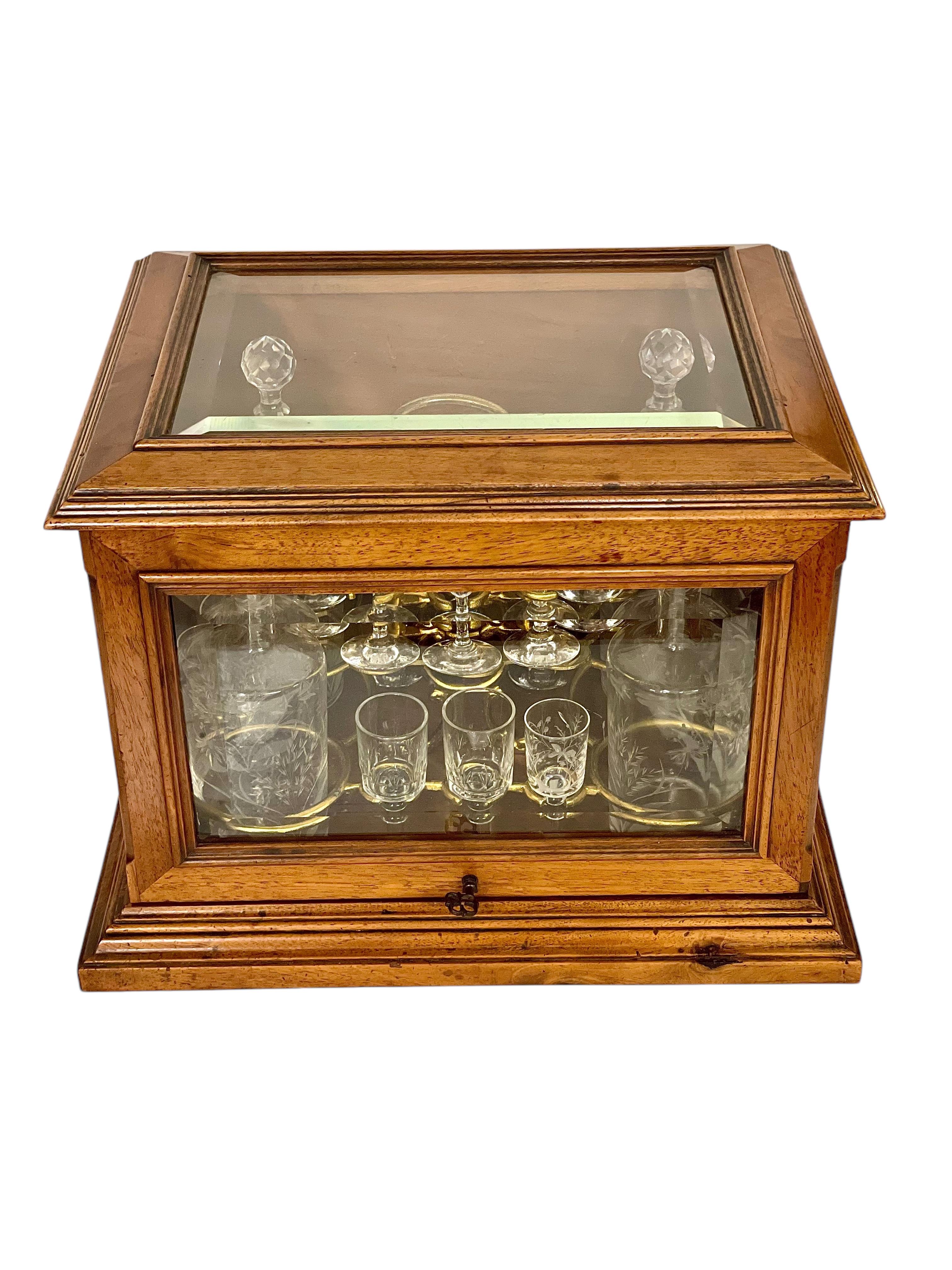
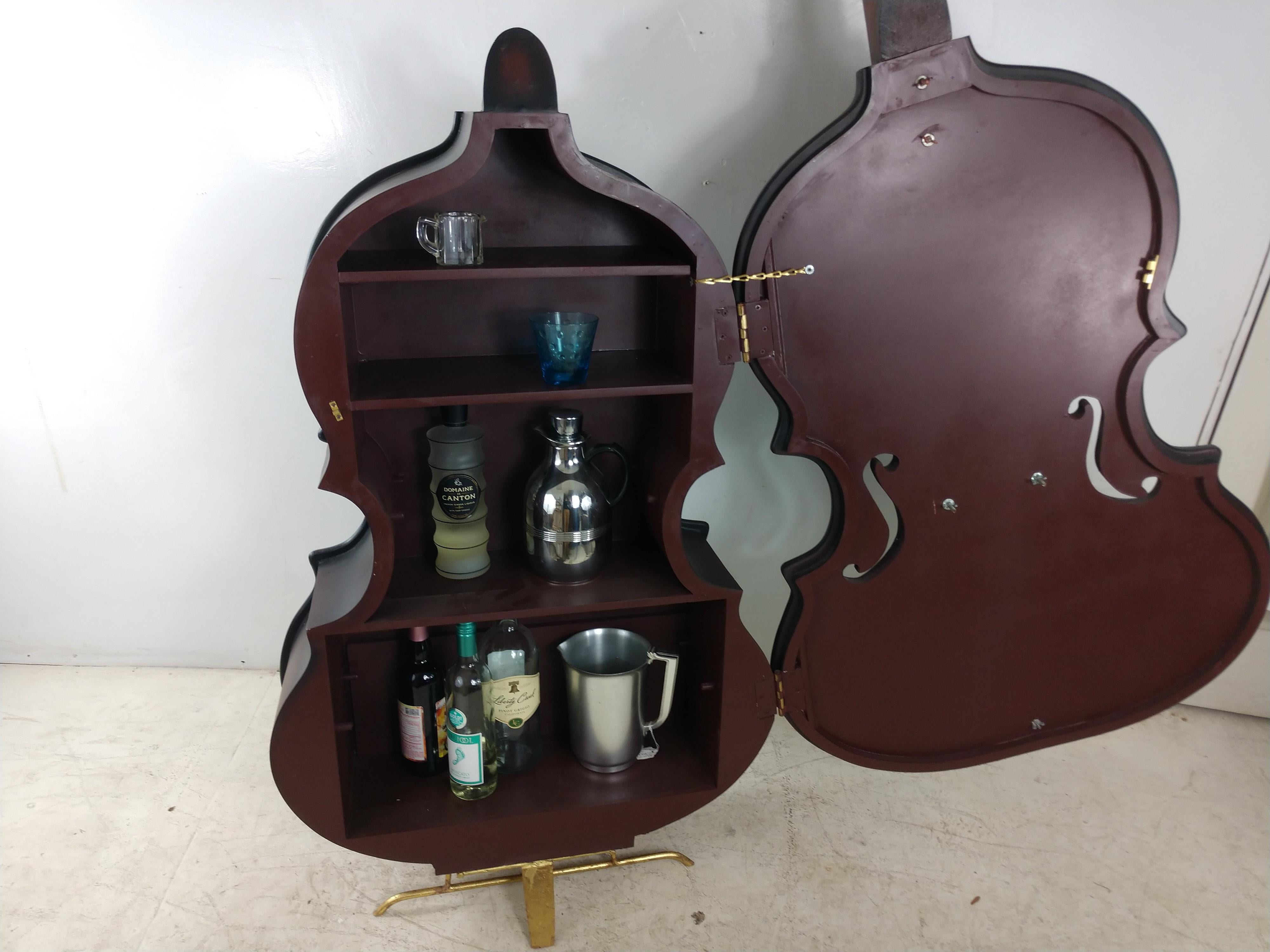
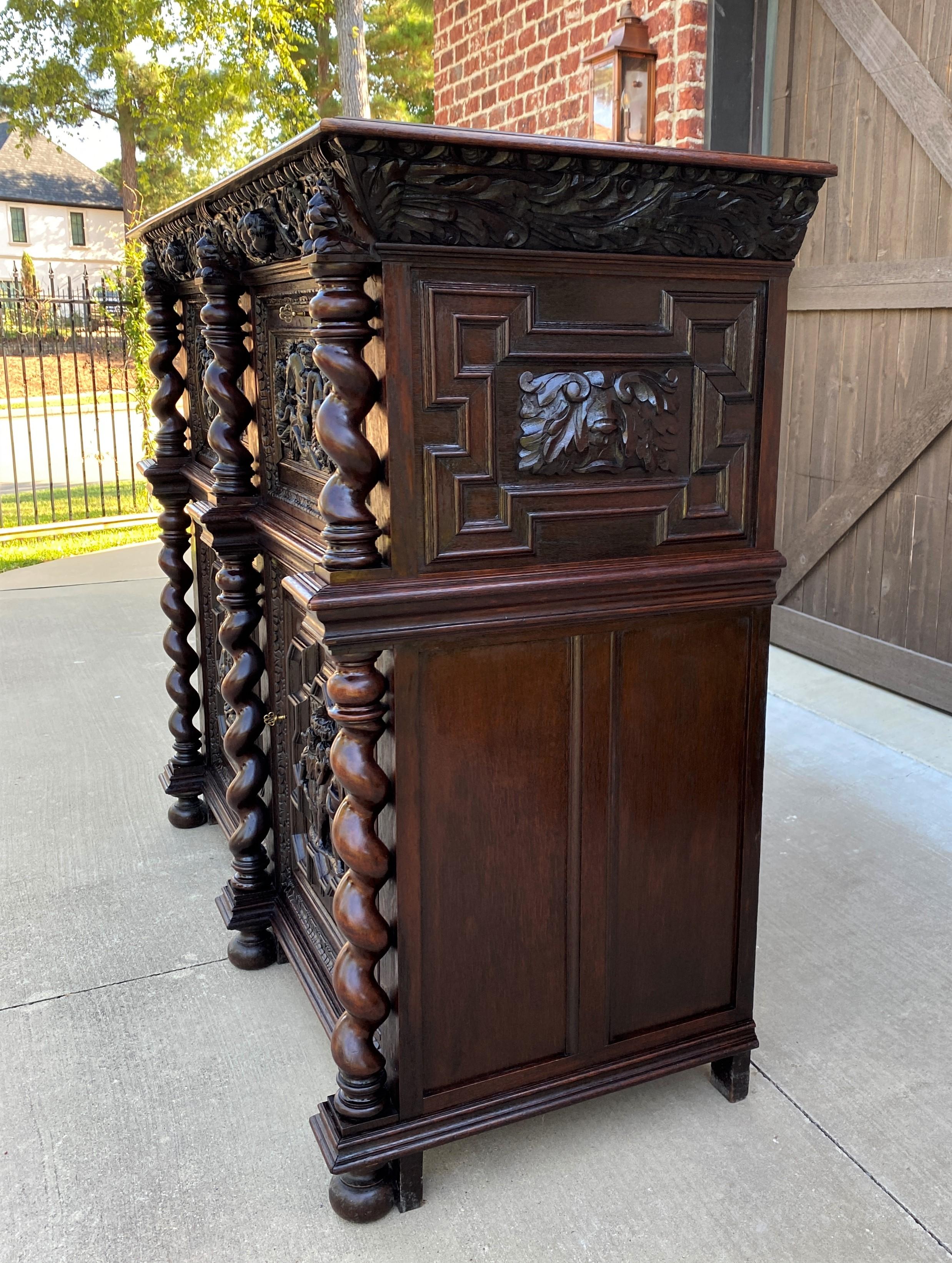
An antique wooden liquor cabinet is a specialized furniture piece, typically over 100 years old, designed for the secure storage and sophisticated service of spirits and glassware. These cabinets range from portable 18th-century cellarettes to grand, ornate Victorian sideboards and streamlined Art Deco bars, reflecting the craftsmanship and social customs of their respective eras.
The Evolution of Spirits Storage: From Utility to Luxury
The history of the antique wooden liquor cabinet is intrinsically tied to the history of distillation and social entertaining. Before the 18th century, wine and spirits were often kept in generic cupboards or cellar rooms. As spirits became more expensive and socializing moved into the parlor, the need for dedicated, lockable furniture arose.
The Cellarette (1750–1830)
Early liquor storage took the form of the cellarette. These were essentially reinforced wooden boxes, often lined with lead to hold ice or keep bottles cool. In the late Georgian and Regency periods, cellarettes were often designed as standalone mahogany boxes on tapered legs or "sarcophagus" shapes that sat beneath a sideboard. Because alcohol was a high-value commodity, these pieces almost always featured robust locks and heavy brass handles for transport.
The Rise of the Standalone Cabinet (1850–1910)
As the Victorian middle class expanded, the liquor cabinet moved from the dining room floor to eye level. This era saw the introduction of the "smoker’s cabinet" and the "tantalus." A tantalus is a wooden frame containing crystal decanters locked by a wooden bar, allowing the contents to be seen but not accessed without a key. By the late 19th century, full-scale cabinets with mirrored backings, pull-out mixing shelves, and leaded glass doors became the centerpiece of the "gentleman’s library."
The Prohibition Influence and Art Deco (1920–1940)
Technically reaching "antique" status as we move through 2026, pieces from the early 20th century represent a shift toward hidden luxury. During the Prohibition era in the United States, "speakeasy cabinets" were designed to look like standard radio consoles or bookcases, featuring false fronts and secret latches. Following this, the Art Deco movement introduced exotic woods like Macassar ebony and burl walnut, emphasizing geometric symmetry and high-gloss finishes.
Identifying Authentic Antique Wooden Liquor Cabinets
Differentiating a genuine antique from a high-quality reproduction or a "vintage" mid-century piece requires an understanding of construction techniques and material science.
Joinery and Construction
The most reliable indicator of age is the joinery. Before the mid-19th century, dovetail joints (the interlocking wedges that hold drawer fronts to sides) were cut by hand. Hand-cut dovetails are slightly irregular, with thin necks and wider tails. If the joints are perfectly uniform and circular (scallop or "Knapp" joints), the piece likely dates between 1870 and 1900. If the cabinet uses staples or modern particle board, it is a contemporary reproduction.
Hardware and Patina
Authentic antique cabinets feature hardware—hinges, locks, and handles—made of cast brass or wrought iron. Over a century, brass develops a deep, mellow patina that cannot be easily mimicked by modern chemical aging. Furthermore, look for oxidation on the wood where it meets the metal. The tannins in the wood react with the metal over decades, creating a dark staining that is a hallmark of genuine age.
Glass and Mirrors
Antique liquor cabinets often utilized "plate glass" or "blown glass." You may notice small bubbles (seeds) or slight waves in the glass surface. Mirrors in 19th-century cabinets were often silvered with mercury or early silver nitrate processes. Over time, these mirrors develop "desilvering"—dark, cloudy spots or "foxing." While collectors sometimes replace these for utility, original foxed mirrors significantly contribute to the piece's historical value.
Primary Wood Types and Their Characteristics
The choice of wood in an antique liquor cabinet often dictates its origin and the social status of its original owner.
- Mahogany: The gold standard for 18th and 19th-century British and American furniture. It is prized for its tight grain, resistance to rot (important for chilled bottles), and the ability to take a deep "French polish."
- Oak: Often found in "Old English" or Gothic Revival styles. Quarter-sawn oak, which reveals a "fleck" or "flake" pattern in the grain, was highly popular in the Arts and Crafts movement (c. 1880–1910).
- Walnut: Common in French and Italian antiques. Burl walnut—taken from the root or a growth on the tree—produces swirling, marbled patterns often used as veneers on the door panels of high-end cabinets.
- Rosewood: A dark, dense wood with striking black streaks. Because of modern conservation laws, antique rosewood pieces are highly sought after in 2026, though they require specific CITES documentation for international sale.
Technical Specifications and Interior Features
A high-quality antique liquor cabinet is more than just a box; it is an engineered tool for hospitality. Experts look for several key "technical" features when grading a piece:
- The Mixing Slide: A small, pull-out shelf located just above the drawers or main compartment. It was designed to provide a workspace for pouring drinks without damaging the top surface of the cabinet.
- Lead Lining: In older cellarettes, the interior was often lined with lead or zinc to prevent condensation from the ice from rotting the exterior wood.
- Automatic Mechanics: Some late-Victorian "Rise-and-Fall" cabinets feature a mechanism where opening the lid causes the interior tray of bottles to rise automatically. These mechanical components must be checked for original gears and smooth operation.
- Battening: High-end cabinets often have "battened" doors to prevent warping. Since the interior of a liquor cabinet might be more humid than the exterior (due to spills or rinsing glasses), the wood must be reinforced to stay square.
2026 Market Value and Comparison Table
As of 2026, the market for antique wooden liquor cabinets remains robust, driven by a global interest in "home bar" culture and sustainable luxury. The following table provides a comparison of styles and their current estimated market ranges.
| Era/Style | Primary Wood | Key Feature | 2026 Est. Value (USD) |
|---|---|---|---|
| Georgian Cellarette | Mahogany | Sarcophagus shape, brass bands | $3,500 – $8,000 |
| Victorian Tantalus | Oak / Coromandel | Locked bar, 3 crystal decanters | $800 – $2,500 |
| Edwardian "Smoker’s" | Walnut | Small scale, ceramic jars | $500 – $1,200 |
| French Art Deco Bar | Macassar Ebony | Mirrored interior, marble top | $6,000 – $15,000+ |
| Arts & Crafts (Mission) | Quarter-sawn Oak | Hand-hammered copper hardware | $2,000 – $5,500 |
Note: Prices vary significantly based on provenance, original glassware inclusion, and condition.
Maintenance, Restoration, and Preservation
Owning an antique liquor cabinet requires a commitment to preservation. Because alcohol is a powerful solvent, a single spill can ruin a 150-year-old shellac finish (French polish).
Humidity Control
Wood is a hygroscopic material, meaning it expands and contracts with moisture. For an antique cabinet, the ideal environment is 40% to 50% relative humidity. In 2026, many collectors use discreet, Bluetooth-enabled hygrometers inside the cabinet to monitor these levels. Excessive dryness will cause the wood to shrink and the veneers to "check" or crack.
Cleaning and Waxing
Avoid modern aerosol sprays which contain silicones that can penetrate the wood grain and make future restoration impossible. Instead, use a high-quality microcrystalline wax (such as Renaissance Wax). This provides a hard, moisture-resistant barrier that protects against minor spills. Apply it thinly with a lint-free cloth once or twice a year.
When to Restore
If a cabinet has significant structural damage or "alligatoring" (where the finish has cracked into a pattern like lizard skin), professional restoration may be necessary. However, "over-restoring" a piece can strip its value. Collectors in 2026 generally prefer a "conservative" approach—stabilizing the wood and cleaning the original finish rather than stripping it back to bare wood.
Common Mistakes When Purchasing
The most frequent error is confusing vintage with antique. A "vintage" mid-century modern cabinet from the 1960s may be stylish, but it does not possess the hand-crafted joinery or historical investment value of a 19th-century antique.
Another mistake is overlooking the smell. Open the cabinet and smell the interior. A genuine antique should smell like old wood and perhaps a faint hint of beeswax. A strong chemical smell or the scent of "new" stain suggests a recent reproduction or a piece that has been poorly refinished with modern polyurethane, which significantly reduces its collectible value.
Finally, always check the backboard. Authentic antiques usually have backboards made of unfinished secondary woods like pine or poplar. If the back of the cabinet is finished exactly like the front, or if it is made of plywood, it is likely a modern piece.
Frequently Asked Questions
Does replacing the original glassware reduce the value of the cabinet?
Yes. If an antique liquor cabinet was designed with specific slots for decanters and glasses, having the "original suites" (the glass that came with the piece) can increase the value by 30% to 50%. If the glass is missing, try to find period-correct replacements rather than modern glassware.
How can I tell if the mahogany is solid or veneered?
Look at the end-grain on the edges of the doors. If you see a thin layer of decorative wood glued to a thicker, plainer piece of wood, it is veneered. Most high-end 18th and 19th-century cabinets used veneers for the decorative panels because they allowed for symmetrical grain patterns that solid wood cannot achieve. Veneer is not a sign of low quality in antiques; rather, it often indicates a higher level of craftsmanship.
Can I use an antique liquor cabinet for daily use?
While these pieces were built for use, they require caution. Use coasters for every glass and immediately wipe up any spills. Alcohol will dissolve traditional shellac finishes almost instantly, leaving white rings or bare spots.
What is the significance of a "labeled" piece?
A label from a known cabinetmaker (such as Gillows of Lancaster or Herter Brothers) can triple the value of an antique liquor cabinet. Check the inside of drawers and the underside of the cabinet for paper labels, stamped marks, or brass plaques.
Professional Recommendation for Buyers
If you are looking to acquire an antique wooden liquor cabinet in 2026, prioritize originality over perfection. A piece with minor scratches and a "lived-in" patina is more valuable to the serious collector than one that has been sanded down and refinished to look brand new.
For those starting a collection, a late-Victorian or Edwardian tantalus or small smoker’s cabinet offers an accessible entry point into the market. For those seeking a statement piece for a formal dining room, a 19th-century mahogany cellarette or a French Art Deco bar remains the pinnacle of the craft. Always request a "condition report" from the dealer and, if possible, verify the piece’s provenance through historical sales records or estate archives.