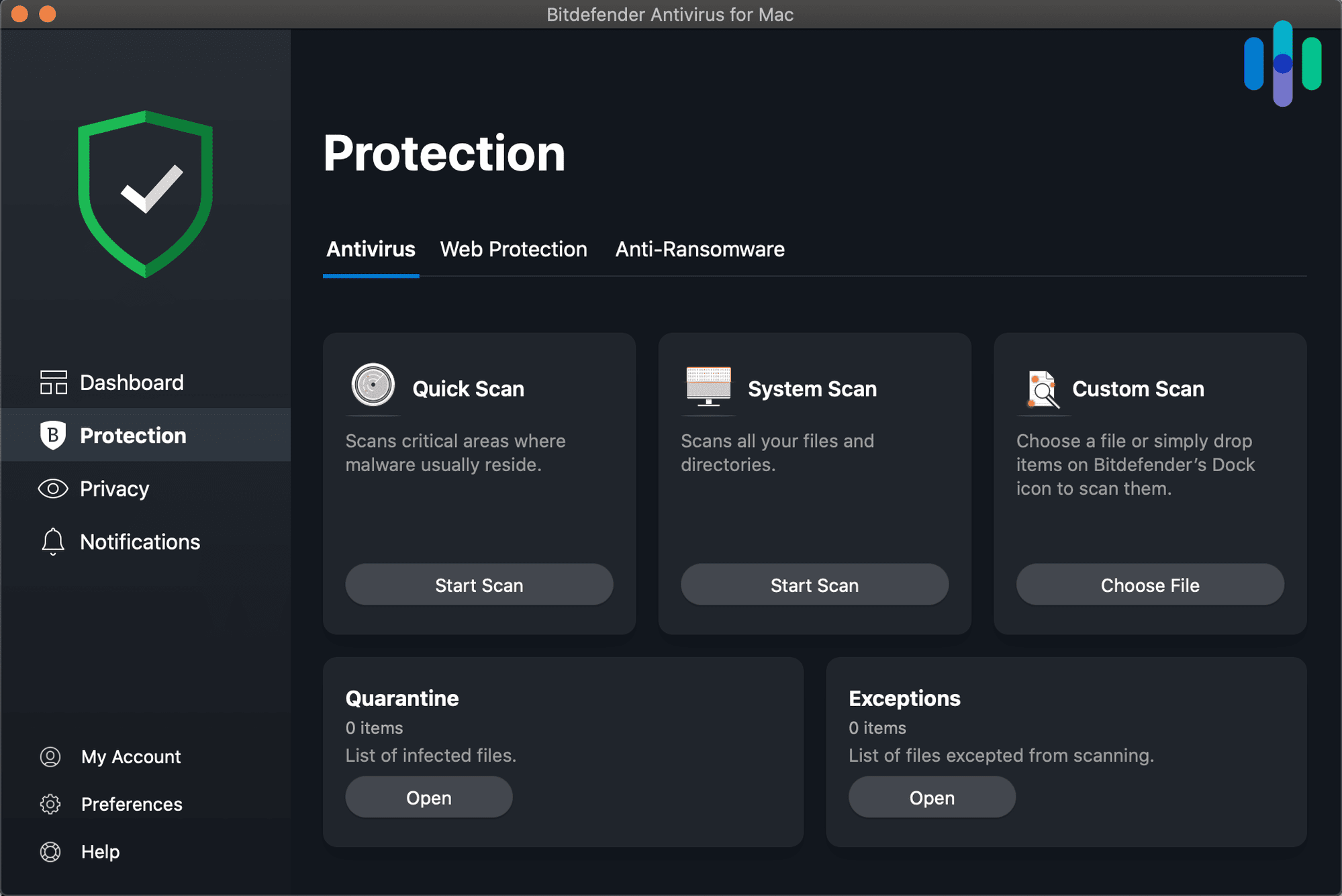
Running multiple active antivirus programs simultaneously creates a conflict-heavy environment that often degrades system performance and weakens security rather than strengthening it. Real protection in 2026 relies on a singular, high-quality real-time engine paired with a layered defense strategy involving behavioral analysis, multi-factor authentication, and proactive patch management.
The phrase "antivirus antivirus antivirus" often echoes the common misconception that if one layer of protection is good, three must be three times better. In the early days of computing, when threats were simpler and signature-based detection was the only line of defense, users often experimented with multiple scanners. However, as we navigate the digital landscape of 2026, the architecture of operating systems and the sophistication of malware have made this redundant approach not only obsolete but actively dangerous to your system's stability. Achieving "real protection" requires understanding the technical friction caused by redundant software and pivoting toward a holistic security posture.
The Technical Friction of Redundant Antivirus Software
To understand why multiple antivirus (AV) programs fail to cooperate, one must understand how they function at the kernel level. Modern antivirus software does not simply sit on top of your operating system; it integrates deeply into the Windows or macOS kernel. It uses "hooks" to monitor every file opening, every network request, and every memory allocation.
When two or more antivirus programs attempt to hook the same system calls, a "race condition" often occurs. Both programs vie for control over a file the moment it is accessed. If Antivirus A intercepts a file to scan it, Antivirus B may see Antivirus A’s activity as a suspicious process attempting to manipulate system files. This can lead to a "deadlock," where the system freezes because two pieces of software are waiting for each other to release a resource. In 2026, with the speed of NVMe drives and high-core-count processors, these conflicts can manifest as sudden system crashes (Blue Screens of Death), extreme latency, or "false positive" loops where one AV flags the virus definitions of another as malicious code.
Furthermore, redundant antivirus setups lead to massive resource exhaustion. Each active engine maintains its own database of signatures, its own behavioral analysis sandbox, and its own real-time monitoring service. On a standard consumer machine, running three active AVs can consume upwards of 4GB of RAM and significant CPU cycles even when the computer is idle. This "performance tax" makes the system less responsive and, ironically, can prevent the operating system from deploying its own critical security updates efficiently.
The Shift from Signatures to Behavioral Analysis
Real protection in 2026 has moved far beyond the "blacklist" model. In the past, an antivirus was only as good as its most recent update. If the vendor hadn't seen a specific virus "signature," the software couldn't stop it. Today, the industry has shifted toward Heuristic Analysis and Endpoint Detection and Response (EDR) technologies.
Modern security suites look for patterns of behavior rather than specific strings of code. For example, if a PDF file suddenly attempts to launch a PowerShell script to modify registry keys, a modern AI-driven engine will block it regardless of whether that specific "virus" has been seen before. When you have multiple engines attempting to perform behavioral analysis, they often trip over one another. A legitimate block by one program might be interpreted by the second program as a "process injection" attack, causing the second program to kill the first program's process. This leaves the user with zero protection while the two programs effectively neutralize each other.
To navigate this, users must choose a primary "Active" shield. This shield should be a comprehensive suite that offers deep integration with the OS. In 2026, built-in solutions like Windows Defender have reached a level of parity with many third-party paid tools, making the decision more about specific feature sets (like integrated VPNs or identity monitoring) rather than core detection capabilities.
The Layered Security Model: The "Swiss Cheese" Approach
If multiple antiviruses are the wrong way to achieve redundancy, what is the right way? The answer lies in the "Swiss Cheese Model" of security. Imagine several slices of Swiss cheese stacked together. Each slice has holes (vulnerabilities), but if you stack enough slices, the holes don't align, and nothing passes through the entire stack.
In a professional and secure home or office environment, these layers are not redundant software of the same type, but different types of defenses entirely:
- The Perimeter Layer: This is your router and firewall. In 2026, many high-end routers include DNS-level filtering that blocks known malicious domains before they even reach your computer.
- The Patch Layer: This is arguably more important than any antivirus. Ensuring that your Operating System, browsers, and applications are updated immediately closes the "exploits" that viruses use to get in.
- The Identity Layer: Multi-Factor Authentication (MFA) and robust password management. Most "hacks" in 2026 are not technical exploits but credential thefts. An antivirus cannot stop a hacker who has your password, but MFA can.
- The Active Shield (The Antivirus): A single, high-performance engine that monitors local file activity and memory.
- The Remediation Layer: A secondary, "on-demand" scanner (like the free version of Malwarebytes) that does not run in the background but can be used once a week to provide a "second opinion" without conflicting with the primary shield.
Navigating Modern Threats: EDR and XDR for Individuals
As we move through 2026, the line between "Home Antivirus" and "Enterprise Security" has blurred. Many premium suites now offer light versions of Endpoint Detection and Response (EDR). Unlike traditional AV, which focuses on "find and kill," EDR focuses on "visibility and context." It tells you how a threat got in and what it tried to touch.
For users seeking "real protection," the goal should be finding a tool that provides Extended Detection and Response (XDR) capabilities. XDR integrates security data from different sources—such as your email, your cloud storage, and your local machine. If a phishing link is detected in your inbox, the XDR system can automatically "pre-scan" your local machine for any artifacts related to that link. This is true redundancy: different systems sharing intelligence rather than competing for kernel hooks.
Comparison: Redundant Software vs. Layered Protection
The following table illustrates the difference between the "Antivirus Antivirus Antivirus" (redundant) approach and the "Real Protection" (layered) approach.
| Feature | Redundant Setup (Multiple AVs) | Layered Protection (Modern Approach) |
|---|---|---|
| System Stability | Low (Frequent crashes/freezes) | High (Optimized for OS performance) |
| Detection Coverage | High on signatures, low on behavior | Comprehensive (Network + Files + Identity) |
| Resource Usage | Very High (CPU/RAM drain) | Minimal (Background optimization) |
| Conflict Risk | Extreme (Kernel race conditions) | None (Complementary technologies) |
| Maintenance | Difficult (Managing multiple licenses) | Streamlined (Single dashboard) |
| Primary Focus | Reactive (Scanning for known files) | Proactive (Blocking vectors of entry) |
| 2026 Relevance | Obsolete / Counter-productive | Current Best Practice |
The Role of User Behavior and Zero Trust
No amount of antivirus software—redundant or otherwise—can protect a user who ignores system warnings. In 2026, the "Zero Trust" architecture has become the standard for real protection. Zero Trust operates on the principle of "never trust, always verify."
For an individual, this means treating every attachment, every link, and every "system update" prompt with skepticism. Real protection is found in the synergy between a single, powerful security suite and a disciplined user. When you navigate the web, your antivirus should be the safety net, not the primary tightrope. If you find yourself wanting to install a second or third antivirus, it is usually a sign that you do not trust your current solution or your own browsing habits. Instead of adding more software, it is often more effective to upgrade to a more reputable suite or to harden your browser settings.
Common Pitfalls in Seeking "Extra" Protection
Many users fall into the trap of installing "Antivirus Boosters" or "Security Optimizers." In the current 2026 tech environment, these are almost universally "PUPs" (Potentially Unwanted Programs). They often act as adware or system "cleaners" that do more harm than good by deleting essential registry keys or interfering with the built-in security features of the OS.
Another pitfall is the use of "Cracked" or pirated antivirus software. It is a profound irony to install a pirated version of a security tool, as the "crack" itself is often a delivery vehicle for a trojan or a rootkit. Real protection requires a legitimate, licensed product that receives real-time intelligence updates from the vendor’s cloud network.
Practical Steps for System Hardening in 2026
To move away from the "antivirus antivirus antivirus" loop and toward a secure, high-performance system, follow these steps:
- Audit Your Current Software: Open your "Add or Remove Programs" list. If you see more than one active security suite (e.g., McAfee and Norton, or Bitdefender and Avast), choose the one you prefer and uninstall the others.
- Verify OS Integration: Ensure that your remaining antivirus is fully recognized by the Windows Security Center or macOS System Settings. If the OS doesn't "see" it, the software may not be hooking correctly into the modern security APIs.
- Enable Core Isolation: In Windows 11/12 (as of 2026), ensure "Memory Integrity" is turned on. This uses hardware virtualization to protect the most sensitive parts of your kernel from being tampered with, even by a virus that manages to bypass your AV.
- Set Up Passive Scanning: If you want a "second opinion," install a tool like Malwarebytes and disable its "Real-Time Protection" or "Start with Windows" options. Use it only for manual scans when you suspect something is wrong.
- Use a Secure DNS: Change your router or device DNS to a provider like Quad9 (9.9.9.9) or Cloudflare for Families (1.1.1.3). This adds a layer of protection that doesn't use any of your computer's resources.
FAQs
Can I run two antivirus programs if I disable real-time scanning on one?
Yes, this is a viable strategy. You can have one program (like Bitdefender or Windows Defender) providing active, real-time protection, and another program (like Malwarebytes) as an on-demand scanner. The key is ensuring that only one program is trying to "hook" the system's active processes at any given time.
Does having more antivirus software make me safer from zero-day exploits?
No. In fact, it might make you more vulnerable. Redundant software creates a larger "attack surface." Vulnerabilities in the antivirus software themselves are common. By having three different AV engines, you are tripling the number of potential entry points a hacker could use to gain kernel-level access to your machine.
Why does my computer feel slow even though I have the "best" antivirus setup?
If you are running multiple active scanners, the "slowness" is caused by disk I/O contention. Every time a program tries to read a file, all three antiviruses attempt to intercept that read request. This creates a bottleneck that can make a high-end SSD feel like an old mechanical hard drive.
Is Windows Defender enough for real protection in 2026?
For the vast majority of users, Windows Defender (now integrated into the Microsoft Defender suite) provides excellent protection that is perfectly optimized for the OS. It includes anti-ransomware features, memory protection, and cloud-based heuristics. Third-party suites are generally only necessary if you want additional features like a bundled VPN, password manager, or cross-platform identity theft protection.
What should I do if my antivirus finds a threat that it can't remove?
This is where a "second opinion" scanner is useful. Instead of installing a second permanent antivirus, download a portable, specialized removal tool (like Kaspersky Virus Removal Tool or ESET Online Scanner). These are designed to run once, clean the infection, and then be deleted, avoiding any long-term redundancy issues.
Practical Recommendation
To achieve real protection in 2026, stop searching for "more" software and start searching for "better" configuration. Uninstall all but one active antivirus suite. If you are using Windows, Microsoft Defender is a sufficient foundation; if you prefer a third-party suite like Bitdefender, Norton, or ESET, ensure it is the only one with real-time shields enabled. Complement this single active shield with a robust "identity" layer (MFA on all accounts) and a "network" layer (Secure DNS). This streamlined approach ensures your system remains stable, fast, and significantly more secure than a machine bogged down by redundant, conflicting software.