Antisense technology refers to the use of synthetic nucleic acid sequences, known as antisense oligonucleotides (ASOs), that are complementary to a specific messenger RNA (mRNA) sequence. By binding to the target mRNA, these molecules prevent the production of specific proteins associated with diseases, effectively "silencing" genes at the translational level rather than the genomic level.
Antisense technology represents a paradigm shift in pharmacology. Unlike traditional small-molecule drugs that typically target the active sites of proteins, antisense therapeutics intervene at the genetic level, preventing the problematic protein from being synthesized in the first place. This approach allows for the treatment of diseases that were previously considered "undruggable" due to the lack of accessible protein binding pockets. As of 2026, antisense technology has matured from a promising laboratory concept into a robust clinical platform with numerous FDA-approved therapies and hundreds of candidates in the global pipeline.
Defining Antisense: The Molecular Blueprint
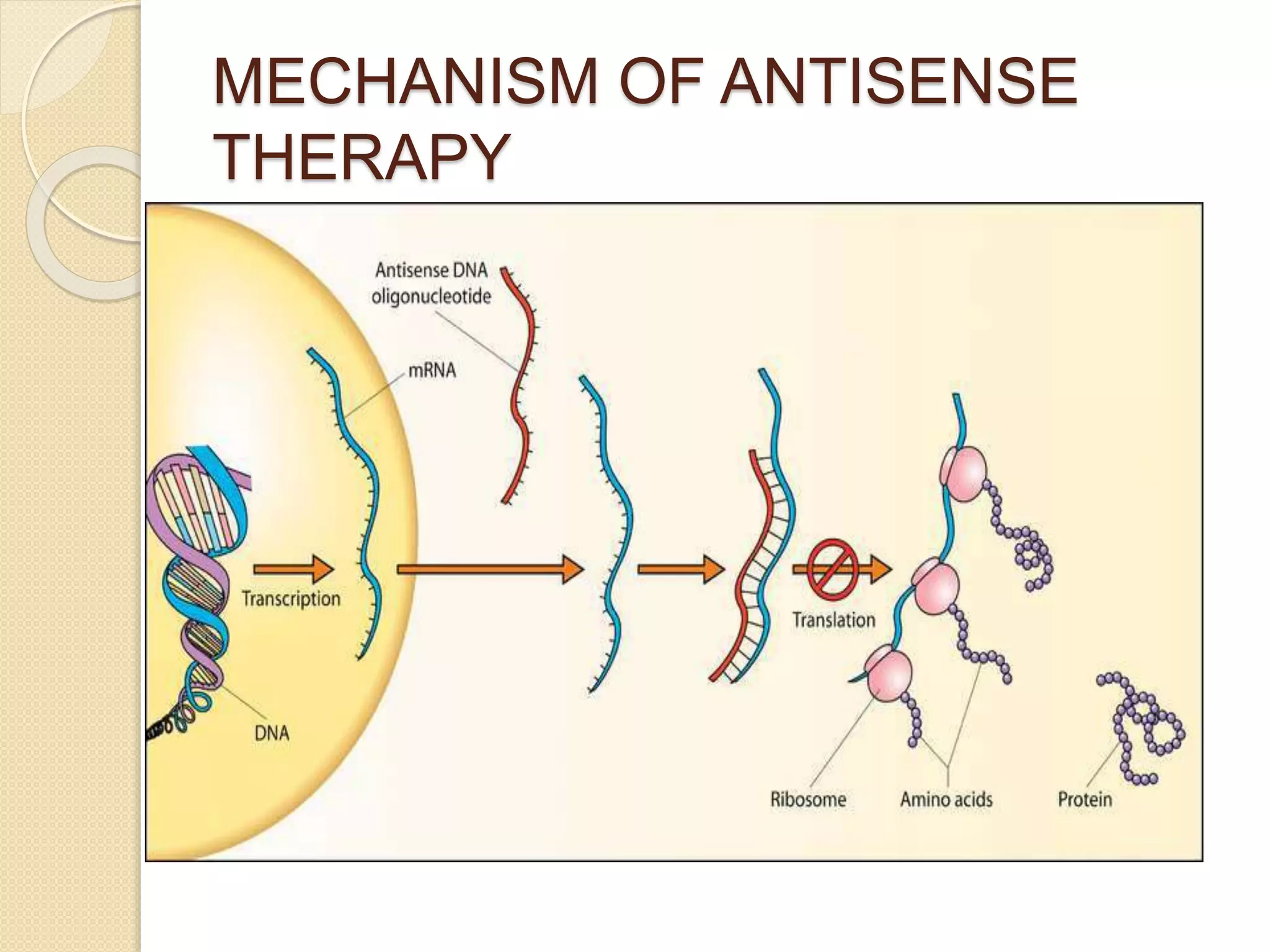
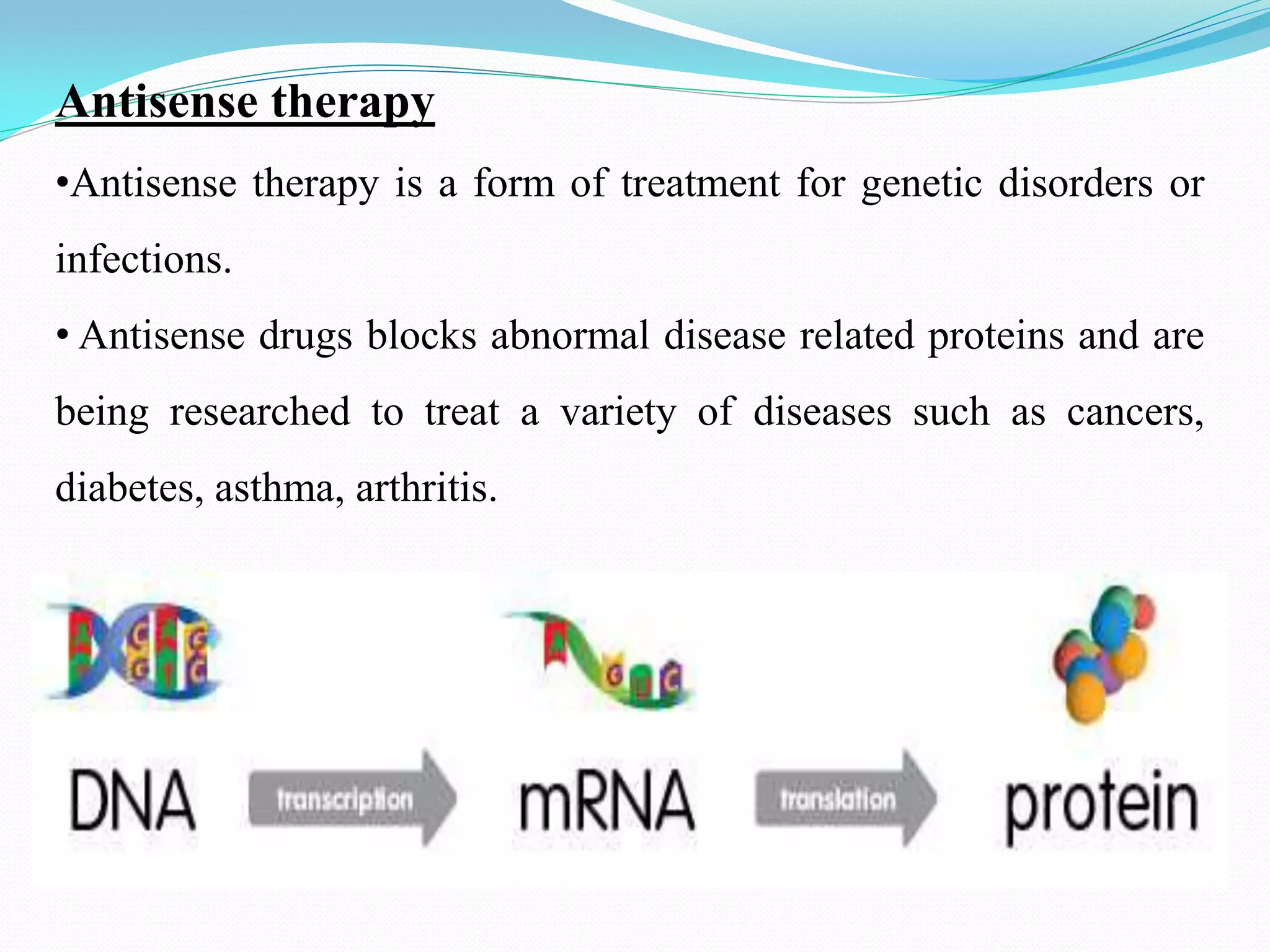
To understand antisense, one must first understand the "sense" of genetic information. In biology, the "sense" strand of DNA carries the code for a protein. When a gene is expressed, the double-stranded DNA unwinds, and one strand is transcribed into a single-stranded messenger RNA (mRNA). This mRNA is the "sense" sequence because it contains the instructions that the ribosome—the cell's protein factory—reads to assemble amino acids.
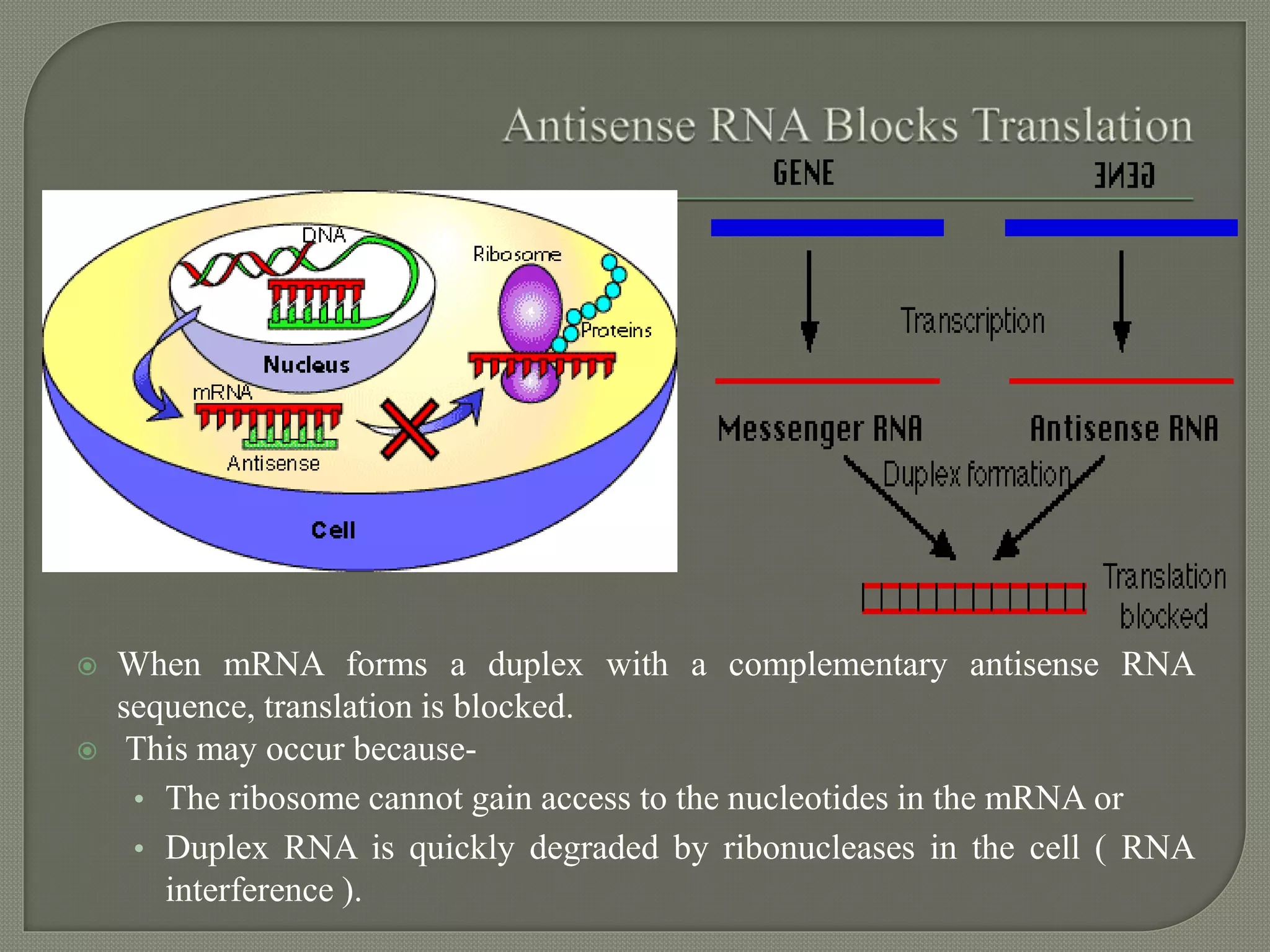
An antisense oligonucleotide (ASO) is a short (usually 15–30 nucleotides), synthetic, single-stranded chain of nucleotides designed to be the exact mirror image (complement) of a specific segment of the target mRNA. Because of the rules of base pairing—where adenine pairs with uracil (in RNA) and cytosine pairs with guanine—the ASO binds tightly to its target mRNA, forming a double-stranded hybrid. This hybridization triggers various cellular mechanisms that either destroy the mRNA or physically block it from being translated into a protein.
The Chemical Evolution of ASOs
The primary challenge in developing antisense uses was the inherent instability of natural DNA and RNA. Enzymes called nucleases quickly degrade foreign genetic material in the bloodstream. To overcome this, scientists developed chemical modifications to the "backbone" and sugar molecules of the ASOs:
- First Generation (Phosphorothioates): These replaced an oxygen atom with a sulfur atom in the phosphate backbone, increasing resistance to nuclease degradation and improving protein binding.
- Second Generation (2'-O-methyl and 2'-O-methoxyethyl): These modifications to the sugar ring increased the binding affinity (potency) and reduced the toxicity of the molecules.
- Third Generation (Locked Nucleic Acids and Morpholinos): These involve significant structural changes to the sugar-phosphate backbone, resulting in extremely stable molecules with high specificity and low off-target effects.
Primary Uses of Antisense Technology
The versatility of antisense technology allows it to be used across a broad spectrum of medical and research disciplines. Its primary applications fall into two categories: therapeutic intervention and functional genomics research.
1. Therapeutic Intervention for Rare Genetic Disorders
The most successful application of antisense technology to date has been in treating rare, monogenic (single-gene) disorders. By targeting the underlying genetic cause, ASOs can provide life-altering benefits for patients with conditions that previously had no treatment options.
- Spinal Muscular Atrophy (SMA): This is perhaps the most famous use of antisense technology. Patients with SMA have a deficiency in the SMN protein due to mutations in the SMN1 gene. A drug called Nusinersen (Spinraza) uses antisense technology to target a related gene, SMN2. By binding to the SMN2 pre-mRNA, the ASO alters the splicing process, forcing the cell to include an exon that it would normally skip. This results in the production of a functional, full-length SMN protein.
- Duchenne Muscular Dystrophy (DMD): In DMD, mutations in the dystrophin gene lead to a lack of functional protein, causing progressive muscle wasting. Antisense drugs like Eteplirsen (Exondys 51) are designed for "exon skipping." The ASO binds to the dystrophin pre-mRNA, causing the cellular machinery to skip over the mutated exon. This restores the reading frame, allowing the body to produce a shorter but still functional version of the dystrophin protein.
2. Management of Neurological and Neurodegenerative Diseases
The central nervous system is an ideal target for ASOs because these drugs can be delivered directly into the cerebrospinal fluid, bypassing the blood-brain barrier.
- Amyotrophic Lateral Sclerosis (ALS): Research has focused on using ASOs to reduce the production of toxic proteins associated with familial ALS, such as those caused by mutations in the SOD1 or C9orf72 genes. By silencing the expression of these mutant genes, antisense technology aims to slow the progression of the disease.
- Huntington’s Disease: This condition is caused by a toxic "gain-of-function" mutation in the huntingtin gene. Antisense molecules are used to bind to the huntingtin mRNA and trigger its degradation, thereby lowering the levels of the mutant protein in the brain.
3. Cardiovascular and Metabolic Health
Antisense technology has also been utilized to manage common but difficult-to-treat metabolic conditions.
- Hypercholesterolemia: Mipomersen was developed as an antisense inhibitor of apolipoprotein B-100. By reducing the synthesis of this protein in the liver, the drug lowers the levels of low-density lipoprotein (LDL) cholesterol in the blood.
- Transthyretin Amyloidosis (hATTR): Drugs like Inotersen (Tegsedi) use ASOs to inhibit the production of the TTR protein. This prevents the accumulation of amyloid deposits in the heart and nerves, which is the hallmark of the disease.
4. Functional Genomics and Laboratory Research
Beyond the clinic, antisense technology is a fundamental tool in the laboratory. Researchers use ASOs to perform "gene knockdown" experiments. By introducing an ASO into a cell culture or animal model, researchers can temporarily silence a specific gene to observe the resulting changes in the organism's phenotype. This helps identify the function of unknown genes and validates potential drug targets for other therapeutic modalities.
Mechanism of Action: How ASOs Work
The "uses" of antisense are determined by the specific molecular mechanism the ASO is designed to trigger. There are two primary pathways through which ASOs exert their effects.
RNase H-Mediated Degradation
Most therapeutic ASOs are designed to trigger a cellular enzyme called RNase H. When an ASO (which is DNA-like) binds to its target mRNA, it forms a DNA-RNA heteroduplex. The cell recognizes this hybrid molecule as abnormal. RNase H specifically binds to this hybrid and cleaves the mRNA strand, while leaving the ASO intact. Once the mRNA is cut, it can no longer be translated into protein and is rapidly degraded by other cellular enzymes. This is the primary mechanism for "turning off" a gene.
Steric Hindrance and Splice Modulation
In other cases, the ASO does not cause the degradation of the mRNA. Instead, it acts as a physical block (steric hindrance).
- Translation Blocking: The ASO binds to the "start" sequence of the mRNA, preventing the ribosome from attaching and beginning the translation process.
- Splicing Modulation: This is the mechanism used in SMA and DMD treatments. Before mRNA is finalized, it undergoes "splicing" where non-coding regions (introns) are removed and coding regions (exons) are joined. By binding to specific sites on the pre-mRNA, an ASO can hide a splice site from the cellular machinery, causing exons to be either included or excluded. This allows for the correction of genetic errors or the production of alternative protein isoforms.
Comparison of Key Approved Antisense Therapies (as of 2026)
| Drug Name | Target Gene | Indication | Mechanism of Action |
|---|---|---|---|
| Nusinersen | SMN2 | Spinal Muscular Atrophy | Splice modulation (exon inclusion) |
| Eteplirsen | DMD (Exon 51) | Duchenne Muscular Dystrophy | Splice modulation (exon skipping) |
| Inotersen | TTR | Hereditary TTR Amyloidosis | RNase H-mediated degradation |
| Volanesorsen | APOC3 | Familial Chylomicronemia | RNase H-mediated degradation |
| Goli赴ersen | DMD (Exon 53) | Duchenne Muscular Dystrophy | Splice modulation (exon skipping) |
| Tofersen | SOD1 | ALS (SOD1-positive) | RNase H-mediated degradation |
Implementation Challenges and Safety
Despite the significant successes of antisense technology, several challenges remain in its widespread use.
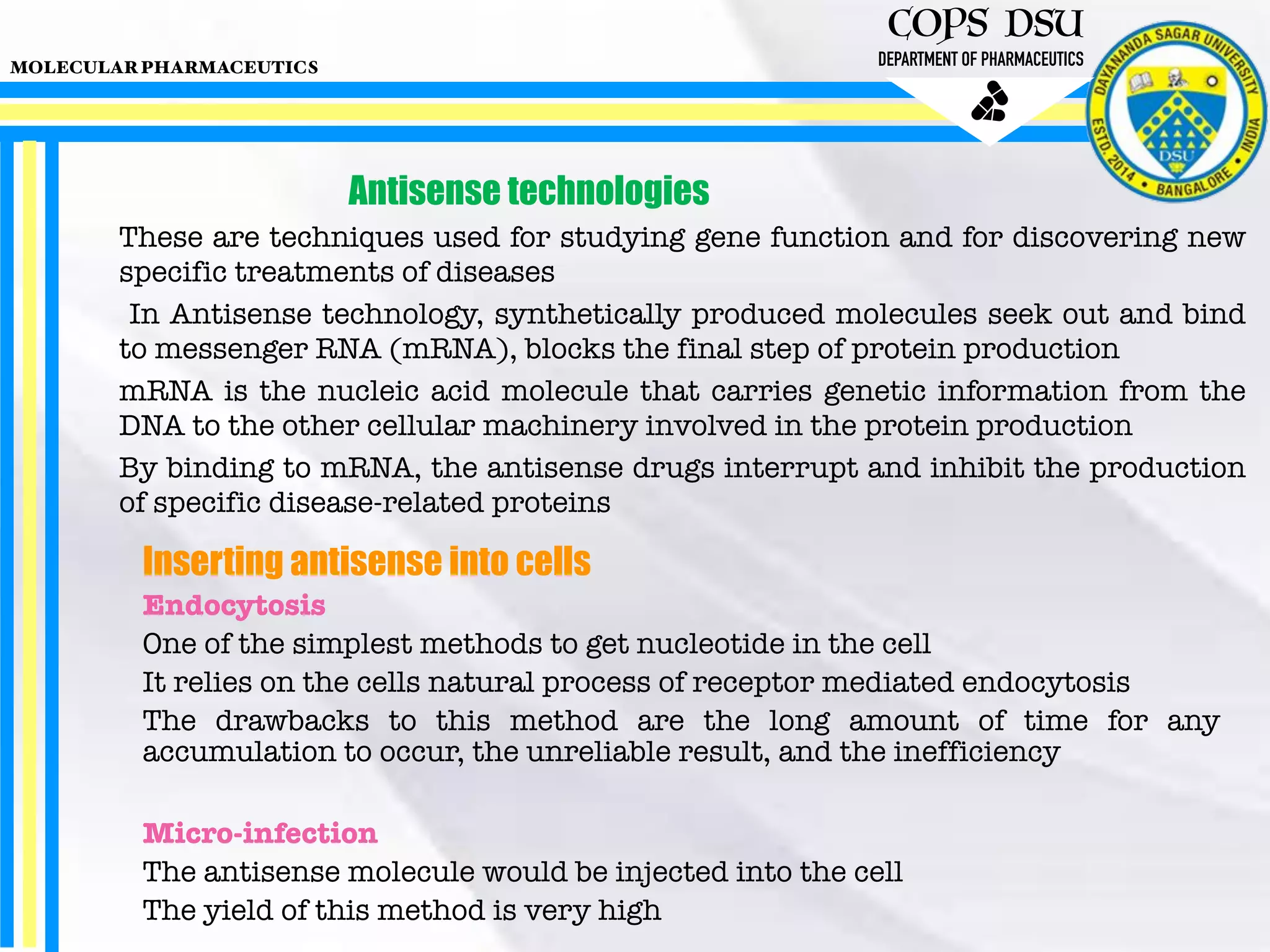
- Delivery: Large, negatively charged ASOs do not easily cross cell membranes. Delivering these molecules to specific tissues—such as the brain, heart, or kidneys—requires specialized delivery systems or direct injection (e.g., intrathecal injection for spinal diseases).
- Off-Target Effects: While ASOs are designed to be highly specific, there is a risk they may bind to unintended mRNA sequences that share similar patterns. This can lead to unforeseen side effects or toxicity.
- Immune Response: The body may recognize synthetic oligonucleotides as foreign invaders (mimicking a viral infection), leading to inflammation or an immune reaction at the site of injection.
- Cost: The development and manufacturing of personalized antisense therapies are extremely expensive. This often results in high costs for patients and healthcare systems, raising questions about long-term accessibility.
The Future of Antisense: 2026 and Beyond
As we move through 2026, the horizon for antisense technology is expanding into more common diseases. Researchers are currently investigating ASO applications for:
- Hypertension: Targeting angiotensinogen to provide long-term blood pressure control with a single quarterly injection.
- Alzheimer’s Disease: Silencing the production of tau protein to prevent the formation of neurofibrillary tangles.
- Viral Infections: Designing ASOs that target the highly conserved regions of viral RNA, such as in Hepatitis B or respiratory viruses, to prevent viral replication.
The integration of artificial intelligence in drug design has also accelerated the identification of optimal antisense sequences, reducing the time from genetic discovery to clinical trials. Furthermore, new "conjugate" technologies—where the ASO is attached to a molecule like GalNAc—allow for highly efficient, targeted delivery to the liver via a simple subcutaneous injection, significantly improving patient compliance and reducing systemic side effects.
Frequently Asked Questions
What is the difference between antisense and RNA interference (RNAi)?
While both are gene-silencing technologies, they differ in their molecular machinery. Antisense uses single-stranded DNA-like molecules that often rely on RNase H to degrade mRNA. RNA interference (RNAi) uses double-stranded RNA molecules that utilize a different cellular complex called RISC (RNA-induced silencing complex) to achieve the same goal. RNAi is generally more potent but can be more difficult to deliver to certain tissues.
How are antisense drugs administered?
Administration depends on the target organ. For liver-related diseases, they are often given as subcutaneous injections. For neurological conditions, they are typically administered via intrathecal injection (into the spinal canal) because they cannot cross the blood-brain barrier from the bloodstream.
Can antisense technology cure genetic diseases?
In most cases, antisense technology is a treatment, not a permanent cure. Because the ASO molecules eventually break down and the cell continues to produce new "bad" mRNA, patients usually require regular, ongoing treatments (ranging from every few weeks to every few months) to maintain the silencing effect.
Are there side effects to antisense treatments?
Common side effects include reactions at the injection site, such as redness or swelling. More serious potential risks, depending on the specific drug, can include a reduction in platelet counts (thrombocytopenia) or changes in kidney function, which require regular monitoring by a healthcare provider.
How specific is antisense binding?
Antisense oligonucleotides are highly specific because they rely on the Watson-Crick base-pairing rules. A sequence of 20 nucleotides is statistically likely to be unique within the human transcriptome, meaning the ASO should only bind to its intended target. However, bioinformatics screening is always required to minimize "off-target" binding.
Practical Recommendation
If you or a family member are considering an antisense-based therapy, the first step is genetic testing. Because antisense drugs are sequence-specific, they often only work for patients with a very particular mutation (such as a specific exon mutation in Duchenne Muscular Dystrophy). Consult with a genetic counselor or a specialist in the relevant field (e.g., a neurologist for SMA or ALS) to determine if a specific ASO therapy is appropriate for your genetic profile. Always ensure that the treatment is administered in a specialized facility capable of monitoring for potential side effects like thrombocytopenia or renal stress.