Antibiotics are not a direct treatment for an enlarged spleen (splenomegaly) itself, but they are essential when the enlargement is caused by a bacterial infection or when a patient’s spleen is no longer functioning correctly. Because the spleen is a critical component of the immune system, doctors prescribe antibiotics to either eliminate the underlying infection triggering the swelling or to protect the body from life-threatening pathogens when the spleen's filtering capacity is compromised.
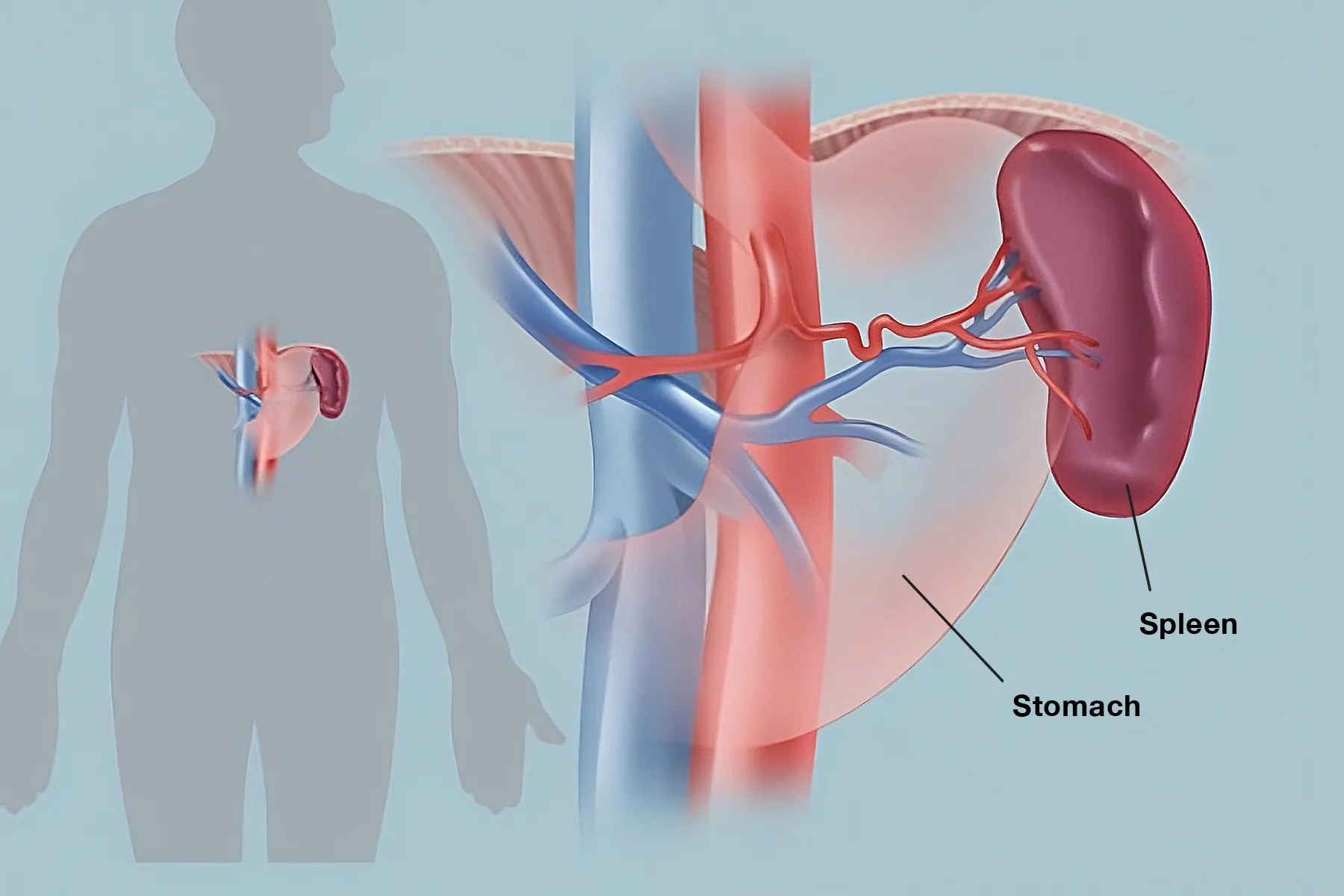
The spleen is a bean-shaped organ located in the upper left quadrant of the abdomen, tucked under the rib cage. In a healthy adult, it functions as a sophisticated biological filter, removing old red blood cells and capturing invading bacteria and viruses. When the spleen becomes enlarged, it is almost always a secondary sign of an underlying condition. Determining whether antibiotics are the appropriate course of action requires a deep dive into the etiology of the enlargement.
The Relationship Between Infection and Splenomegaly
An enlarged spleen occurs when the organ is overworked or infiltrated by abnormal cells. In the context of infectious diseases, the spleen swells as it ramps up the production of white blood cells and antibodies to fight off pathogens. While viral infections like mononucleosis are common culprits that do not respond to antibiotics, several bacterial and fungal infections specifically necessitate antimicrobial intervention.
When a physician identifies splenomegaly through physical examination or imaging (such as an ultrasound or CT scan), the immediate goal is to differentiate between infectious, congestive (liver-related), malignant (cancerous), and hematologic (blood-related) causes. If the diagnostic workup—including a Complete Blood Count (CBC) and blood cultures—points toward a bacterial source, an aggressive antibiotic regimen is typically initiated.
Bacterial Infections That Require Antibiotics
Several specific bacterial conditions can lead to significant splenic enlargement. In these cases, the "cure" for the enlarged spleen is the successful eradication of the bacteria through targeted antibiotic therapy.
Splenic Abscess
A splenic abscess is a localized collection of pus within the spleen. This is a relatively rare but potentially fatal condition if left untreated. It often occurs in patients with a weakened immune system or as a complication of bacteria traveling through the bloodstream from another site.
- Treatment: Broad-spectrum intravenous (IV) antibiotics are the first line of defense. Commonly used medications include vancomycin, third-generation cephalosporins, or carbapenems. In many cases, antibiotics alone are insufficient, and the abscess must be drained percutaneously (via a needle) or the spleen must be surgically removed (splenectomy).
Infective Endocarditis
Infective endocarditis is an infection of the heart valves or the inner lining of the heart chambers. Bacteria from the heart can break off into the bloodstream (embolize) and travel to the spleen, causing splenic infarction (tissue death) or abscesses, both of which result in an enlarged, painful spleen.
- Treatment: This requires a prolonged course (usually 4 to 6 weeks) of high-dose IV antibiotics. The choice of antibiotic depends on the specific bacteria identified in blood cultures, often involving penicillin, ceftriaxone, or gentamicin.
Tuberculosis and Atypical Mycobacteria
While primarily a lung disease, tuberculosis (TB) can spread to other organs, including the spleen (miliary TB). This causes the formation of small granulomas, leading to organ enlargement.
- Treatment: TB-related splenomegaly requires a multi-drug regimen, typically including isoniazid, rifampin, ethambutol, and pyrazinamide, taken over several months.
Cat Scratch Disease (Bartonella henselae)
This infection, transmitted via a cat scratch or bite, can cause "hepatosplenic" involvement, where both the liver and spleen become enlarged and filled with small inflammatory lesions.
- Treatment: While mild cases may resolve on their own, systemic involvement usually requires antibiotics such as azithromycin, rifampin, or trimethoprim-sulfamethoxazole.
Prophylactic Antibiotics: Protecting the Spleenless Patient
In some medical scenarios, the problem isn't that an infection caused the spleen to enlarge, but rather that the spleen is so diseased (or has been removed) that it can no longer protect the patient. This condition is known as asplenia (absence of the spleen) or functional asplenia (the spleen is present but does not work, common in Sickle Cell Anemia).
In 2026, clinical guidelines continue to emphasize the "Overwhelming Post-Splenectomy Infection" (OPSI) risk. Without a functioning spleen, the body is highly vulnerable to encapsulated bacteria, such as Streptococcus pneumoniae, Haemophilus influenzae, and Neisseria meningitidis.
Long-Term Antibiotic Prophylaxis
For children with Sickle Cell Anemia or those who have undergone a splenectomy before the age of five, daily prophylactic antibiotics are standard.
- Standard Medication: Oral Penicillin VK is the most frequently prescribed prophylactic.
- Duration: Most guidelines recommend daily prophylaxis until at least age five, and often longer depending on the patient's individual risk factors and history of infections.
"Stand-by" Antibiotics
For adult patients with an enlarged, non-functional spleen or no spleen at all, doctors often provide a "stand-by" prescription of antibiotics (such as amoxicillin-clavulanate or levofloxacin). The patient is instructed to take the first dose immediately if they develop a fever or chills and seek emergency medical attention. This preemptive strike can be life-saving.
When Antibiotics are Ineffective
It is crucial to understand that antibiotics are specialized tools that only kill bacteria. They are ineffective against many of the most common causes of an enlarged spleen.
- Viral Infections: Infectious Mononucleosis (the "kissing disease" caused by the Epstein-Barr virus) is perhaps the most famous cause of splenomegaly. Because it is viral, antibiotics like amoxicillin will not help and may actually cause a specific type of skin rash in these patients.
- Liver Disease: Portal hypertension resulting from cirrhosis causes blood to back up into the spleen, making it grow. Antibiotics cannot fix the structural blood flow issues of the liver.
- Blood Cancers: In leukemia and lymphoma, the spleen becomes enlarged because it is being infiltrated by malignant white blood cells. Treatment involves chemotherapy or radiation, not antibiotics.
- Hemolytic Anemias: Conditions where red blood cells break down too quickly force the spleen to overwork, leading to enlargement.
Comparative Summary of Treatment Approaches
The following table outlines how different causes of an enlarged spleen are addressed regarding antibiotic use.
| Cause of Enlargement | Primary Mechanism | Are Antibiotics Used? | Typical Medication/Action |
|---|---|---|---|
| Splenic Abscess | Bacterial infection/pus | Yes | IV Vancomycin, Ceftriaxone |
| Infectious Mono | Viral replication | No | Rest, hydration, avoiding contact sports |
| Sickle Cell Anemia | Functional asplenia | Yes (Prophylactic) | Daily Penicillin VK |
| Cirrhosis | Portal hypertension | No | Diuretics, sodium restriction |
| Endocarditis | Septic emboli to spleen | Yes | Long-term IV Penicillin or Gentamicin |
| Leukemia | Malignant cell infiltration | No | Chemotherapy, targeted therapy |
| Tuberculosis | Granuloma formation | Yes | Rifampin, Isoniazid (Multi-drug) |
Diagnostic Requirements and Patient Monitoring
Before a healthcare provider prescribes antibiotics for an enlarged spleen, they must confirm the presence of a bacterial infection. This process typically involves:
- Imaging: An ultrasound is the most cost-effective way to measure splenic size (usually anything over 12–14 cm is considered enlarged). A CT scan provides more detail regarding potential abscesses or infarctions.
- Blood Cultures: If a fever is present, blood must be drawn and incubated to see if bacteria grow. This allows the lab to test which specific antibiotics are most effective (sensitivity testing).
- CBC with Differential: High white blood cell counts often indicate infection, while low counts might suggest the spleen is "trapping" cells (hypersplenism).
Patients taking antibiotics for splenic conditions must be monitored for side effects and "superinfections" like Clostridioides difficile (C. diff). Furthermore, those using prophylactic antibiotics must be vigilant about antibiotic resistance, ensuring they do not skip doses and that they maintain up-to-date vaccinations for pneumonia and meningitis.
Risks and Common Mistakes
A common mistake in managing an enlarged spleen is the premature use of antibiotics without a clear diagnosis. If a patient with mononucleosis is incorrectly given ampicillin or amoxicillin, they may develop a distinctive "mono rash," which is often mistaken for a drug allergy.
Another risk involves the "trapping" effect of an enlarged spleen. When the spleen is large, it can sequester a significant portion of the body's platelets and white blood cells. This can make the patient appear to have a failing bone marrow or a severe infection when, in reality, the cells are just stuck in the spleen. Antibiotics will not release these trapped cells unless the underlying infection causing the swelling is resolved.
Frequently Asked Questions
Can antibiotics shrink my spleen?
Antibiotics will only shrink the spleen if the enlargement is caused by a bacterial infection. Once the bacteria are eliminated and the inflammation subsides, the spleen typically returns to its normal size over several weeks. If the enlargement is due to liver disease or a blood disorder, antibiotics will have no effect on the organ's size.
Why do I need antibiotics if my spleen was removed?
The spleen is the body's primary defense against "encapsulated" bacteria. Without it, your immune system cannot effectively tag and remove these specific germs. Antibiotics act as a secondary defense, preventing these bacteria from multiplying in your bloodstream and causing sepsis.
Is an enlarged spleen a medical emergency?
While splenomegaly itself is usually a chronic finding, it becomes an emergency if the spleen ruptures. This causes severe abdominal pain and a drop in blood pressure. Additionally, if you have an enlarged spleen and develop a high fever, it could indicate a splenic abscess or systemic infection, which requires immediate medical evaluation and likely IV antibiotics.
What are the signs that my antibiotics are working?
If the cause is bacterial, you should see a reduction in fever, a decrease in pain in the upper left abdomen, and an improvement in your energy levels. Your doctor will also look for a "normalization" of your white blood cell count and a reduction in the spleen's dimensions on follow-up imaging.
Can I take antibiotics and still play sports with an enlarged spleen?
No. Regardless of whether you are on antibiotics, an enlarged spleen is at high risk for rupture from physical contact. You must wait until a doctor confirms via imaging that the spleen has returned to a safe size before engaging in contact sports or heavy lifting.
Practical Recommendations
If you have been diagnosed with an enlarged spleen and prescribed antibiotics, your priority should be strict adherence to the dosage schedule. Stopping antibiotics early—even if you feel better—can lead to a recurrence of the infection or the development of antibiotic-resistant bacteria.
For those with chronic splenomegaly or asplenia, ensure your medical records are updated to reflect your status. In 2026, many patients use digital medical IDs or wearable alerts to inform emergency responders of their increased risk for sepsis. Always maintain an "emergency supply" of antibiotics if recommended by your hematologist, and prioritize your annual vaccinations, as these provide the primary layer of protection that antibiotics are meant to supplement.