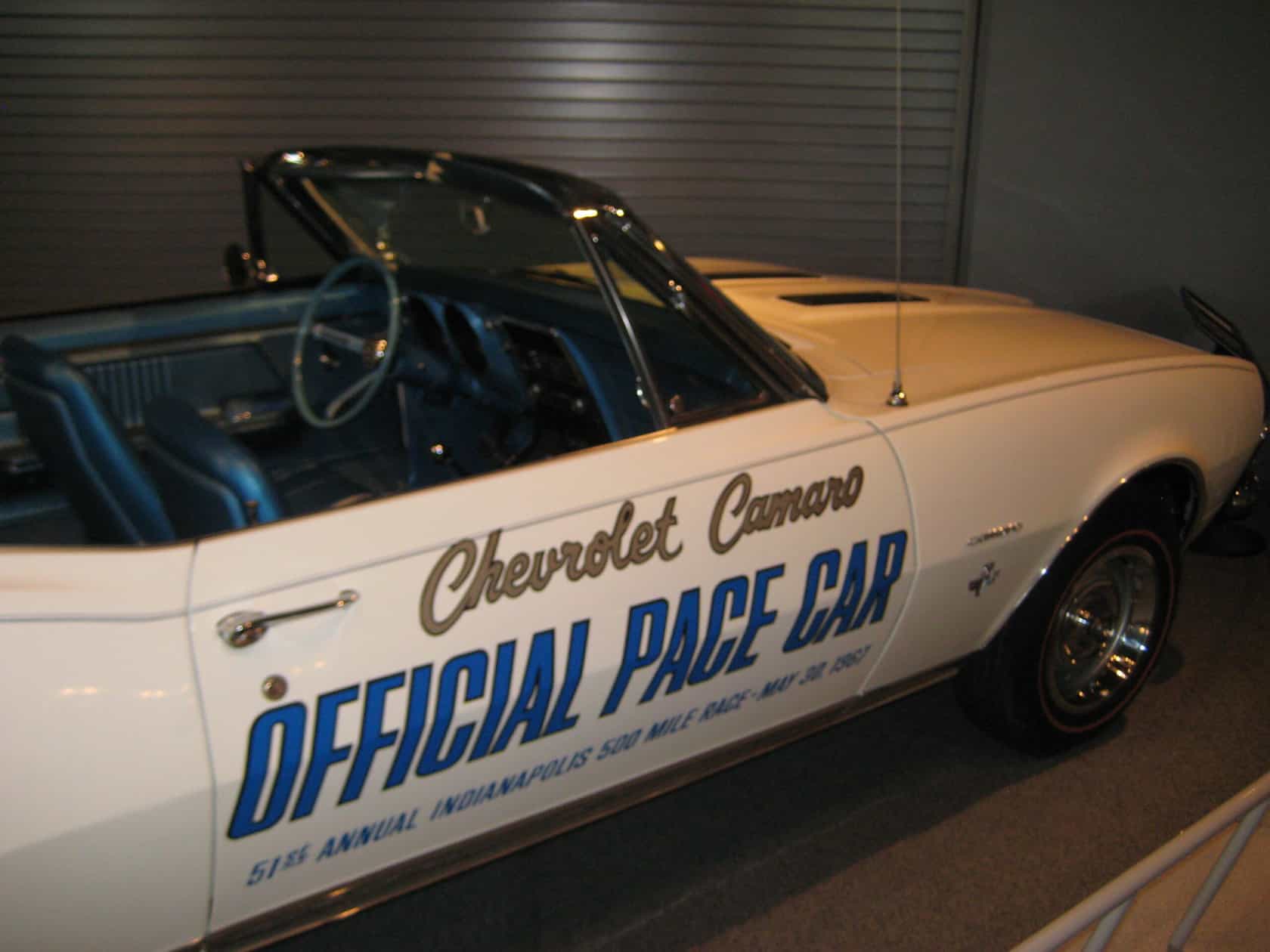
Antique auto insurance in Florida provides specialized coverage for vintage vehicles, typically 25 years or older, focusing on "Agreed Value" rather than depreciated market value. To qualify in 2026, Florida residents must adhere to strict storage and usage requirements while navigating the state's specific no-fault laws and FLHSMV registration mandates for historical vehicles.
Securing the right protection for a vintage vehicle in the Sunshine State involves more than just a standard policy. Unlike modern cars that lose value the moment they leave the lot, antique and classic cars often appreciate. In 2026, as the market for vintage internal combustion engines remains strong despite the rise of electric vehicles, understanding the nuances of Florida-specific regulations and specialized insurance products is essential for every collector.
Understanding the Definition of an Antique Vehicle in Florida
In Florida, there is a distinct difference between what the state considers an "antique" for registration purposes and what an insurance company considers a "classic" or "antique" for coverage purposes.
The FLHSMV Statutory Definition
According to Florida Statute 320.086, an "antique" motor vehicle is defined as any vehicle manufactured more than 30 years ago. These vehicles are eligible for specific "Antique" or "Historical" license plates. However, if your vehicle was manufactured after 1945 and is at least 30 years old, it is simply classified as an antique. If it was manufactured in or before 1945, it is classified as an "ancient" motor vehicle.
The Insurance Industry Definition
Insurance providers often have more flexible definitions. In 2026, most specialty insurers in Florida categorize vehicles as follows:
- Antique: Typically 25 years or older and maintained in or restored to a condition that is consistent with the manufacturer’s original design and specifications.
- Classic: Generally 10 to 24 years old, often of high interest or limited production.
- Custom/Modified: Vehicles that have been significantly altered from their original state, requiring specialized "stated amount" or "agreed value" riders.
The Core Advantage: Agreed Value vs. Actual Cash Value
The most significant reason to seek specialized antique auto insurance in Florida is the valuation method. Standard auto insurance policies typically use Actual Cash Value (ACV). ACV calculates the replacement cost of the vehicle minus depreciation. For a 1968 Ford Mustang, an ACV policy would likely result in a payout that doesn't even cover the cost of a new paint job, as the "book value" of a 60-year-old car is technically very low.
In contrast, specialized antique policies utilize Agreed Value. This is a figure determined by you and the insurance company at the time the policy is written. If you and the insurer agree that your vehicle is worth $75,000, that is the exact amount you receive in the event of a total loss (minus any deductible). In 2026, with the volatility in the vintage car market, having an Agreed Value policy is the only way to guarantee your investment is fully protected against inflation and market shifts.
Eligibility Requirements for Florida Collectors
Specialty insurers offer lower premiums for antique cars because they assume the vehicle is driven less frequently and cared for more meticulously than a daily driver. However, this low cost comes with strict eligibility requirements.
1. Usage Restrictions
To maintain an antique policy in 2026, the vehicle cannot be your primary means of transportation. Most Florida insurers limit mileage to between 2,500 and 5,000 miles per year. The vehicle should be used primarily for exhibitions, club activities, parades, and occasional "pleasure driving." Using an antique vehicle to commute to work in downtown Miami or Orlando would likely violate the terms of the policy and lead to a denied claim.
2. Storage Requirements
Florida's climate—characterized by high humidity, salt air, and frequent tropical storms—makes storage a top priority for insurers. Most specialty providers require the vehicle to be stored in a fully enclosed, permanent structure, such as a private garage or a professional climate-controlled storage facility. Carports or driveways under covers are generally insufficient for top-tier antique coverage in 2026.
3. Driver Qualifications
Insurers look closely at the driving records of everyone in the household. Because these vehicles are high-value and often lack modern safety features like crumple zones or multiple airbags, insurers prefer "mature" drivers with clean records. Additionally, most companies require that every licensed driver in the household has a separate "daily driver" vehicle for regular use.
Florida-Specific Insurance Mandates and No-Fault Laws
Florida operates under a no-fault insurance system. While this system is designed for modern commuters, it still impacts antique car owners.
Personal Injury Protection (PIP) and Property Damage Liability (PDL)
Florida law requires all motor vehicles with four or more wheels to carry at least $10,000 in PIP and $10,000 in PDL.
- PIP covers your medical expenses regardless of who caused the accident.
- PDL covers damage you cause to someone else's property.
Even if your antique vehicle is rarely driven, these minimums must be met to maintain a valid Florida registration. However, $10,000 is woefully inadequate for a high-value collector car. Most antique policies in 2026 bundle these state mandates with much higher liability limits (often $100,000/$300,000 or higher) to protect the owner’s personal assets.
Uninsured/Underinsured Motorist Coverage
Florida has one of the highest rates of uninsured drivers in the nation. For an antique car owner, this is a significant risk. If a driver with no insurance hits your classic vehicle, your "Agreed Value" collision coverage will pay for the repairs, but Uninsured Motorist (UM) coverage is vital for covering your medical costs or lost wages if you are injured in the collision.
Florida Climate Risks and Specialized Coverage Add-ons
Insuring an antique car in Florida requires addressing environmental risks that collectors in other states might ignore. In 2026, insurers offer specific endorsements to mitigate these local threats.
Hurricane and Flood Protection
Standard antique policies include "Comprehensive" coverage, which covers "Acts of God" like hurricanes and floods. However, given Florida’s geography, it is critical to verify that your policy does not have a "named storm" exclusion or a significantly higher deductible for windstorm damage. If you live in a high-risk flood zone (Zone A or V), ensure your agreed value includes protection against water intrusion, which can instantly ruin vintage interiors and mechanical components.
Spare Parts and Tools Coverage
Many Florida collectors perform their own maintenance or keep a stockpile of rare parts. Specialty policies often include coverage for "Spare Parts" (sometimes up to $750 or $1,000 automatically) to protect against theft or damage to parts that are not currently installed on the vehicle.
Restoration Coverage
If you are in the process of restoring an antique vehicle in Florida, you need "Builder's Risk" or "Vehicle Under Restoration" coverage. This allows the Agreed Value to increase automatically as milestones in the restoration are completed, ensuring that the labor and new parts are insured before the car is even road-worthy.
Comparing Antique Auto Insurance Options in Florida
| Feature | Standard Auto Insurance | Specialty Antique Insurance |
|---|---|---|
| Valuation Method | Actual Cash Value (Depreciated) | Agreed Value (Fixed Amount) |
| Premiums | High (based on daily risk) | Low (up to 40% less than standard) |
| Mileage Limits | Unlimited | Restricted (e.g., <5,000 miles/year) |
| Usage | Commuting, Errands, Business | Pleasure, Shows, Parades |
| Storage | Street, Driveway, Garage | Enclosed Garage Required |
| Repair Shop | May require "preferred" shops | Usually allows owner's choice of specialist |
| Roadside Assistance | General towing | Flatbed towing only (to protect drivetrain) |
The Appraisal Process in 2026
To establish an "Agreed Value" in 2026, Florida insurers may require a professional appraisal, especially if the vehicle is worth more than $50,000.
A professional Florida appraiser will evaluate:
- Provenance: Historical significance or previous famous ownership.
- Condition: Using a scale (typically 1 to 6, where 1 is "concours" and 6 is "parts car").
- Rarity: Production numbers and surviving population.
- Market Trends: Recent auction results from major houses like Barrett-Jackson or RM Sotheby’s.
In 2026, digital appraisals involving high-resolution 3D scans and video walkthroughs have become standard, allowing Florida owners to get valuations without always requiring an on-site visit, though physical inspections are still preferred for ultra-high-value assets.
Common Pitfalls for Florida Collectors
1. Occasional Commuting
Many owners believe that driving their antique to work "just once a week" is acceptable. However, Florida insurers are increasingly using telematics and plate-reading technology. If an accident occurs during a morning commute, and your policy strictly forbids "utility use," the claim may be denied.
2. Under-insuring the Value
In 2026, the cost of parts and specialized labor in Florida has risen significantly. If your "Agreed Value" was set in 2021 and never updated, you may find that the payout is insufficient to replace the vehicle with one of similar quality in today's market. Most experts recommend reviewing and updating the Agreed Value every 24 months.
3. Lapse in PIP Coverage
Some collectors try to "pause" their insurance during the off-season or while the car is on blocks. In Florida, if you have a valid tag and registration, you must maintain PIP and PDL insurance. A lapse can result in the suspension of your driver's license and a requirement to pay a reinstatement fee.
Frequently Asked Questions
Can I get antique insurance if my car is modified?
Yes, but it is often classified as "Custom" or "Street Rod" insurance rather than "Antique." The key is "Stated Amount" or "Agreed Value" coverage that accounts for the cost of aftermarket modifications, such as performance engines, custom paint, or modern suspension systems. Florida has a large community of modified classic owners, and insurers like Hagerty or Grundy specialize in these types of risks.
Does Florida require an inspection for antique insurance?
Most insurance companies do not require a state inspection, but they will require detailed photos of all four sides, the interior, the engine bay, and the odometer. If the vehicle is exceptionally valuable (typically over $100,000), a professional physical appraisal is usually mandatory to verify the condition and VIN.
Are there restrictions on where I can drive my antique car in Florida?
Legally, with "Antique" plates from the FLHSMV, the vehicle is supposed to be used for exhibitions, club activities, and parades. From an insurance perspective, most 2026 policies allow for "pleasure driving," which includes a weekend cruise to the coast or a trip to a local car meet. However, commercial use, racing, or daily commuting are strictly prohibited.
How does the "No-Fault" law affect my antique car claim?
If you are injured in an accident while driving your antique car, your PIP coverage will pay the first $10,000 of your medical bills, regardless of fault. If the other driver is at fault and the damage to your vehicle exceeds your deductible, your insurance company will pay the "Agreed Value" and then seek reimbursement (subrogation) from the at-fault driver's insurance.
Is flatbed towing necessary for my classic car?
Absolutely. In 2026, almost all reputable antique policies in Florida include or offer an "Emergency Roadside" add-on that guarantees flatbed towing. Standard tow trucks that lift two wheels off the ground can cause significant damage to the transmissions, bumpers, and suspension components of vintage vehicles.
Practical Recommendation for Florida Owners
If you own a vintage vehicle in Florida in 2026, your first step should be to move away from a standard "add-on" policy with your primary carrier. Instead, seek out a specialty insurer that understands the "Agreed Value" model.
Ensure you have a recent valuation (within the last 2 years) and maintain a detailed log of all maintenance and restoration work. Given the Florida climate, invest in a dehumidifier for your garage and ensure your policy specifically covers flood and windstorm damage without prohibitive deductibles. Finally, always verify that your insurance limits are high enough to protect your personal assets, as Florida's minimum requirements are rarely enough for a serious collector.