Antimicrobial resistance (AMR) remains one of the most significant public health threats globally in 2026. Current data indicates that AMR is directly responsible for over 1.27 million deaths annually and is associated with nearly 5 million deaths worldwide. These statistics highlight a critical shift in modern medicine, where common infections are becoming increasingly difficult—and sometimes impossible—to treat.
The Global Mortality and Morbidity Framework
To understand antimicrobial resistance statistics, one must distinguish between deaths directly attributable to AMR and those associated with it. Attributable deaths are those that would not have occurred if the infection had been susceptible to drugs. Associated deaths involve patients who died with a drug-resistant infection, though other comorbidities may have contributed.
The landmark Global Research on Antimicrobial Resistance (GRAM) study, which provided the foundational dataset for our 2026 understanding, revealed that the burden of AMR is now higher than that of HIV/AIDS or malaria. In many regions, drug-resistant lower respiratory infections, such as pneumonia, represent the deadliest form of AMR, followed closely by bloodstream infections and intra-abdominal infections.
Pathogens Driving Mortality Rates
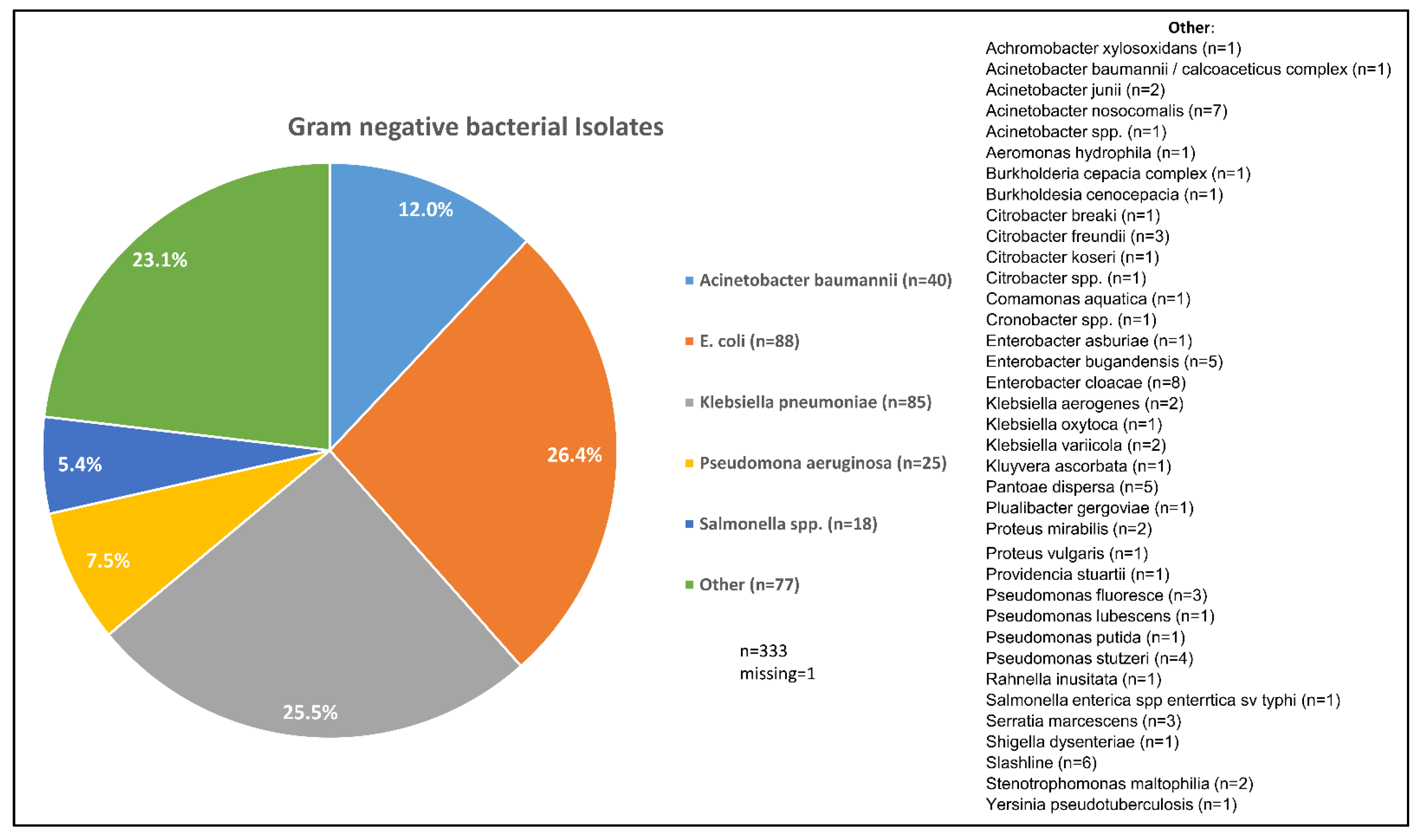
While hundreds of bacteria-drug combinations exist, a small group of "priority pathogens" accounts for the majority of the statistical burden. In 2026, the following pathogens are the primary drivers of resistance-related mortality:
- Escherichia coli: Frequently associated with urinary tract infections (UTIs) and sepsis; resistance to third-generation cephalosporins and fluoroquinolones is a major concern.
- Staphylococcus aureus: Specifically Methicillin-resistant S. aureus (MRSA), which remains a leading cause of healthcare-associated infections.
- Klebsiella pneumoniae: A major cause of hospital-acquired pneumonia, often showing resistance to carbapenems, which are considered "last-resort" antibiotics.
- Streptococcus pneumoniae: The leading cause of bacterial pneumonia globally, with increasing resistance to penicillin and macrolides.
- Acinetobacter baumannii: Highly resistant strains are frequently found in intensive care units, often leaving clinicians with no viable treatment options.
Regional Disparities and the Burden on LMICs
The statistics of AMR are not distributed evenly across the globe. Low-and-middle-income countries (LMICs) bear a disproportionate share of the burden. This disparity is driven by several factors, including limited access to high-quality antibiotics, lack of clean water and sanitation (WASH), and insufficient laboratory capacity for diagnosis and surveillance.
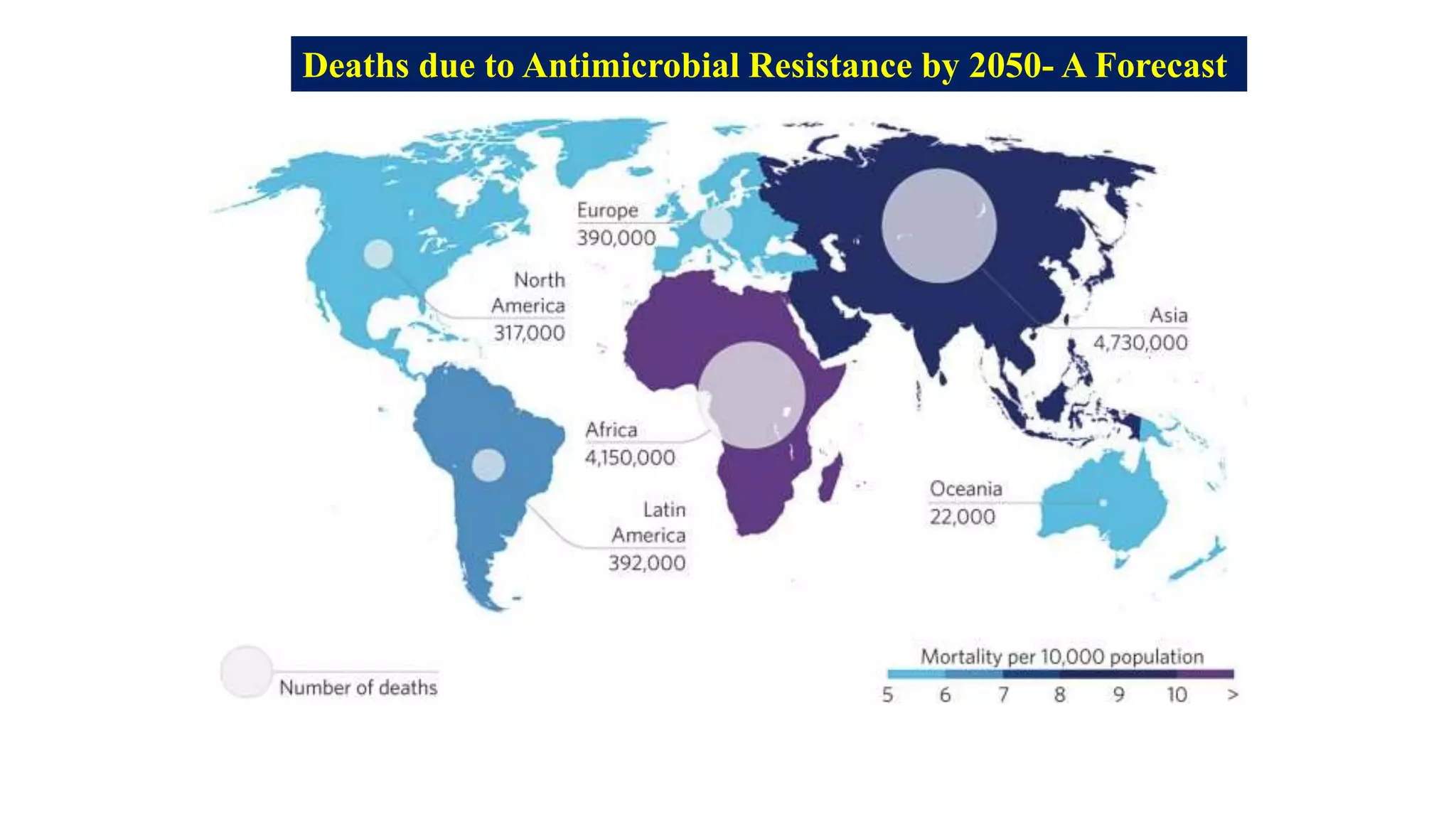
In Western Europe and North America, AMR mortality rates are generally lower, often hovering around 13 to 18 deaths per 100,000 population. In contrast, Sub-Saharan Africa and South Asia face much higher rates, frequently exceeding 23 to 28 deaths per 100,000. These regions struggle with a "double burden": a high prevalence of infectious diseases and a rapidly growing rate of resistance to the few affordable antibiotics available.
Surveillance Gaps in Developing Regions
A significant challenge in reporting accurate antimicrobial resistance statistics is the "data vacuum" in certain regions. Many LMICs lack the infrastructure to perform routine blood cultures or antibiotic susceptibility testing (AST). Consequently, the statistics for these regions often rely on predictive modeling rather than direct clinical observation. Strengthening the Global Antimicrobial Resistance and Use Surveillance System (GLASS) has been a primary focus of international health organizations heading into 2026 to bridge these data gaps.
Economic Consequences of Antimicrobial Resistance
The impact of AMR extends far beyond clinical outcomes; it is a profound economic crisis. As of 2026, the World Bank and other financial institutions track the "hidden costs" of resistance, which manifest in several ways:
- Prolonged Hospital Stays: Patients with resistant infections typically require 6 to 14 additional days of hospitalization compared to those with susceptible infections.
- Higher Treatment Costs: When first-line antibiotics fail, clinicians must turn to second- or third-line drugs. These are often significantly more expensive and may require intravenous administration, further increasing costs.
- Loss of Productivity: AMR disproportionately affects the working-age population. The resulting disability and premature mortality lead to a substantial decrease in the global labor force.
Current projections suggest that without aggressive intervention, AMR could result in a 3.8% reduction in global Gross Domestic Product (GDP) by 2050. In a "high-impact" scenario, the annual economic loss could exceed $1 trillion globally by the end of this decade.
Agricultural and Environmental Contributions
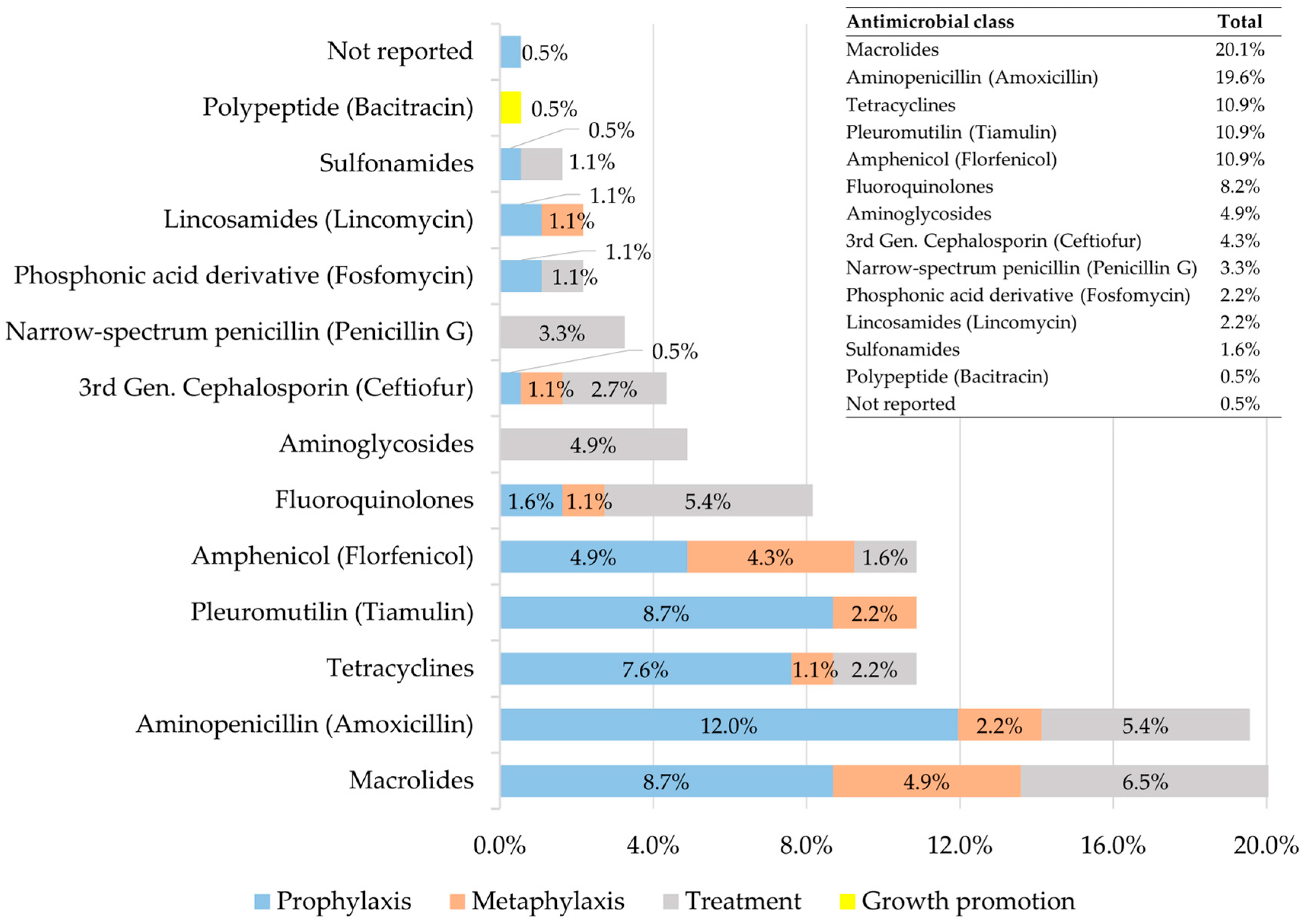
Statistics on antibiotic use reveal that the majority of these drugs are consumed not by humans, but by livestock. In 2026, data suggests that approximately 70% of all medically important antibiotics are used in animal husbandry, often for growth promotion or disease prevention in crowded conditions rather than treating sick animals.
This widespread use creates a massive environmental reservoir of resistant bacteria. Runoff from farms enters water systems, spreading resistance genes to wildlife and eventually back to human populations. Monitoring programs now track "environmental AMR," measuring the concentration of resistance genes in wastewater and soil as an early warning system for emerging clinical threats.
Comparative Statistical Overview of AMR Pathogens
The following table summarizes the estimated global impact of key resistant pathogens based on 2026 surveillance data and recent historical trends.
| Pathogen | Primary Resistance Type | Estimated Annual Global Deaths (Attributable) | Primary Setting |
|---|---|---|---|
| S. aureus | MRSA (Methicillin) | 120,000+ | Healthcare & Community |
| E. coli | ESBL / Fluoroquinolone | 200,000+ | Community & Hospital |
| K. pneumoniae | Carbapenem-resistant | 100,000+ | Healthcare (ICUs) |
| M. tuberculosis | Multi-drug resistant (MDR-TB) | 150,000+ | Community |
| A. baumannii | Carbapenem-resistant | 50,000+ | Healthcare (ICUs) |
| P. aeruginosa | Multidrug-resistant | 35,000+ | Healthcare |
The Role of Diagnostic Stewardship
A major factor in the stabilization of AMR statistics in some regions has been the rise of rapid diagnostics. Traditionally, identifying a resistant infection took 48 to 72 hours. By 2026, point-of-care molecular tests can identify resistance markers in under two hours.
Statistical analysis shows that facilities utilizing rapid diagnostics see a 25% reduction in the use of broad-spectrum "just-in-case" antibiotics. This targeted approach, known as antimicrobial stewardship, is essential for preserving the efficacy of existing drugs. However, the adoption of these technologies remains slow in resource-limited settings, where the cost of diagnostic platforms remains a barrier.
Future Projections: Heading Toward 2050
The oft-cited projection that AMR will cause 10 million deaths annually by 2050 remains a benchmark for policy discussions in 2026. While some progress has been made in high-income nations through better hygiene and stewardship, the global trajectory is still upward.
Current data modeling suggests that if the current rate of resistance in K. pneumoniae and E. coli continues to rise in South Asia and Africa, the 10 million figure may be reached sooner than 2050. The development of new antibiotics is also lagging; the "innovation gap" means that very few truly novel classes of antibiotics have reached the market in the last decade, leaving doctors to rely on modifications of existing drugs.
Frequently Asked Questions
Which country has the highest rate of antimicrobial resistance?
Statistically, countries in Sub-Saharan Africa (such as the Central African Republic and South Sudan) and parts of South Asia (like India and Pakistan) report the highest mortality rates per capita. This is due to a combination of high infectious disease prevalence and limited access to the second-line antibiotics needed to treat resistant strains.
How many people die from AMR in the United States annually?
According to the CDC’s latest reporting, more than 35,000 people die in the U.S. each year from antibiotic-resistant infections. While this is lower than in some other regions, the economic burden in the U.S. is significant, estimated at billions of dollars in excess healthcare costs.
Is antimicrobial resistance increasing or decreasing in 2026?
The trend is mixed. Resistance to older, first-line antibiotics is stabilizing in some areas due to better stewardship. However, resistance to "last-resort" drugs, such as carbapenems and colistin, is increasing globally. This shift is particularly dangerous as it leaves no remaining treatment options for certain patients.
What percentage of antibiotics are used in agriculture?
Globally, it is estimated that roughly 70% to 75% of all antibiotics are used in livestock. While many countries have banned the use of antibiotics for growth promotion, the practice continues in several major agricultural exporting nations, contributing significantly to the global resistance pool.
Can viral infections become antibiotic-resistant?
No. Antibiotics only kill bacteria. A common misconception is that antibiotics can treat viruses like the flu or COVID-19. Misusing antibiotics for viral infections is a primary driver of resistance statistics because it exposes healthy bacteria in the body to the drug, allowing them to develop and share resistance genes.
Next Actions for Healthcare Professionals and Policy Makers
To combat the rising tide of AMR statistics, a "One Health" approach is required. This involves integrating human, animal, and environmental health data. For clinicians, the priority is adhering to strict prescribing guidelines and utilizing rapid diagnostics whenever possible. For policymakers, the focus must be on incentivizing the pharmaceutical industry to develop new antibiotics and supporting LMICs in building laboratory capacity.
Individual action also plays a role. Patients should never demand antibiotics for viral infections and must complete prescribed courses exactly as directed. Reducing the global burden of AMR requires a coordinated, data-driven effort to ensure that the "miracle drugs" of the 20th century remain effective for the 21st.