Antihistamines can cause constipation because many of these medications possess anticholinergic properties that interfere with the involuntary muscle contractions of the digestive tract. By blocking acetylcholine—a neurotransmitter responsible for stimulating muscle movement in the intestines—antihistamines slow down peristalsis, the process that moves waste through the colon, resulting in harder stools and infrequent bowel movements.
The Biological Link Between Antihistamines and Digestion
To understand why a medication designed to stop a runny nose or itchy eyes affects the digestive system, one must look at how antihistamines interact with the nervous system. While their primary target is the H1 receptor to block histamine and alleviate allergy symptoms, many older antihistamines are not "selective." This means they also bind to muscarinic receptors, which are part of the parasympathetic nervous system.
The parasympathetic nervous system is often referred to as the "rest and digest" system. It relies heavily on a neurotransmitter called acetylcholine to send signals to the smooth muscles of the gastrointestinal (GI) tract. Under normal conditions, acetylcholine binds to muscarinic receptors in the gut, triggering the rhythmic contractions known as peristalsis. When an antihistamine with anticholinergic activity enters the system, it acts as a gatekeeper, blocking these receptors.
As a result, the signals for muscle contraction are muffled. The transit time of food and waste through the large intestine slows significantly. The longer waste remains in the colon, the more water the body reabsorbs from it, leading to the primary symptoms of constipation: stools that are hard, dry, and difficult to pass. This "drying" effect is not limited to the GI tract; it is the same mechanism that dries up nasal secretions and causes dry mouth (xerostomia).
Distinguishing Between Generations of Antihistamines
Not all antihistamines carry the same risk for causing constipation. The pharmaceutical industry classifies these drugs into "generations" based on when they were developed and how specifically they target histamine receptors without affecting other systems.
First-Generation Antihistamines
First-generation antihistamines, developed in the mid-20th century, are the most likely culprits for digestive issues. These medications easily cross the blood-brain barrier and have a high affinity for muscarinic receptors. Because they are non-selective, they produce widespread anticholinergic effects throughout the body.
Common examples of first-generation antihistamines include:
- Diphenhydramine (often found in Benadryl and many over-the-counter sleep aids)
- Chlorpheniramine (found in many multi-symptom cold and allergy formulas)
- Doxylamine (frequently used in nighttime cold medicines)
- Hydroxyzine (a prescription-strength medication used for severe itching or anxiety)
Because of their potency and lack of selectivity, these drugs are frequently associated with sedation, blurred vision, and significant constipation.
Second and Third-Generation Antihistamines
Second and third-generation antihistamines were engineered to be more "peripheral-selective." This means they are designed to target H1 receptors outside of the central nervous system and have a much lower affinity for muscarinic receptors. Consequently, they are less likely to cause drowsiness or the drying effects that lead to constipation.
Common examples include:
- Loratadine (Claritin)
- Cetirizine (Zyrtec)
- Fexofenadine (Allegra)
- Levocetirizine (Xyzal)
- Desloratadine (Clarinex)
While these are generally considered "low-risk" for constipation, individual sensitivity varies. Some patients may still experience mild GI slowing even with these more modern formulations, particularly at higher dosages.
Comparative Risk Table: Common Antihistamines
The following table compares common antihistamines based on their anticholinergic activity and their relative likelihood of causing constipation.
| Medication Name | Generation | Primary Use | Anticholinergic Potency | Constipation Risk |
|---|---|---|---|---|
| Diphenhydramine | First | Allergies / Sleep | High | High |
| Chlorpheniramine | First | Cold / Allergy | High | High |
| Hydroxyzine | First | Itching / Anxiety | Moderate to High | High |
| Cetirizine | Second | Daily Allergies | Very Low | Low |
| Loratadine | Second | Daily Allergies | Negligible | Very Low |
| Fexofenadine | Second | Daily Allergies | Negligible | Very Low |
| Levocetirizine | Third | Chronic Hives / Allergies | Very Low | Low |
Risk Factors and Vulnerable Populations
While anyone taking an anticholinergic antihistamine can experience constipation, certain factors increase the likelihood and severity of this side effect. In 2026, clinical guidelines continue to emphasize the importance of identifying high-risk individuals before prescribing or recommending these medications.
The Elderly and the Beers Criteria
Older adults are particularly susceptible to the side effects of antihistamines. As the body ages, the efficiency of the digestive system naturally decreases, and the "anticholinergic burden"—the cumulative effect of taking multiple medications with anticholinergic properties—becomes a significant concern. The American Geriatrics Society maintains the Beers Criteria, which explicitly recommends avoiding first-generation antihistamines in the elderly due to the risk of confusion, falls, urinary retention, and severe constipation.
Pre-existing Gastrointestinal Conditions
Individuals who already suffer from Irritable Bowel Syndrome with constipation (IBS-C), chronic idiopathic constipation, or slow-transit constipation will find that antihistamines exacerbate their symptoms. In these patients, even the minor anticholinergic effects of a second-generation antihistamine can be enough to trigger a painful flare-up or fecal impaction.
Polypharmacy and Drug Interactions
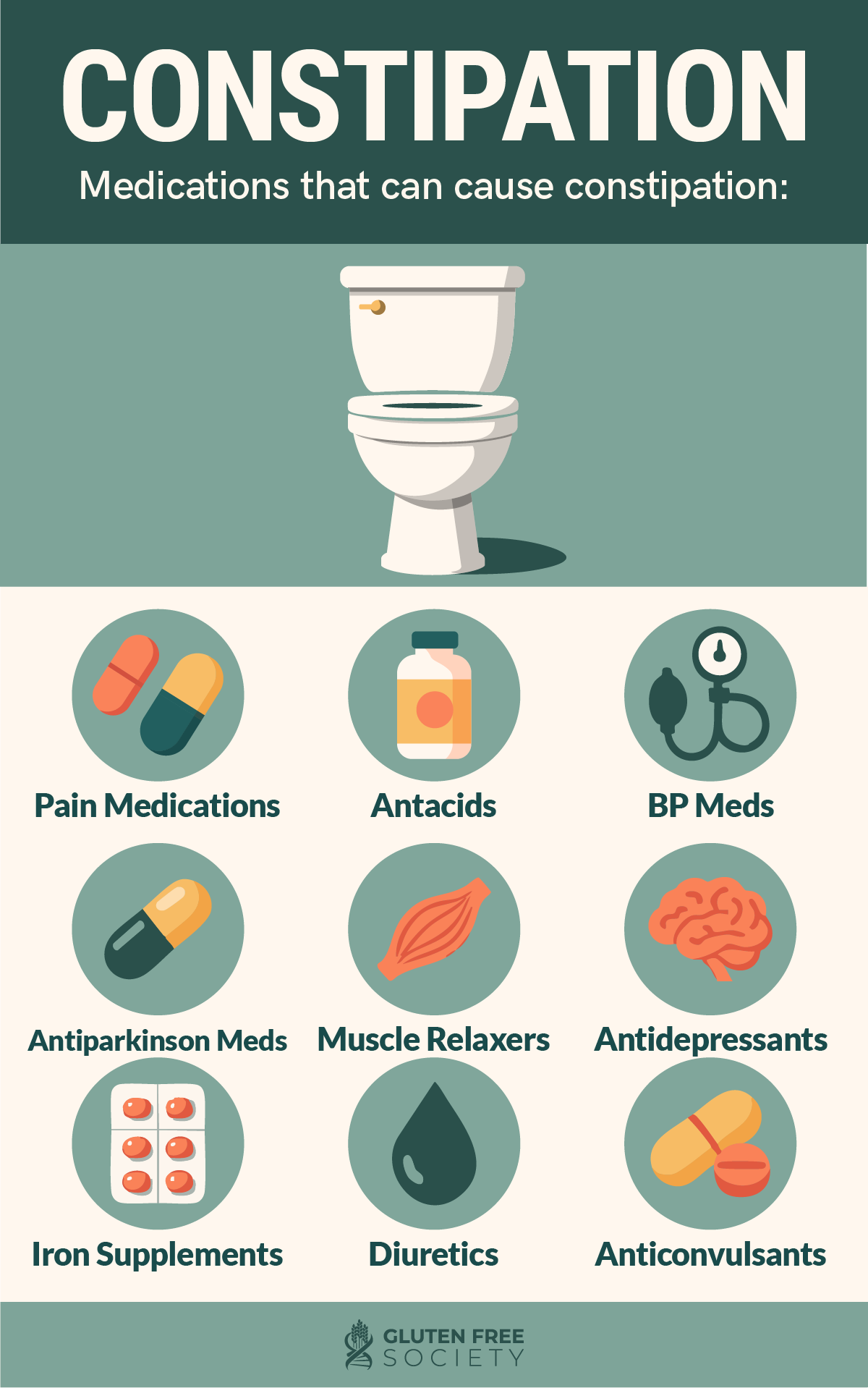
Many patients do not realize that they are taking multiple medications that all contribute to GI slowing. Combining an antihistamine with antidepressants (like amitriptyline), bladder control medications (like oxybutynin), or certain blood pressure medications can create a synergistic effect on the bowel. This cumulative slowdown is often referred to as "anticholinergic toxicity" in its more severe forms.
Practical Strategies to Manage Antihistamine-Induced Constipation
If an antihistamine is necessary to manage severe allergies or other conditions, there are several steps patients can take to mitigate the impact on their digestive system.
1. Optimize Hydration
Antihistamines are "drying" agents by nature. To counteract the systemic drying effect, it is essential to increase fluid intake. Water helps to keep the stool soft and facilitates its passage through the colon. In 2026, health standards suggest that individuals on drying medications should aim for consistent hydration throughout the day rather than drinking large amounts of water all at once.
2. Increase Soluble and Insoluble Fiber
Fiber acts as a natural bulking agent. Soluble fiber (found in oats, beans, and apples) absorbs water to create a gel-like substance that softens the stool. Insoluble fiber (found in whole grains and vegetables) adds bulk and helps "sweep" the digestive tract. When increasing fiber, it is vital to do so gradually to avoid gas and bloating, and always in conjunction with increased water intake.
3. Review the "Anticholinergic Burden"
Patients should consult with a healthcare provider to assess their total medication profile. If constipation is a persistent issue, a doctor may recommend switching from a first-generation antihistamine like diphenhydramine to a non-sedating, non-anticholinergic option like fexofenadine. In many cases, nasal steroid sprays or mast cell stabilizers can treat allergy symptoms at the source without affecting the systemic muscarinic receptors.
4. Physical Activity
Movement of the body encourages movement of the bowels. Regular aerobic exercise, such as walking, jogging, or swimming, stimulates the natural contractions of the intestinal muscles. This can help compensate for the chemical "braking" effect caused by antihistamine use.
When to Seek Medical Attention
While constipation is often a manageable side effect, it can sometimes progress to more serious complications. It is important to monitor for "red flag" symptoms that indicate a need for professional intervention.
If a patient experiences any of the following, they should contact a healthcare provider:
- Abdominal pain or cramping: Severe, persistent pain can indicate a bowel obstruction.
- Blood in the stool: This may indicate hemorrhoids caused by straining or more serious internal issues.
- Inability to pass gas: A sign of potential blockage.
- Vomiting and nausea: When combined with constipation, this suggests the digestive tract is backed up.
- Duration: Constipation that lasts longer than two weeks despite lifestyle changes and stopping the medication.
Healthcare providers may use tools like the Bristol Stool Chart to help patients categorize their symptoms and determine the severity of the transit delay.
Frequently Asked Questions
Can I take a laxative to fix antihistamine-induced constipation?
Yes, but it should be done with caution. Osmotic laxatives (like polyethylene glycol) are often preferred because they draw water into the colon to soften the stool without forcing muscle contractions. Stimulant laxatives should be used sparingly, as the body can become dependent on them. Always consult a pharmacist before combining laxatives with your regular medications.
How long does it take for constipation to resolve after stopping an antihistamine?
For most people, bowel habits return to normal within 2 to 4 days after the medication has cleared the system. First-generation antihistamines like diphenhydramine have a relatively short half-life, but their effects on the gut can linger until the smooth muscles of the GI tract regain their normal sensitivity to acetylcholine.
Are nasal spray antihistamines safer for my digestion?
Generally, yes. Nasal antihistamines (like azelastine) act locally in the nasal passages. While a small amount may be absorbed systemically, the concentration is usually much lower than that of an oral pill, significantly reducing the risk of systemic side effects like constipation or dry mouth.
Does the dosage of the antihistamine matter?
Yes, the risk of constipation is dose-dependent. Higher doses of antihistamines lead to more significant blockages of muscarinic receptors. If you find that a standard dose is causing GI issues, speak with your doctor about whether a lower dose or a different class of allergy medication (like a leukotriene inhibitor) might be effective.
Is there a "best" antihistamine for people prone to constipation?
Fexofenadine (Allegra) and Loratadine (Claritin) are widely considered the least likely to cause constipation. These third and second-generation drugs have the lowest anticholinergic activity and do not easily interfere with the neurotransmitters that manage gut motility.
Recommendation for Next Actions
If you are experiencing constipation while taking an antihistamine, the first step is to identify the generation of the drug you are using. If it is a first-generation medication like diphenhydramine or chlorpheniramine, consider switching to a second-generation alternative such as fexofenadine or loratadine after consulting with a healthcare professional. Ensure you are drinking at least 8 to 10 glasses of water daily and gradually increasing your dietary fiber. If symptoms do not improve within 72 hours of switching medications, or if you experience severe abdominal pain, seek medical advice to rule out more serious complications.