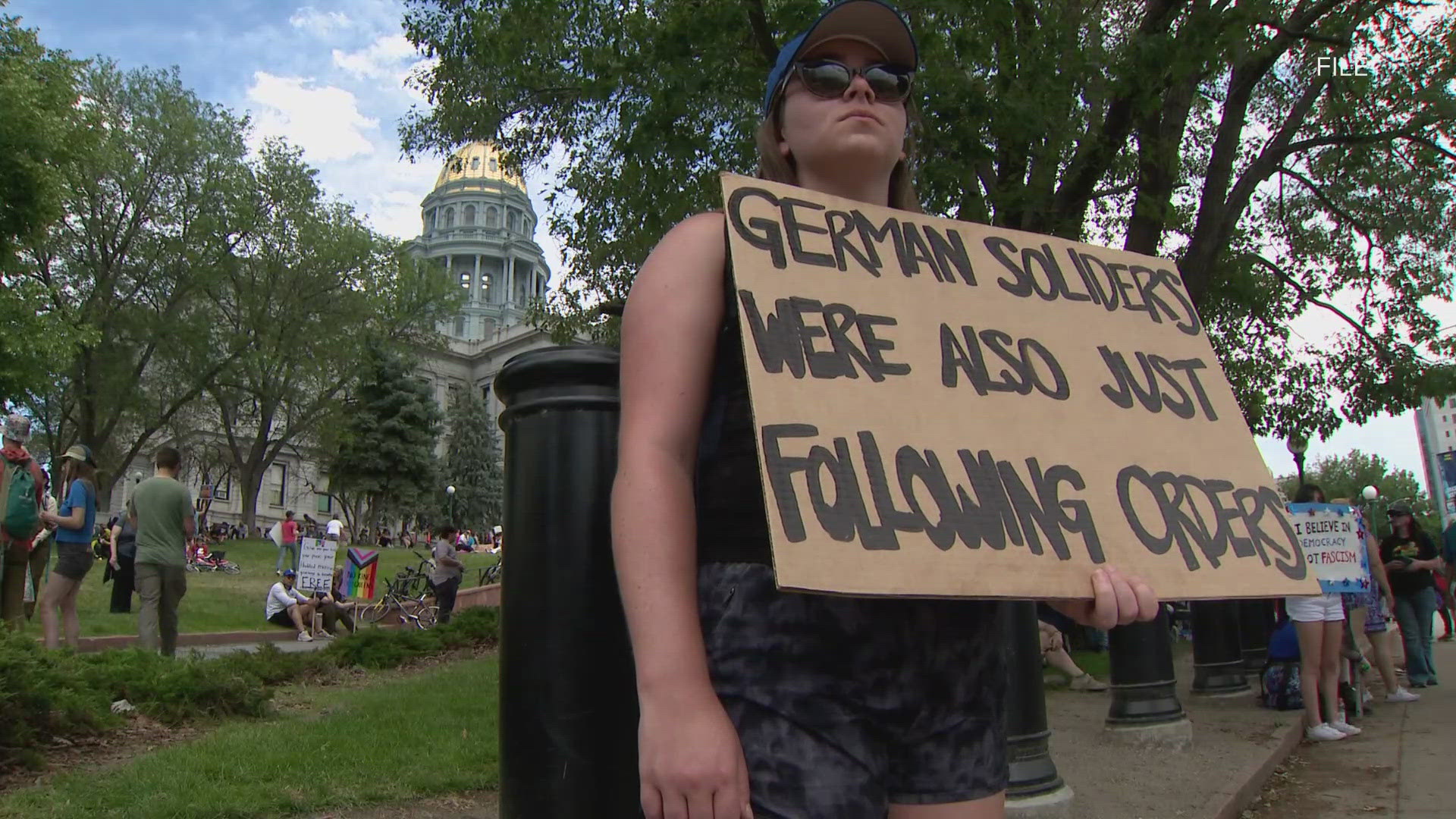
Antifa targets focus primarily on individuals, organizations, and institutions they categorize as fascist, white supremacist, or authoritarian. Through decentralized direct action, these activists aim to disrupt activities they believe propagate hate speech or systemic oppression, often focusing on far-right political rallies, corporate symbols of capitalism, and law enforcement agencies perceived as upholding inequitable power structures.
To understand the targets of Antifa, one must first recognize that "Antifa" is not a centralized organization with a headquarters or a formal leadership hierarchy. Instead, it is a decentralized movement or a "set of tactics" used by various autonomous groups and individuals. In 2026, the movement continues to operate on the principle of "direct action"—the idea that citizens should take immediate steps to stop what they perceive as harmful political developments rather than relying solely on the state or electoral politics. Because there is no central command, targets are often identified locally or through digital networks, leading to a focus that shifts based on current social and political tensions.
Defining the Antifa Framework: Decentralized Resistance
The focus of Antifa is rooted in a specific ideological framework that views fascism not just as a historical relic of the 1930s and 40s, but as an ever-present threat that manifests in modern nationalism, racism, and xenophobia. By 2026, the movement has adapted to a digital-first environment, but its core mission remains the same: the physical and digital disruption of those they deem to be fascist "organizers."
Understanding who Antifa targets requires an understanding of their definition of "fascism." Unlike some political scientists who use a narrow definition, Antifa adherents often apply a broader lens that includes white nationalist groups, certain types of right-wing populism, and institutions they believe enable these ideologies. This breadth is intentional; it allows for a wide range of targets that the movement views as part of a singular, interconnected web of oppression.
The decentralized nature of the movement means that a target in Portland, Oregon, might look very different from a target in Berlin or London. However, the underlying logic—denying a platform to those perceived as dangerous—is the consistent thread. In the current 2026 landscape, this focus has expanded from street-level brawling to sophisticated digital campaigns aimed at de-platforming figures before they can even hold a public event.
Core Philosophical Targets: Identifying "Fascism"
The primary focus of Antifa is the identification and neutralization of what they call "the fascist threat." This category is broad and encompasses several distinct groups and individuals.
Far-Right Organizations and White Nationalist Groups
Historically and into 2026, the most visible targets are organized far-right groups. These include organizations that openly advocate for white ethnostates, neo-Nazi groups, and militias that align with "alt-right" or "ultra-nationalist" ideologies. Antifa groups monitor these organizations' recruitment efforts, online forums, and public demonstrations.
The focus here is disruption. When a white nationalist group plans a rally, Antifa’s target is the event itself. The goal is to make the event logistically impossible to hold, either through counter-protests that physically block the venue or by pressuring the venue owners to cancel the booking. This is often referred to as "no-platforming." By 2026, this has evolved into "pre-emptive de-platforming," where activists identify emerging leaders within these groups and target their ability to communicate online or access financial services.
Individual Figures and Public Intellectuals
Antifa also focuses on individuals they describe as "fascist enablers" or "pseudo-intellectuals" who provide a veneer of respectability to far-right ideas. This target category includes pundits, authors, and social media influencers who may not explicitly claim a fascist identity but whose rhetoric aligns with nationalist or exclusionary policies.
Targeting these individuals often takes the form of "doxing"—researching and publicizing an individual’s private information, such as their home address, workplace, and phone number. The intent is to create social and economic consequences for the individual’s perceived alignment with far-right ideologies. In 2026, the focus has shifted toward figures who leverage AI-driven misinformation, as Antifa groups view the manipulation of digital discourse as a primary tool of modern authoritarianism.
Institutional and Systemic Targets
Beyond specific groups and individuals, Antifa often focuses on institutions that they believe represent or protect the interests of a fascist or oppressive state. This marks the transition from "anti-fascism" to a broader "anti-authoritarian" and "anti-capitalist" focus.
Law Enforcement and State Apparatus
Law enforcement agencies are a frequent target of Antifa’s focus, though the nature of the "targeting" is different from how they treat far-right groups. Antifa adherents often view the police as the "protectors of the state" and, by extension, the protectors of the status quo that allows fascism to breathe.
During protests, the police often become the primary focus of confrontation. Antifa sees the presence of police at far-right rallies as proof of state complicity; from their perspective, the police are there to protect the fascists' right to speak, while suppressing the anti-fascists' right to stop them. This leads to a strategic focus on documenting police actions, identifying individual officers (often those accused of brutality), and advocating for the abolition or significant defunding of law enforcement institutions.
Corporate Entities and Symbols of Capitalism
Because many Antifa participants identify as anarchists or socialists, their focus frequently extends to corporate targets. Multinational corporations, banks, and symbols of "gentrification" are seen as part of the systemic framework that perpetuates inequality and provides the economic conditions under which fascism thrives.
Targeting these entities often involves property damage, such as smashing windows of high-end retail stores or banks during civil unrest. This is not viewed by the movement as "senseless violence" but as a targeted strike against the "capitalist machinery." In 2026, this has increasingly included technology companies that Antifa believes are complicit in state surveillance or the algorithmic promotion of far-right content.
Tactics Used to Engage Targets
The methods Antifa uses to address their targets are as varied as the targets themselves. These tactics are often categorized as "direct action," meaning they are intended to produce an immediate result without waiting for institutional intervention.
Doxing and Digital Exposure
Doxing remains one of the most effective tools in the Antifa arsenal. By exposing the identities of people who participate in far-right rallies or engage in anonymous online hate speech, activists aim to isolate these individuals from their communities. This often leads to the target losing their job or being ostracized by friends and family. Antifa groups argue that this is a necessary self-defense mechanism for marginalized communities who are directly threatened by these individuals.
Counter-Protest and Physical Confrontation
While digital tactics are prevalent, the physical counter-protest remains a cornerstone of Antifa’s focus. The strategy is to "out-number and out-shout." By showing up in large numbers, often wearing "black bloc" (all-black clothing and face coverings to maintain anonymity and solidarity), Antifa aims to physically occupy the space where a far-right group intended to meet.
Physical confrontation is a controversial aspect of the movement. Adherents argue that "militant anti-fascism" is a legitimate form of self-defense against ideologies that advocate for the elimination of certain groups of people. Critics, however, point to these confrontations as a source of civil instability and a violation of free speech rights.
Comparison of Antifa Target Categories and Tactics
| Target Category | Primary Focus/Goal | Common Tactics Employed |
|---|---|---|
| Far-Right Groups | Disruption of recruitment and rallies. | Counter-protesting, physical blockage, venue pressure. |
| Individuals | Social and economic de-platforming. | Doxing, contacting employers, social media reporting. |
| Law Enforcement | Documentation of perceived state oppression. | Filming interactions, identifying officers, protest confrontation. |
| Corporate Entities | Symbolic strikes against "capitalist" power. | Property damage (vandalism), boycotts, digital disruption. |
| Institutional Media | Opposing "normalization" of far-right views. | Pressure campaigns against advertisers, public criticism. |
The Evolution of Focus: 2020 to 2026
The focus of Antifa has not remained static. Between 2020 and 2026, several shifts occurred in how targets are selected and engaged. Following the massive civil unrest of 2020, there was a heightened focus on "community defense." This involved Antifa-aligned groups moving away from large-scale city center protests and focusing more on localized efforts, such as protecting drag shows, supporting tenant unions, or opposing local school board members they deemed to be far-right.
By 2026, the movement has also become more technologically sophisticated. The use of encrypted communication and decentralized finance (DeFi) has allowed these groups to coordinate and fund their activities while avoiding state surveillance. Consequently, their targets have also become more digital. They focus on the infrastructure of the internet—hosting providers, domain registrars, and payment processors—to force the removal of content they deem "fascist."
Identifying and Responding to Potential Confrontations
For the general public or local officials, understanding Antifa's focus is key to managing potential conflicts. Because Antifa’s focus is reactive—meaning they respond to the presence of perceived fascism—their activity levels fluctuate based on the visibility of far-right organizing.
- Event Analysis: Most Antifa activity is centered around specific events. If a controversial speaker or a known nationalist group schedules an appearance, it is almost certain that local Antifa groups will make that event a target.
- Location Sensitivity: Areas that have a history of radical activism or "autonomous zones" are more likely to see sustained focus on local government or police targets.
- Digital Footprint: Antifa groups often announce their focus on social media platforms (or decentralized alternatives like Mastodon or Matrix). Monitoring these channels provides the clearest indication of who or what is currently being targeted.
Legal and Societal Implications
The targeting practices of Antifa exist in a legal gray area. While counter-protesting is a protected right in most democratic societies, activities like doxing and property damage are illegal. However, the decentralized nature of the movement makes it difficult for law enforcement to prosecute these groups as cohesive entities.
From a societal perspective, the focus of Antifa is a subject of intense debate. Supporters view them as a necessary "immune system" for democracy, stepping in where the law fails to stop the rise of hate groups. Critics argue that their broad definition of fascism allows them to target anyone with whom they disagree, leading to political polarization and a breakdown of the "marketplace of ideas."
As of 2026, several jurisdictions have attempted to pass legislation specifically targeting "masked protesters," but these laws have faced significant constitutional challenges. The debate over Antifa's focus is, at its heart, a debate over the limits of political expression and the legitimacy of extra-judicial action in a modern state.
Frequently Asked Questions
Does Antifa have a central leadership that chooses targets?
No. Antifa is a decentralized movement. Decisions on who to target are made by local chapters or autonomous collectives. There is no national or international "president" or "board" that issues orders. This makes the movement highly adaptable but also inconsistent in its focus from one city to another.
Are all conservatives considered targets by Antifa?
Generally, no. While the definition of "fascist" can be broad within the movement, most Antifa activists distinguish between mainstream conservatism and what they call "far-right extremism." However, tensions often arise when mainstream conservative events are perceived to be providing a platform for more radical elements, leading to "collateral" targeting of conservative venues or speakers.
Why does Antifa target property like windows or statues?
From the perspective of many Antifa adherents, particularly those with anarchist leanings, property is not more valuable than human lives or social justice. Targeting symbols of corporate power or historical monuments associated with colonialism is seen as a way to "attack the system" and force a conversation about the underlying structures of society.
How do Antifa groups find the information they use for doxing?
Activists use "open-source intelligence" (OSINT) techniques. This includes scouring public social media profiles, checking voter registration records, utilizing facial recognition software on protest photos, and cross-referencing information leaked in data breaches. In 2026, AI tools have made this process significantly faster and more accurate.
Is Antifa's focus only on the United States?
No. The modern Antifa movement has its roots in Europe, specifically Germany and the UK, following World War II. While it gained significant visibility in the U.S. over the last decade, there are active Antifa collectives throughout Europe, South America, and parts of Asia, all focusing on local manifestations of authoritarianism and nationalism.
Can someone be "kicked out" of Antifa?
Because it is not a formal organization, there is no official mechanism for removal. However, a person can be "called out" or "canceled" by the broader community if they are found to have violated the movement's principles (e.g., being revealed as a police informant or holding bigoted views themselves). This effectively removes their ability to coordinate with the decentralized network.
Practical Recommendation
To understand the focus of Antifa in a specific context, one should analyze the local political climate. If there is a perceived rise in far-right activity or controversial police actions, Antifa activity will likely follow. For journalists, researchers, or public safety officials, the most effective way to track these shifts is by following the discourse on decentralized social media platforms and monitoring the specific "calls to action" issued by local autonomous collectives. Understanding that their focus is primarily reactive and ideologically driven is essential for navigating the complex dynamics of modern political protest.