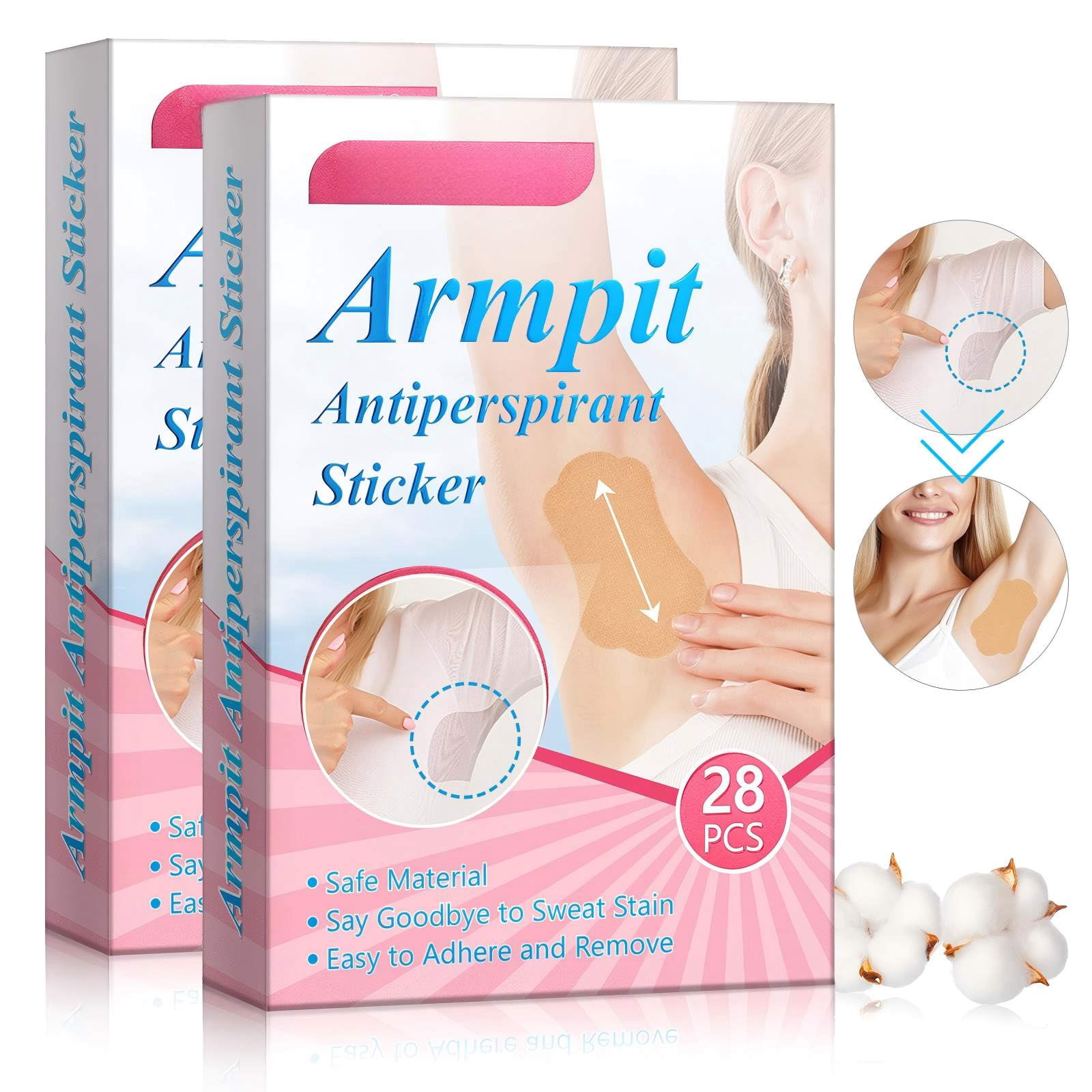
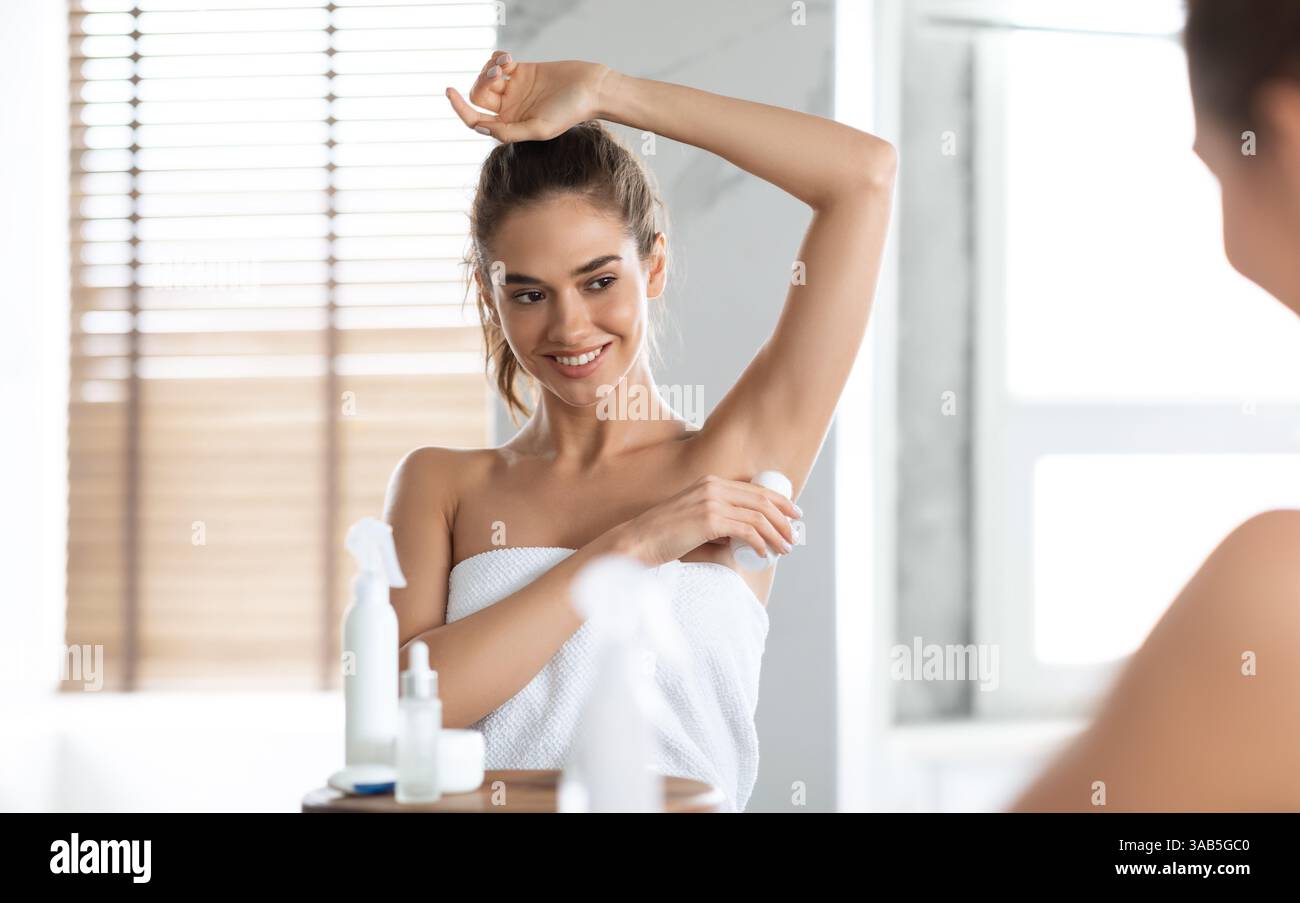
Antiperspirants for armpits work by using aluminum-based salts to temporarily plug sweat ducts, significantly reducing the amount of moisture that reaches the skin's surface. Unlike deodorants, which only mask odor, antiperspirants actively control perspiration. For optimal results in 2026, these products should be applied to clean, dry skin, preferably before bedtime.
Understanding the Mechanism: How Antiperspirant Controls Sweat
To understand why antiperspirants are essential for many individuals, one must first understand the biology of sweating. The human body contains two primary types of sweat glands: eccrine and apocrine. Eccrine glands are distributed across most of the body and produce a clear, odorless fluid primarily composed of water and salt to regulate body temperature. Apocrine glands, located mostly in the armpits and groin, produce a thicker fluid rich in proteins and lipids. When bacteria on the skin surface break down this fluid, it produces the characteristic odor we associate with "body odor."
The primary active ingredients in antiperspirants are aluminum-based compounds, such as aluminum zirconium tetrachlorohydrex gly or aluminum chloride. When you apply an antiperspirant to your armpits, these salts dissolve into the moisture on the skin's surface or inside the sweat duct. This creates a chemical reaction that forms a shallow, gel-like "plug" within the sweat gland. This plug acts as a physical barrier, preventing sweat from escaping the duct and reaching the skin surface.
As of 2026, the efficacy of these plugs is well-documented. They are not permanent; they naturally slough off over time through the skin’s normal exfoliation process or are washed away during bathing. This is why daily or semi-regular application is required to maintain sweat control.
Antiperspirant vs. Deodorant: Key Differences
It is a common misconception that antiperspirants and deodorants are the same. While many modern products are "combination" formulas (antiperspirant-deodorants), they serve two distinct functions.
Deodorants are classified as cosmetics by the FDA because they do not change the body's function; they simply mask odor. They typically contain antimicrobial agents to reduce the number of bacteria on the skin and fragrances to cover up any smells that do occur. They do nothing to stop the flow of sweat.
Antiperspirants, however, are classified as over-the-counter (OTC) drugs because they affect the function of the body by suppressing the sweat glands. If your primary concern is wetness or sweat patches on clothing, a standalone deodorant will not suffice. You require the sweat-blocking properties of an antiperspirant. Conversely, if you do not sweat much but struggle with odor, a deodorant may be all you need.
Types of Antiperspirants and Formulations
The delivery method of an antiperspirant can significantly impact its efficacy and how it feels on the skin. In 2026, consumers have access to several specialized delivery systems:
- Sticks and Solids: The most common form, these are easy to apply and often provide a dry feel immediately. "Invisible solids" are formulated to reduce the white residue that often transfers to clothing.
- Roll-ons: These liquid formulas are applied via a rolling ball. They often feel cooler and wetter upon application but can be more effective at delivering active ingredients deep into the skin's pores.
- Aerosol Sprays: Modern sprays have moved away from ozone-depleting CFCs and now use dry-spray technology. They dry almost instantly and are often preferred for shared use or for application on other parts of the body.
- Gels: These clear formulas provide high-strength protection without the waxy buildup of solids. However, they may take longer to dry.
- Clinical Strength: These contain higher concentrations of aluminum salts (typically 12% to 20%) and are designed for those with heavy sweating. They are the strongest products available without a doctor's prescription.
Ingredients to Look For and Avoid
When selecting an antiperspirant for armpits, the ingredient list is your most important tool. The active ingredient concentration determines the product’s "strength."
Active Ingredients
- Aluminum Zirconium Tetrachlorohydrex Gly: Common in solids and sticks; it is effective and generally less irritating than other salts.
- Aluminum Chloride: Usually found in prescription or high-end clinical sprays. It is highly effective but can cause significant skin irritation if the skin is damp during application.
- Aluminum Sesquichlorohydrate: A milder salt often used in products marketed for sensitive skin.
Supporting Ingredients
- Emollients: Ingredients like dimethicone or sunflower seed oil help soothe the skin and reduce the "scratchy" feeling that can occur after the product dries.
- Antimicrobials: Silver ions or tea tree oil may be added to help kill odor-causing bacteria.
- Alcohol: Often used in sprays and roll-ons to help the product dry faster. However, it can be very drying and irritating for those with eczema or sensitive skin.
Step-by-Step Guide for Maximum Efficacy
Most people apply antiperspirant in the morning after their shower, but according to dermatological standards in 2026, this is actually the least effective time. To get the most out of your product, follow these steps:
- Apply at Night: Sweat glands are less active while you sleep, and your skin is generally drier. This allows the aluminum salts to enter the sweat ducts and form the gel plugs more effectively without being washed away by immediate perspiration.
- Ensure Skin is Bone Dry: Applying antiperspirant to damp skin can lead to skin irritation. When aluminum salts react with water on the skin surface rather than inside the duct, they can form a mild hydrochloric acid, which causes that "stinging" or "itching" sensation. Use a towel or even a hairdryer on a cool setting to ensure the armpit is completely dry.
- Shave Carefully: Do not apply high-strength antiperspirant immediately after shaving the armpits. Shaving creates micro-tears in the skin, and the chemicals in the antiperspirant can cause intense irritation or rashes. Wait at least 12–24 hours after shaving before applying clinical-strength formulas.
- Consistency is Key: For clinical or prescription-strength products, you may only need to apply them 2-3 times a week once the sweat-blocking effect is established. For standard OTC products, daily application is usually necessary.
Comparing Antiperspirant Strength and Efficacy
| Category | Typical Active Ingredient % | Best For | Potential Side Effects |
|---|---|---|---|
| Standard OTC | 10% - 12% | Average daily activity; mild sweaters. | Minimal; possible fragrance sensitivity. |
| Clinical Strength | 15% - 20% | Athletes; heavy sweaters; high-stress environments. | Occasional itching or dryness. |
| Prescription (Drysol, etc.) | 20% - 30% | Diagnosed Hyperhidrosis (excessive sweating). | Significant irritation; skin redness. |
| Natural "Alternatives" | 0% Aluminum | Light activity; focus on odor only. | No sweat-blocking; relies on powders. |
Managing Excessive Sweating (Hyperhidrosis)
If standard and clinical-strength antiperspirants for armpits fail to control moisture, you may be dealing with axillary hyperhidrosis. This is a medical condition where the sweat glands are overactive regardless of temperature or stress levels.
In 2026, the treatment ladder for hyperhidrosis typically starts with 20% aluminum chloride hexahydrate (prescription strength). If this is still insufficient, dermatologists may recommend:
- Iontophoresis: A medical device that uses a light electrical current to temporarily "shut down" sweat glands.
- Botox Injections: Botulinum toxin can be injected into the armpits to block the chemical signals from the nerves that stimulate sweat glands. The effects typically last 6 to 9 months.
- miraDry: A non-invasive procedure that uses thermal energy (microwave technology) to permanently eliminate sweat and odor glands in the underarm.
- Oral Medications: Anticholinergic drugs can reduce sweating body-wide, though they often come with side effects like dry mouth or blurred vision.
Addressing Common Health Concerns and Myths
Over the years, various claims have circulated regarding the safety of aluminum in antiperspirants, specifically linking them to breast cancer and Alzheimer’s disease.
According to the American Cancer Society and the National Cancer Institute, there is no conclusive clinical evidence that the use of underarm antiperspirants leads to breast cancer. The theory was that aluminum absorbed through the skin near the breast could have estrogen-like effects, but studies have consistently failed to show that aluminum levels in breast tissue are higher in women with cancer than those without.
Similarly, the Alzheimer’s Association has stated that studies have failed to confirm a link between aluminum exposure and the development of Alzheimer’s. Most aluminum exposure actually comes from food and antacids, and very little is absorbed through the skin from antiperspirants.
Preventing Yellow Pit Stains and Skin Irritation
The frustrating yellow stains on the armpits of white shirts are not actually caused by sweat alone. They are the result of a chemical reaction between the aluminum in your antiperspirant and the proteins in your sweat.
To prevent these stains:
- Switch to a lower-aluminum formula: If you don't sweat heavily, you may not need the high concentration that causes staining.
- Allow the product to dry completely: Don't put your shirt on until the antiperspirant has settled on your skin.
- Wash shirts immediately: Don't let sweat-soaked shirts sit in the hamper for days, as this allows the chemical bond to set.
For skin irritation, look for "fragrance-free" or "hypoallergenic" labels. Many "unscented" products still contain masking fragrances that can trigger contact dermatitis. True fragrance-free products are the safest bet for sensitive armpit skin.
Frequently Asked Questions
Is it healthy to stop yourself from sweating?
Yes, it is generally safe. The armpits contain only a tiny fraction of the body's total sweat glands (about 2%). Blocking these glands does not interfere with your body’s ability to thermoregulate, as the other millions of glands across your back, legs, and arms will continue to function normally.
Why does my antiperspirant stop working after a few months?
Some people feel they develop a "tolerance" to their antiperspirant. While your body doesn't build a biological tolerance, your hormonal levels or stress levels may change, increasing sweat production. Additionally, if you don't wash off the old product thoroughly, buildup can prevent new applications from reaching the sweat ducts effectively.
Can I use antiperspirant on other parts of my body?
While most products are labeled for the armpits, many are safe for use on the hands, feet, or chest. However, be cautious when applying to sensitive areas or mucous membranes. Sprays are often the easiest format for non-underarm application. Always perform a patch test first.
Are "natural" deodorants the same as antiperspirants?
No. Products labeled "natural" or "aluminum-free" are strictly deodorants. They may contain powders like cornstarch or arrowroot to absorb some moisture, but they cannot legally or physically block sweat production. If you have a significant sweat problem, a natural deodorant will likely leave you feeling wet.
Does shaving help with sweat and odor?
Shaving does not reduce the amount of sweat produced, but it can reduce odor. Hair has a high surface area that traps sweat and provides a breeding ground for bacteria. By removing the hair, the bacteria have fewer places to hide, and the sweat can evaporate more quickly, which may indirectly help with the "feeling" of wetness.
Final Recommendation for 2026
When choosing an antiperspirant for armpits, start with a standard solid or roll-on from a reputable brand. If you find that you are still experiencing wetness through your clothing by midday, upgrade to a Clinical Strength formula. For the best results, always apply the product to completely dry skin at night before you go to sleep. If you experience persistent irritation or if even clinical-strength products fail to work, consult a dermatologist to discuss medical-grade options such as prescription aluminum chloride or procedural treatments like Botox.