While antidepressants are designed to alleviate symptoms of clinical depression, they do not "cause" the underlying disease in a traditional sense. However, for some individuals, these medications can trigger paradoxical reactions, such as increased suicidal ideation, emotional blunting, or a phenomenon known as tardive dysphoria. Understanding these complex interactions is essential for safe and effective mental health management in 2026.
The Paradox of Antidepressant-Induced Symptoms
The relationship between antidepressant medication and the symptoms of depression is not always a straight line toward improvement. While millions of people find relief through pharmacological intervention, a significant minority experiences what clinicians call "paradoxical effects." These are reactions that are the opposite of what is expected from the treatment.
When a patient reports that their "antidepressant is making them more depressed," they are often experiencing a specific subset of side effects or physiological changes. It is crucial to distinguish between the medication causing the disease of depression and the medication inducing symptoms that mimic or exacerbate a depressive state. In many cases, the brain’s compensatory mechanisms—its attempt to balance the influx of neurotransmitters—can lead to a temporary or even long-term shift in mood regulation that feels indistinguishable from the original illness.
The FDA Black Box Warning and Suicidality
One of the most serious concerns regarding antidepressants is the risk of increased suicidal thoughts and behaviors, particularly in children, adolescents, and young adults under the age of 25. This risk led the U.S. Food and Drug Administration (FDA) to implement a "Black Box Warning"—its most stringent advisory—on all antidepressant medications.
Why Does This Happen?
The mechanism behind this increased risk is often attributed to a "discordant recovery." Antidepressants frequently improve physical energy and motivation before they improve mood. A patient who was previously too lethargic to act on suicidal ideation may suddenly find themselves with the physical energy to do so while their outlook remains bleak. Additionally, certain medications can cause "akathisia," a state of severe internal restlessness and agitation that can drive a person toward desperate thoughts.
Clinical Monitoring in 2026
In current clinical practice, the first few weeks of starting a new prescription or adjusting a dosage are considered the highest-risk periods. Providers look for signs of:
- Extreme agitation or panic attacks.
- New or worsening irritability.
- An impulsive or dangerous increase in activity.
- Insomnia that prevents any restorative rest.
Emotional Blunting: The "Numb" Effect
A common complaint among patients on Selective Serotonin Reuptake Inhibitors (SSRIs) is a phenomenon known as emotional blunting. Rather than feeling "happy," patients report feeling "flat" or "numb." They may find they can no longer cry at sad events, but they also cannot feel joy or excitement.
The Serotonin-Dopamine Balance
This state occurs because high levels of serotonin can sometimes inhibit the release of dopamine in certain parts of the brain, such as the reward centers. Because dopamine is the primary neurotransmitter associated with pleasure and motivation, reducing its efficacy can create a state that feels very similar to the "anhedonia" (inability to feel pleasure) found in severe depression. Patients often mistake this medication-induced apathy for a worsening of their depression, leading to a cycle of increasing dosages that may actually exacerbate the numbness.
Understanding Tachyphylaxis (The "Poop-Out" Effect)
In long-term treatment, some patients find that a medication that worked effectively for years suddenly stops working. This is medically termed tachyphylaxis, but it is colloquially known as "antidepressant poop-out."
Mechanisms of Tolerance
The human brain is remarkably adaptive. When it is consistently flooded with a drug that prevents the reuptake of serotonin or norepinephrine, the brain may respond by "downregulating" its receptors. Essentially, it reduces the number of available receptors or makes them less sensitive to the neurotransmitters. When this happens, the patient's depressive symptoms return, often more severely than before, because the brain has lost its natural equilibrium and the medication is no longer providing the boost it once did.
Managing Tachyphylaxis
Managing this requires more than just increasing the dose. In 2026, many practitioners prefer:
- Switching Classes: Moving from an SSRI to an SNRI (Serotonin-Norepinephrine Reuptake Inhibitor) or an atypical antidepressant.
- Augmentation: Adding a secondary medication, like a low-dose mood stabilizer or an atypical antipsychotic, to "kickstart" the primary antidepressant.
- Medication Holidays: Under strict supervision, tapering off the drug to allow the brain to reset its receptor sensitivity.
Tardive Dysphoria: Can Long-Term Use Be Counterproductive?
A more controversial theory in neuropsychopharmacology is tardive dysphoria. Proposed by researchers like Giovanni Fava, this theory suggests that in some patients, long-term use of antidepressants may actually induce a chronic, treatment-resistant depressive state.
The hypothesis is that the brain’s compensatory mechanisms become so aggressive in fighting the drug's effects that they create a pro-depressive environment. This is similar to "tardive dyskinesia," where long-term use of antipsychotics causes the very movement disorders they were meant to prevent. While still a subject of debate, tardive dysphoria is often cited as a reason why some patients seem to get worse the longer they stay on a specific medication or the more "drug switches" they undergo.
Misdiagnosis and the Bipolar Connection
One of the most frequent reasons an antidepressant appears to "cause" depression (or something worse) is a misdiagnosis of Bipolar Disorder. If a patient experiencing a depressive episode actually has Bipolar II or Bipolar I, treating them with a standard antidepressant without a mood stabilizer can be disastrous.
The Risk of Mixed States
In these cases, the antidepressant can trigger a "manic switch" or, more commonly, a "mixed state." A mixed state is a dangerous combination of high-energy mania and low-mood depression. The patient feels the profound sadness and hopelessness of depression but has the racing thoughts and physical agitation of mania. This is often described by patients as the "worst depression of their life," even though it is technically a medication-induced mood cycle.
Antidepressant Discontinuation Syndrome vs. Relapse
When patients stop taking their medication, they often experience a "crash" that they interpret as their depression returning. However, this is frequently Antidepressant Discontinuation Syndrome.
Because the brain has adjusted to the presence of the medication, removing it abruptly causes a physical and neurological shock. Symptoms include:
- "Brain zaps" (electrical-like sensations in the head).
- Extreme irritability and mood swings.
- Flu-like symptoms.
- Vivid dreams or insomnia.
Because these symptoms are so distressing, patients often believe they "need" the drug to stay sane, not realizing they are actually experiencing a withdrawal process that can last from weeks to months. Distinguishing between a true relapse of the original depression and a withdrawal syndrome is one of the most difficult tasks in modern psychiatry.
Comparing Antidepressant Classes and Their Associated Risks
The following table outlines how different classes of antidepressants can contribute to symptoms that may be perceived as worsening depression.
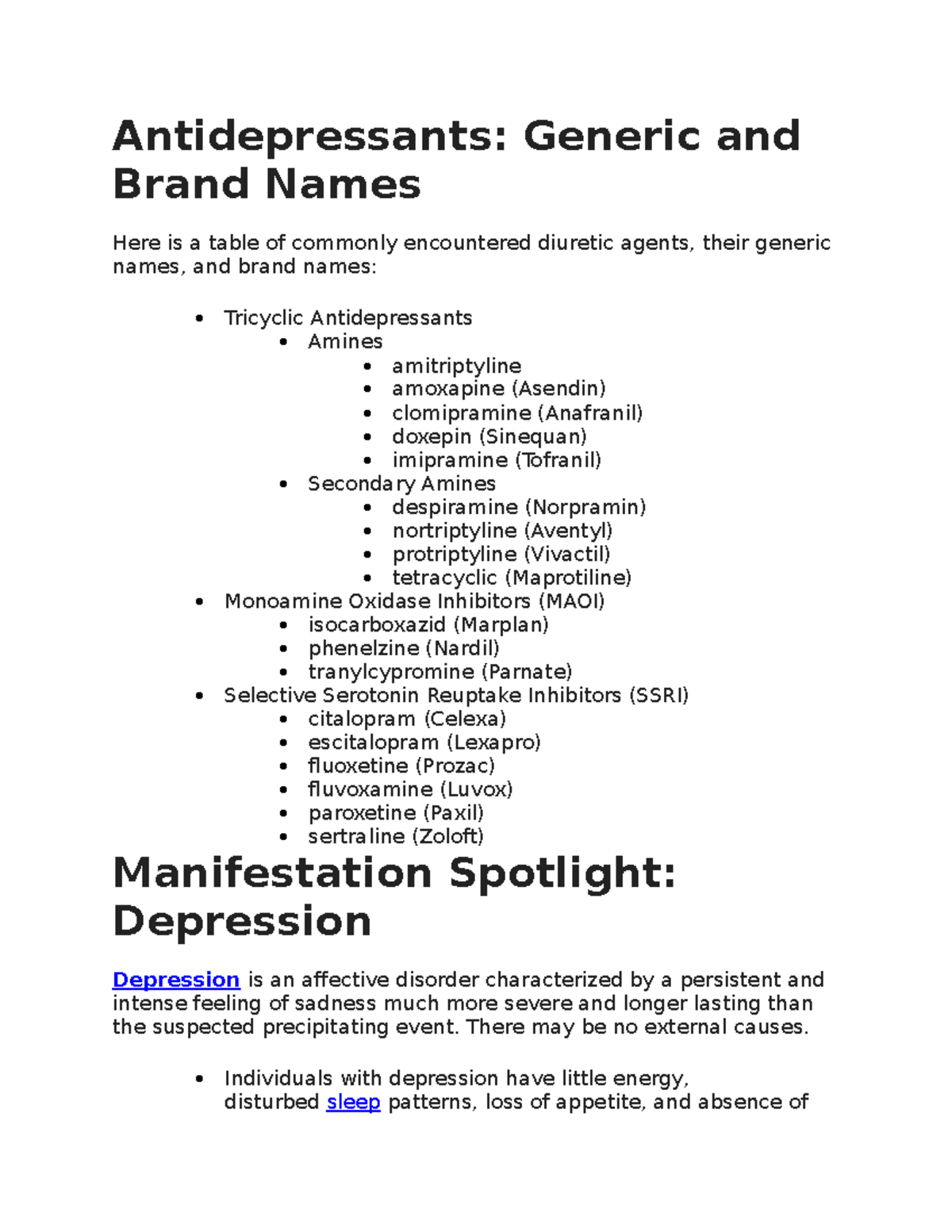
| Medication Class | Common Examples | Potential "Pro-Depressive" Side Effects | Primary Risk Factor |
|---|---|---|---|
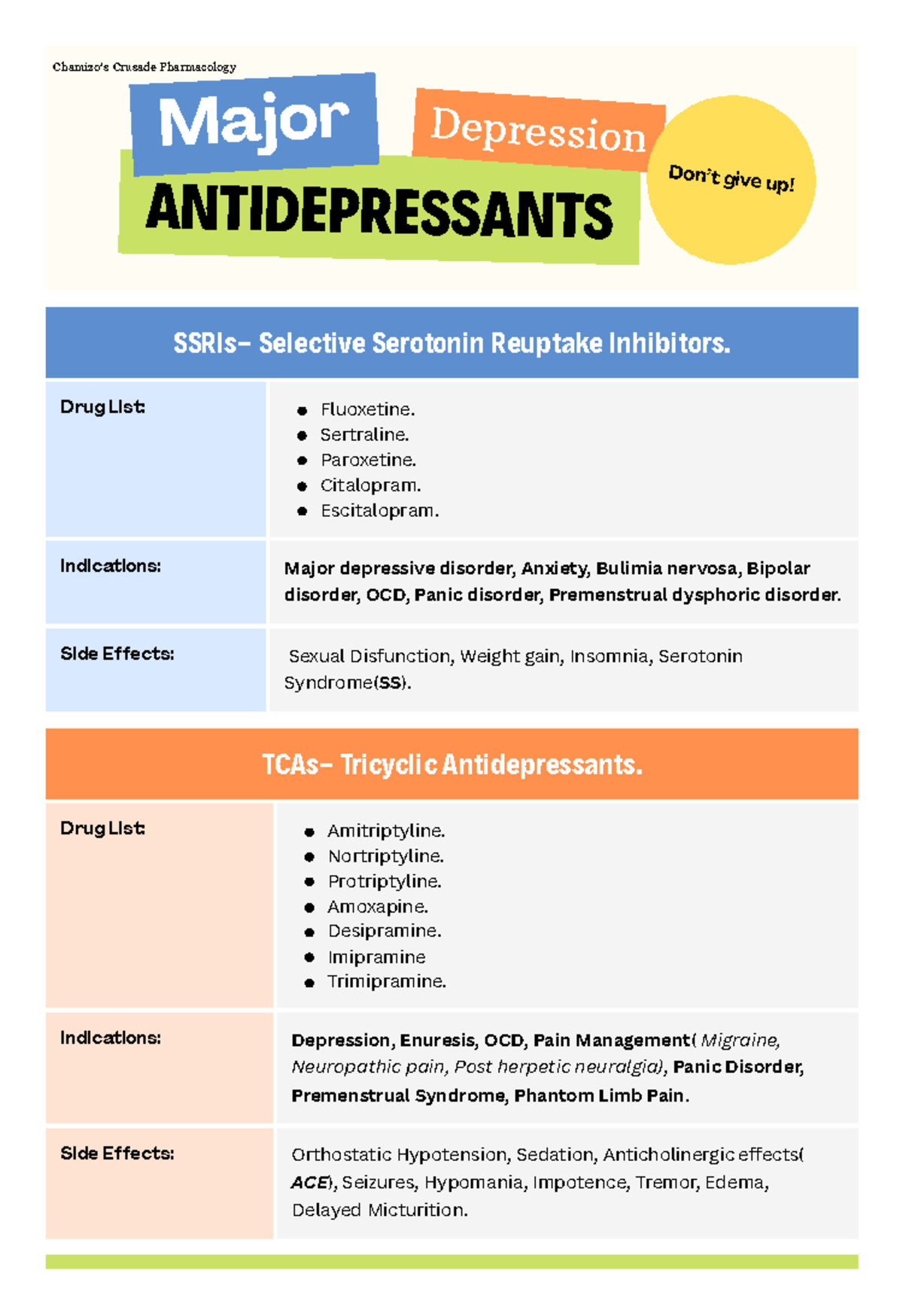
| SSRIs | Fluoxetine, Sertraline | Emotional blunting, apathy, sexual dysfunction | High risk of "numbness" and apathy |
| SNRIs | Venlafaxine, Duloxetine | Severe withdrawal (discontinuation), agitation | Difficult to taper; high physical dependency |
| TCAs | Amitriptyline, Nortriptyline | Extreme sedation, cognitive "fog," weight gain | Lethargy can mimic depressive fatigue |
| MAOIs | Phenelzine, Selegiline | Dietary restrictions, hypertensive crises, insomnia | High burden of care can increase stress |
| Atypicals | Bupropion, Mirtazapine | Anxiety, insomnia (Bupropion); sedation (Mirtazapine) | Over-stimulation can feel like "agitated" depression |
Strategies for Managing Treatment Challenges
If you or a loved one feels that an antidepressant is causing more harm than good, it is imperative not to stop the medication cold turkey. Instead, a systematic approach should be taken in consultation with a medical professional.
1. The "Wait and See" Period
Many of the most distressing side effects, such as increased anxiety or physical restlessness, occur during the first two to four weeks. If the symptoms are manageable and not dangerous (i.e., no suicidal intent), doctors often recommend staying the course to see if the brain adapts.
2. Genetic Testing (Pharmacogenomics)
In 2026, pharmacogenomic testing has become a standard tool. These tests analyze your DNA to see how your liver metabolizes certain drugs and how your brain's receptors are likely to respond. This can identify if you are a "poor metabolizer," which would lead to toxic levels of a drug in your system, potentially causing severe side effects that mimic a worsening of mental health.
3. Integrated Therapy
Research consistently shows that medication is most effective when paired with psychotherapy, such as Cognitive Behavioral Therapy (CBT) or Dialectical Behavior Therapy (DBT). Therapy provides the coping tools that medication cannot, helping a patient distinguish between a "chemical" mood shift caused by a pill and their emotional response to life events.
4. Lifestyle and Metabolic Health
Emerging evidence suggests that neuroinflammation and metabolic health (like insulin resistance) play a massive role in how we respond to antidepressants. If the body is in a state of high inflammation, an antidepressant may not work correctly, or its side effects may be amplified. Addressing sleep hygiene, diet, and exercise can sometimes "unlock" the effectiveness of a previously failing medication.
FAQ
Can an antidepressant make me feel "empty" inside?
Yes, this is known as emotional blunting. It is a recognized side effect where the medication dampens all emotions, not just the negative ones. If this feels like it is interfering with your quality of life, discuss a dosage reduction or a medication change with your doctor, as this "emptiness" is a side effect, not a failure of your character or a worsening of your disease.
Why do I feel more anxious after starting an antidepressant?
Many antidepressants, particularly SSRIs and SNRIs, have a "stimulating" effect initially. This can increase heart rate and cause jitters or "inner restlessness." For someone already struggling with depression and anxiety, this physical stimulation can feel like a worsening of their mental state. This usually subsides after 10-14 days.
Is it possible that I’ve been on antidepressants too long?
It is a possibility that your doctor should evaluate. The concept of tardive dysphoria suggests that some people may experience a "rebound" depression from long-term use. However, for many others, long-term use is what keeps them stable. This decision must be made by carefully weighing your history of relapse against your current side-effect profile.
What should I do if I start having thoughts of self-harm after taking a pill?
This is a medical emergency. Contact your prescribing physician immediately, go to the nearest emergency room, or call a crisis hotline. This is a known, though rare, paradoxical reaction that requires immediate clinical intervention and likely a cessation of that specific medication.
Can stopping my meds cause "rebound" depression?
Yes. If you stop an antidepressant too quickly, your brain—which has adjusted to the drug—cannot compensate fast enough. This leads to a "crash" that can feel much worse than the original depression. Always use a slow, supervised taper to allow your brain to resume its natural neurotransmitter production.
Final Recommendation
If you suspect your antidepressant is causing or worsening your depression, the first step is observation without self-judgment. Keep a daily mood journal to track specific symptoms: is it lethargy, or is it "agitated" sadness? Is it a lack of feeling entirely, or is it a specific new thought pattern? Bring this data to your psychiatrist or primary care provider. The solution may involve a dosage adjustment, a switch to a different class of medication, or the addition of a mood stabilizer. Never adjust your dosage or stop your medication without professional guidance, as the neurological shifts involved require a controlled, gradual transition to ensure safety and stability.