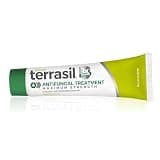
To choose the right antifungal cream for a rash under the breasts, you must identify the symptoms of candidal intertrigo—characterized by bright red, itchy skin and "satellite" lesions. Look for active ingredients such as clotrimazole or miconazole, apply the treatment to clean, dry skin twice daily, and implement moisture-wicking strategies to prevent recurrence.
Managing skin health in the submammary fold (the area under the breast) is a common dermatological challenge. The combination of heat, moisture, and friction creates an ideal breeding ground for microorganisms, most notably the yeast Candida albicans. Left untreated, what begins as simple irritation—known as intertrigo—can quickly escalate into a fungal infection that causes significant discomfort, odor, and skin breakdown. As of 2026, the pharmacological landscape offers a variety of over-the-counter (OTC) and prescription solutions, but selecting the "right" one requires an understanding of both the active ingredients and the specific environment of the skin fold.
Understanding the Submammary Environment and Intertrigo
Before selecting a treatment, it is essential to understand why this specific area is prone to infection. The skin under the breasts is a "hidden" area where skin touches skin. This creates a localized microclimate with higher temperatures and increased transepidermal water loss. When sweat becomes trapped, it macerates the stratum corneum (the outermost layer of the skin).
Maceration weakens the skin's natural barrier, allowing Candida—a yeast that naturally lives on the body in small amounts—to overgrow. This condition is formally called candidal intertrigo. It is distinct from simple friction-based chafing because it involves a biological pathogen. In 2026, clinical guidelines continue to emphasize that treating the fungus without addressing the moisture will lead to a cycle of chronic recurrence.
Distinguishing Fungal Infections from Other Rashes
Not every rash under the breast is fungal. To choose the correct cream, you must first confirm the primary characteristics of a fungal infection:
- Color: Fungal rashes are typically a vivid "fire-engine" red.
- Satellite Lesions: Small, red spots or pustules that appear just outside the main edge of the rash. These are a hallmark of Candida.
- Odor: A distinctive musty or "yeasty" smell is often present.
- Sensation: Intense itching (pruritus) or a burning sensation, rather than just the soreness associated with a scrape.
If the area is silver and scaly, it may be inverse psoriasis. If it is characterized by golden crusting, it may be a bacterial infection like impetigo. Using an antifungal on a non-fungal rash may be ineffective or, in the case of steroid-heavy creams, may actually worsen a fungal infection.
Analysis of Active Antifungal Ingredients
When browsing the pharmacy aisles in 2026, you will encounter several different chemical classes of antifungals. Choosing the right one depends on the severity of the infection and your previous history with these medications.
The Azole Family (Clotrimazole, Miconazole, Ketoconazole)
The "azoles" are the most common and effective treatments for yeast infections under the breast. They work by inhibiting the synthesis of ergosterol, a vital component of the fungal cell membrane. Without ergosterol, the fungal cell wall becomes "leaky" and the organism dies.
- Clotrimazole (1%): Often considered the first line of defense. It is widely available OTC (e.g., Lotrimin AF) and has a high safety profile. It is effective against a broad range of fungi, including the yeasts most responsible for submammary rashes.
- Miconazole (2%): Similar to clotrimazole, miconazole (e.g., Monistat-Derm) is highly effective. Some studies suggest it has mild antibacterial properties, which can be beneficial if the skin fold has a secondary bacterial component due to scratching.
- Ketoconazole: Generally available in a 2% strength by prescription. It is more potent and is often reserved for stubborn infections that do not respond to clotrimazole or miconazole.
Allylamines (Terbinafine)
Terbinafine (e.g., Lamisil AT) is an allylamine. While it is incredibly effective for dermatophytes (like athlete's foot or ringworm), it is generally considered less effective against Candida (yeast) than the azoles. If you are certain the infection is yeast-based, an azole is typically a better choice. However, if the rash is actually a form of tinea corporis (ringworm), terbinafine would be the superior option.
Polyenes (Nystatin)
Nystatin is a prescription-only antifungal specifically formulated to target Candida. It is often prescribed as a powder or cream. Because it is not absorbed through the skin into the bloodstream, it is frequently used for localized yeast infections where other treatments might be contraindicated.
Choosing the Right Formulation: Creams vs. Powders vs. Ointments
The vehicle—the substance that carries the active ingredient—is just as important as the medicine itself. In the moist environment under the breast, the wrong formulation can trap moisture and exacerbate the problem.
Antifungal Creams
Creams are the standard recommendation for active infections. They are easy to apply, absorb relatively quickly, and provide a direct dose of the medication to the skin cells. In 2026, most dermatologists recommend using a thin layer of cream to avoid "clogging" the skin.
Antifungal Powders
Powders (such as miconazole-based powders) are excellent for prevention and for treating very mild, "weeping" rashes. They help absorb excess sweat. However, if applied to a heavily oozing rash, the powder can "clump" and become abrasive, further irritating the skin. A common strategy is to use a cream to kill the infection and then switch to a powder once the skin has dried to prevent its return.
Why to Avoid Ointments
Ointments are petroleum-based and "occlusive," meaning they create a waterproof seal over the skin. Under the breast, this is counterproductive. Ointments trap heat and sweat, which can lead to further maceration and actually encourage fungal growth. Unless specifically directed by a healthcare provider for a very dry, scaly condition, avoid greasy ointments in skin folds.
Comparison Table of Common Antifungal Treatments
The following table compares common options available in 2026 to help guide your selection process.
| Active Ingredient | Common Brand Name | Class | Best Used For | Availability |
|---|---|---|---|---|
| Clotrimazole 1% | Lotrimin AF (Cream) | Azole | First-line treatment for yeast/Candida. | Over-the-Counter |
| Miconazole 2% | Zeasorb-AF (Powder) | Azole | Prevention and mild, moist infections. | Over-the-Counter |
| Terbinafine 1% | Lamisil AT | Allylamine | Better for ringworm than for yeast. | Over-the-Counter |
| Ketoconazole 2% | Nizoral (Cream) | Azole | Stubborn or recurring yeast infections. | Prescription |
| Nystatin | Mycostatin | Polyene | Specific Candida infections. | Prescription |
| Tolnaftate 1% | Tinactin | Thiocarbamate | Dermatophytes; generally weak against yeast. | Over-the-Counter |
Step-by-Step Treatment Protocol
Choosing the right cream is only half the battle; the application technique determines the success of the treatment. Follow this protocol for maximum efficacy:
- Cleanse Gently: Wash the area with a pH-balanced, fragrance-free cleanser. Avoid harsh soaps that can further strip the skin's acid mantle.
- Dry Thoroughly: This is the most critical step. Fungi thrive in moisture. Pat the area dry with a clean towel, or use a hair dryer on a cool, no-heat setting to ensure every crevice is dry before applying medication.
- Apply a Thin Layer: Use only enough cream to cover the affected area. Applying a thick glob of cream can trap moisture. Rub it in until it is no longer visible.
- Frequency: Most OTC antifungals require application twice daily (morning and night) for 7 to 14 days.
- Consistency: Continue the treatment for at least two days after the visible redness has disappeared. Fungal spores can linger even after the skin looks healthy.
- Separation: After applying the cream, use a clean piece of cotton or a specialized moisture-wicking breast liner to keep the skin surfaces from touching. This allows air to circulate.
Preventing Recurrence: Beyond the Cream
If you successfully treat the infection but do not change the environment, the fungus will return. Long-term management in 2026 focuses on "moisture management."
- Bra Hygiene: Wash bras after every wear during an active infection. Use hot water and, if possible, an antifungal laundry additive. Avoid bras made of synthetic materials like polyester or lace that do not breathe.
- Fabric Choice: Switch to high-quality cotton or specialized moisture-wicking fabrics (like bamboo or Tencel). These materials pull sweat away from the skin.
- Weight and Anatomy: Large-breasted individuals or those with a higher Body Mass Index (BMI) may have deeper skin folds. In these cases, using "interdry" cloths—textiles infused with silver that wick moisture and kill microbes—can be a highly effective preventive measure.
- Barrier Pastes: Once the fungal infection is gone, if the area is still prone to friction, a zinc oxide-based barrier paste can protect the skin from further irritation. However, never use a barrier paste while an active fungal infection is present, as it can trap the yeast against the skin.
When to Consult a Healthcare Professional
While many cases of under-breast fungus can be managed at home, certain factors necessitate a visit to a doctor or dermatologist.
- No Improvement: If the rash does not begin to fade after 7 days of consistent OTC treatment.
- Signs of Bacterial Infection: If you notice honey-colored crusting, increasing pain, swelling, or red streaks extending from the rash.
- Systemic Symptoms: Fever or chills accompanying the rash.
- Underlying Conditions: Individuals with diabetes or compromised immune systems should seek professional advice early, as they are at higher risk for deep-tissue infections (cellulitis).
- Painful Cracking: If the skin in the fold is "fissuring" (cracking open), it requires professional wound care to prevent scarring and secondary infection.
Frequently Asked Questions
Can I use hydrocortisone cream for the itching?
You should be very cautious with hydrocortisone (a steroid). While it can temporarily reduce itching and redness, steroids suppress the local immune response. If used alone on a fungal infection, the fungus may grow more rapidly, leading to a condition called "tinea incognito." Only use a steroid if it is combined with an antifungal and under a doctor’s supervision.
How long does it take for the cream to work?
Most people see a reduction in itching within 24 to 48 hours. However, the visual redness may take 5 to 7 days to significantly fade. Completing the full course (usually 2 weeks) is vital to ensure the infection does not immediately return.
Is it okay to use cornstarch to keep the area dry?
It is generally recommended to avoid cornstarch. Cornstarch is a carbohydrate and can actually serve as a food source for Candida yeast, potentially worsening the infection. Use a medicated antifungal powder or a plain talc-free drying powder instead.
Can I use natural remedies like tea tree oil or coconut oil?
Tea tree oil has documented antifungal properties, but it must be heavily diluted, as the skin under the breast is very sensitive and prone to chemical burns. Coconut oil contains lauric acid, which is mildly antifungal, but because it is an oil, it can trap moisture and heat. For a confirmed infection, standardized pharmaceutical creams are generally more reliable and faster-acting.
Why does the rash keep coming back every summer?
The recurring nature is likely due to the "environment" rather than the failure of the cream. High humidity and increased perspiration in summer recreate the conditions the yeast loves. Focusing on moisture-wicking liners and prophylactic use of antifungal powder during hot months can break this cycle.
Practical Recommendation
For most active fungal infections under the breast, start with an OTC Clotrimazole 1% cream applied twice daily to meticulously dried skin. Complement this with the use of 100% cotton liners or soft cotton fabric placed inside the bra to ensure the skin remains dry throughout the day. If symptoms do not improve within one week, or if you notice satellite lesions spreading, consult a healthcare provider for a prescription-strength ketoconazole or nystatin treatment.