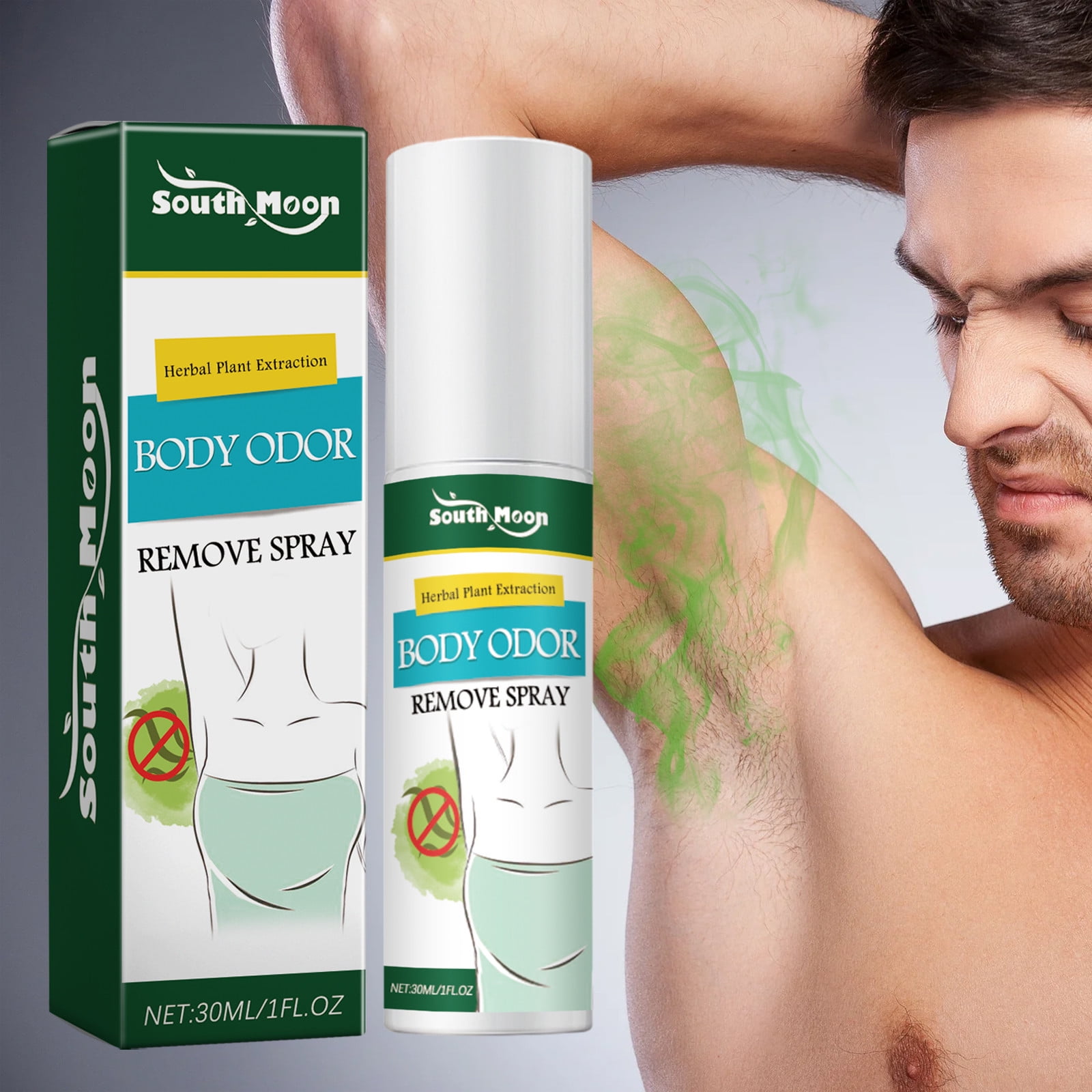
Antiperspirants are specialized topical formulations designed to reduce the production of eccrine and apocrine sweat. As of 2026, their composition is strictly defined by the inclusion of aluminum-based active ingredients that form temporary physical plugs within sweat ducts. Regulation varies globally; in the United States, antiperspirants are classified as Over-the-Counter (OTC) drugs regulated by the FDA, while in the European Union, they are governed under cosmetic safety frameworks.
The Fundamental Composition of Modern Antiperspirants
The efficacy of an antiperspirant is determined by its chemical architecture, which must balance active sweat reduction with skin compatibility and shelf stability. Unlike deodorants, which merely neutralize odor through antimicrobial agents and fragrances, antiperspirants contain functional solids that alter the physiology of the underarm environment.
Active Ingredients: Aluminum and Zirconium Salts
The core of any antiperspirant is the active salt. These salts are typically aluminum-based because of their unique ability to precipitate and form a gel-like plug when they come into contact with the higher pH environment of the sweat duct.
- Aluminum Chlorohydrate: This is the most common active ingredient found in roll-ons and aerosols. Its relatively small molecular size allows for efficient penetration into the opening of the sweat gland.
- Aluminum Zirconium Tetrachlorohydrex Gly: Primarily used in solid sticks and "clinical strength" formulations, this complex is highly effective due to its high density and ability to form a more robust plug. The addition of glycine (an amino acid) stabilizes the complex and reduces skin irritation.
- Aluminum Chloride: Often reserved for prescription-strength hyperhidrosis treatments. It is highly acidic and requires careful formulation to prevent chemical burns or damage to clothing.
Excipients and Delivery Vehicles
Beyond the active salt, a significant portion of the formula is dedicated to the vehicle that delivers the active ingredient to the skin.
- Volatile Silicones (e.g., Cyclopentasiloxane): These provide a "dry" feel. They evaporate quickly after application, leaving the active salts behind without a sticky residue.
- Emollients (e.g., Stearyl Alcohol, C12-15 Alkyl Benzoate): These fatty alcohols and esters provide structural integrity to stick products and soothe the skin, counteracting the potentially drying effects of the aluminum salts.
- Structuring Agents and Thickeners: Ingredients like Hydrogenated Castor Oil or Silica ensure the product maintains its physical form (liquid, cream, or solid) across various temperatures.
- Fragrances and Encapsulation Technologies: By 2026, many high-end formulations use moisture-activated fragrance encapsulation, where the scent is released only when the wearer begins to sweat.
The Biological Mechanism of Action
To understand the regulation of these products, one must understand how they interact with human biology. When an antiperspirant is applied, the aluminum salts dissolve in the sweat on the skin's surface or within the sweat duct itself.
As the sweat pH rises (becoming less acidic) as it moves toward the skin surface, the dissolved aluminum ions undergo a polymerization reaction. This creates a "gel plug" consisting of aluminum hydroxide. This plug effectively blocks the flow of sweat from the gland to the skin surface. Over time, through the natural process of skin cell shedding (desquamation) and contact with water during bathing, these plugs are removed, necessitating daily reapplication.
It is a common misconception that this "blocks" the body's ability to detoxify. In reality, the primary function of sweat is thermoregulation, not detoxification. The toxins typically associated with sweat are handled by the kidneys and liver, and the sweat glands in the underarms represent only a tiny fraction of the body’s total sweat capacity.
Regulatory Frameworks in 2026: A Global Perspective
The classification of antiperspirants dictates how they are tested, labeled, and sold. This classification depends largely on whether the product is viewed as affecting a bodily function (sweating) or simply improving appearance.
United States: FDA OTC Drug Monograph
In the U.S., the Food and Drug Administration (FDA) classifies antiperspirants as Over-the-Counter (OTC) drugs. This is because they are intended to affect the structure or function of the body. They are governed specifically by 21 CFR Part 350.
Under these regulations, manufacturers cannot simply use any ingredient; they must adhere to the "Final Monograph" which lists the active ingredients that are "Generally Recognized as Safe and Effective" (GRASE). Any deviation from this list requires a New Drug Application (NDA). Furthermore, FDA regulations mandate specific "Drug Facts" labeling, which includes:
- Standardized headings.
- Precautions (e.g., "Do not use on broken skin").
- Explicit directions for use.
- Percentage of active ingredients.
European Union: EC No 1223/2009
Conversely, the European Union regulates antiperspirants as cosmetics. While this might sound less stringent, the EU's Scientific Committee on Consumer Safety (SCCS) maintains rigorous oversight. In 2026, the SCCS continues to monitor the systemic absorption of aluminum.
The EU approach focuses on "Safety Assessments." Every product must have a Product Information File (PIF) and a Safety Report signed by a qualified toxicologist. While the EU does not require the "Drug Facts" box, it enforces strict limits on the concentration of certain salts to ensure that systemic exposure remains well below established safety thresholds.
Comparative Analysis of Active Ingredients and Concentrations
| Active Ingredient | Typical Concentration | Common Product Format | Regulatory Status (US) |
|---|---|---|---|
| Aluminum Chlorohydrate | 10% - 25% | Roll-on, Aerosol | GRASE (Category I) |
| Aluminum Zirconium (various) | 15% - 20% | Solid Stick, Cream | GRASE (Category I) |
| Aluminum Chloride | 15% - 30% | Liquid (Prescription) | GRASE (with restrictions) |
| Aluminum Sesquichlorohydrate | 10% - 15% | Clinical Roll-on | GRASE (Category I) |
Safety Concerns and Scientific Consensus (2026)
The safety of aluminum-based antiperspirants has been a subject of public debate for decades, primarily concerning breast cancer and Alzheimer’s disease. As of 2026, the scientific consensus remains stable, supported by large-scale epidemiological studies and toxicological reviews.
Breast Cancer
The hypothesis that aluminum salts from antiperspirants are absorbed through the skin and exert estrogen-like effects on breast tissue has not been supported by clinical evidence. Organizations such as the American Cancer Society and the National Cancer Institute continue to state that there is no clear link between the use of underarm antiperspirants and the development of breast cancer. Systemic absorption of aluminum through the skin is negligible (estimated at approximately 0.012%), which is far lower than the aluminum naturally ingested through food.
Alzheimer’s Disease
The link to Alzheimer’s originated from studies in the 1960s and 70s that found aluminum in the brains of patients. However, subsequent research has failed to confirm that environmental or topical aluminum exposure is a causative factor. Current medical guidance suggests that the blood-brain barrier effectively protects the central nervous system from the trace amounts of aluminum found in consumer products.
Skin Sensitivity and Irritation
The most verified safety concern remains contact dermatitis. The acidic nature of aluminum salts can irritate the stratum corneum, especially after shaving when the skin barrier is compromised. Modern formulations mitigate this by including buffers (like glycine) and soothing emollients.
Manufacturing and Quality Control Standards
For a product to be compliant with 2026 regulations, it must undergo standardized testing. These tests ensure the product does what it claims and remains safe throughout its shelf life.
- Hot Room Testing: To claim "48-hour protection," manufacturers must conduct sweat-reduction studies. Human subjects are placed in a controlled, high-temperature environment ("hot room"), and the weight of sweat produced is measured with and without the product. To be labeled an antiperspirant in the US, the product must demonstrate at least a 20% reduction in sweat in at least 50% of the target population.
- Stability Testing: Products are subjected to accelerated aging (high heat and humidity) to ensure the active salts do not degrade and the emulsion does not separate.
- Microbiological Testing: Even though aluminum salts are naturally inhibitory to many bacteria, formulations containing water must be challenged with specific microbes to ensure the preservative system is effective.
Future Trends: The 2026 Market Shift
As we move through 2026, the industry is seeing a shift toward "Microbiome-Friendly" and "Sustainable" formulations.
- Prebiotic Integration: Newer compositions include prebiotic fibers like Inulin. These don't stop sweat but encourage the growth of "good" bacteria (Staphylococcus epidermidis) over odor-causing bacteria (Corynebacterium), allowing for lower concentrations of active salts.
- Refillable Systems: Regulatory bodies are increasingly focusing on the environmental impact of aerosol propellants and plastic waste. This has led to an influx of refillable aluminum or glass dispensers for both roll-ons and sticks.
- Aluminum-Free "Antiperspirants": While technically a misnomer (as true antiperspirants currently require aluminum to meet the FDA monograph), brands are developing "Extreme Deodorants" using biomimetic peptides and high-absorbency minerals like Magnesium Carbonate to mimic the dryness of traditional antiperspirants.
Frequently Asked Questions
What is the difference between an antiperspirant and a deodorant?
An antiperspirant is a functional drug or cosmetic designed to reduce the physical production of sweat by plugging sweat ducts. A deodorant is a cosmetic product designed to mask or neutralize the odor caused by bacteria breaking down sweat. Only antiperspirants contain aluminum salts.
Why does my antiperspirant cause yellow stains on white shirts?
Yellow stains are not caused by sweat alone, nor by the aluminum salts alone. They are the result of a chemical reaction between the aluminum salts in the antiperspirant and the proteins found in human sweat. When these react and settle into fabric, they create a persistent yellowish deposit.
Is "Natural" antiperspirant effective?
"Natural" products usually function as deodorants rather than antiperspirants. They use powders like arrowroot or baking soda to absorb moisture, but they do not physically stop sweat production because they lack the aluminum salts required to form a duct plug.
Can I use antiperspirant on other parts of my body?
While most formulations are designed for the underarm (which has a specific pH and moisture level), they can be used on hands or feet. However, the skin in these areas is thicker, and underarm-specific products may be less effective. Always check the label for specific site-of-application warnings.
Are aerosols worse for the environment than sticks?
Historically, aerosols used CFCs that damaged the ozone layer. Modern aerosols use hydrocarbons or compressed air. However, sticks and roll-ons generally have a lower carbon footprint due to more efficient packaging and the absence of volatile organic compounds (VOCs) used as propellants.
Practical Recommendations for Consumers
When selecting an antiperspirant in 2026, consumers should prioritize their specific needs over marketing buzzwords. If you suffer from excessive sweating, look for "Clinical Strength" products containing Aluminum Zirconium Tetrachlorohydrex Gly at concentrations near 20%. These are best applied at night before bed; this allows the plugs to form while sweat production is at its lowest, leading to better efficacy the following day.
For those with sensitive skin, avoid products with high concentrations of Alcohol Denat. or heavy synthetic fragrances. Instead, look for formulations that list Allantoin or Bisabolol, which serve as anti-irritants. Always ensure the product is applied to dry skin to minimize the risk of the aluminum salts reacting early on the skin surface, which can cause itching and redness.