Antihistamines are a class of medications primarily used to manage allergic reactions by blocking histamine, a chemical the body releases during an immune response. They are commonly used to treat hay fever, hives, and insect bites, though specific types also address motion sickness, insomnia, and gastrointestinal issues like acid reflux.
Understanding the Biological Role of Histamine
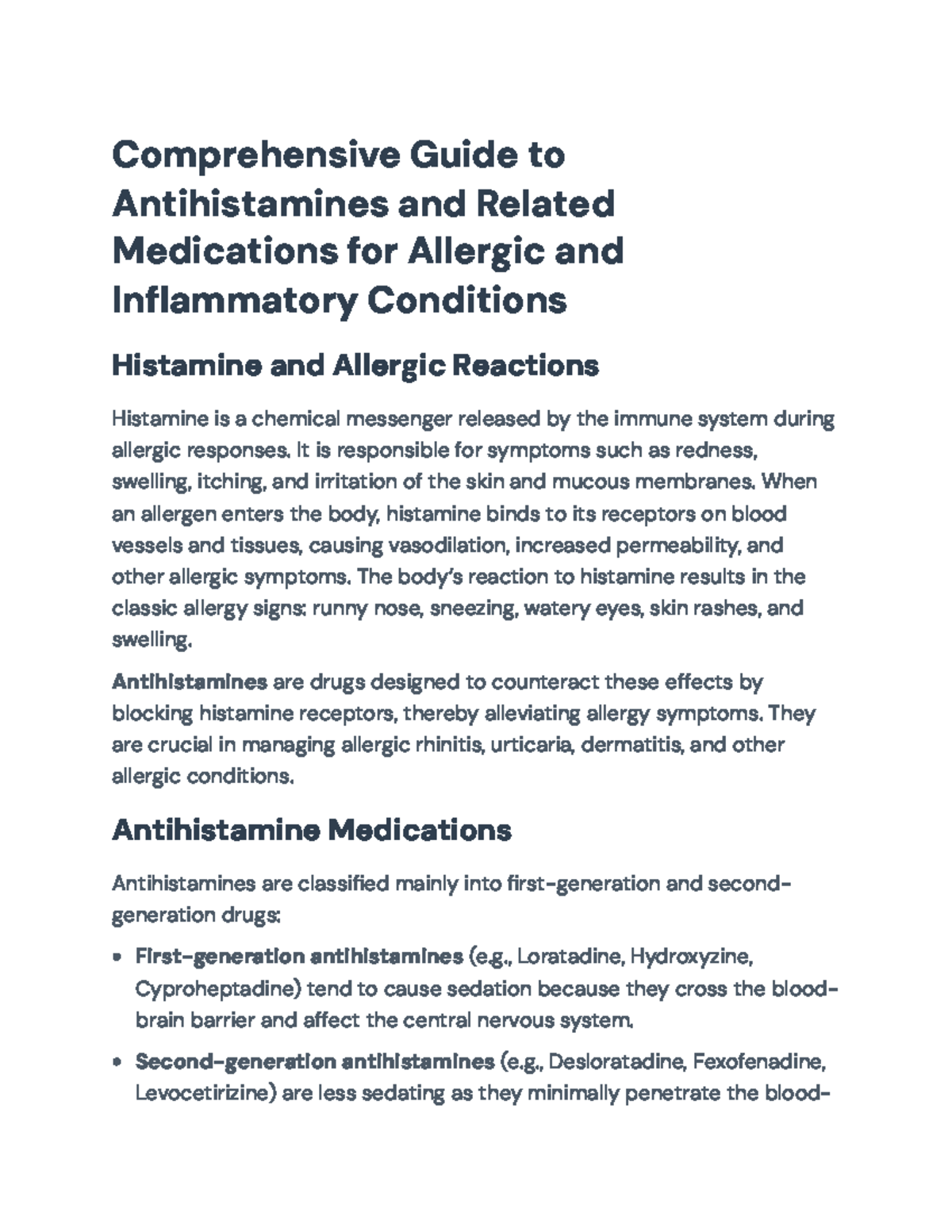
To understand how antihistamines work, one must first understand the substance they are designed to counteract: histamine. Histamine is a biogenic amine, a signaling molecule that plays a critical role in the local immune response, physiological function of the gut, and acts as a neurotransmitter for the brain, spinal cord, and uterus.
When the body perceives a threat—such as pollen, pet dander, or a bee sting—the immune system triggers mast cells and basophils to release histamine. This release is part of an inflammatory response intended to help the body fight off invaders. However, in the case of allergies, the immune system overreacts to harmless substances. Once released, histamine attaches to specific receptors on the surface of cells.
There are four primary types of histamine receptors, though medical treatments currently focus largely on the first two:
- H1 Receptors: Located throughout the body, particularly in smooth muscle, vascular endothelial cells, and the central nervous system. These are responsible for classic allergy symptoms like itching, vasodilation (swelling), and bronchoconstriction.
- H2 Receptors: Found primarily in the lining of the stomach. They stimulate the secretion of gastric acid.
- H3 Receptors: Mainly located in the central nervous system, where they regulate the release of other neurotransmitters.
- H4 Receptors: Found in the bone marrow and white blood cells, involved in chemotaxis and inflammation.
Antihistamines function as inverse agonists or antagonists. They do not "destroy" histamine; instead, they bind to these receptors, effectively "locking" them so that histamine cannot attach and trigger a reaction.
The Evolution of H1 Antihistamines: Generations Explained
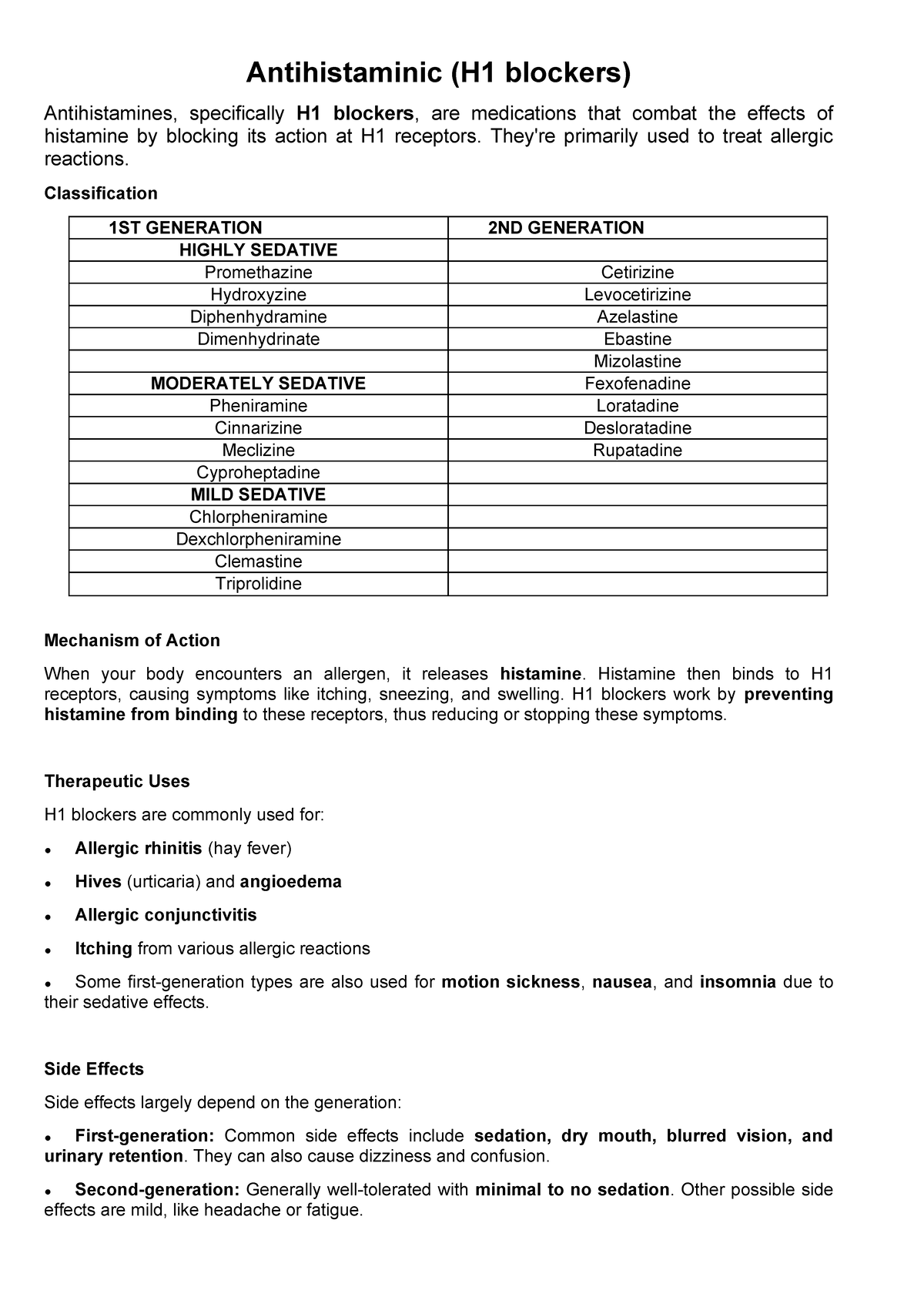
H1 antihistamines are the most common variety, used for respiratory and skin allergies. They are categorized into two "generations" based on their chemical structure and their ability to cross the blood-brain barrier.
First-Generation Antihistamines
First-generation antihistamines, such as diphenhydramine (Benadryl) and chlorpheniramine, were developed in the mid-20th century. These molecules are lipophilic (fat-soluble), allowing them to easily cross the blood-brain barrier.
Because they enter the central nervous system, they are notorious for causing significant drowsiness and sedation. While this is often viewed as a side effect, it makes these drugs useful for treating insomnia. Additionally, first-generation antihistamines are non-selective, meaning they also block muscarinic receptors. This leads to "anticholinergic" effects, such as dry mouth, blurred vision, and urinary retention.
Second-Generation Antihistamines
Introduced in the 1980s and refined through the 2020s, second-generation antihistamines like loratadine (Claritin), cetirizine (Zyrtec), and fexofenadine (Allegra) were engineered to be more polar (water-soluble). This chemical change prevents them from crossing the blood-brain barrier in significant quantities.
As of 2026, second-generation antihistamines are the standard recommendation for daily allergy management. They offer a much higher safety profile, longer duration of action (usually 24 hours), and minimal to no sedative effects. Some "third-generation" labels are sometimes used for metabolites like desloratadine or levocetirizine, though they are functionally refined versions of the second generation.
Primary Uses for H1 Antihistamines
The versatility of H1 antihistamines allows them to be used across various medical disciplines, from emergency medicine to daily wellness.
Allergic Rhinitis (Hay Fever)
Allergic rhinitis is the most common use for antihistamines. It occurs when the immune system reacts to airborne allergens like pollen, dust mites, or mold. Histamine causes the blood vessels in the nose to swell (congestion) and triggers the production of mucus (runny nose). Antihistamines effectively reduce sneezing, itching, and rhinorrhea, though they are generally less effective at clearing nasal congestion than nasal corticosteroids.
Urticaria and Angioedema (Hives and Swelling)
For patients suffering from chronic or acute hives, antihistamines are the first line of defense. Histamine increases capillary permeability, allowing fluid to leak into the skin, which creates the "wheal and flare" appearance of hives. Second-generation antihistamines are often prescribed at higher-than-standard doses (under medical supervision) to manage chronic spontaneous urticaria.
Motion Sickness and Vertigo
Interestingly, only first-generation antihistamines are effective for motion sickness. Drugs like dimenhydrinate (Dramamine) and meclizine work by inhibiting histamine and acetylcholine signals in the vestibular system (the inner ear's balance center). By dampening these signals before they reach the vomiting center in the brain, they prevent nausea and dizziness. Second-generation drugs do not cross into the brain areas responsible for this, making them useless for car or sea sickness.
Sleep Assistance
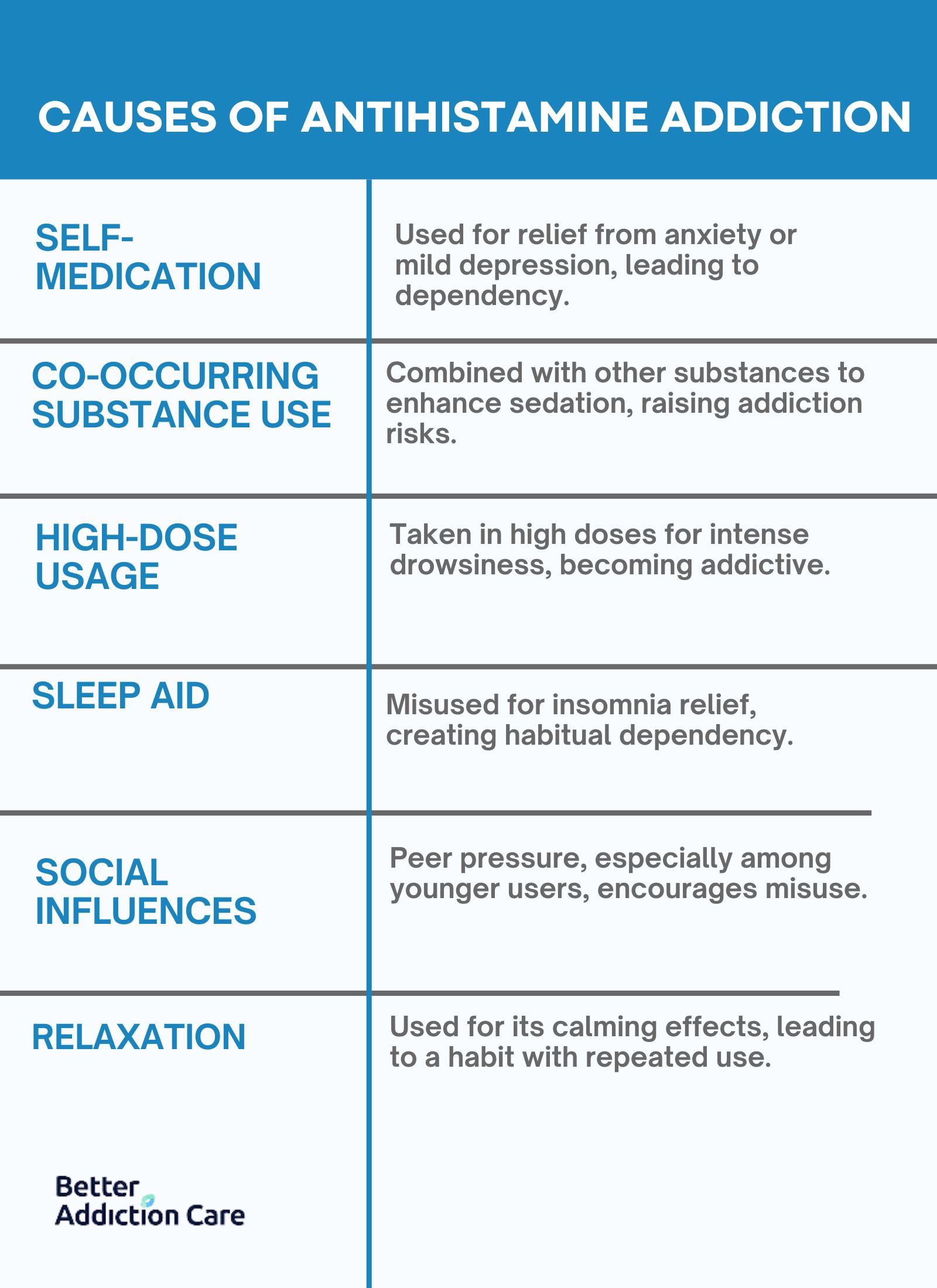
Due to their sedative properties, first-generation antihistamines are frequently used as over-the-counter sleep aids. Histamine plays a role in keeping the brain awake and alert; by blocking H1 receptors in the brain, these medications induce sleepiness. However, they are generally not recommended for long-term use for insomnia because the body develops a tolerance to the sedative effects quickly, often within a few days.
The Role of H2 Antihistamines in Gastric Health
While the term "antihistamine" usually brings to mind runny noses, H2 blockers are a vital subclass focused entirely on the digestive system. These medications, such as famotidine (Pepcid) and cimetidine (Tagamet), target the H2 receptors in the parietal cells of the stomach.
When histamine binds to H2 receptors, it signals the stomach to produce hydrochloric acid. By blocking this signal, H2 antihistamines reduce the acidity of gastric juices. This makes them indispensable for treating:
- Gastroesophageal Reflux Disease (GERD): Chronic acid reflux that can damage the esophagus.
- Peptic Ulcers: Allowing the stomach or duodenal lining to heal by reducing corrosive acid exposure.
- Zollinger-Ellison Syndrome: A rare condition where the body produces too much gastrin, leading to excessive stomach acid.
In 2026, H2 blockers remain a popular alternative to Proton Pump Inhibitors (PPIs) for those who need rapid, situational relief from heartburn or who cannot tolerate the long-term side effects of PPIs.
Comparison of Common Antihistamines
Choosing the right antihistamine depends on the symptom being treated and the desired duration of effect. The following table summarizes common options available in 2026.
| Medication Name | Generation | Primary Use | Sedation Level | Duration |
|---|---|---|---|---|
| Diphenhydramine | 1st Gen | Acute allergies, Sleep, Nausea | High | 4–6 Hours |
| Chlorpheniramine | 1st Gen | Cold/Allergy symptoms | Moderate | 4–6 Hours |
| Meclizine | 1st Gen | Motion Sickness, Vertigo | Moderate | 12–24 Hours |
| Loratadine | 2nd Gen | Daily Hay Fever, Hives | Non-sedating | 24 Hours |
| Cetirizine | 2nd Gen | Seasonal/Year-round allergies | Low (in some) | 24 Hours |
| Fexofenadine | 2nd Gen | Severe Hay Fever, Hives | Non-sedating | 12–24 Hours |
| Famotidine | H2 Blocker | Heartburn, Acid Reflux | None | 12 Hours |
Safety Considerations and Side Effects
While antihistamines are generally safe for over-the-counter use, they are not without risks.
Central Nervous System Effects
For first-generation drugs, the primary concern is impairment. Research has shown that the cognitive impairment caused by diphenhydramine can be as severe as alcohol intoxication, affecting a person's ability to drive or operate machinery. Even if a person does not "feel" sleepy, their reaction times may be significantly slowed.
Anticholinergic Burden
First-generation antihistamines carry an "anticholinergic burden." In older adults, this is linked to an increased risk of confusion, dizziness, and falls. Long-term use of highly anticholinergic drugs has also been studied for potential links to cognitive decline and dementia. Consequently, medical guidelines (such as the Beers Criteria) often advise against the use of first-generation antihistamines in the elderly.
Alcohol and Drug Interactions
Antihistamines should never be combined with alcohol. Alcohol localizes the sedative effects of H1 blockers, potentially leading to dangerous levels of respiratory depression or extreme lethargy. Additionally, certain H2 blockers like cimetidine can interfere with the liver's ability to process other medications, potentially increasing the concentration of drugs like blood thinners or anti-seizure medications in the bloodstream.
Specific Medical Conditions
Individuals with the following conditions should consult a healthcare provider before using antihistamines:
- Glaucoma: Anticholinergic effects can increase intraocular pressure.
- Prostate Enlargement: May worsen urinary retention.
- Asthma: While antihistamines aren't contraindicated, they can dry out bronchial secretions, making it harder to clear mucus during an exacerbation.
How to Select the Right Treatment
When deciding on an antihistamine, the "best" choice is determined by the specific problem you are trying to solve.
- For itchy eyes and sneezing that last all day: A second-generation H1 blocker like fexofenadine or loratadine is preferred because it lasts 24 hours and won't interfere with work or school.
- For a sudden, severe allergic reaction (non-anaphylactic): A fast-acting first-generation liquid diphenhydramine may provide quicker symptom relief, though it will cause drowsiness.
- For hives that won't go away: Cetirizine is often noted for its high potency in skin-related histamine responses.
- For a long car ride: Meclizine is the standard choice for preventing motion sickness with slightly less sedation than diphenhydramine.
- For burning chest pain after a meal: An H2 blocker like famotidine is the appropriate choice, as H1 allergy pills have no effect on stomach acid.
For more detailed guidance on specific drug interactions and safety, the U.S. Food and Drug Administration (FDA) provides updated monographs on over-the-counter drug facts. For clinical insights into allergy management, the American Academy of Allergy, Asthma & Immunology (AAAAI) offers comprehensive resources for patients.
Frequently Asked Questions
Can I take antihistamines every day?
Yes, second-generation antihistamines (like loratadine or cetirizine) are designed for daily use and are generally safe for long-term management of chronic allergies. However, you should periodically consult with a physician to ensure your symptoms aren't masking a more serious condition. First-generation antihistamines are not recommended for daily use due to the risk of sedation and tolerance.
Do antihistamines help with the common cold?
Antihistamines can help dry up a runny nose or stop sneezing associated with a cold, but they do not treat the underlying virus. Most "multi-symptom" cold medicines include a first-generation antihistamine specifically for its drying (anticholinergic) effect and to help the patient sleep.
Why do some antihistamines make me sleepy while others don't?
This is due to the ability of the drug to cross the blood-brain barrier. First-generation drugs are fat-soluble and easily enter the brain, where they block histamine's role in keeping you awake. Second-generation drugs are designed to stay in the peripheral blood system, targeting receptors in your nose and skin rather than your brain.
Can antihistamines treat a severe nut or bee sting allergy?
Antihistamines can treat minor symptoms like itching or hives, but they cannot stop anaphylaxis, a life-threatening allergic reaction. Anaphylaxis requires epinephrine (EpiPen). Antihistamines work too slowly and do not address the dangerous drop in blood pressure or the closing of the airway.
Is it safe to give antihistamines to children?
Many antihistamines are safe for children, but the dosage and type are strictly age-dependent. You should never give "adult" strength medication to a child without consulting a pediatrician. Some first-generation antihistamines can cause "paradoxical excitation" in children, making them hyperactive rather than sleepy.
Next Steps for Allergy Management
If you find that over-the-counter antihistamines are not fully controlling your symptoms, or if you are relying on them daily for more than a few weeks, the next step is to schedule an appointment with an allergist or immunologist. Professional allergy testing can identify the specific triggers causing your reactions. In 2026, many patients are finding long-term relief through immunotherapy (allergy shots or sublingual drops), which trains the immune system to stop overreacting to allergens, potentially eliminating the need for daily antihistamine use altogether.
Professional Advice Limitation: This article is for informational purposes and does not constitute medical advice, diagnosis, or treatment. Always seek the advice of your physician or other qualified health provider with any questions regarding a medical condition or medication.