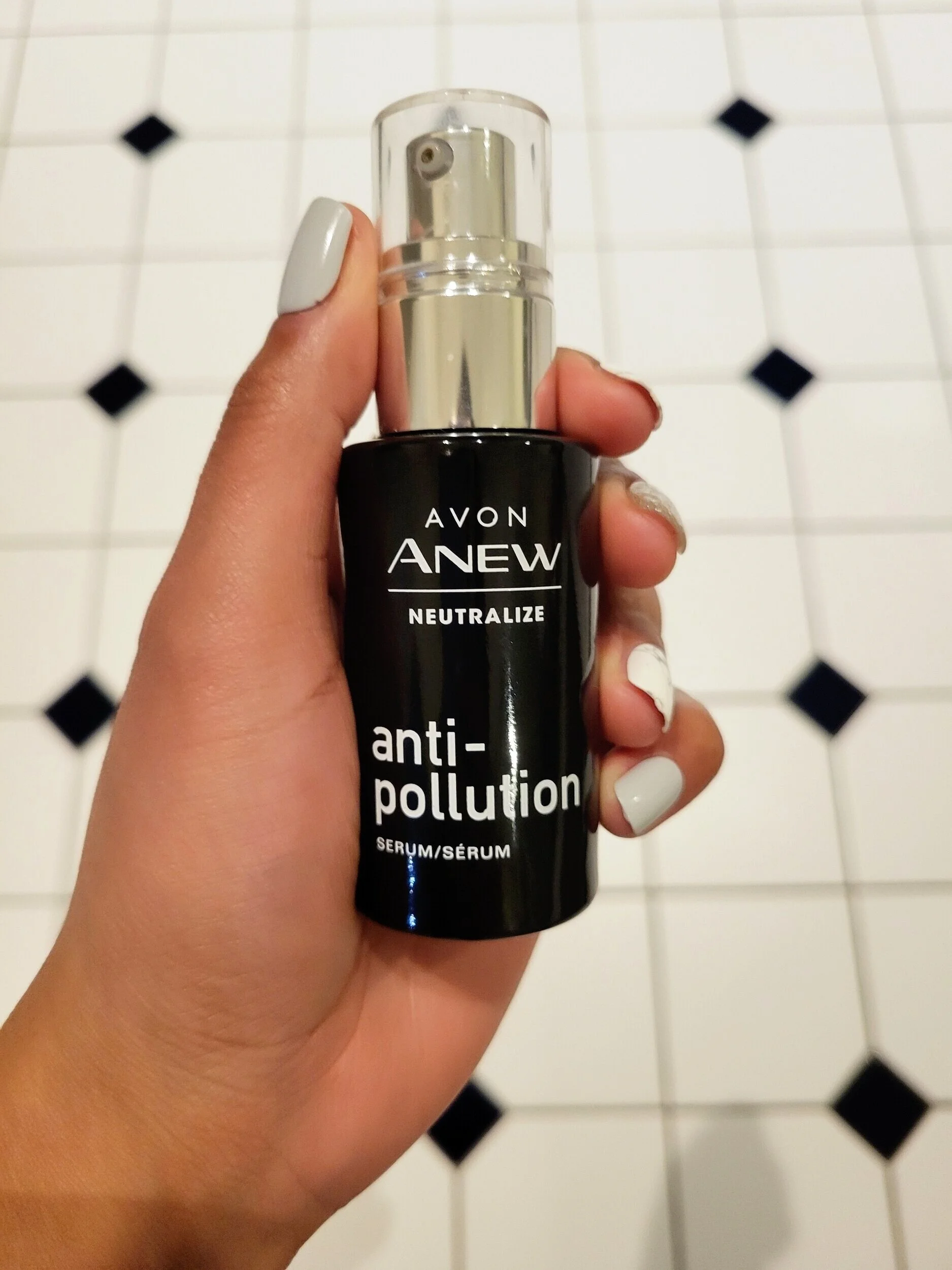
Anti-pollution skincare products are specialized formulations designed to shield the skin from environmental aggressors like particulate matter (PM2.5), ozone, and blue light. By combining physical barriers, potent antioxidants, and barrier-repairing lipids, these products neutralize oxidative stress, prevent premature aging, and reduce inflammation caused by urban pollutants and digital exposure.
Understanding Environmental Stressors: What Are We Protecting Against?
As we move through 2026, the conversation around skincare has shifted from simple hydration to comprehensive environmental defense. The skin is our primary interface with a world that is increasingly dense with microscopic pollutants. To understand why anti-pollution skincare products are essential, we must first identify the specific stressors they are engineered to combat.
Particulate Matter (PM2.5 and PM10)
Particulate matter refers to a mixture of solid particles and liquid droplets found in the air. PM2.5 is particularly insidious because these particles are 20 times smaller than the average human pore. Because of their size, they do not simply sit on the surface; they can infiltrate the deeper layers of the epidermis. Once inside, they trigger the release of free radicals, leading to collagen degradation, hyperpigmentation (often referred to as "pollution spots"), and chronic low-grade inflammation.
Ground-Level Ozone ($O_3$)
While the ozone layer in the stratosphere protects us from UV radiation, ground-level ozone is a potent oxidant. It is formed when sunlight reacts with nitrogen oxides and volatile organic compounds (VOCs) from vehicle exhaust and industrial emissions. Ozone depletes the skin’s natural supply of Vitamin E and lipids, compromising the skin barrier and making it more susceptible to dehydration and sensitivity.
Polycyclic Aromatic Hydrocarbons (PAHs)
PAHs are chemicals released during the combustion of fossil fuels and wood. These molecules are lipophilic, meaning they are attracted to the oils on our skin. They can activate the aryl hydrocarbon receptor (AhR) in skin cells, which interferes with normal cell function and can lead to acne-like breakouts, known as "city acne," and accelerated aging.
High-Energy Visible (HEV) Light
Often called blue light, HEV light is emitted by both the sun and digital devices. In 2026, with the average individual spending significant time in front of screens or under artificial lighting, digital pollution has become a major concern. Blue light penetrates deeper than UV rays, reaching the dermis where it causes oxidative stress and contributes to stubborn melasma and sagging.
How Anti-Pollution Skincare Works: Mechanisms of Action
Anti-pollution skincare is not a single "magic" ingredient but a multi-tiered defense strategy. Modern formulations focus on three primary mechanisms to ensure the skin remains resilient in urban environments.
1. The Physical Shield
The first line of defense is creating a non-occlusive, breathable film on the skin’s surface. This "second skin" technology utilizes polymers and polysaccharides (like biosaccharide gum-4) to prevent particulate matter from adhering to the skin. By making the surface less "sticky" for dust and soot, these products ensure that pollutants can be easily rinsed away at the end of the day rather than becoming trapped in the pores.
2. Neutralization of Oxidative Stress
When pollutants interact with the skin, they generate reactive oxygen species (ROS). These unstable molecules steal electrons from healthy cells, damaging DNA and structural proteins like collagen and elastin. Anti-pollution products are heavily concentrated with antioxidants—such as Ferulic Acid, Vitamin C, and Euk-134—which donate electrons to free radicals, effectively "disarming" them before they can cause cellular damage.
3. Strengthening the Barrier Function
A compromised skin barrier is an open door for pollutants. Ingredients like ceramides, fatty acids, and cholesterol are used to "glue" the skin cells together. Furthermore, many 2026 formulations include prebiotics and postbiotics to support the skin microbiome. A healthy microbiome acts as a biological shield, producing antimicrobial peptides that neutralize certain chemical pollutants and prevent pathogenic bacteria from colonizing the skin.
Key Ingredients to Look for in 2026
The efficacy of an anti-pollution product depends entirely on its ingredient profile. When shopping for these products, prioritize the following high-performance components:
- Ectoin: A natural extremolyte that protects cell membranes from chemical and physical damage. It is highly effective at preventing dehydration caused by urban heat and pollution.
- Malachite Extract: Often called the "urban warrior" of minerals, malachite is a copper-rich stone extract that helps detoxify the skin and provides strong antioxidant protection against heavy metals.
- Niacinamide (Vitamin B3): This powerhouse ingredient strengthens the skin barrier, reduces the appearance of enlarged pores caused by debris, and inhibits the pigment transfer that leads to pollution-related dark spots.
- Marrubium Vulgare (White Horehound): A botanical extract that specifically targets the aryl hydrocarbon receptor (AhR), blocking the inflammatory pathways activated by PAHs and cigarette smoke.
- Lutein and Bluelight Filters: Specifically designed to absorb HEV light from screens, these ingredients are crucial for those working in office environments.
- Activated Charcoal and Kaolin Clay: While not for leave-on use, these are essential in anti-pollution cleansers and masks to physically draw out deeply embedded particulates.
A Step-by-Step Anti-Pollution Skincare Routine
To maximize protection, anti-pollution products should be integrated into a structured routine. It is not enough to use one "anti-pollution" cream; the entire regimen must work together to shield and then repair.
Morning: The Shielding Phase
- Gentle Cleansing: Start with a pH-balanced cleanser to remove any metabolic waste from the night without stripping the barrier.
- Antioxidant Serum: Apply a high-potency serum containing Vitamin C or Ectoin. This creates an internal reservoir of antioxidants to fight free radicals throughout the day.
- Pollution-Shield Moisturizer: Look for a cream that contains film-forming polysaccharides to prevent PM2.5 adhesion.
- Broad-Spectrum SPF: This is non-negotiable. UV rays and pollution act synergistically (photopollution), meaning the damage from pollution is significantly worse when combined with sun exposure.
Evening: The Detoxification Phase
- Double Cleanse: Use an oil-based cleanser followed by a water-based one. This is the only way to effectively break down the mixture of heavy metals, soot, and water-resistant sunscreen accumulated during the day.
- Exfoliation (2-3 times weekly): Use chemical exfoliants like Salicylic Acid (BHA) to deep-clean pores and prevent "city acne."
- Barrier Repair: Apply products rich in ceramides and niacinamide to repair any micro-tears or irritation caused by the day’s environmental exposure.
- Night Recovery: Use a treatment with Resveratrol or Melatonin, which supports the skin’s natural circadian rhythm of repair.
Comparison Table: Ingredient Efficacy by Pollutant Type
| Pollutant Category | Primary Damage | Best Defense Ingredients | Recommended Product Format |
|---|---|---|---|
| PM2.5 (Particulates) | Pore clogging, inflammation | Biosaccharide Gum-4, Activated Charcoal | Barrier Creams, Masks |
| Ground-Level Ozone | Lipid peroxidation, dryness | Vitamin E, Ferulic Acid, Ceramides | Face Oils, Night Creams |
| Heavy Metals | DNA damage, sensitivity | Malachite Extract, EDTA | Chelating Serums, Cleansers |
| Blue Light (HEV) | Hyperpigmentation, sagging | Lutein, Cocoa Seed Extract, Zinc Oxide | Tinted Sunscreens, Eye Creams |
| VOCs & PAHs | Oxidative stress, breakouts | Marrubium Vulgare, Niacinamide | Daily Antioxidant Serums |
Common Mistakes in Anti-Pollution Care
Even with the best products, certain habits can undermine your skin’s defense against the environment.
- Over-Exfoliating: In an attempt to "scrub away" pollution, many people over-use harsh physical scrubs. This thins the stratum corneum, making it easier for pollutants to penetrate. Stick to gentle chemical exfoliants.
- Relying Solely on "Anti-Pollution" Labels: Some brands use the term for marketing without including sufficient concentrations of antioxidants or barrier-forming agents. Always check the ingredient list for the "Key Ingredients" mentioned above.
- Ignoring the Neck and Chest: These areas are just as exposed to the air as your face but have thinner skin and fewer oil glands, making them more susceptible to pollution-induced aging.
- Forgetting to Cleanse Immediately: If you have been in a high-traffic area or a smoggy city, do not wait until bed to wash your face. The longer pollutants sit on the skin, the more damage they do.
Future Trends: The Intersection of Microbiome and Pollution Defense
As we look further into 2026, the industry is moving toward "smart" anti-pollution skincare. This includes products that use biosensors to detect air quality levels and adjust their release of active ingredients. There is also a growing focus on the Skin-Microbiome-Pollution Axis. Research indicates that certain bacteria on the skin can be "trained" or supplemented to break down atmospheric pollutants into harmless byproducts.
Probiotic-infused mists are becoming a staple for urban dwellers, allowing them to replenish the skin’s living defense layer throughout the day. Additionally, "digital detox" skincare is expanding to include protection against electromagnetic frequencies (EMF), though the clinical evidence for EMF protection is still evolving compared to the well-documented effects of blue light.
Professional Advice and Limitations
While anti-pollution skincare is a vital tool for maintaining skin health, it is not a substitute for medical treatment. If you are experiencing severe inflammatory conditions like cystic acne, rosacea, or eczema—which can be exacerbated by pollution—consult a board-certified dermatologist. Furthermore, the efficacy of these products is significantly reduced if lifestyle factors such as smoking, poor diet, and lack of sleep are not addressed.
According to the World Health Organization, air pollution is a major global health risk. While topical treatments protect the skin, systemic health requires broader environmental awareness and protection.
Frequently Asked Questions
Can I use anti-pollution products if I have sensitive skin?
Yes, in fact, anti-pollution products are often beneficial for sensitive skin because they focus on strengthening the skin barrier and reducing inflammation. However, look for "fragrance-free" and "hypoallergenic" versions, as some botanical antioxidants can be irritating to ultra-sensitive individuals.
Is an anti-pollution cream the same as a regular moisturizer?
Not exactly. A regular moisturizer focuses primarily on hydration and preventing transepidermal water loss (TEWL). An anti-pollution cream does those things but adds specific film-forming agents and high-load antioxidants designed to neutralize external chemical threats.
Do I need anti-pollution skincare if I live in a rural area?
While urban areas have higher concentrations of PM2.5 and NO2, rural areas often have high levels of ozone and agricultural pollutants like pesticides. Blue light protection is also necessary regardless of location if you use digital devices.
When should I start using anti-pollution products?
Pollution damage is cumulative. Just like sunscreen, it is better to start early to prevent damage rather than trying to reverse it later. Individuals in their early 20s can benefit significantly from adding an antioxidant serum and a barrier-protecting moisturizer to their routine.
Can diet help protect against pollution?
Topical protection is the primary defense, but an antioxidant-rich diet (high in Vitamins A, C, and E) supports the skin’s internal repair mechanisms. Foods like blueberries, leafy greens, and nuts provide the raw materials your body needs to fight oxidative stress from the inside out.
Practical Recommendation
To begin your anti-pollution journey, do not replace your entire shelf at once. Start by introducing a high-quality antioxidant serum containing Vitamin C and Ferulic Acid in the morning, and ensure you are double cleansing at night. These two steps alone provide the most significant impact on neutralizing environmental damage and ensuring pollutants do not linger on the skin.