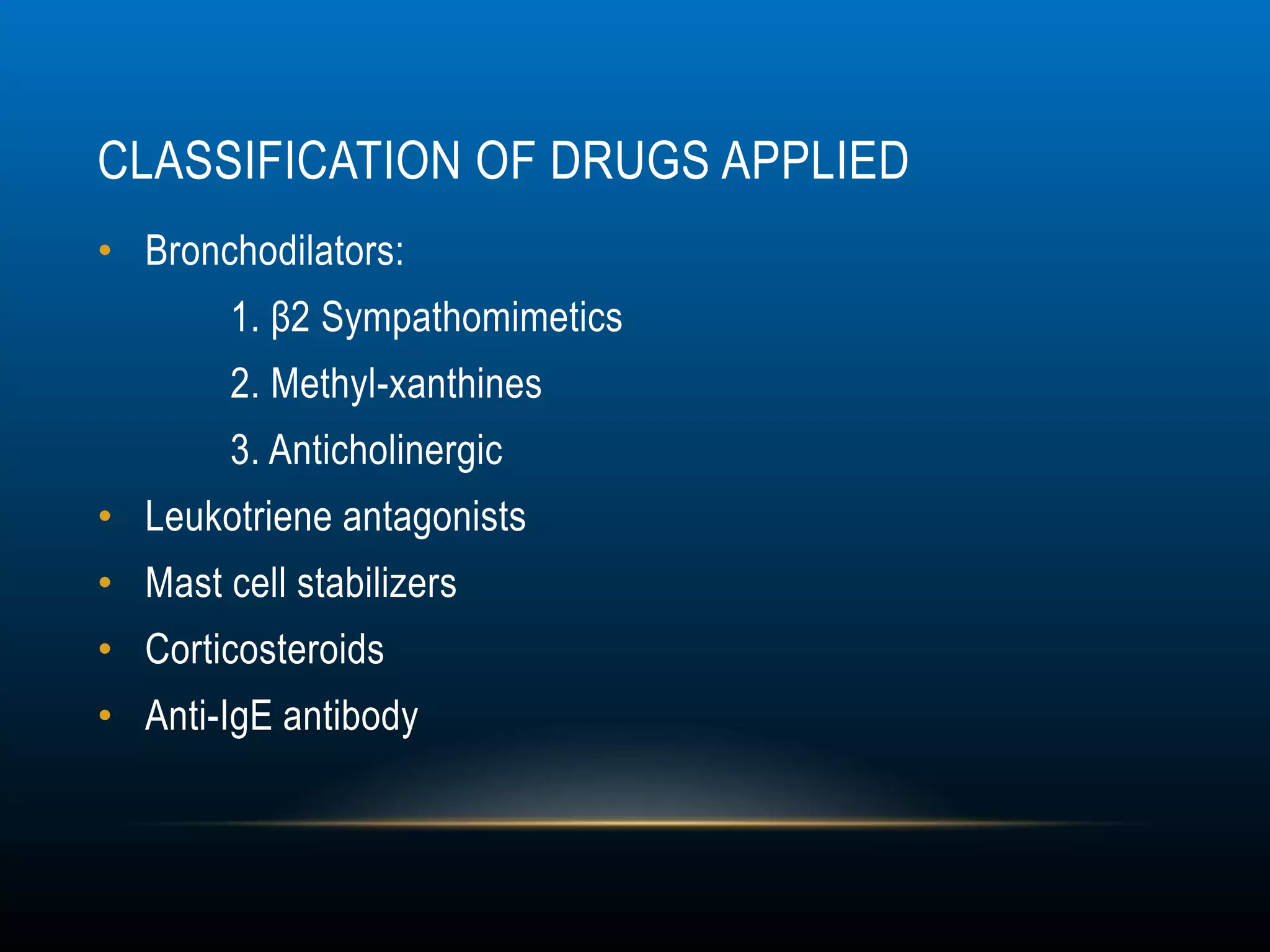
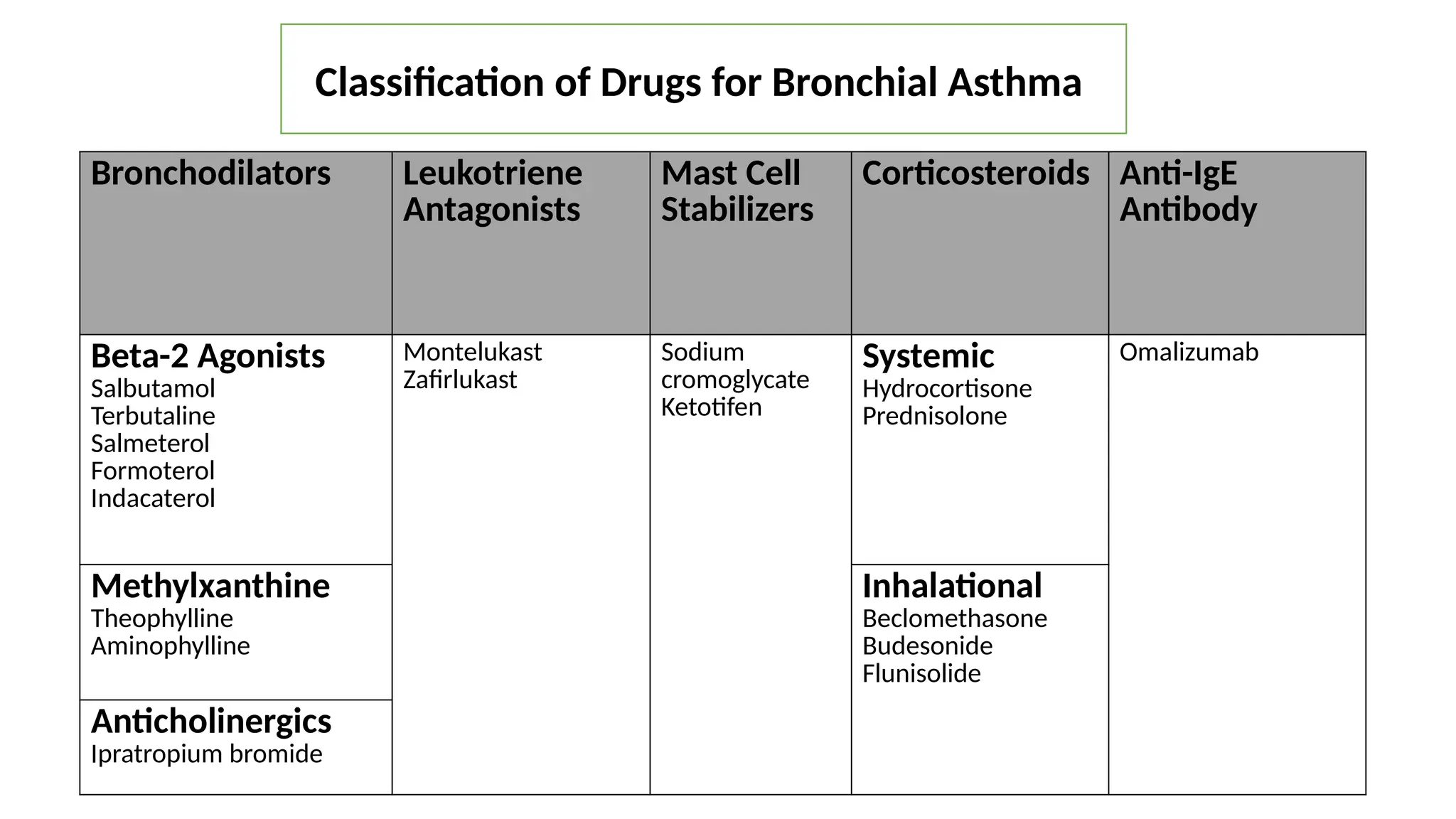
Anticholinergic drugs, or muscarinic antagonists, serve as an essential therapeutic class in asthma management by blocking acetylcholine-mediated bronchoconstriction. While inhaled corticosteroids and beta-agonists remain the cornerstone of treatment, anticholinergics—specifically Short-Acting Muscarinic Antagonists (SAMAs) and Long-Acting Muscarinic Antagonists (LAMAs)—provide critical additive bronchodilation for patients who require additional symptom control or experience suboptimal responses to standard therapy.
Understanding the Mechanism of Action
The physiology of asthma is characterized by reversible airway obstruction, hyperresponsiveness, and inflammation. A significant component of this obstruction is mediated by the parasympathetic nervous system. Vagal tone is the primary modulator of airway smooth muscle tone in humans; when stimulated, the vagus nerve releases acetylcholine, which binds to muscarinic receptors (specifically M3 receptors) on airway smooth muscle cells.
This binding process triggers intracellular pathways that result in smooth muscle contraction and subsequent bronchoconstriction. Furthermore, acetylcholine can stimulate mucus gland secretion, further contributing to airway plugging. Anticholinergic drugs function as competitive antagonists at these muscarinic receptor sites. By occupying the receptors, these agents prevent acetylcholine from binding, effectively inhibiting bronchoconstriction and reducing mucus hypersecretion. Unlike beta-2 agonists, which relax smooth muscle through a different metabolic pathway (cyclic AMP elevation), anticholinergics inhibit the primary "constriction signal," making them a complementary partner in dual-bronchodilator therapy.
Categorization of Anticholinergic Agents
Anticholinergic agents used in respiratory medicine are classified by their duration of action, which dictates their role in the clinical management of asthma.
Short-Acting Muscarinic Antagonists (SAMAs)
The primary representative of this class is Ipratropium bromide. SAMAs have a relatively rapid onset of action, though it is typically slower than that of short-acting beta-agonists (SABAs). In the context of asthma, SAMAs are rarely used as monotherapy. Instead, they are most frequently utilized in emergency departments as part of combination therapy for acute, severe asthma exacerbations. The synergistic effect of combining a SAMA with a SABA can lead to greater bronchodilation than using either agent alone in the emergency setting.
Long-Acting Muscarinic Antagonists (LAMAs)
LAMAs, such as Tiotropium, provide prolonged bronchodilation, often with a 24-hour duration of effect. These agents are increasingly utilized as "add-on" therapy for patients with persistent asthma who remain symptomatic despite adherence to medium- or high-dose inhaled corticosteroid (ICS) and long-acting beta-agonist (LABA) therapy. The inclusion of a LAMA can improve lung function, reduce the frequency of exacerbations, and enhance overall asthma control for patients categorized as having Step 4 or Step 5 asthma according to established clinical guidelines.
Clinical Indications and Evidence-Based Use
The decision to incorporate anticholinergic medication into an asthma treatment regimen is guided by the patient’s clinical response and severity level.
Management of Acute Exacerbations
In cases of acute asthma, the primary goal is rapid reversal of airflow obstruction. Guidelines from major respiratory associations highlight that the addition of Ipratropium bromide to a SABA (like Salbutamol) in the emergency room setting significantly reduces the rate of hospital admissions in patients presenting with moderate to severe exacerbations. The pharmacodynamic rationale is that the SABA reverses beta-mediated constriction, while the SAMA suppresses the cholinergic component, providing a broader approach to clearing the airways.
Add-on Therapy for Chronic Asthma
For patients with uncontrolled persistent asthma, the current therapeutic paradigm often involves the escalation of ICS doses or the addition of a LAMA. Adding a LAMA to an existing ICS/LABA regimen is often preferred over increasing the ICS dose to very high levels, as this approach can improve forced expiratory volume (FEV1) and provide better symptomatic control without the additional risks associated with systemic corticosteroid exposure.
Comparative Overview of Common Inhalant Medications
| Medication Class | Primary Representative | Typical Duration | Main Use Case |
|---|---|---|---|
| SABA | Salbutamol | 4–6 Hours | Acute symptom relief |
| SAMA | Ipratropium | 6–8 Hours | Acute exacerbation adjunct |
| LABA | Salmeterol | 12–24 Hours | Chronic maintenance (with ICS) |
| LAMA | Tiotropium | 24 Hours | Add-on for persistent asthma |
| ICS | Fluticasone | 12–24 Hours | Chronic anti-inflammatory |
Potential Side Effects and Safety Considerations
Like all pharmacological agents, anticholinergics carry potential side effects, though they are generally considered to have a favorable safety profile when administered via inhalation. Because these medications act locally in the airways, the systemic absorption is minimal compared to oral medications.
The most common side effect reported is dry mouth, which occurs due to the inhibition of salivary gland muscarinic receptors. Other less frequent adverse events include:
- Blurred Vision: Rare, but can occur if the medication is inadvertently sprayed into the eyes.
- Urinary Retention: Primarily a concern for elderly patients with pre-existing bladder outlet obstruction or benign prostatic hyperplasia (BPH).
- Cardiovascular Effects: While generally safe, patients with significant cardiac arrhythmias should have their treatment monitored by a physician.
Patients using nebulized formulations or metered-dose inhalers (MDIs) should be instructed on proper technique to minimize medication deposition in the oropharynx, which can mitigate local side effects.
Practical Considerations for Patients and Clinicians
Integrating anticholinergic therapy requires a systematic approach to ensure efficacy and patient adherence.
Assessment of Technique
For any inhaled medication, the clinical benefit is dependent on correct delivery. Clinicians must verify that the patient can properly coordinate the actuation of their inhaler with inhalation. If a patient cannot master a standard MDI, a spacer device or a dry powder inhaler (DPI) may be necessary to ensure the drug reaches the smaller airways.
Monitoring Response
The transition to LAMA therapy should be documented with objective measurements, such as spirometry, over a 4-to-8-week period. If the patient does not show a measurable improvement in lung function or a reduction in the need for "rescue" SABA usage, the clinician should re-evaluate the asthma phenotype. Some patients may have specific inflammatory profiles (e.g., eosinophilic asthma) that respond more effectively to biologics than to anticholinergics.
Addressing Comorbidities
Many patients with asthma also present with allergic rhinitis or chronic obstructive pulmonary disease (COPD). Because LAMAs are the gold standard in COPD management, patients with asthma-COPD overlap (ACO) may benefit significantly from the dual action of these agents, as they target the bronchoconstrictive physiology common to both conditions.
Frequently Asked Questions
Can anticholinergics replace steroids in asthma treatment?
No. Anticholinergics are bronchodilators, meaning they relax airway muscles. They do not address the underlying inflammation that drives the asthma process. Inhaled corticosteroids remain the standard of care for long-term control because they treat the inflammation that causes airways to narrow in the first place.
Are anticholinergics safe for long-term use?
Yes, when used as prescribed. LAMAs such as Tiotropium have been extensively studied and are approved for long-term maintenance treatment of asthma. They are considered safe for the majority of patients when used within the therapeutic dosage range established by clinical guidelines.
How quickly do anticholinergics work?
SAMAs like Ipratropium have an onset within minutes, making them suitable for acute settings. LAMAs are designed for steady-state control and may take several days of regular use to reach their full therapeutic effect on lung function.
Do these drugs interact with other asthma medications?
Anticholinergics generally work well in combination with beta-agonists and corticosteroids. In fact, many modern inhaler devices now combine these classes into a single delivery system to simplify patient adherence. Always consult with a healthcare provider to ensure that your specific combination of medications is optimized for your unique health profile.
What should I do if I experience dry mouth?
Dry mouth is a known, non-dangerous side effect. Many patients find relief by drinking small amounts of water, chewing sugar-free gum, or using oral rinses. If the sensation becomes bothersome, speak with a pharmacist or physician about alternative delivery techniques or medication adjustments.
Next Actions for Asthma Management
If you believe your asthma is not adequately controlled with your current regimen, the next step is to schedule a consultation with a pulmonologist or primary care physician specializing in respiratory health. Prepare for this visit by documenting your daily symptoms, the frequency of SABA rescue inhaler use, and any triggers you have identified. Ask your provider specifically whether the addition of a long-acting muscarinic antagonist is appropriate for your specific asthma phenotype and clinical history. Proper asthma management is a dynamic process that requires periodic adjustment to ensure both immediate symptom relief and long-term lung health.