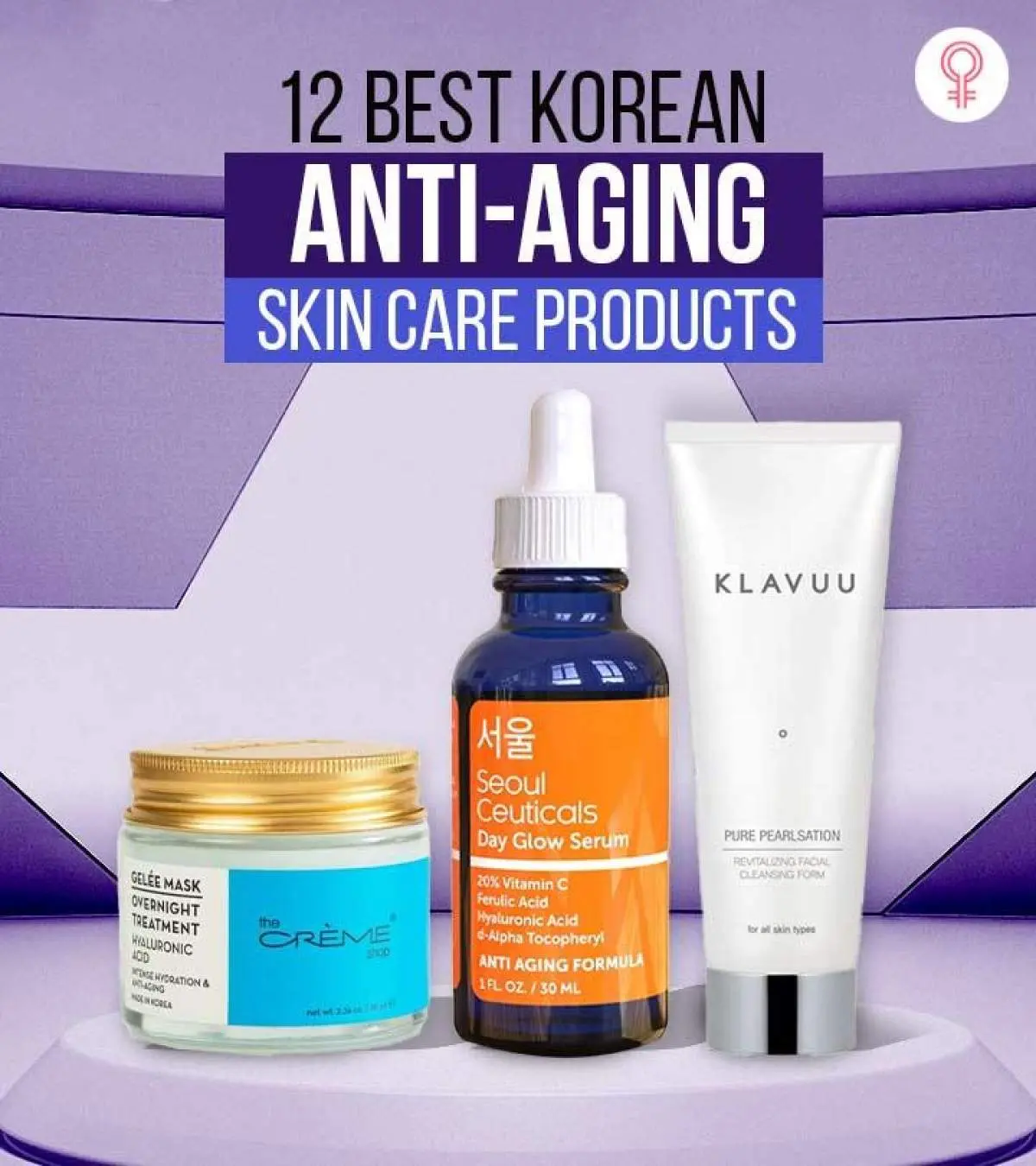
Antiaging skin products are topical treatments designed to mitigate, delay, or reverse visible signs of biological and environmental aging. By utilizing active compounds such as retinoids, peptides, and antioxidants, these formulations target cellular turnover, collagen synthesis, and hydration levels to reduce the appearance of fine lines, wrinkles, and hyperpigmentation.
The Biological Foundation of Skin Aging
To understand why specific antiaging skin products are necessary, one must first understand the two primary pathways of skin aging: intrinsic and extrinsic. As of 2026, dermatological science distinguishes between these pathways to help consumers select products that address their specific concerns.
Intrinsic aging is the natural, genetically determined process that occurs over time. In this process, the production of collagen—the protein responsible for skin structural integrity—decreases by approximately 1% every year after the age of 20. Simultaneously, elastin fibers lose their "snap," and the skin's ability to retain moisture via natural hyaluronic acid diminishes.
Extrinsic aging is driven by external factors, primarily ultraviolet (UV) radiation (photoaging), pollution, and lifestyle habits like smoking or high-sugar diets. Research confirmed by the Skin Cancer Foundation indicates that up to 90% of visible skin changes attributed to aging are caused by the sun. These factors generate free radicals—unstable molecules that damage cellular DNA and break down the skin’s support structure through oxidative stress.
Antiaging skin products function as a defense mechanism against these two forces. They either provide the building blocks the skin is no longer producing or shield the skin from the environmental aggressors that accelerate degradation.
Essential Ingredients in Modern Antiaging Formulations
In 2026, the marketplace for antiaging skin products is saturated with "miracle" claims. However, clinical efficacy remains concentrated within a specific group of well-studied active ingredients. When evaluating a product, the presence and concentration of these actives determine its performance.
Retinoids: The Gold Standard
Retinoids, derivatives of Vitamin A, remain the most evidenced-based ingredients in the antiaging arsenal. They work by binding to retinoic acid receptors in the skin, which promotes cellular proliferation and inhibits the enzymes that break down collagen.
- Retinol: The most common over-the-counter (OTC) version. It must be converted by skin enzymes into retinoic acid.
- Retinaldehyde (Retinal): A more potent OTC option that requires only one conversion step, making it faster-acting than retinol but generally better tolerated than prescription versions.
- Tretinoin: A prescription-strength pure retinoic acid used for significant photo-damage and deep wrinkles.
- Granactive Retinoid: A newer, hydroxypinacolone retinoate ester that offers high stability and low irritation, popular in 2026 formulations for sensitive skin.
Vitamin C and Antioxidants
Antioxidants are the primary defense against extrinsic aging. Vitamin C (L-ascorbic acid) is the most prominent, known for neutralizing free radicals and inhibiting tyrosinase, the enzyme responsible for melanin production (which causes age spots). For a Vitamin C serum to be effective, it typically requires a concentration between 10% and 20% and a low pH (under 3.5) to penetrate the stratum corneum.
Peptides and Growth Factors
Peptides are short chains of amino acids that act as signaling molecules. When applied topically, they "trick" the skin into thinking it has suffered a minor injury, triggering a healing response that includes the production of new collagen and elastin. Common types include signal peptides (like Palmitoyl Pentapeptide-4) and neurotransmitter-inhibiting peptides (like Argireline), which aim to provide a mild, temporary "Botox-like" effect by relaxing facial muscles.
Alpha Hydroxy Acids (AHAs)
AHAs, such as glycolic and lactic acid, are chemical exfoliants. They dissolve the intercellular "glue" that holds dead skin cells together. By removing this dull top layer, AHAs improve skin texture, increase radiance, and allow other antiaging products to penetrate more deeply.
Comparing Key Antiaging Ingredients
The following table summarizes the primary functions, benefits, and typical usage of the leading antiaging ingredients available in 2026.
| Ingredient | Primary Function | Best For | Potential Side Effects |
|---|---|---|---|
| Retinoids | Cell turnover & collagen | Wrinkles, acne, texture | Dryness, redness, sun sensitivity |
| Vitamin C | Protection & brightening | Hyper-pigmentation, dullness | Irritation in high concentrations |
| Hyaluronic Acid | Deep hydration | Fine lines, dehydration | Minimal (generally safe for all) |
| Peptides | Structural signaling | Firming, skin elasticity | Rare; generally well-tolerated |
| Niacinamide | Barrier repair | Pores, redness, uneven tone | Flushing (if used with high-acid products) |
| Glycolic Acid | Exfoliation | Rough texture, age spots | Tingling, sun sensitivity |
How to Build an Effective Antiaging Routine
Success with antiaging skin products is not just about the ingredients themselves, but the order and consistency of application. A haphazard approach can lead to "skincare-induced dermatitis" or the inactivation of expensive ingredients.
The Morning Protocol: Protection
The morning routine should focus on defense.
- Cleansing: Use a gentle, non-stripping cleanser to remove overnight sebum.
- Antioxidant Serum: Apply Vitamin C to clean, dry skin. This provides a reservoir of antioxidants that works alongside your sunscreen.
- Hydration: Apply a lightweight moisturizer or a hyaluronic acid serum.
- Sunscreen: This is the most critical step. Use a broad-spectrum SPF 30 or higher. In 2026, many mineral sunscreens use micronized zinc oxide for a transparent finish without the "white cast."
The Evening Protocol: Repair
The evening is when the skin undergoes its natural repair cycle, making it the ideal time for "heavy hitters" like retinoids.
- Double Cleanse: Use an oil-based cleanser followed by a water-based one to ensure all sunscreen and pollutants are removed.
- Treatment (Retinoid): Apply your retinoid of choice. If you have sensitive skin, use the "sandwich method": apply a thin layer of moisturizer, then the retinoid, then more moisturizer.
- Targeted Treatments: Apply eye creams or neck-specific firming creams.
- Barrier Support: Finish with a cream containing ceramides or fatty acids to prevent transepidermal water loss (TEWL).
Common Mistakes and Troubleshooting
Even with the best antiaging skin products, users often encounter plateaus or adverse reactions. Avoiding these common pitfalls is essential for long-term skin health.
1. Over-Exfoliation: Many consumers believe that if a little acid is good, a lot is better. Using high-percentage AHAs daily while also using a retinoid can compromise the skin barrier. Symptoms include a "waxy" shine, persistent redness, and a stinging sensation when applying even basic moisturizers. If this occurs, stop all actives for 14 days and focus on barrier repair.
2. Neglecting the "Aging Triangle": The face is often the focus, but the neck, décolletage, and the backs of the hands are frequently the first areas to show significant aging. These areas have thinner skin and fewer oil glands than the face, making them more prone to wrinkling. Antiaging products, especially sunscreen and retinoids, should be extended to these regions.
3. Inconsistent Sun Protection: Using a $200 retinoid serum is ineffective if you do not use sunscreen. UV radiation actively breaks down the collagen that your antiaging products are trying to build. Furthermore, ingredients like AHAs and retinoids make the skin more photosensitive, meaning you could actually accelerate aging if you use these products without diligent SPF.
4. Mixing Incompatible Ingredients: Vitamin C (which requires a low pH) and Retinol (which works best at a neutral pH) can neutralize each other if applied at the same time. Similarly, using Copper Peptides and Vitamin C together can lead to oxidation, rendering both ineffective. It is safer to use Vitamin C in the morning and Retinoids/Peptides at night.
The Role of Professional Guidance
While OTC antiaging skin products are highly effective in 2026, they have limitations. Cosmetic dermatologists can provide "medical-grade" skincare that contains higher concentrations of actives or stabilization technologies not available in traditional retail.
Furthermore, for deep-set wrinkles (static wrinkles) or significant volume loss (the "hollowing" of the cheeks), topical products can only do so much. These concerns often require a combination of topical products and clinical procedures such as microneedling, chemical peels, or fractional laser resurfacing. A consultation with a board-certified dermatologist can help establish a baseline and prevent the wasted expense of products that cannot address structural aging.
Disclaimer: This information is for educational purposes. Always consult with a healthcare professional or dermatologist before starting a new skincare regimen, especially if you have underlying skin conditions, are pregnant, or are nursing.
Frequently Asked Questions
At what age should I start using antiaging products?
Prevention is more effective than correction. While "antiaging" is often associated with older demographics, most dermatologists recommend starting a preventative routine in your mid-20s. This usually involves basic sun protection and an antioxidant serum. Potent actives like retinoids are typically introduced in the late 20s or early 30s when the first signs of slowed cell turnover appear.
Why does my skin peel when I use retinol?
This is known as "retinization." Retinol increases the rate at which skin cells are produced and shed. Initially, the skin may struggle to keep up with this pace, leading to dryness and peeling. To mitigate this, start by using the product twice a week and slowly increase frequency as your skin builds tolerance.
Can natural oils replace antiaging creams?
While oils like rosehip or argan provide excellent fatty acids and some vitamins, they generally lack the concentrated, stabilized active ingredients (like pure Retinol or specific Peptides) found in formulated antiaging products. Oils are best used as "sealants" at the end of a routine rather than as primary treatment steps.
Does "expensive" always mean "better" in skincare?
Not necessarily. The price of a product often reflects branding, packaging, and proprietary scent profiles. In 2026, many affordable brands offer clinical-strength ingredients with minimal "filler." However, more expensive brands may invest more in stabilization technology (ensuring Vitamin C doesn't go bad) or sophisticated delivery systems that help actives penetrate deeper.
How long does it take to see results from antiaging products?
Skin cells take approximately 28 to 40 days to renew. Therefore, you should use any new antiaging product consistently for at least 8 to 12 weeks before evaluating its effectiveness. Improvements in hydration can be seen in days, but changes in fine lines and pigmentation require months of consistent use.
Practical Recommendation: Your Next Steps
To begin or refine your antiaging journey, start by identifying your primary concern: is it texture, tone (spots), or laxity (sagging)?
- Audit your current routine: Ensure you have a stable, broad-spectrum sunscreen that you enjoy wearing every day.
- Introduce one active at a time: Do not start a Retinoid and a Vitamin C serum in the same week. Give your skin 14 days to adjust to one before adding another.
- Track your progress: Take a clear photo in natural light today. Re-evaluate in three months. If you see no change, consider a higher concentration or a different class of active ingredient.
The goal of antiaging skin products is not to stop the clock entirely, but to ensure your skin remains healthy, resilient, and vibrant at every stage of life.