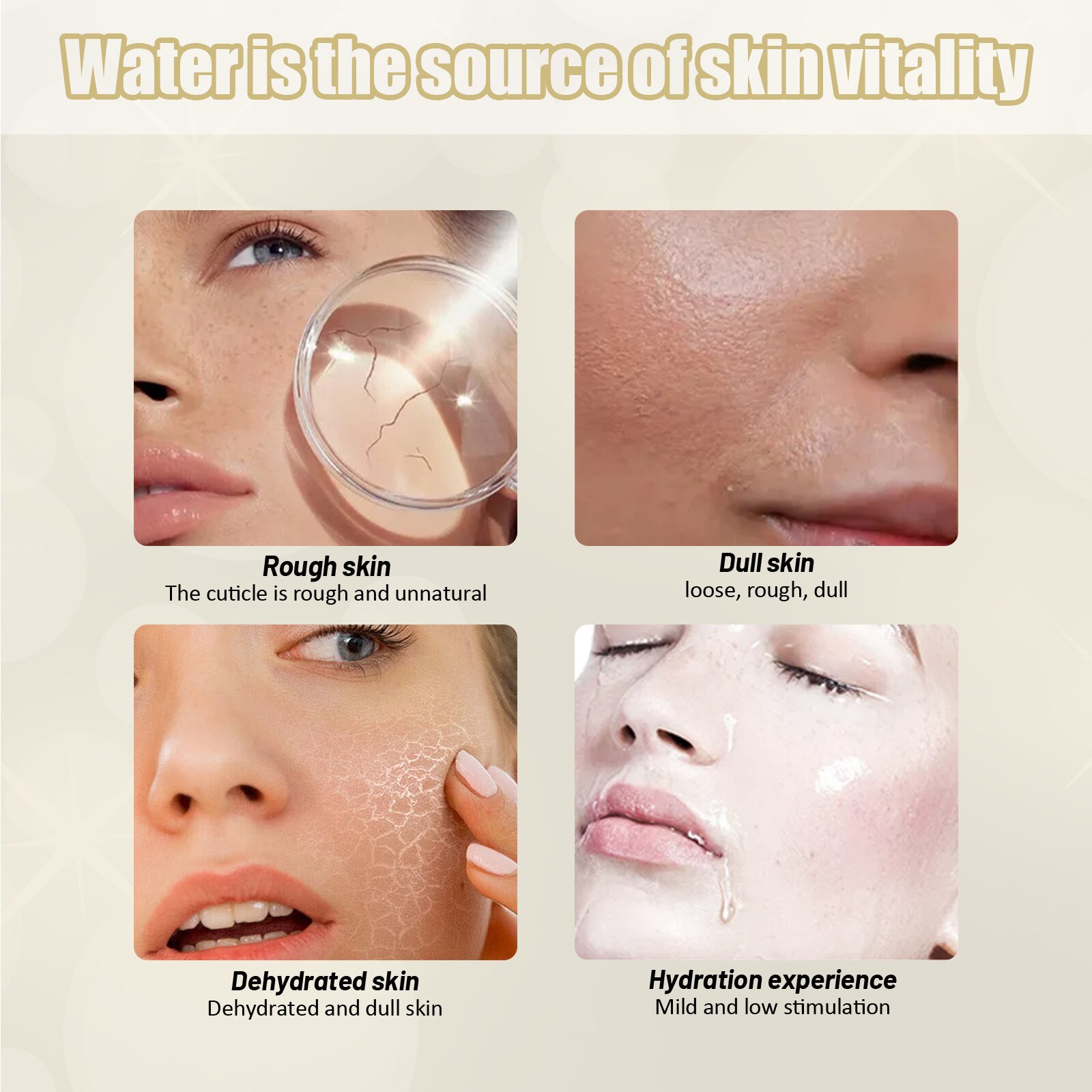
Science confirms that while no topical cream can completely "erase" deep-set wrinkles or mimic the results of surgical intervention, specific active ingredients—primarily retinoids, vitamin C, and broad-spectrum sunscreens—can clinically improve skin texture, stimulate collagen production, and prevent further degradation. Success depends on the molecular stability, concentration, and consistent application of these evidence-based compounds.
The skincare industry in 2026 remains a multi-billion dollar landscape filled with bold claims and sophisticated marketing. For consumers seeking to navigate this space, distinguishing between "hope in a jar" and dermatological evidence is essential. To understand what science actually says about anti-wrinkle creams, we must first look at the biological mechanisms of skin aging and the specific molecules proven to influence them.
The Biology of Skin Aging: Intrinsic vs. Extrinsic
To evaluate if a cream works, one must understand what it is trying to fix. Skin aging occurs through two distinct processes: intrinsic (chronological) aging and extrinsic (environmental) aging.
Intrinsic aging is the natural, genetically determined process that occurs over time. As we age, the rate of cell turnover slows down. The dermis, the skin's middle layer, begins to thin. Fibroblasts—the cells responsible for producing collagen and elastin—become less active. This results in a loss of structural integrity and elasticity.
Extrinsic aging, often referred to as photoaging, is responsible for approximately 80% to 90% of visible facial aging. It is caused by external factors such as ultraviolet (UV) radiation, pollution, and lifestyle choices like smoking. UV radiation, in particular, generates reactive oxygen species (ROS) that break down collagen fibers and cause the accumulation of abnormal elastin (solar elastosis).
Scientific anti-wrinkle interventions focus on three primary goals: protecting existing structures from extrinsic damage, stimulating the synthesis of new collagen and elastin, and accelerating the removal of damaged surface cells.
The Gold Standard: Retinoids and Vitamin A Derivatives
When discussing what science actually says about anti-wrinkle creams, retinoids are the undisputed heavyweights. Derived from Vitamin A, this class of compounds has been studied for decades, with a robust body of peer-reviewed evidence supporting its efficacy.
How Retinoids Work
Retinoids work by binding to specific nuclear receptors (RAR and RXR) within the skin cells. This binding triggers a cascade of gene expressions that increase keratinocyte proliferation and strengthen the protective function of the epidermis. More importantly for wrinkles, retinoids inhibit the expression of matrix metalloproteinases (MMPs), which are enzymes that break down collagen. By inhibiting MMPs and stimulating fibroblasts to produce new collagen (specifically types I and III), retinoids can physically thicken the deeper layers of the skin and smooth out fine lines.
Types of Retinoids
In 2026, the market offers several tiers of retinoids:
- Tretinoin (Retinoic Acid): The most potent form, available primarily by prescription. It is already in its bioavailable form, meaning the skin does not need to convert it to work.
- Retinaldehyde (Retinal): A potent over-the-counter (OTC) option that requires only one conversion step to become retinoic acid. Clinical studies show it is highly effective with less irritation than tretinoin.
- Retinol: The most common OTC ingredient. It requires two conversion steps within the skin, making it slower-acting but generally better tolerated by sensitive skin types.
- Adapalene: Originally used for acne, this third-generation retinoid is increasingly recognized for its anti-aging benefits due to its stability and receptor selectivity.
Scientific consensus suggests that while OTC retinol is effective, it requires consistent use over six to twelve months to see structural changes in wrinkle depth.
Antioxidants: The Role of Vitamin C and Ferulic Acid
If retinoids are the "repair" crew, antioxidants are the "defense" team. Science dictates that the skin is constantly under oxidative stress. Antioxidants neutralize free radicals before they can damage the cellular DNA and collagen matrix.
Vitamin C (L-Ascorbic Acid)
Vitamin C is essential for collagen synthesis. It acts as a mandatory cofactor for the enzymes prolyl hydroxylase and lysyl hydroxylase, which stabilize and cross-link collagen molecules. Without adequate Vitamin C, the body cannot produce functional collagen.
However, the science of Vitamin C in creams is complex. L-Ascorbic acid is notoriously unstable; it oxidizes quickly when exposed to light or air, turning brown and becoming useless (or even pro-oxidant). Furthermore, for Vitamin C to penetrate the skin's lipid barrier, the formulation must have a low pH (usually below 3.5). Research has shown that a combination of 15% Vitamin C, 1% Vitamin E, and 0.5% Ferulic Acid significantly increases the stability and efficacy of the formula, providing a synergistic effect against UV-induced damage.
Peptides: The Messengers of the Skin
Peptides have gained significant traction in the 2020s, and by 2026, they are a staple of high-end anti-wrinkle formulations. Peptides are short chains of amino acids that serve as signaling molecules.
The scientific premise behind peptides like Matrixyl (Palmitoyl Pentapeptide-4) is "bio-mimicry." When collagen breaks down naturally, it creates peptide fragments. The presence of these fragments signals to the skin that it is injured and needs to produce more collagen. By applying synthetic peptides topically, we essentially "trick" the skin into thinking it needs to undergo repair, thereby boosting collagen and hyaluronic acid production.
While the data for peptides is promising, it is generally considered secondary to retinoids. They are excellent for individuals who cannot tolerate the irritation of Vitamin A derivatives or as a complementary ingredient to a broader regimen.
The Importance of Sunscreen as an "Anti-Wrinkle" Cream
It is a scientific fact that the most effective anti-wrinkle cream is a high-SPF, broad-spectrum sunscreen. Because UV radiation is the primary driver of extrinsic aging, preventing that damage is far more effective than trying to repair it later.
Modern sunscreens in 2026 have moved beyond simple UV filters. Many now incorporate DNA repair enzymes (like photolyase) and infrared protection. Science indicates that even if you use the most expensive retinoid in the world, the benefits will be neutralized if the skin is left unprotected from the sun during the day. Consistent use of SPF 30 or higher has been shown in long-term studies to not only prevent new wrinkles but also allow the skin's natural repair mechanisms to improve existing signs of aging over time.
Comparing Evidence-Based Ingredients
The following table summarizes the scientific standing of the most common anti-wrinkle ingredients as of 2026.
| Ingredient | Scientific Evidence Level | Primary Mechanism | Best For |
|---|---|---|---|
| Retinoids | Very High | Collagen synthesis & cell turnover | Fine lines, deep wrinkles, texture |
| Vitamin C | High | Antioxidant protection & collagen cofactor | Brightening, prevention, firming |
| AHAs (Glycolic Acid) | High | Chemical exfoliation & hydration | Surface smoothness, radiance |
| Niacinamide | Moderate-High | Barrier repair & anti-inflammation | Pore texture, fine lines, redness |
| Peptides | Moderate | Cell signaling (collagen boost) | Firming, sensitive skin aging |
| Hyaluronic Acid | Moderate (Surface only) | Humectant (water retention) | Temporary plumping, hydration |
| Bakuchiol | Emerging | Plant-based retinol alternative | Sensitive skin anti-aging |
The Limits of Science: What Creams Cannot Do
Despite the advancements in cosmetic chemistry, there are biological "hard limits" to what a topical cream can achieve. Science is very clear on the following points:
- Deep Folds vs. Fine Lines: Creams are effective for fine lines caused by surface dehydration or early collagen loss. However, deep structural folds—such as nasolabial folds (smile lines) or significant sagging (jowls)—are caused by the loss of underlying fat pads and bone resorption. No cream can restore lost facial volume or move muscle.
- Instant Results: Any product claiming to "erase wrinkles in minutes" is using a temporary film-forming agent (like silicates) that physically pulls the skin tight as it dries. This effect is washed away with water and does not represent a biological change in the skin.
- The "Medical Grade" Myth: The term "medical grade" is a marketing term, not a legal or scientific classification. While some office-dispensed brands have higher concentrations of actives, the science depends on the formulation and pH, not the channel through which it is sold.
Safety, Side Effects, and Application
The more "scientifically active" a cream is, the higher the likelihood of side effects. This is particularly true for retinoids and high-concentration AHAs.
- Retinization: When starting a retinoid, the skin often undergoes a period of redness, peeling, and sensitivity. This is not necessarily an allergic reaction but a sign that the skin is adjusting to the increased rate of cell turnover.
- Photosensitivity: Ingredients like glycolic acid and retinol can make the skin more susceptible to sunburn. Scientific guidelines mandate that these products be used at night, followed by rigorous sun protection the following day.
- Ingredient Conflicts: Science suggests that using too many actives at once can compromise the skin barrier. For instance, using a high-percentage Vitamin C serum and a Retinoid simultaneously can lead to irritant contact dermatitis. A structured routine—Vitamin C in the morning and Retinoid at night—is the standard recommendation from the American Academy of Dermatology.
FAQ: Frequently Asked Questions
At what age should I start using anti-wrinkle creams?
The scientific answer is that "anti-aging" starts with protection. Sunscreen should be used from infancy. For corrective ingredients like retinoids, many dermatologists suggest starting in the mid-to-late 20s or early 30s, which is when the body's natural collagen production begins to decline by approximately 1% per year.
Can I mix different anti-aging ingredients together?
While some ingredients work synergistically (like Vitamin C and E), others can deactivate each other or cause extreme irritation. For example, copper peptides and Vitamin C can sometimes cancel each other out if applied at the exact same moment. It is generally safer to layer products from thinnest to thickest consistency and allow each to absorb, or use them at different times of the day.
Are expensive creams better than drugstore options?
Not necessarily. The price of a cream often reflects the packaging, branding, and proprietary "extracts" that may have little scientific backing. Look for the "active" concentrations. A $20 retinol serum with the correct pH and stabilization can be more effective than a $300 "luxury" cream that lacks proven active ingredients.
Is Bakuchiol a real scientific alternative to Retinol?
Studies, including a prominent 2019 study in the British Journal of Dermatology, suggest that Bakuchiol functions similarly to retinol by regulating gene expression. It is an excellent option for those with rosacea or extremely sensitive skin who cannot tolerate traditional Vitamin A, though it has fewer long-term longitudinal studies than retinol.
Do "collagen" creams work?
Topical collagen molecules are generally too large to penetrate the skin's basement membrane to reach the dermis where they are needed. While collagen creams are excellent moisturizers that can make the skin look plumper via hydration, they do not add to the skin's internal collagen supply. To boost collagen, you need ingredients that stimulate its production, like retinoids or Vitamin C.
Summary and Practical Recommendation
The science of anti-wrinkle creams is grounded in three pillars: Protection, Stimulation, and Hydration.
To build a scientifically sound routine in 2026, start with a daily broad-spectrum SPF 30+ to prevent further damage. Incorporate a stabilized Vitamin C serum in the morning to neutralize environmental pollutants. In the evening, use a retinoid (starting with a low concentration to build tolerance) to stimulate collagen synthesis and repair. Finally, ensure the skin barrier is supported with humectants like hyaluronic acid and emollients like ceramides.
Consistency is the most important factor. Scientific studies show that structural changes in the skin take months, not days. Patience and adherence to a proven regimen will yield significantly better results than chasing the latest unproven "miracle" ingredient.