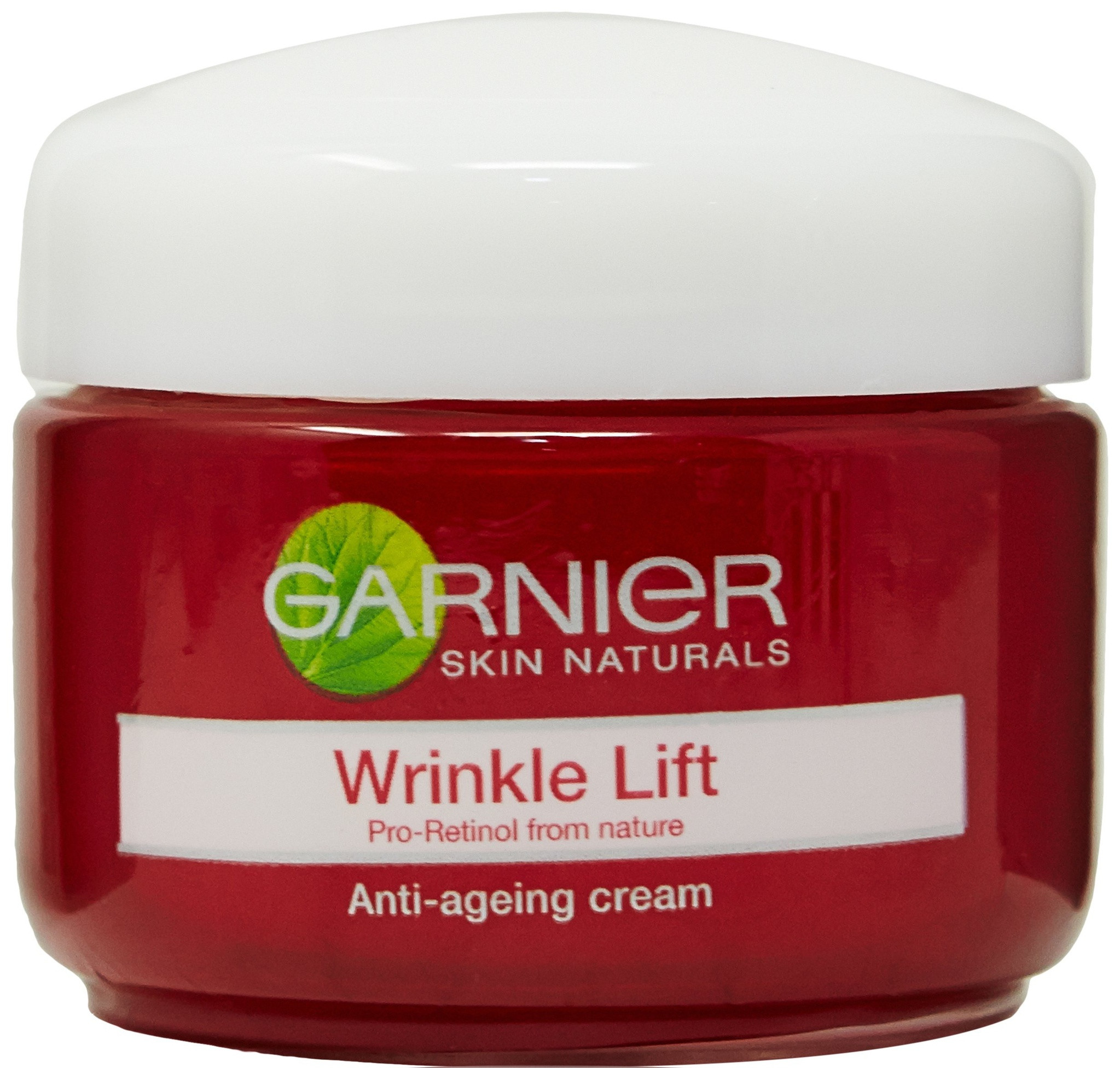
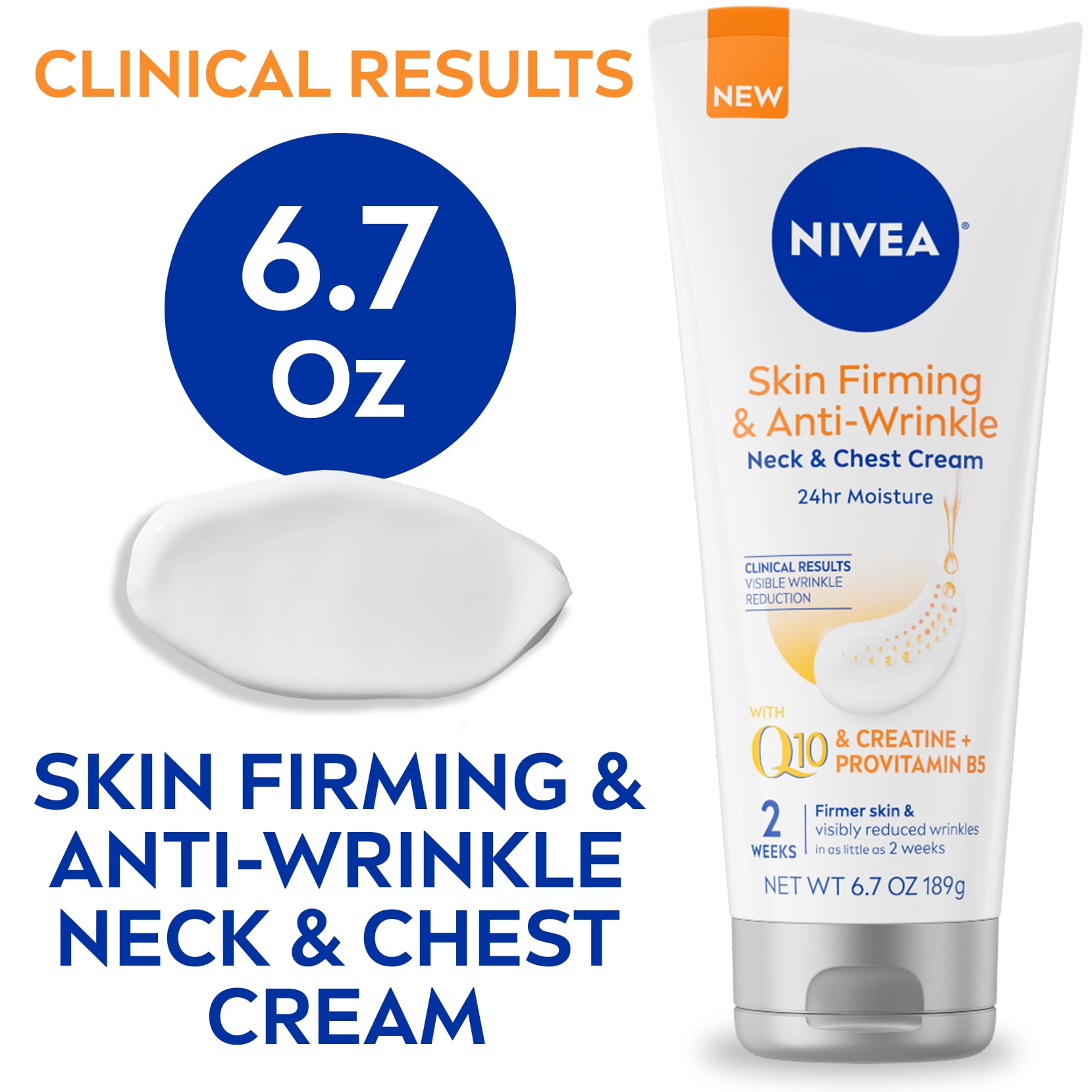
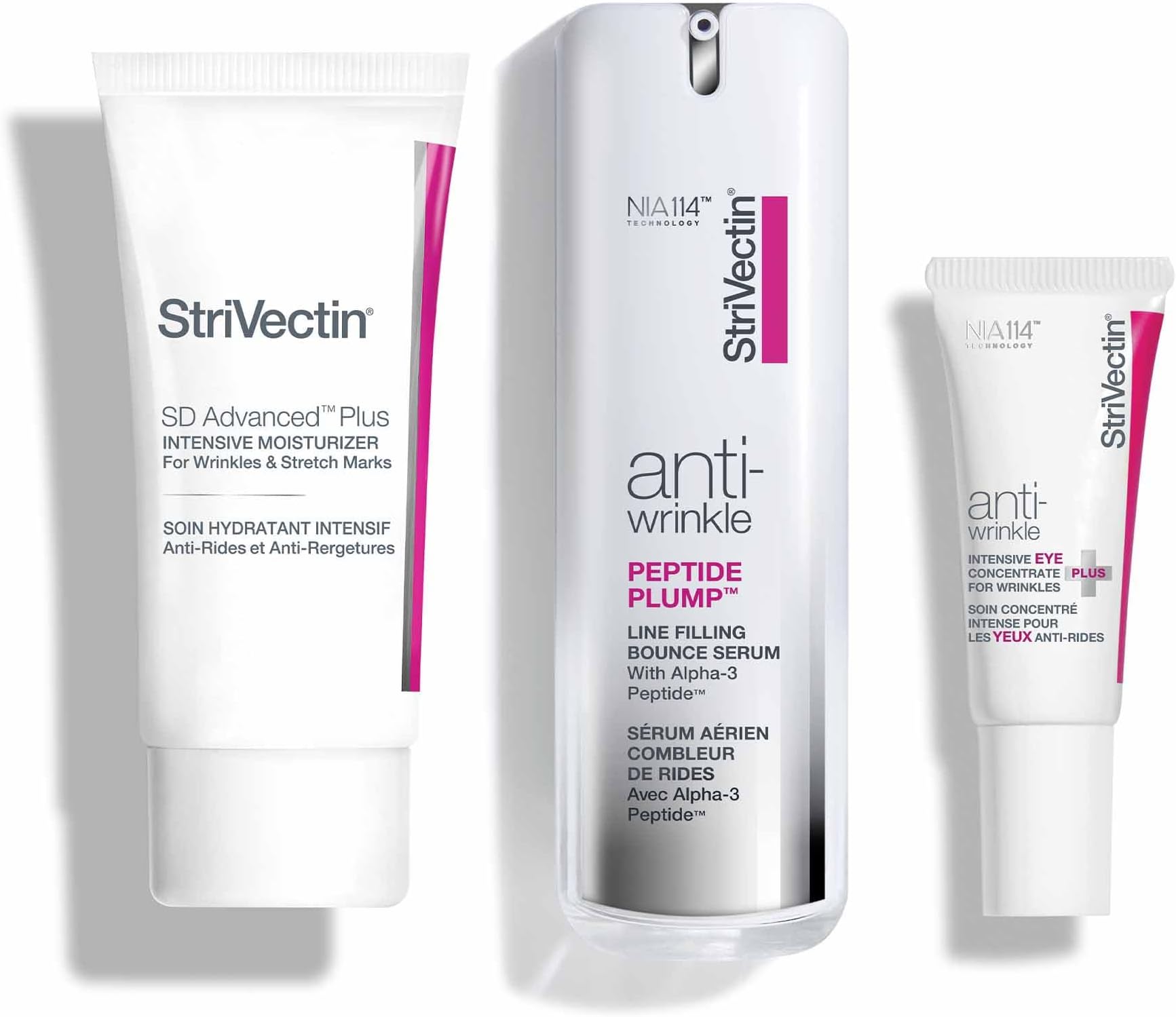
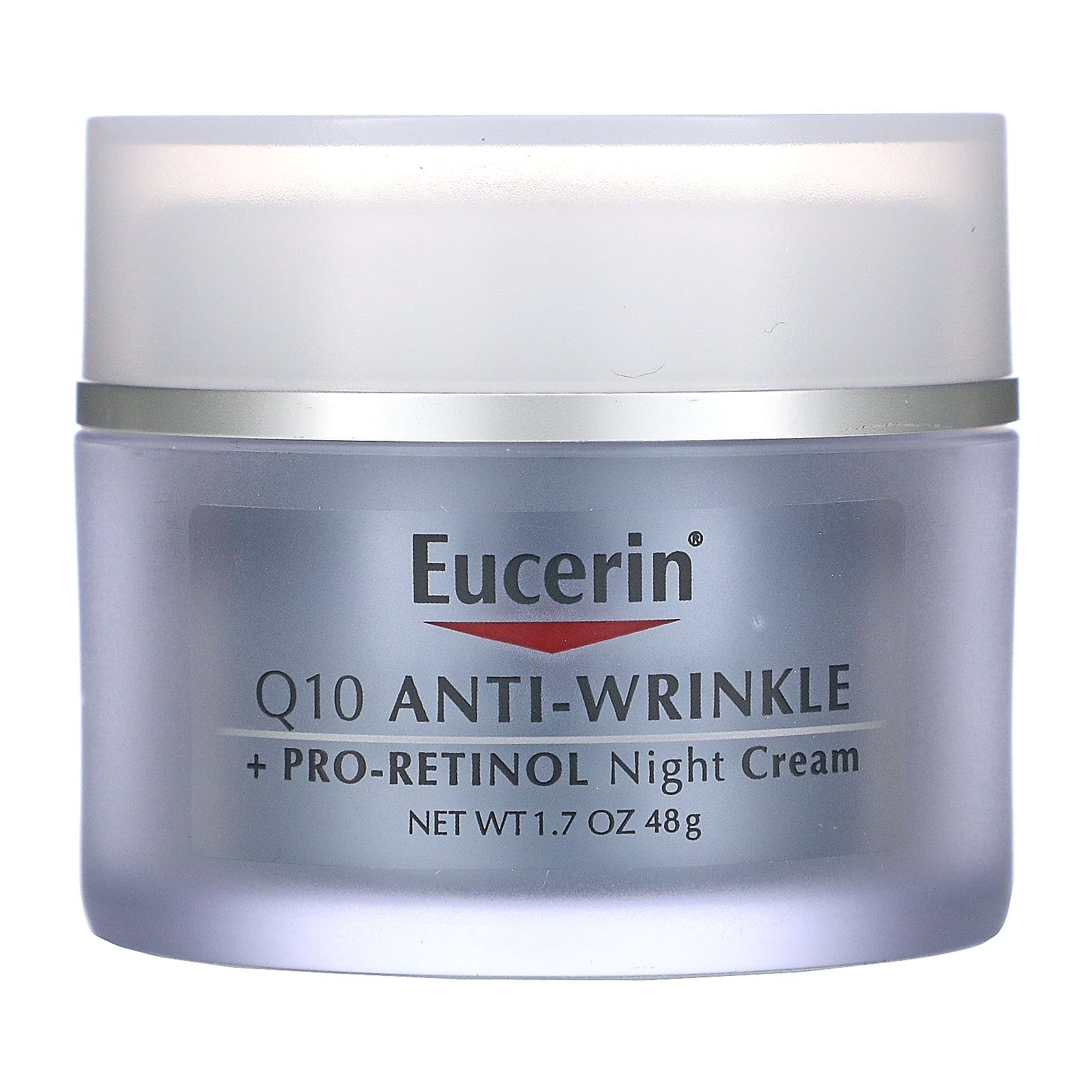
Effective anti-wrinkle creams in 2026 rely on clinically proven active ingredients such as stabilized retinaldehyde, multi-molecular hyaluronic acid, and signal peptides to stimulate collagen production and improve skin texture. To achieve visible results, users must select products tailored to their skin type and maintain a consistent application schedule alongside daily broad-spectrum sun protection.
Understanding Skin Aging and Wrinkle Formation
To evaluate any anti-wrinkle cream review, one must first understand the biological mechanisms of skin aging. Wrinkles are not merely surface lines; they are the result of structural changes within the dermal and epidermal layers of the skin. Aging is generally categorized into two types: intrinsic and extrinsic.
Intrinsic aging is the natural chronological process that everyone undergoes. As we age, the production of collagen—the protein responsible for skin firmness—decreases by approximately 1% each year after the age of 20. Simultaneously, elastin fibers, which provide the skin its "snap-back" quality, begin to degrade. In 2026, dermatological research continues to emphasize that while we cannot stop intrinsic aging, we can significantly influence the rate of extrinsic aging.
Extrinsic aging is caused by external factors, primarily ultraviolet (UV) radiation from the sun, pollution, and lifestyle choices such as smoking or high-sugar diets. UV exposure leads to "photoaging," which accounts for nearly 80% of visible facial aging. This process triggers the production of free radicals—unstable molecules that damage cellular structures and accelerate the breakdown of the extracellular matrix. Modern anti-wrinkle creams are formulated to address both types of aging by neutralizing free radicals and providing the building blocks for new structural proteins.
Key Ingredients to Seek in 2026 Formulations
When reading an anti-wrinkle cream review, the ingredient list (INCI) is the most critical factor in determining efficacy. In 2026, several high-performance molecules have emerged as the industry standards for non-invasive skin rejuvenation.
Retinoids and Retinaldehyde
Retinoids remain the gold standard for topical anti-aging. By 2026, many formulations have shifted from traditional Retinol to Retinaldehyde (Retinal). Retinal is a precursor to retinoic acid that requires only one conversion step within the skin, making it up to 11 times faster-acting than standard Retinol while often being less irritating. These Vitamin A derivatives work by increasing cellular turnover and stimulating the fibroblasts to produce more collagen.
Advanced Peptide Complexes
Peptides are short chains of amino acids that act as messengers to the skin. In 2026, "signal peptides" and "neurotransmitter-inhibiting peptides" are common in top-tier reviews. Signal peptides, such as Palmitoyl Pentapeptide-4 (Matrixyl), trick the skin into thinking it has lost collagen, triggering a repair response. Neurotransmitter inhibitors, like Acetyl Hexapeptide-8 (Argireline), help relax facial muscles to soften the appearance of expression lines, often referred to in marketing as "Botox in a jar."
Niacinamide and The Skin Barrier
Niacinamide (Vitamin B3) has become a staple in anti-wrinkle reviews due to its versatility. It strengthens the skin's lipid barrier, reduces inflammation, and inhibits the transfer of pigment to skin cells, which helps fade age spots. A strong skin barrier is essential for anti-aging because it prevents transepidermal water loss (TEWL), ensuring the skin remains plump and resilient.
Antioxidant Synergies
Vitamin C (L-ascorbic acid) remains a powerhouse for brightening and collagen synthesis. However, 2026 formulations often pair it with Vitamin E and Ferulic Acid to enhance stability and doubling its photoprotective qualities. These antioxidants provide a secondary line of defense against the environmental stressors that cause fine lines.
How to Evaluate an Anti-Wrinkle Cream Review
Navigating the sea of skincare reviews requires a skeptical and informed eye. Not all reviews provide equal value, and many are influenced by marketing incentives. To find an objective "anti cream review wrinkle" guide, look for the following criteria:
- Clinical Trial Data: Does the review mention independent clinical studies? Look for "double-blind, placebo-controlled" trials. A reputable product will often cite the percentage of participants who saw a reduction in wrinkle depth over an 8-to-12-week period.
- Ingredient Concentration: The position of active ingredients on the label matters. If Retinol is listed after preservatives like Phenoxyethanol, it is likely present in an ineffective concentration (less than 0.1%).
- Packaging Integrity: Ingredients like Retinol and Vitamin C are highly sensitive to light and air. Reviews should favor products in opaque, airless pump dispensers rather than open-mouth jars.
- Duration of Use: Beware of reviews claiming "overnight miracles." Most biological changes in the skin take at least 28 days (one full skin cell cycle) to manifest, with significant collagen remodeling taking three to six months.
Comparison of Top Anti-Wrinkle Cream Categories
The following table compares the primary categories of anti-wrinkle creams available in 2026 based on their mechanism of action and suitability for different skin concerns.
| Category | Primary Active Ingredient | Best For | Expected Results | Sensitivity Risk |
|---|---|---|---|---|
| Retinoid-Based | Retinaldehyde / Retinol | Deep wrinkles, texture | Increased firmness, smoother skin | High (requires acclimation) |
| Peptide-Focused | Matrixyl / Copper Peptides | Fine lines, loss of elasticity | Plumper skin, subtle lifting | Low |
| Hydration-Heavy | Hyaluronic Acid / Ceramides | Dehydration lines, barrier repair | Immediate temporary plumping | Very Low |
| Resurfacing | Glycolic Acid (AHA) | Surface wrinkles, dullness | Improved radiance and tone | Moderate |
| Antioxidant-Rich | Vitamin C / Resveratrol | Prevention, sun damage | Brightening, evening skin tone | Low to Moderate |
Application Techniques for Maximum Efficacy
The effectiveness of even the most highly reviewed anti-wrinkle cream can be compromised by poor application. To maximize the absorption of active ingredients, follow these evidence-based steps:
- Cleanse Thoroughly: Start with a pH-balanced cleanser to remove sebum and pollutants. This ensures that active molecules don't have to fight through a layer of debris to reach the skin.
- Apply to Slightly Damp Skin: For creams containing humectants like Hyaluronic Acid, applying to damp skin helps lock in extra moisture. However, Retinoids should be applied to dry skin to slow down absorption and minimize irritation.
- The Upward Motion: Apply the cream using gentle upward strokes. This prevents unnecessary pulling on the skin, which can contribute to sagging over time.
- The "Neck and Chest" Rule: The skin on the neck and décolletage is thinner and has fewer oil glands than facial skin, making it prone to early wrinkling. Always extend your anti-wrinkle treatment down to these areas.
- Wait and Layer: If using multiple products, wait 30–60 seconds between layers. Apply water-based serums first, followed by heavier creams, and finish with an occlusive or sunscreen in the morning.
Common Mistakes in Anti-Aging Routines
Many consumers fail to see results from their anti-wrinkle creams because of avoidable errors. One of the most frequent mistakes is inconsistency. Collagen synthesis is a slow process; skipping days or frequently switching products prevents the skin from reaching the threshold required for visible repair.
Another common error is over-exfoliation. In an attempt to "scrub away" wrinkles, users may combine high-strength Retinoids with AHAs and BHAs, leading to a compromised skin barrier. Symptoms of this include redness, stinging, and a "shiny" but tight appearance. If the barrier is damaged, the skin cannot effectively hold moisture, which actually makes wrinkles appear more prominent.
Finally, the most significant mistake is the omission of sunscreen. According to the American Academy of Dermatology, sun protection is the most effective "anti-aging" tool available. Applying an expensive anti-wrinkle cream at night while skipping SPF during the day is counterproductive, as UV rays will continue to destroy the collagen that the cream is trying to rebuild.
Managing Expectations and Safety Precautions
It is essential to maintain realistic expectations when using topical treatments. While 2026 technology has advanced significantly, no cream can replicate the results of surgical procedures like a facelift or injectable fillers like neuromodulators (Botox). Creams are best suited for improving skin quality, softening fine lines, and preventing future damage.
For individuals with sensitive skin or conditions like rosacea, certain anti-wrinkle ingredients can be provocative. It is recommended to perform a "patch test" by applying a small amount of the product to the inner forearm for 48 hours before facial application. If you are pregnant or breastfeeding, consult a healthcare provider before using Retinoids, as high doses of Vitamin A derivatives are generally contraindicated during pregnancy.
For professional guidance on personalized skincare regimens, visiting the Skin Cancer Foundation or a board-certified dermatologist can provide insights into specific skin needs and the latest therapeutic options.
Frequently Asked Questions
At what age should I start using an anti-wrinkle cream?
Most dermatologists suggest starting a preventative routine in your mid-20s. At this stage, the focus should be on antioxidants (Vitamin C) and sun protection. In your 30s, you can introduce active "repair" ingredients like Retinol or Peptides as the natural collagen production begins to slow down more noticeably.
Can I mix Retinol with Vitamin C?
While both are powerful, they are most effective at different pH levels. Using them at the same time can lead to irritation and reduced potency. The standard recommendation is to use Vitamin C in the morning to fight environmental stress and Retinol at night to take advantage of the skin's natural repair cycle during sleep.
How long does it take to see results from an anti-wrinkle cream?
Consistency is key. You might notice improved hydration and "glow" within a week, but structural changes to wrinkles typically take 8 to 12 weeks of continuous use. For deep-set wrinkles, it may take up to six months to see a measurable difference in depth and texture.
Does a higher price always mean a better cream?
Not necessarily. While luxury brands may offer more sophisticated textures and "prestige" ingredients, many affordable drugstore options contain the same concentrations of Retinol or Niacinamide. The most important factor is the formulation's stability and the presence of proven active ingredients, not the price tag.
Are "natural" anti-wrinkle creams as effective as synthetic ones?
Some natural ingredients, like Bakuchiol, have shown promise in clinical studies as a gentler alternative to Retinol. However, many synthetic ingredients are engineered specifically to penetrate the skin more effectively. Effectiveness depends on the specific formulation and clinical backing rather than whether the ingredient is "natural" or "synthetic."
Next Steps for Your Skincare Journey
To find the best anti-wrinkle cream for your needs, start by identifying your primary concern—is it fine lines, deep furrows, or loss of firmness? Begin with a lower-strength Retinoid or a peptide-based cream to allow your skin to build tolerance. Always pair your treatment with a broad-spectrum SPF 30 or higher. If you do not see improvements after three months of consistent use, consider consulting a dermatologist to discuss prescription-strength options or in-office treatments that can complement your topical routine.