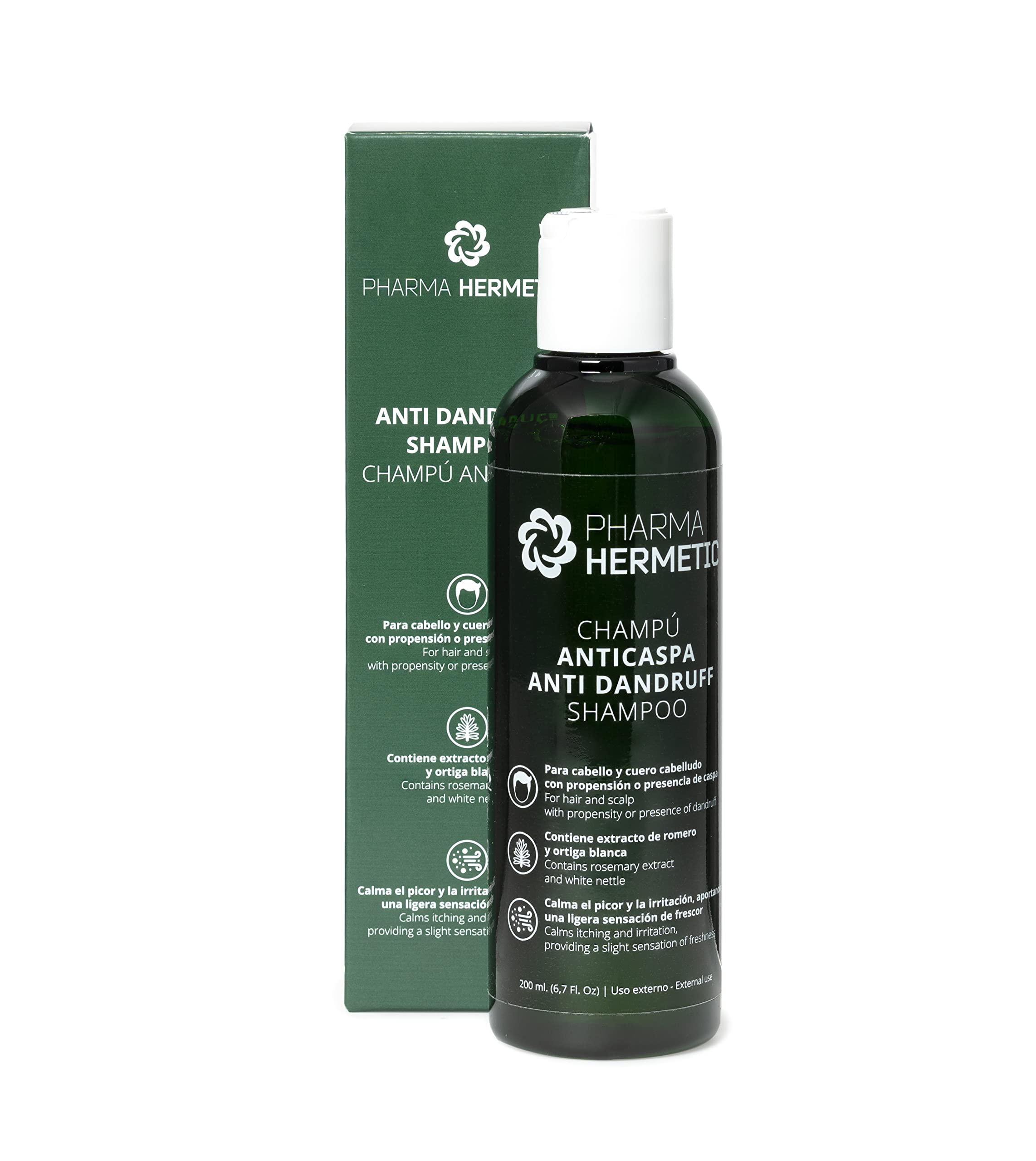
Effective anti-dandruff and hair loss shampoos work by addressing the underlying scalp inflammation and fungal overgrowth that disrupt the hair growth cycle. By utilizing active ingredients like ketoconazole, salicylic acid, and caffeine, these dual-action formulas stabilize the scalp microbiome and inhibit follicle-shrinking hormones, ultimately reducing shedding while eliminating flakes and irritation.
The Biological Link Between Dandruff and Hair Loss
To understand why a combined treatment approach is necessary, one must first recognize the physiological relationship between scalp health and follicular productivity. While dandruff itself—scientifically known as seborrheic dermatitis in its more severe form—does not directly "kill" hair follicles, the environment it creates is highly detrimental to sustained hair growth.
The primary culprit in most dandruff cases is a yeast-like fungus called Malassezia. This microorganism thrives on the sebum (natural oils) produced by your scalp. As Malassezia breaks down sebum, it produces oleic acid as a byproduct. In roughly 50% of the population, the scalp is sensitive to this acid, leading to an inflammatory response. This inflammation manifests as redness, itching, and the rapid shedding of skin cells we recognize as dandruff.
When the scalp remains in a chronic state of inflammation, it triggers oxidative stress within the hair follicles. Research has shown that oxidative stress can prematurely push hair follicles from the anagen (growth) phase into the telogen (resting) phase. Furthermore, the intense itching associated with dandruff often leads to mechanical trauma; frequent scratching can damage the hair cuticle and weaken the hair shaft, leading to breakage and temporary thinning known as telogen effluvium. In individuals already predisposed to androgenetic alopecia (pattern baldness), this persistent inflammation can accelerate the miniaturization of follicles, making an effective medicated shampoo a critical line of defense.
Key Active Ingredients in Dual-Action Formulations
When selecting an anti-dandruff and hair loss shampoo in 2026, the efficacy of the product is determined entirely by its active ingredient profile. Modern formulations have moved beyond simple detergents to include sophisticated compounds that target both the fungal load and the hormonal triggers of hair loss.
Ketoconazole: The Gold Standard
Ketoconazole is perhaps the most critical ingredient for anyone facing both issues. Originally developed as an antifungal to treat Malassezia, clinical studies have discovered that it also possesses mild anti-androgenic properties. Specifically, ketoconazole can help disrupt the pathway of dihydrotestosterone (DHT), the hormone responsible for shrinking hair follicles in male and female pattern baldness. By reducing both the fungal presence and the impact of DHT on the scalp, ketoconazole serves as a powerful foundational treatment.
Zinc Pyrithione and Selenium Sulfide
These are classic antifungal agents. Zinc pyrithione works by normalizing epithelial keratinization (the process of skin cell turnover) and has antimicrobial properties. Selenium sulfide is more potent and is often reserved for stubborn cases of seborrheic dermatitis. While these ingredients do not directly stimulate hair growth, they are essential for "clearing the field," ensuring that the scalp is healthy enough to support other growth-stimulating treatments.
Caffeine and Saw Palmetto
As of 2026, many premium shampoos incorporate "growth stimulants" alongside antifungals. Caffeine is topically bioactive; it penetrates the hair follicles and has been shown to counteract the suppressive effects of testosterone on hair growth. It enhances microcirculation in the scalp, ensuring that follicles receive adequate nutrient delivery. Saw palmetto acts as a natural 5-alpha-reductase inhibitor, potentially reducing the conversion of testosterone into DHT at the scalp level.
Salicylic Acid
This beta-hydroxy acid (BHA) acts as a keratolytic agent. Its primary role is to chemically exfoliate the scalp, breaking down the bonds between dead skin cells so they can be washed away easily. For hair loss sufferers, salicylic acid is vital because it clears away sebum buildup and "plugs" that can block the follicle opening, allowing other medicinal ingredients to penetrate more deeply.
Comparing Leading Medicated Shampoo Ingredients (2026 Data)
The following table compares the most common active ingredients found in professional-grade shampoos designed to manage both scalp flaking and hair density.
| Active Ingredient | Primary Function | Anti-Dandruff Efficacy | Hair Loss Benefit | Recommended Usage |
|---|---|---|---|---|
| Ketoconazole (1-2%) | Antifungal / Anti-androgen | High | Reduces DHT sensitivity | 2–3 times per week |
| Caffeine | Vasodilator | Low | Stimulates microcirculation | Daily or every other day |
| Zinc Pyrithione | Antimicrobial | High | Indirect (Reduces inflammation) | Daily |
| Salicylic Acid | Exfoliant | Medium | Clears follicular blockages | 1–2 times per week |
| Selenium Sulfide | Cytostatic Agent | Very High | Indirect (Resolves severe SD) | Once weekly (Max) |
| Saw Palmetto | DHT Blocker | Low | Inhibits 5-alpha reductase | Daily |
The Importance of Scalp Microbiome Balance
Recent dermatological shifts in 2026 emphasize that "stripping" the scalp of all oils is counterproductive. The scalp is a complex ecosystem of bacteria and fungi. Over-washing with harsh sulfates can lead to "rebound seborrhea," where the scalp overproduces oil to compensate for dryness, thereby feeding the Malassezia fungus and restarting the dandruff cycle.
High-quality anti-dandruff and hair loss shampoos now focus on microbiome diversity. Look for formulations that include prebiotics or soothing agents like bisabolol and allantoin. These ingredients help repair the skin barrier. A compromised skin barrier allows environmental irritants to penetrate the dermis more easily, which can trigger the release of pro-inflammatory cytokines that signal hair follicles to stop growing. Therefore, the goal of a modern shampoo is not just to kill fungus, but to foster a resilient skin environment.
Application Techniques for Maximum Efficacy
The most common reason for the failure of medicated shampoos is improper application. Unlike standard cosmetic shampoos, medicated versions require specific "contact time" to allow the active molecules to penetrate the stratum corneum and reach the hair bulb.
- Initial Cleanse: Use a very small amount of shampoo to remove surface dirt and excess oils. Rinse immediately. This ensures the second application can reach the skin directly.
- The Medicated Application: Apply a larger amount and massage it firmly into the scalp using the pads of your fingers (never your nails). Focus on the crown and temples, where hair loss is often most prevalent.
- The Five-Minute Rule: For ingredients like ketoconazole or caffeine to be effective, they must remain on the scalp for at least 3 to 5 minutes. Most users rinse too quickly, effectively washing the medicine down the drain before it can work.
- Temperature Control: Use lukewarm water. Hot water can exacerbate inflammation and strip essential lipids from the hair shaft, making thinning hair look even more brittle and sparse.
Potential Side Effects and Considerations
While generally safe, medicated shampoos are potent. Ketoconazole and selenium sulfide can be drying to the hair fibers, particularly for those with curly or chemically treated hair. To mitigate this, many users apply a high-quality conditioner only to the ends of the hair, avoiding the scalp to prevent clogging follicles.
If you experience increased redness, burning, or a sudden surge in hair shedding after starting a new medicated shampoo, you may be experiencing a localized allergic reaction or contact dermatitis. In such cases, it is advisable to discontinue use and consult a dermatologist. Furthermore, selenium sulfide can occasionally discolor gray, blond, or chemically colored hair if not rinsed thoroughly.
Integrating Shampoo into a Holistic Regimen
A shampoo alone is rarely a "cure" for advanced androgenetic alopecia, but it is an essential component of a multimodal treatment plan. For those in 2026 looking for the best results, the anti-dandruff shampoo should be paired with other evidence-based interventions:
- Minoxidil or Finasteride: These remain the clinical pillars for hair regrowth. An anti-dandruff shampoo ensures the scalp is healthy enough to absorb topical minoxidil efficiently.
- Dietary Support: Inflammation is often systemic. A diet rich in Omega-3 fatty acids and antioxidants can help lower the overall inflammatory markers that contribute to scalp issues.
- Low-Level Laser Therapy (LLLT): Using a laser cap or comb on a scalp that has been freshly cleaned with a salicylic acid shampoo can improve light penetration to the follicles.
Frequently Asked Questions
Can I use anti-dandruff shampoo every day if I have hair loss?
It depends on the active ingredient. Shampoos containing zinc pyrithione or caffeine are typically safe for daily use. However, potent medicated shampoos like those with 2% ketoconazole or selenium sulfide should generally be limited to 2–3 times per week to prevent excessive scalp dryness and hair brittleness.
Does dandruff cause permanent baldness?
Dandruff itself does not usually cause permanent scarring or permanent loss of the hair follicle. However, chronic seborrheic dermatitis can lead to significant thinning by disrupting the growth cycle. If the inflammation is left untreated for years, it can exacerbate existing male or female pattern hair loss, making it harder for the hair to recover its original density.
Why does my hair feel thinner after using a medicated shampoo?
Medicated shampoos are designed to remove "buildup." Sometimes, sebum and flakes can create a false sense of "bulk" at the roots. Once the scalp is clean, you may see the true diameter of your hair. Additionally, some medicated ingredients can temporarily dry out the hair, making it appear less voluminous. Using a lightweight, volumizing conditioner on the lengths of your hair can help.
Is it better to rotate different shampoos?
Yes, dermatologists often recommend "shampoo rotation." Fungi can sometimes develop a tolerance to a single antifungal agent. By alternating between a ketoconazole-based shampoo and a zinc pyrithione or selenium sulfide version, you can target the fungus from different angles and ensure long-term control of both dandruff and inflammation.
Should I apply the shampoo to the hair or the scalp?
The focus should be almost entirely on the scalp. Hair is dead tissue; the living part of the hair is the follicle located beneath the skin. When using a treatment for dandruff or hair loss, ensure the product is massaged into the skin. Running the suds through the rest of your hair during the rinse is sufficient for cleaning the hair shafts.
Practical Recommendation for 2026
If you are currently struggling with both flaking and thinning, start by incorporating a 1% or 2% Ketoconazole shampoo into your routine twice a week. On the other days, use a pH-balanced, sulfate-free shampoo containing caffeine or saw palmetto to maintain scalp stimulation without causing irritation. If your symptoms do not improve within six weeks, seek a consultation with a dermatologist to rule out other conditions such as scalp psoriasis or lichen planopilaris, which may require prescription-strength corticosteroid treatments.