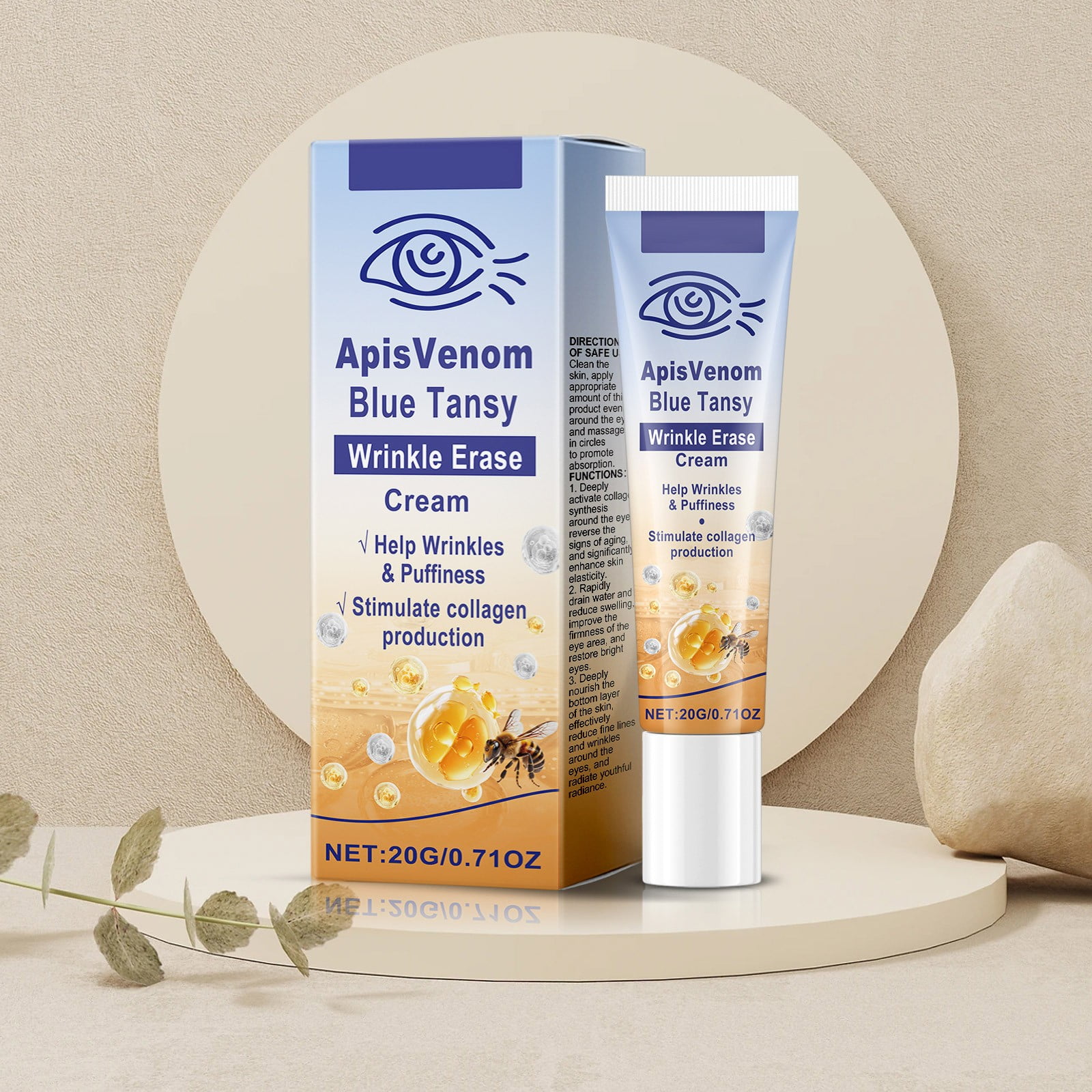
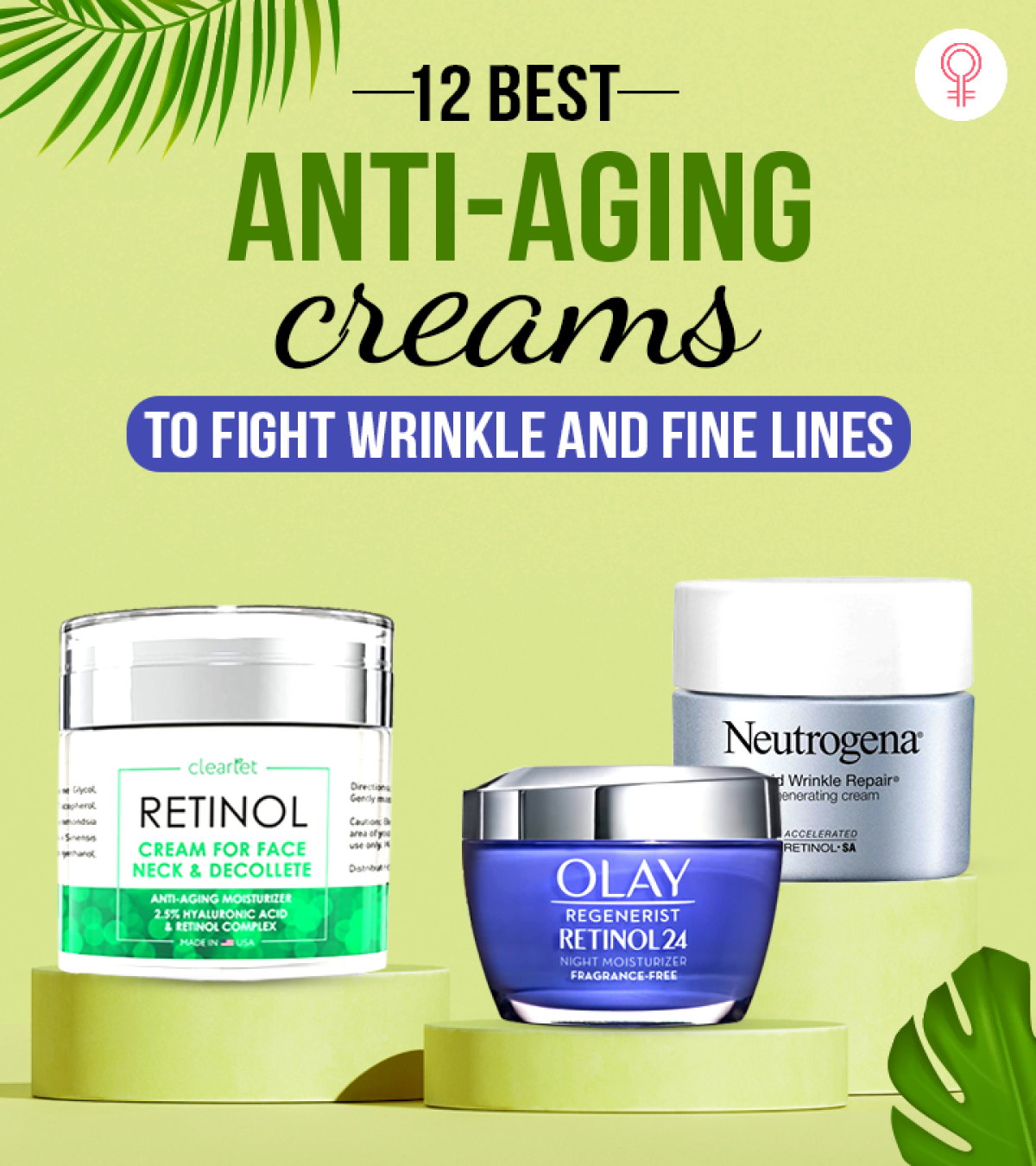
An effective anti-wrinkle lotion for everyday skincare serves as a dual-purpose formulation designed to hydrate the skin while delivering active ingredients that stimulate collagen production and accelerate cell turnover. By incorporating these lotions into a consistent daily routine, users can diminish fine lines, improve skin elasticity, and protect against environmental stressors that accelerate aging.
The quest for youthful, resilient skin has moved beyond occasional treatments toward a philosophy of consistent, daily maintenance. In 2026, the distinction between a standard moisturizer and a dedicated anti-wrinkle lotion lies in the concentration of bioactive compounds. While a basic lotion prevents trans-epidermal water loss, an anti-wrinkle variant actively repairs the structural integrity of the dermis. This comprehensive guide examines the physiological mechanisms of aging, the essential ingredients required for effective daily intervention, and how to structure a regimen that yields measurable results.
The Science of Daily Topical Anti-Aging
To understand why a daily anti-wrinkle lotion is necessary, one must understand the biological process of skin aging. The skin is composed of three primary layers: the epidermis (outer layer), the dermis (middle layer), and the hypodermis (deepest layer). The dermis contains collagen and elastin, proteins responsible for the skin's firmness and "snap-back" quality.
Starting in the mid-20s, the body’s natural production of collagen decreases by approximately 1% each year. This process is exacerbated by extrinsic factors such as ultraviolet (UV) radiation, pollution, and lifestyle choices. Everyday anti-wrinkle lotions are formulated to address these issues through several pathways:
- Stimulating Fibroblasts: Active ingredients signal the fibroblast cells in the dermis to produce more collagen.
- Inhibiting Matrix Metalloproteinases (MMPs): These are enzymes that break down collagen. Daily lotions often contain antioxidants that prevent these enzymes from becoming overactive.
- Enhancing Barrier Function: A compromised skin barrier leads to chronic inflammation (often called "inflammaging"), which accelerates wrinkle formation. Everyday lotions use lipids and ceramides to keep the barrier intact.
- Promoting Desquamation: Encouraging the shedding of dead surface cells prevents the skin from appearing dull and emphasizes existing fine lines.
Essential Ingredients for Modern Formulations
As of 2026, dermatological research has narrowed down the most effective "gold standard" ingredients that should appear in an everyday anti-wrinkle lotion. When selecting a product, the following components provide the most significant clinical backing.
Retinoids and Retinol Alternatives
Retinoids remain the most studied class of anti-aging ingredients. They work by binding to retinoic acid receptors in the skin, which then normalize cell turnover and stimulate collagen synthesis. For everyday use, many formulations now utilize encapsulated retinol, which releases the active ingredient slowly over several hours to minimize the irritation typically associated with Vitamin A.
For those with highly sensitive skin, Bakuchiol has emerged as a potent plant-based alternative. Studies published in various dermatological journals indicate that Bakuchiol offers similar collagen-stimulating effects to retinol without the associated redness or peeling, making it an excellent candidate for daily morning and evening use.
Peptides: The Building Blocks
Peptides are short chains of amino acids that act as chemical messengers. In anti-wrinkle lotions, they serve specific roles:
- Signal Peptides: These trick the skin into thinking it has lost collagen, triggering a healing response that produces new fibers.
- Neurotransmitter-Inhibiting Peptides: Often referred to as "topical Botox," ingredients like Acetyl Hexapeptide-8 help relax the facial muscles that cause expression lines.
- Carrier Peptides: These deliver trace elements like copper to the skin, which are vital for enzymatic processes involved in tissue repair.
Hyaluronic Acid and Hydrators
Wrinkles are significantly more visible on dehydrated skin. Hyaluronic Acid (HA) is a humectant capable of holding 1,000 times its weight in water. Modern lotions often feature "multi-molecular weight" HA. High molecular weight HA sits on the surface to provide immediate plumping, while low molecular weight HA penetrates deeper to provide long-term hydration.
Antioxidants: The Defensive Shield
Daily skincare must account for the "Exposome"—the total amount of environmental radiation and pollution a person is exposed to. Antioxidants like Vitamin C (L-ascorbic acid), Vitamin E, and Ferulic Acid neutralize free radicals before they can damage cellular DNA. Niacinamide (Vitamin B3) has also become a staple in everyday lotions due to its ability to improve skin texture and strengthen the lipid barrier.
Selecting the Right Lotion for Your Skin Type
An anti-wrinkle lotion is only effective if it is compatible with the user's skin physiology. Using a rich, heavy cream on oily skin can lead to congestion, while a light gel may provide insufficient moisture for mature, dry skin.
Dry and Mature Skin
Mature skin often suffers from a lack of natural sebum production. Look for lotions that have a "cream" or "balm" consistency. These should contain ceramides and fatty acids to replenish lost lipids. Ingredients like shea butter or squalane provide an occlusive layer that prevents moisture from escaping during the day.
Oily and Combination Skin
Oily skin still requires anti-aging intervention, but the vehicle must be lightweight. Water-based gels or light lotions containing "non-comedogenic" (non-pore-clogging) ingredients are ideal. These formulations often include Niacinamide or Salicylic Acid in low concentrations to manage oil production while the anti-aging actives work on the dermis.
Sensitive and Reactive Skin
For those prone to rosacea or general irritation, the everyday anti-wrinkle lotion must be free of synthetic fragrances and drying alcohols. Look for soothing agents like Allantoin, Centella Asiatica (Cica), or Bisabolol. These ingredients help the skin tolerate more potent actives like retinol or Vitamin C.
Comparing Anti-Wrinkle Ingredient Efficacy
The following table compares the primary categories of anti-wrinkle ingredients used in daily skincare to help determine which best suits specific needs.
| Ingredient Class | Primary Benefit | Best For | Recommended Use |
|---|---|---|---|
| Retinoids | Cell turnover & collagen | Deep wrinkles, texture | Nightly (usually) |
| Peptides | Structural firmness | Loss of elasticity | Morning & Night |
| Vitamin C | Brightening & protection | Fine lines, sun damage | Morning |
| Hyaluronic Acid | Immediate plumping | Dehydration lines | Morning & Night |
| Niacinamide | Barrier repair | Enlarged pores, redness | Morning & Night |
| Bakuchiol | Gentle collagen boost | Sensitive skin anti-aging | Morning & Night |
How to Incorporate Anti-Wrinkle Lotion into Your Routine
For an everyday anti-wrinkle lotion to be effective, it must be applied correctly within a structured regimen. The order of application ensures that active ingredients reach the target layers of the skin without being blocked by other products.
Step 1: Cleansing
Always start with a clean canvas. Use a pH-balanced cleanser to remove dirt, oil, and pollutants. If the skin is not properly cleansed, the anti-wrinkle lotion will sit on top of debris, reducing its absorption rate significantly.
Step 2: Toning or Essence (Optional)
Toners in 2026 are often used to balance the skin's microbiome. A slightly damp face is more permeable than dry skin, allowing the subsequent lotion to penetrate more effectively.
Step 3: Application of the Anti-Wrinkle Lotion
Apply a pea-sized amount of lotion to the face, neck, and décolletage. The neck and chest are often the first areas to show signs of aging but are frequently neglected in daily routines. Use upward, sweeping motions to avoid pulling on the skin.
Step 4: Sun Protection (The Non-Negotiable)
If using an anti-wrinkle lotion in the morning, it must be followed by a broad-spectrum SPF of at least 30. Many anti-aging ingredients, particularly retinoids and alpha-hydroxy acids, can increase photosensitivity. Furthermore, UV exposure accounts for an estimated 80% of visible skin aging; failing to use sunscreen essentially negates the benefits of an anti-wrinkle lotion.
Common Mistakes and How to Avoid Them
Even with the best products, certain habits can hinder progress or cause adverse reactions.
- Over-Application: Using more lotion does not result in faster wrinkle reduction. It can lead to "product pilling" or skin irritation. Consistency is more important than quantity.
- Inconsistency: Skin cells take approximately 28 to 40 days to renew. It generally takes at least 8 to 12 weeks of daily use to see a visible reduction in fine lines. Stopping and starting a routine prevents the skin from reaching the threshold required for structural changes.
- Mixing Incompatible Actives: Using a high-percentage Vitamin C serum simultaneously with a strong Retinol lotion can cause chemical burns or severe dermatitis. It is often better to use Vitamin C in the morning and Retinol at night.
- Ignoring the "Retinization" Period: When starting a lotion with Retinol, the skin may experience redness or flaking. This is often a normal adjustment period rather than an allergic reaction. To mitigate this, start by applying the lotion every other day before moving to everyday use.
Troubleshooting Skin Sensitivities
If you experience persistent irritation from your anti-wrinkle lotion, it may be due to a compromised skin barrier. In this scenario, the "sandwich method" can be effective: apply a thin layer of a basic, fragrance-free moisturizer, followed by the anti-wrinkle lotion, and then another layer of moisturizer. This buffers the active ingredients without completely deactivating them.
If redness is accompanied by itching or hives, discontinue use immediately and consult a dermatologist. You may have a sensitivity to specific preservatives or fragrances commonly found in over-the-counter skincare.
Frequently Asked Questions
At what age should I start using an anti-wrinkle lotion?
Most dermatologists recommend starting a preventative anti-aging routine in your mid-20s. This is when the natural production of collagen and elastin begins to slow down. While you may not have visible wrinkles yet, using antioxidants and hydrators daily will preserve your skin's current state for a longer period.
Can I use the same anti-wrinkle lotion for my eyes?
The skin around the eyes is significantly thinner and more sensitive than the rest of the face. While some mild lotions are safe for the orbital area, many face lotions contain high concentrations of actives or fragrances that can cause puffiness or irritation in the eyes. It is generally safer to use a dedicated eye cream or a lotion specifically labeled as "ophthalmologist-tested."
Is a prescription cream better than an everyday OTC lotion?
Prescription treatments (like Tretinoin) are much more potent and can yield faster results, but they also carry a higher risk of side effects. Everyday over-the-counter (OTC) anti-wrinkle lotions are formulated for long-term, comfortable use. For many, the "slow and steady" approach of an OTC lotion is preferable because it maintains the skin barrier while still providing significant anti-aging benefits.
How long does a bottle of anti-wrinkle lotion typically last?
When used daily as directed (about a pea-sized amount for the face), a standard 1.7 oz (50ml) container should last approximately two to three months. Because active ingredients like Vitamin C and Retinol can degrade when exposed to light and air, it is advisable to use the product within six months of opening.
Do "natural" anti-wrinkle lotions work?
Yes, many botanical extracts have proven anti-aging properties. Ingredients like Green Tea extract, Resveratrol (from grapes), and various seed oils are rich in antioxidants. However, "natural" does not always mean "gentle." Some essential oils can be highly irritating. Always look for clinical evidence regardless of whether a product is marketed as natural or synthetic.
Final Recommendation for Everyday Skincare
To achieve the best results with an anti-wrinkle lotion for everyday skincare, prioritize a formula that balances active repair with barrier protection. Look for a product containing at least one "repair" ingredient (like peptides or retinol) and one "protect" ingredient (like antioxidants or ceramides). Commit to a 90-day trial period to allow for a full cycle of skin cell regeneration. Always complement your evening repair routine with rigorous sun protection during the day to ensure that your progress is not undone by UV damage.