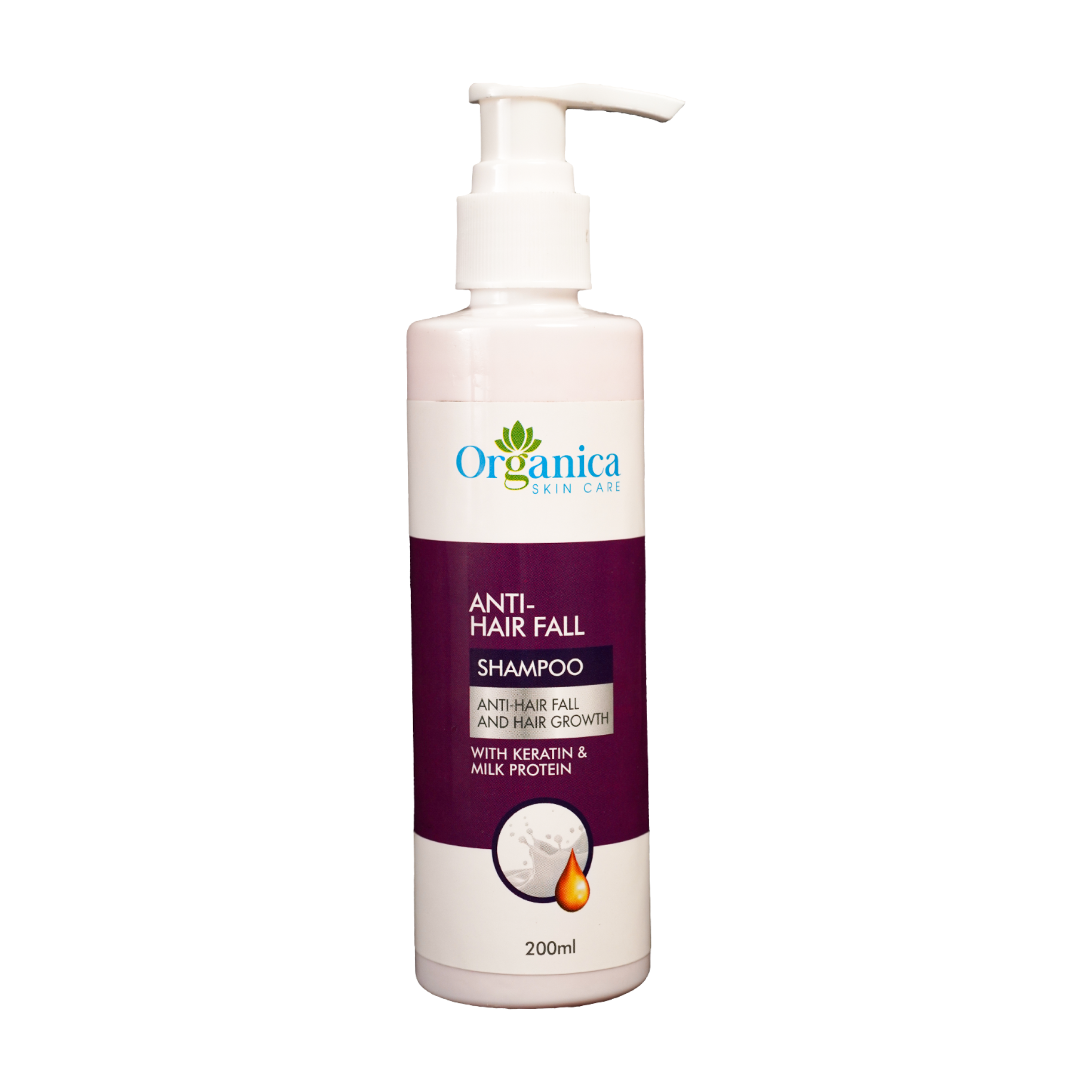
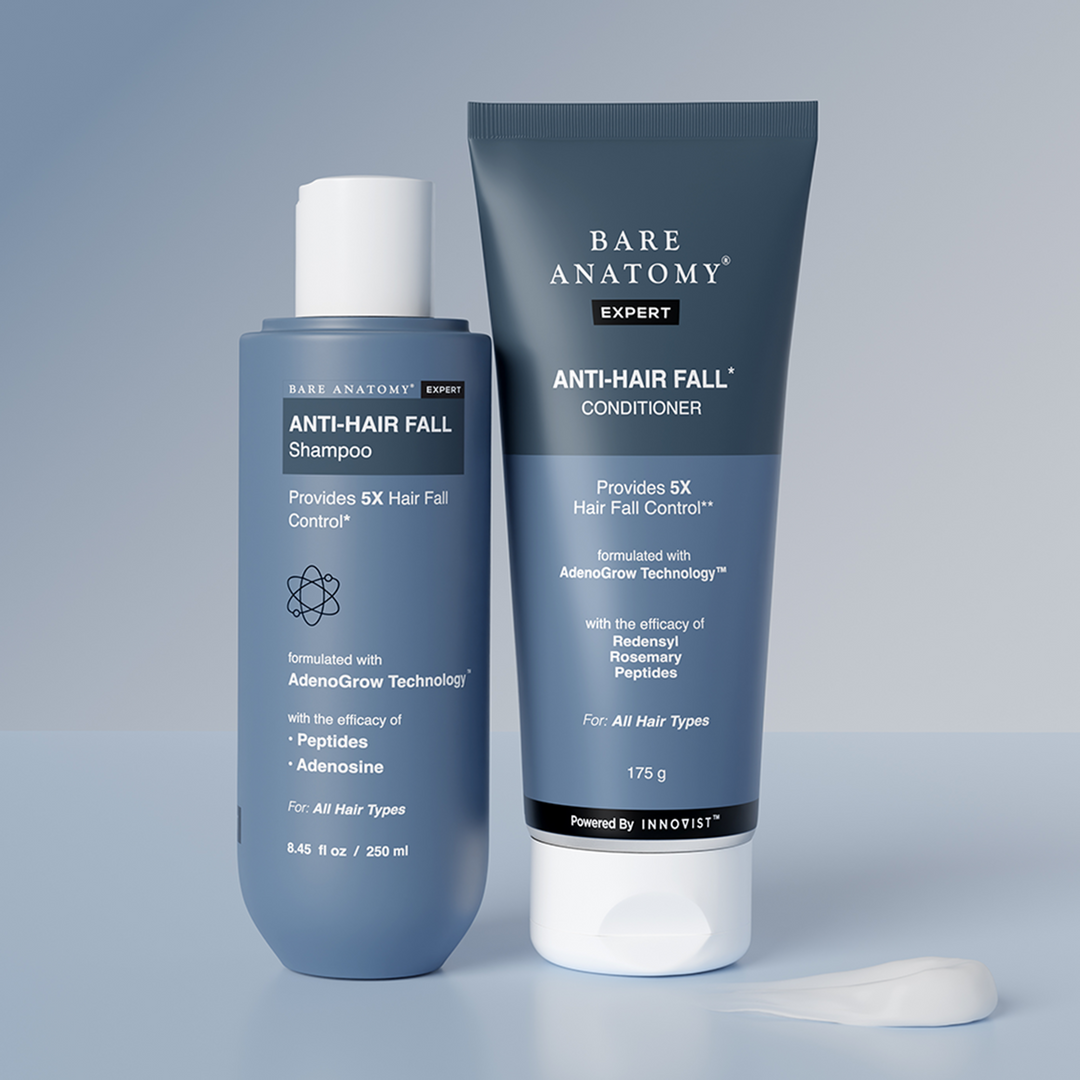
Anti-fall hair shampoos are specialized cleansing products designed to reduce hair shedding, prevent breakage, and optimize the scalp environment for healthy growth. They work by delivering active ingredients like caffeine, biotin, and DHT blockers directly to the follicles while strengthening the hair shaft to prevent mechanical snapping during styling.
Hair loss is a multifaceted physiological challenge that affects millions of individuals globally. By 2026, the science of trichology—the branch of dermatology dealing with the hair and scalp—has advanced significantly, moving beyond simple cleansing to sophisticated follicular support. Choosing an effective anti-fall shampoo requires understanding the biological mechanisms of hair loss, the specific ingredients that address those mechanisms, and the realistic expectations one should maintain when using topical treatments.
Understanding the Mechanisms of Hair Fall
Before selecting a product, it is vital to distinguish between hair shedding and hair breakage. True "hair fall" usually refers to the premature entry of hair follicles into the telogen (resting) phase, leading to shedding from the root. Conversely, breakage occurs when the hair shaft is structurally weak and snaps anywhere along its length.
The Hair Growth Cycle
Every hair on the human scalp follows a specific cycle:
- Anagen Phase: The active growth phase, lasting two to seven years.
- Catagen Phase: A short transition phase where the follicle shrinks.
- Telogen Phase: The resting phase, lasting about three months, after which the hair falls out.
Anti-fall shampoos aim to prolong the anagen phase and prevent the follicle from entering the telogen phase prematurely due to external stressors or internal hormonal shifts.
The Role of Dihydrotestosterone (DHT)
In androgenetic alopecia (male and female pattern baldness), a hormone called DHT binds to receptors in scalp follicles, causing them to shrink or "miniaturize." Over time, the follicles produce thinner, shorter hairs until they stop producing hair altogether. While systemic medications are often used to manage DHT, many 2026 anti-fall shampoos incorporate topical DHT blockers to provide localized support.
Essential Ingredients in Anti-Fall Shampoos
The efficacy of an anti-fall shampoo is entirely dependent on its active ingredient profile. In 2026, the most effective formulations leverage a combination of vasodilators, nutrient boosters, and structural reinforcers.
1. Caffeine
Caffeine is one of the most researched ingredients in the anti-fall category. It serves as a stimulant that promotes microcirculation in the scalp. By increasing blood flow, caffeine ensures that oxygen and essential nutrients reach the hair bulb more efficiently. Furthermore, studies have indicated that caffeine can help counteract the inhibitory effects of testosterone on hair growth.
2. Ketoconazole
Originally an anti-fungal agent used to treat dandruff, Ketoconazole is now a staple in medical-grade anti-fall shampoos. It has been shown to reduce scalp inflammation and potentially inhibit the binding of DHT to hair follicles. For individuals dealing with thinning accompanied by an oily or itchy scalp, Ketoconazole provides a dual-action benefit.
3. Biotin and B-Vitamins
Biotin (Vitamin B7) is essential for the production of keratin, the primary protein that makes up the hair shaft. While oral supplements are common, topical biotin in shampoo helps coat the hair, providing immediate structural integrity and reducing the likelihood of breakage. Other B-vitamins, such as Niacinamide (B3), improve the scalp’s barrier function and reduce oxidative stress.
4. Saw Palmetto and Pumpkin Seed Oil
These are botanical extracts frequently used as natural alternatives to synthetic DHT blockers. They work by inhibiting 5-alpha reductase, the enzyme responsible for converting testosterone into DHT. In 2026, many "clean beauty" or "organic" anti-fall shampoos rely heavily on these extracts to provide results without the side effects associated with pharmaceutical interventions.
5. Peptides and Growth Factors
Modern biotechnology has introduced peptides like Capixyl, Redensyl, and Procapil. These are proprietary complexes designed to target the hair follicle's stem cells and improve the "anchoring" of the hair within the follicle. By strengthening the dermal papilla, these peptides reduce the "fall-out" rate during the telogen phase.
Comparing Professional vs. Consumer Anti-Fall Shampoos
Not all anti-fall shampoos are created equal. The market is generally divided into cosmetic formulas found in grocery stores and therapeutic formulas found in pharmacies or specialist clinics.
| Feature | Consumer-Grade Shampoos | Professional/Medical-Grade Shampoos |
|---|---|---|
| Primary Goal | Volume and immediate aesthetic thickness. | Follicular health and long-term retention. |
| Active Ingredients | Low concentrations of Biotin, Keratin. | High concentrations of Ketoconazole, Caffeine, Peptides. |
| Scalp Impact | Often contains sulfates for high foam. | Usually sulfate-free and pH-balanced for sensitive scalps. |
| Price Point | $10 - $25 per bottle. | $40 - $100+ per bottle. |
| Clinical Evidence | General consumer perception surveys. | Peer-reviewed clinical trials and dermatological testing. |
How to Correctly Use Anti-Fall Shampoo
Most users fail to see results because they treat anti-fall shampoo like a regular cleanser. Because the active ingredients need time to penetrate the scalp and reach the follicles, the application method is critical.
- Scalp Preparation: Thoroughly wet your hair with lukewarm water. Avoid hot water, as it can strip the scalp of natural oils and cause inflammation.
- The First Wash: Use a small amount of shampoo to remove surface oil, dirt, and styling products. Rinse thoroughly.
- The Treatment Wash: Apply a second round of shampoo, focusing entirely on the scalp rather than the ends of the hair.
- Massage: Use your fingertips (not nails) to massage the scalp for at least two minutes. This stimulates blood flow and ensures the active ingredients are evenly distributed.
- Dwell Time: This is the most crucial step. Let the shampoo sit on your scalp for 3 to 5 minutes. This allows ingredients like caffeine or ketoconazole to be absorbed through the skin.
- Rinse and Condition: Rinse with cool water to seal the hair cuticle. Follow with a lightweight conditioner, applying it only to the mid-lengths and ends to avoid weighing down the roots.
Realistic Expectations and Timelines
It is a common misconception that anti-fall shampoo will cause new hair to sprout overnight. Hair growth is a slow biological process. In 2026, dermatologists emphasize the following timeline for any topical anti-fall regimen:
- Weeks 1-4: You may notice a slight reduction in daily shedding during showering or brushing. Hair may feel slightly more textured or "grippy" due to volumizing agents.
- Months 2-3: This is the period where the reduction in hair fall becomes more visible. The scalp environment is typically healthier, with less irritation or excess sebum.
- Months 6+: Significant improvements in hair density and "fullness" are usually only visible after six months of consistent use, as new, stronger hairs begin to emerge from the follicles and grow long enough to be noticed.
If hair fall is sudden, patchy, or accompanied by extreme pain or redness, a shampoo is likely insufficient. Conditions such as alopecia areata or telogen effluvium caused by nutritional deficiencies require medical diagnosis and systemic treatment.
Common Mistakes to Avoid
- Over-washing: While keeping the scalp clean is important, washing every day can lead to dryness and irritation for some hair types. Most anti-fall shampoos are designed for use 3-4 times per week.
- Expecting Total Regrowth: Shampoos are "supportive" treatments. They are excellent for maintenance and slowing down thinning, but they cannot revive follicles that have been dormant for many years.
- Neglecting Nutrition: Hair is a non-essential tissue in the body's eyes. If you are deficient in iron, zinc, or protein, no amount of specialized shampoo will stop the body from shedding hair to conserve resources.
- Using Harsh Sulfates: Many cheap shampoos use Sodium Lauryl Sulfate (SLS), which can be too aggressive for a thinning scalp. Look for "sulfate-free" on the label to ensure the formula is gentle.
Frequently Asked Questions
Can anti-fall shampoo cause more hair to fall out initially?
In rare cases, yes. This is often referred to as "dread shedding." Some active ingredients can accelerate the transition of old, weak hairs from the telogen phase to the exogen (shedding) phase to make room for a new, healthier anagen hair. This should subside within 2 to 4 weeks.
Is it safe to use anti-fall shampoo on color-treated hair?
Most modern professional anti-fall shampoos in 2026 are formulated to be color-safe. However, you should specifically look for "sulfate-free" and "paraben-free" labels to ensure the formula doesn't strip your hair dye or cause premature fading.
Does caffeine in shampoo enter the bloodstream?
While some caffeine is absorbed through the scalp, the amount is negligible and typically does not cause systemic effects like jitters or increased heart rate. It remains localized within the hair follicles and the surrounding skin.
Can I use these shampoos if I have a sensitive scalp?
Yes, but you must choose carefully. Avoid formulas with high concentrations of menthol or artificial fragrances, which are common irritants. Look for shampoos containing soothing agents like Aloe Vera, Allantoin, or Bisabolol alongside the anti-fall ingredients.
Do I need a prescription for anti-fall shampoo?
Most anti-fall shampoos, including those with caffeine and botanical DHT blockers, are available over the counter (OTC). Only high-concentration Ketoconazole (2% or higher in some regions) or shampoos containing specific pharmaceutical compounds might require a prescription from a healthcare provider.
Final Recommendations
To achieve the best results with an anti-fall hair shampoo in 2026, treat it as one component of a holistic hair health strategy. Start by identifying whether your issue is breakage or shedding. If it is shedding, look for a formula containing Caffeine, Saw Palmetto, or Peptides. Ensure you leave the product on the scalp for the recommended five minutes to allow for absorption.
For those experiencing significant thinning, combining a specialized shampoo with a balanced diet rich in amino acids and consulting a dermatologist for a scalp analysis remains the gold standard for hair preservation. Always perform a patch test when trying a new therapeutic shampoo to ensure no allergic reaction occurs.