Choosing the most effective anti-dandruff shampoo in 2026 requires understanding the specific cause of your scalp irritation, whether it is fungal overgrowth, oil imbalance, or extreme dryness. By matching active ingredients like Ketoconazole, Selenium Sulfide, or Piroctone Olamine to your symptoms, you can achieve a flake-free scalp while maintaining hair health and moisture.
Understanding the Landscape of Anti-Dandruff Treatments
Dandruff is more than just a cosmetic nuisance; it is a complex dermatological condition officially known as seborrheic dermatitis when inflammation is present. In 2026, the approach to treating this condition has shifted from "harsh stripping" to "microbiome balancing." The primary culprit behind most flaking is a yeast-like fungus called Malassezia, which feeds on the natural oils (sebum) produced by your scalp. When this fungus grows out of control, it leads to rapid skin cell turnover, resulting in visible white or yellow flakes.
However, not all flakes are created equal. Some users suffer from a dry scalp, which produces smaller, whiter flakes caused by dehydration or environmental factors. Others deal with oily dandruff, characterized by larger, yellowish, greasy scales. Modern anti-dandruff shampoo reviews emphasize the importance of identifying your specific type before investing in a treatment regimen. Using a harsh antifungal on a dry scalp can exacerbate the problem, while using a moisturizing shampoo on a fungal-heavy scalp may provide the yeast with more fuel to thrive.
The Science of Active Ingredients: What Actually Works
When reviewing anti-dandruff products, the "active ingredient" is the most critical factor. In 2026, several key compounds dominate the market, each serving a distinct biological purpose.
Antifungals: Ketoconazole and Selenium Sulfide
Ketoconazole remains the gold standard for clinical-grade dandruff treatment. It works by disrupting the cell membranes of the Malassezia fungus. Reviews of products containing 1% to 2% Ketoconazole consistently show the highest efficacy for stubborn, itchy cases. Selenium Sulfide is another heavy hitter, particularly effective for "wet" or oily dandruff. It slows down the production of skin cells and reduces yeast counts, though it can sometimes leave a distinct medicinal scent.
Antimicrobials: Zinc Pyrithione and Piroctone Olamine
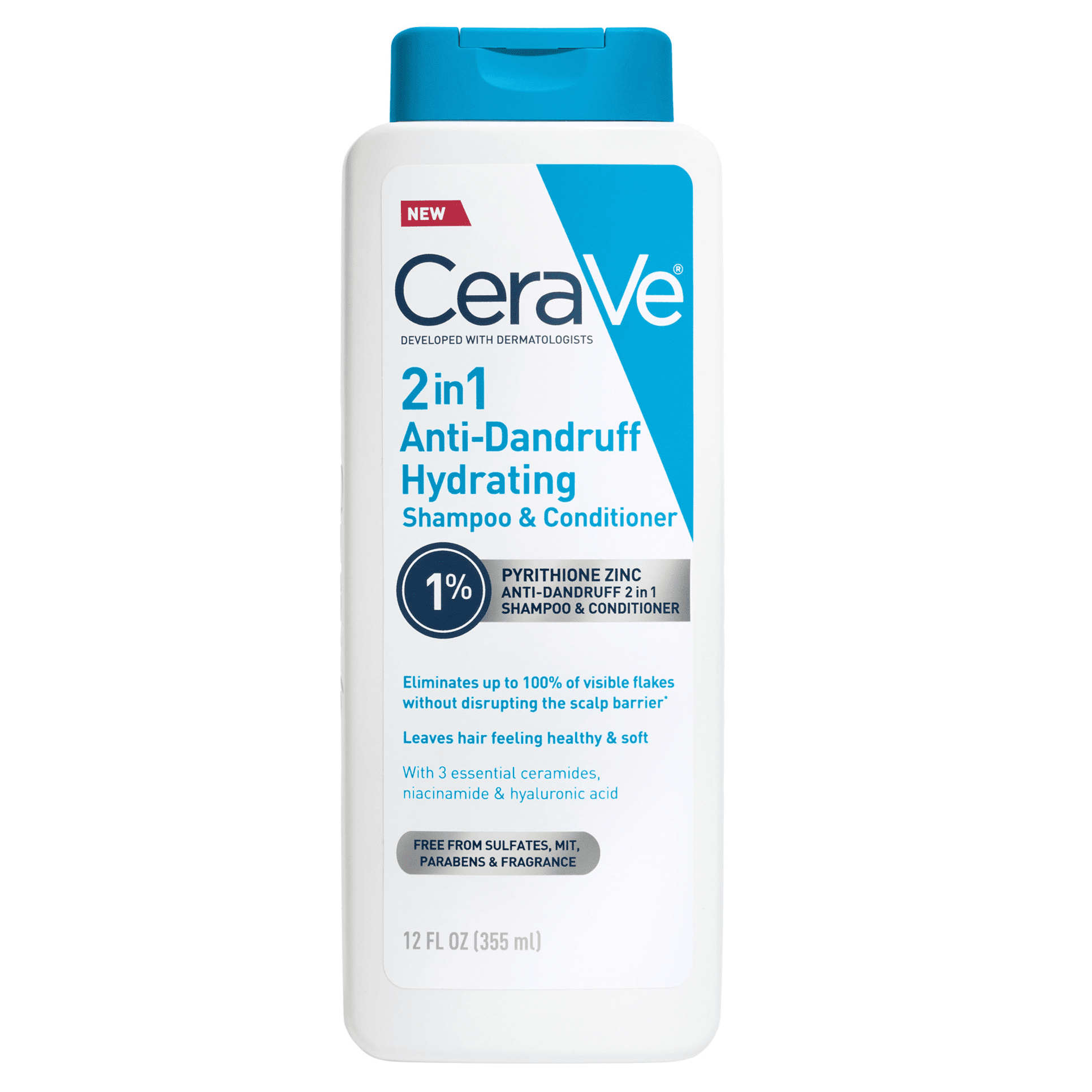
For decades, Zinc Pyrithione was the most common ingredient in mass-market shampoos. However, following regulatory shifts and a move toward more biodegradable options, Piroctone Olamine has gained significant traction in 2026. It offers similar antimicrobial benefits but is often cited in reviews as being gentler on the hair fiber, making it a favorite for those with color-treated or fragile hair.
Exfoliants: Salicylic Acid
If your primary issue is thick buildup or "plaques," Salicylic Acid is the essential ingredient. As a beta-hydroxy acid (BHA), it acts as a keratolytic agent, meaning it softens and dissolves the "glue" holding dead skin cells together. While it doesn't kill fungus, it clears the way for other antifungal ingredients to reach the scalp surface more effectively.
Medicated Anti-Dandruff Shampoo Reviews: Top Clinical Performers
For those dealing with moderate to severe flaking, clinical-strength formulations provide the necessary potency to reset the scalp's environment.
Nizoral A-D (1% Ketoconazole)
Nizoral continues to lead the 2026 reviews for its reliability. Users praise its ability to stop itching almost immediately. Because it binds to the natural protein of the hair, it continues working even after rinsing. The primary drawback noted in long-term reviews is its tendency to be drying. To mitigate this, experts recommend applying it strictly to the scalp and using a high-quality conditioner on the mid-lengths and ends of the hair.
Selsun Blue Maximum Strength (Selenium Sulfide)
This remains a top recommendation for those with oily scalps. The 1% Selenium Sulfide formula is highly effective at reducing redness and heavy scaling. However, reviews frequently mention that it can slightly discolor light-colored or chemically treated hair if not rinsed thoroughly. It is best suited for those who need a powerful intervention and do not mind a more traditional "medicated" fragrance.
Neutrogena T/Sal (3% Salicylic Acid)
T/Sal is frequently reviewed as the best "prep" shampoo. It is fragrance-free and dye-free, making it ideal for sensitive skin. It doesn't focus on the fungus directly but is unparalleled at removing crusty buildup. Many dermatologists suggest using this as a first wash to clear the scalp, followed by an antifungal treatment.
Everyday and Cosmetic Anti-Dandruff Solutions
For mild cases or maintenance, cosmetic brands have bridged the gap between medicine and luxury hair care. These products prioritize hair texture and scent while keeping flakes at bay.
Head & Shoulders Clinical Strength
By 2026, the classic Head & Shoulders line has evolved significantly. Their clinical strength variants now often utilize Selenium Sulfide in a formula that includes advanced conditioners. Reviews suggest this is the best "all-in-one" for users who do not want to use separate medicated and cosmetic shampoos. It provides a rich lather and a pleasant scent that masks the active ingredients.
Jupiter Balancing Shampoo (Zinc Pyrithione/Piroctone Olamine)
Jupiter has become a standout in the "clean beauty" anti-dandruff space. Reviews highlight its focus on scalp health, utilizing a blend of Zinc Pyrithione with natural extracts like rosemary and peppermint. It is often cited as the best-smelling anti-dandruff shampoo of 2026, appealing to users who find traditional medicated options too clinical or stripping.
Oribe Serene Scalp Anti-Dandruff Shampoo
In the luxury segment, Oribe offers a high-performance Salicylic Acid formula. While significantly more expensive, reviews emphasize the "salon-quality" finish it leaves on the hair. It is particularly effective for individuals with fine hair who find that other anti-dandruff shampoos weigh their hair down or leave it feeling "coated."
Comparison of Top Anti-Dandruff Active Ingredients
| Active Ingredient | Primary Function | Best For | Potential Drawback |
|---|---|---|---|
| Ketoconazole | Antifungal | Severe dandruff, Seborrheic Dermatitis | Can be drying to hair strands |
| Selenium Sulfide | Antifungal / Cytostatic | Oily scalp, heavy scaling | Distinct scent; may affect hair color |
| Piroctone Olamine | Antimicrobial | Mild dandruff, color-treated hair | Less potent for severe fungal cases |
| Salicylic Acid | Keratolytic (Exfoliant) | Scalp buildup, psoriasis | Doesn't address the underlying fungus |
| Coal Tar | Slows cell turnover | Psoriasis, severe itching | Strong odor; stains light hair/towels |
| Tea Tree Oil | Natural Antiseptic | Very mild flaking, oily scalp | Potential for skin sensitivity/allergy |
How to Choose the Right Shampoo for Your Hair Type
A common mistake highlighted in anti-dandruff shampoo reviews is ignoring the needs of the hair fiber while focusing solely on the scalp.
Curly and Coily Hair (Types 3 and 4)
Curly hair is naturally prone to dryness because scalp oils have a harder time traveling down the coiled hair shaft. Most anti-dandruff shampoos contain harsh sulfates (like Sodium Lauryl Sulfate) to ensure the scalp is deeply cleaned. For curly hair, look for "sulfate-free" anti-dandruff options or ensure you follow up with a deep-conditioning mask. Reviews of brands like Briogeo and As I Am suggest that "co-wash" versions of anti-dandruff treatments are gaining popularity in 2026 for maintaining curl integrity.
Color-Treated Hair
High concentrations of Selenium Sulfide or Coal Tar can strip hair dye or cause brassiness in blonde hair. If you have spent significant money on professional color, reviews suggest sticking to Piroctone Olamine or low-concentration Zinc Pyrithione formulas. Look for "color-safe" labels, which indicate the shampoo has a balanced pH and lacks harsh surfactants that open the hair cuticle.
Fine and Thinning Hair
Weight is the enemy of fine hair. Many moisturizing anti-dandruff shampoos use heavy silicones to counteract the drying effects of the active ingredients. This can leave fine hair looking limp and greasy by the end of the day. Reviews recommend clear, gel-based Salicylic Acid shampoos for this demographic, as they provide a "deep clean" feel without the heavy residue.
Application Techniques: The "Five-Minute Rule"
Many people believe an anti-dandruff shampoo is ineffective simply because they are using it incorrectly. Review data and dermatological guidelines emphasize that these are "treatment" products, not just cleansers.
- Saturation: Thoroughly wet your hair with lukewarm water. Hot water can further irritate an inflamed scalp and strip away necessary moisture.
- Focus on the Scalp: Do not waste the product on the ends of your hair. Massage the shampoo directly into the scalp using your fingertips (not your nails).
- The Wait Time: This is the most critical step often missed in reviews. For the active ingredient to penetrate the fungal cell walls or dissolve skin plaques, it needs "contact time." Leave the lather on your scalp for at least 3 to 5 minutes.
- Rinse Thoroughly: Ensure no residue is left behind, as lingering surfactants can cause secondary irritation.
- Conditioner Placement: Only apply conditioner from the mid-shaft to the ends. Applying conditioner to the scalp can clog pores and potentially "feed" the dandruff-causing yeast.
Common Mistakes and Troubleshooting
If you have read multiple anti-dandruff shampoo reviews and still aren't seeing results, you may be falling into one of these common traps.
Over-washing vs. Under-washing: Some people wash their hair every day to "scrub away" the flakes, which can lead to reactive seborrhea (where the scalp produces even more oil to compensate for the dryness). Others avoid washing because they fear losing more hair, allowing the yeast to proliferate. Most reviews and experts suggest a frequency of 2-3 times per week for medicated shampoos.
Resistance to Ingredients: Some users find that a shampoo works for a month and then stops. This is often due to the Malassezia fungus becoming less sensitive to a specific ingredient. "Shampoo cycling"—alternating between two different active ingredients (e.g., Ketoconazole one week and Zinc Pyrithione the next)—is a highly effective strategy frequently discussed in 2026 hair care forums.
The "Natural" Pitfall: While Tea Tree Oil and Apple Cider Vinegar have antimicrobial properties, they are often not potent enough to clear a moderate fungal infection. Reviews of natural-only regimens frequently show that while they provide temporary relief from itching, the flaking often returns unless a clinical active ingredient is introduced.
Frequently Asked Questions
Can I use anti-dandruff shampoo every day?
Most medicated anti-dandruff shampoos are designed to be used 2 to 3 times a week. Daily use of high-strength ingredients like Selenium Sulfide can lead to scalp irritation or excessively dry hair. If you feel the need to wash daily, many reviews suggest alternating your treatment shampoo with a gentle, pH-balanced "daily" cleanser.
Is dandruff a sign of poor hygiene?
Absolutely not. Dandruff is primarily caused by a biological reaction to a naturally occurring fungus and the rate of your skin's oil production. Frequent washing can actually help manage the condition, but the presence of flakes does not mean a person is "unclean."
Will anti-dandruff shampoo cause my hair to fall out?
There is no clinical evidence that anti-dandruff shampoos cause hair loss. In fact, by reducing scalp inflammation and itching, these shampoos can prevent "scratch-induced" hair breakage and create a healthier environment for hair growth. Some ingredients, like Ketoconazole, are even studied for their potential to block DHT on the scalp, which may assist in managing certain types of thinning.
When should I stop using a medicated shampoo?
Once the flakes are under control, you should not stop treatment abruptly. Instead, move to a "maintenance phase." This usually involves using the anti-dandruff shampoo once a week or once every two weeks to prevent the fungal population from rebounding.
Is it safe to use these shampoos on children?
Cradle cap in infants is a form of dandruff, but adult-strength medicated shampoos can be too harsh for a child's sensitive skin. You should consult a pediatrician before using clinical-strength Ketoconazole or Selenium Sulfide on children under 12. Most reviews suggest specialized pediatric formulations containing lower concentrations of Salicylic Acid or Zinc Pyrithione.
Final Recommendation: Selecting Your Strategy
Your choice of anti-dandruff shampoo should be guided by the severity of your symptoms and your hair type. If you are experiencing heavy, stubborn flaking accompanied by intense itching, start with a Ketoconazole-based shampoo (like Nizoral) for an initial 4-week treatment period. If your scalp is simply oily with occasional flakes, a Piroctone Olamine or Zinc Pyrithione formula will likely provide the balance you need without the medicinal side effects.
Always remember that consistency is more important than immediate results; it typically takes 2 to 4 weeks of regular use to see a significant reduction in flakes. If symptoms persist after a month of consistent use with a high-quality medicated shampoo, consult a dermatologist to rule out other conditions like scalp psoriasis or contact dermatitis.