Anti no-fault auto insurance refers to the traditional tort-based system where the driver found responsible for an accident is legally liable for the resulting damages. Unlike no-fault systems, which require drivers to carry Personal Injury Protection (PIP) to cover their own injuries, tort systems allow victims to seek full compensation for medical expenses and pain and suffering directly from the at-fault party’s insurer.
The Fundamental Differences Between Tort and No-Fault Systems
In the landscape of 2026 insurance regulations, the term "anti no-fault" is most commonly used to describe the tort liability system. To understand why some jurisdictions and consumer advocates are "anti no-fault," it is necessary to examine how these two frameworks manage risk, distribute costs, and handle legal disputes.
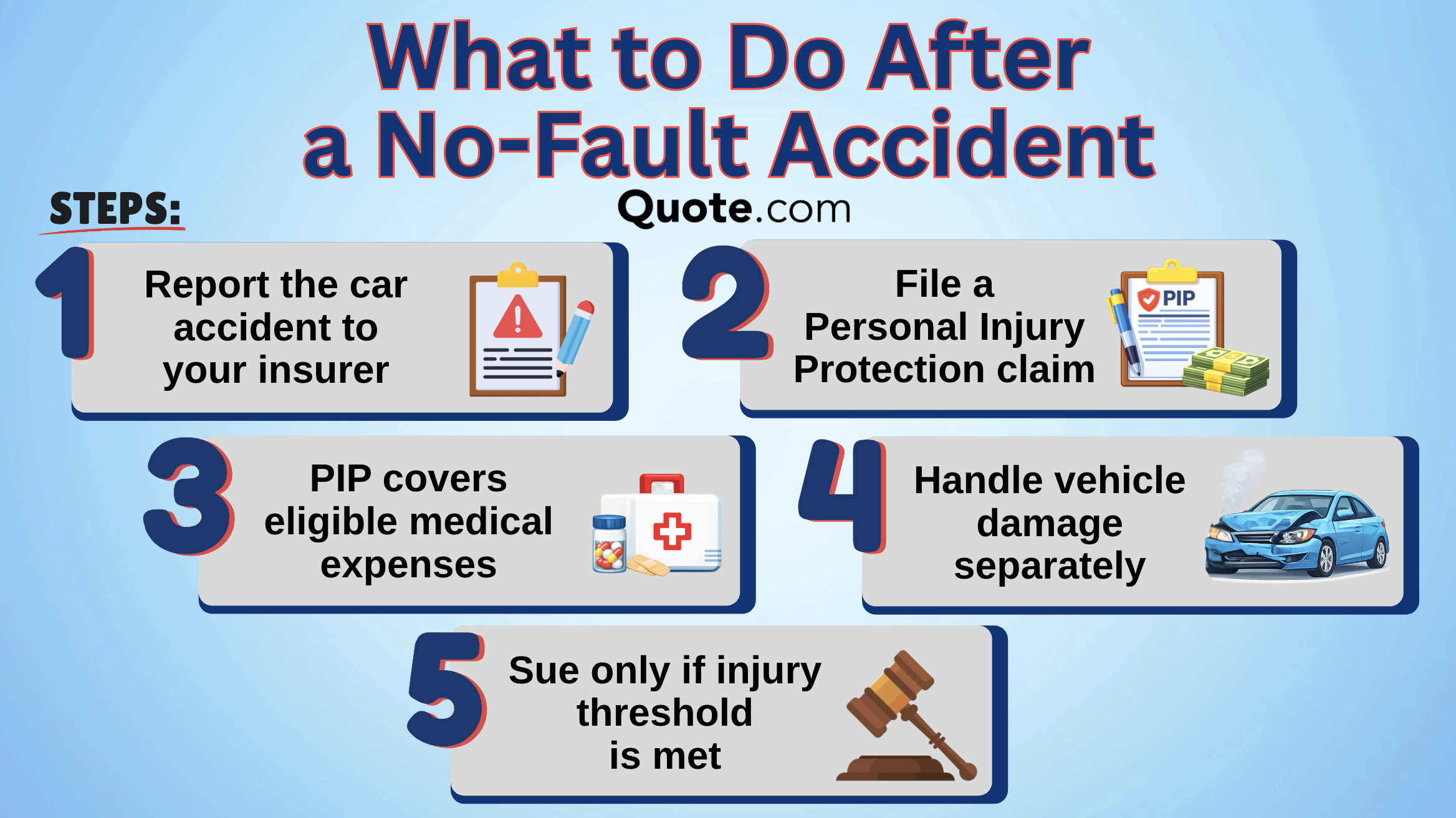
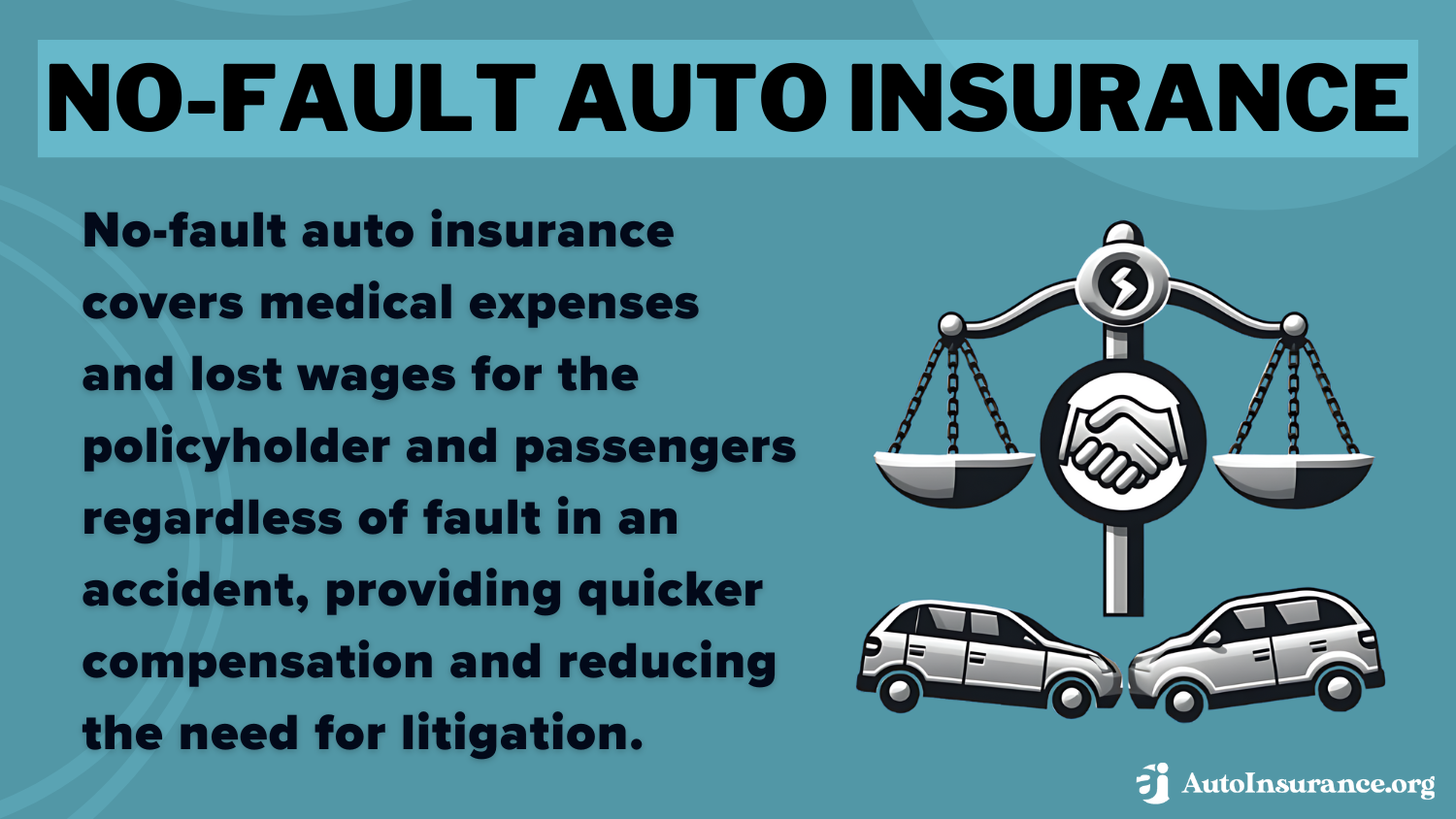
In a no-fault system, your own insurance company pays for your medical treatments, lost wages, and other out-of-pocket expenses regardless of who caused the accident. This is typically facilitated through Personal Injury Protection (PIP) coverage. The primary goal of no-fault laws is to reduce the number of lawsuits and speed up the payment of claims. However, this comes at a cost: drivers in no-fault states generally cannot sue for "non-economic damages" (such as pain and suffering) unless their injuries meet a specific "tort threshold," which can be either a monetary amount or a verbal description of the injury's severity.
Conversely, the tort system (the "anti no-fault" approach) operates on the principle of accountability. If you are injured in an accident caused by another person, that person—and by extension, their insurance company—is responsible for making you whole. This includes both economic damages (medical bills, car repairs) and non-economic damages (emotional distress, loss of enjoyment of life). There are no thresholds to meet; if someone else is at fault, you have the right to pursue a claim against them immediately.
How the Tort (At-Fault) System Functions in 2026
As of 2026, the majority of U.S. states operate under a tort-based system. This framework relies heavily on the legal determination of negligence. When a collision occurs, insurance adjusters, and sometimes the courts, must investigate the evidence to assign a percentage of fault to each involved party.
Liability Coverage Components
In a tort state, the most critical part of your policy is Liability Insurance. This is usually divided into two categories:
- Bodily Injury Liability: This pays for the medical expenses, rehabilitation, and legal fees of the other party if you are found at fault. In 2026, many experts recommend significantly higher limits than state minimums due to the rising costs of advanced medical procedures and long-term care.
- Property Damage Liability: This covers the cost of repairing or replacing the other party's vehicle or any property (like fences or storefronts) damaged in the accident.
The Role of Comparative Negligence
A common misconception in tort states is that fault must be 100% on one driver. In reality, most states use comparative negligence rules. For example, if a court finds that Driver A was 80% at fault for speeding, but Driver B was 20% at fault for failing to use a turn signal, Driver B can still recover 80% of their damages from Driver A’s insurance.
There are different variations of this rule that vary by state:
- Pure Comparative Negligence: A driver can recover damages even if they are 99% at fault, though their award is reduced by their percentage of fault.
- Modified Comparative Negligence: A driver can only recover damages if they are less than 50% or 51% at fault. If they exceed this threshold, they receive nothing from the other party.
The Legal Philosophy: Why Many Advocate Against No-Fault Laws
The "anti no-fault" movement is driven by several legal and ethical arguments that prioritize victim rights and driver accountability. Consumer advocacy groups and trial lawyers often argue that no-fault systems unfairly penalize safe drivers.
Preservation of the Right to Jury Trial
One of the strongest arguments for the tort system is the preservation of the Seventh Amendment right to a jury trial. In no-fault states, the "threshold" requirements effectively bar many injured people from ever entering a courtroom. Proponents of the tort system believe that every individual should have the right to present their case to a jury of their peers to determine the true value of their suffering, rather than being limited by arbitrary statutory caps.
Deterrence and Accountability
The tort system is built on the idea that if drivers know they can be sued for the full extent of the damage they cause, they will be more incentivized to drive safely. In a no-fault environment, the financial consequences of causing an accident are somewhat cushioned because everyone's own insurance pays for their own injuries initially. "Anti no-fault" advocates argue that shifting the financial burden to the negligent party creates a safer road environment for everyone.
Full Compensation for Victims
No-fault PIP benefits are often capped at relatively low amounts (e.g., $10,000 or $50,000). For a victim with catastrophic injuries, these amounts are exhausted within days. While no-fault states do allow lawsuits for "serious" injuries, the definition of "serious" can be a major hurdle. In a tort state, the victim can seek the full value of their claim from the outset, including future medical costs and the subjective impact the injury has on their quality of life.
Advantages and Disadvantages of the Anti No-Fault Approach
While the tort system offers more legal freedom, it is not without its complexities. Understanding the trade-offs is essential for any policyholder in 2026.
The Pros:
- Uncapped General Damages: You are not restricted by thresholds when seeking compensation for pain and suffering.
- Lower Personal Premiums (Potentially): Because you aren't required to carry high amounts of PIP coverage for yourself, your base premium might be lower than in a high-benefit no-fault state like Michigan.
- Accountability: The person who causes the crash pays for the crash, which aligns with many people's sense of justice.
The Cons:
- Delayed Payouts: Because fault must be determined before an insurance company pays a liability claim, it can take months or even years to receive a settlement.
- Litigation Costs: Tort states see significantly higher rates of litigation. A large portion of settlement money often goes toward attorney fees and court costs.
- Uninsured Motorist Risk: If you are hit by an at-fault driver who has no insurance and you are in a tort state without your own Uninsured Motorist (UM) coverage, you may be left with no way to pay for your medical bills.
Comparison Table: Tort (Anti No-Fault) vs. No-Fault Systems
| Feature | Tort-Based (Anti No-Fault) System | No-Fault (PIP) System |
|---|---|---|
| Who Pays for Injuries? | The at-fault driver's insurance. | Each driver's own insurance (PIP). |
| Right to Sue? | Unrestricted for all damages. | Restricted; must meet injury thresholds. |
| Determination of Fault | Required before most payments are made. | Not required for immediate medical benefits. |
| Pain and Suffering | Recoverable in any valid claim. | Only recoverable if threshold is met. |
| Primary Goal | Accountability and full compensation. | Speed of payment and reduced litigation. |
| Speed of Recovery | Slower (requires investigation/legal action). | Faster (immediate access to PIP). |
| Typical Premiums | Varies; can be lower due to less mandatory coverage. | Often higher due to mandatory PIP benefits. |
Pure Tort, Add-On, and Choice States
The "anti no-fault" landscape is not uniform. In 2026, the U.S. is divided into three main categories regarding how they handle these claims.
1. Pure Tort States
In these states, there are no no-fault laws. If you want coverage for your own medical bills regardless of fault, you must voluntarily purchase "Medical Payments" (MedPay) coverage. If you don't have it, you must wait for a settlement from the other driver or use your health insurance. Examples include California, Texas, and Ohio.
2. Add-On States
Add-on states are essentially tort states that have some no-fault features. They allow or require drivers to have PIP coverage, but they do not restrict the right to sue. You get the benefit of quick medical payments from your own insurer, but you still retain the full right to sue the at-fault driver for pain and suffering without meeting a threshold.
3. Choice States
In a few states, such as New Jersey and Pennsylvania, drivers are given a choice when they purchase their policy. They can choose a "Full Tort" option (the anti no-fault approach) or a "Limited Tort" option.
- Full Tort: Higher premiums, but you keep the unrestricted right to sue for pain and suffering.
- Limited Tort: Lower premiums, but you waive your right to sue for non-economic damages unless your injury is "serious" as defined by state law.
The Financial Impact: Premiums and Payouts in 2026
The cost of insurance in 2026 continues to be influenced by "social inflation"—a term used by the Insurance Information Institute to describe how rising litigation costs and large jury awards drive up premiums. In tort-based states, this effect is more pronounced.
When a state remains "anti no-fault," it accepts that while individual premiums might be lower because PIP isn't mandatory, the risk of a high-dollar lawsuit is greater. This forces insurance companies to maintain higher reserves for liability claims. Consequently, drivers with high net worths often find that in tort states, they must carry Umbrella Insurance policies to protect their assets from the unlimited liability potential inherent in the system.
Furthermore, medical inflation in 2026 has outpaced general inflation. In a tort state, if you are injured by an underinsured driver, your health insurance may pay the bills, but they will likely seek "subrogation"—meaning they will try to take a portion of any legal settlement you eventually win to pay themselves back. This makes the "anti no-fault" system a complex web of primary and secondary payers.
Common Challenges and Litigation Trends
Navigating an anti no-fault system in 2026 involves dealing with several modern hurdles.
1. The "Ghost" Policy Issue: In many tort states, low-income drivers carry only the state-minimum liability limits (e.g., $25,000 for bodily injury). In 2026, $25,000 barely covers an emergency room visit and a single diagnostic scan. This creates a "gap" where the at-fault driver is technically insured, but practically unable to cover the damage they caused.
2. Electronic Evidence in Tort Claims: The process of proving fault has changed. "Anti no-fault" litigation now heavily relies on telematics data, dashcam footage, and Event Data Recorders (EDRs). Proving negligence is no longer just about "he said, she said"; it’s about millisecond-by-millisecond data analysis of braking and steering patterns.
3. Third-Party Litigation Funding: A growing trend in 2026 tort states is the use of outside investors to fund lawsuits. This allows victims to hold out for higher settlements, but it also increases the total cost of the legal system, which is eventually passed down to all policyholders in the form of higher liability premiums.
Frequently Asked Questions
Is "at-fault" insurance the same as "anti no-fault"?
Yes, in common insurance terminology, an "anti no-fault" stance refers to a preference for the "at-fault" or "tort" system. It emphasizes the right to sue for all damages and holds the negligent driver responsible for all costs, rather than having each driver’s insurance pay for their own injuries.
Can I sue for pain and suffering in an anti no-fault state?
Absolutely. In a tort-based (anti no-fault) state, there are no legal "thresholds" preventing you from suing for non-economic damages like pain and suffering. You only need to prove that the other driver was negligent and that their negligence caused your injuries.
Why are premiums sometimes higher in no-fault states?
No-fault states often have higher premiums because they mandate Personal Injury Protection (PIP) coverage, which must pay out regardless of who caused the accident. In some states, like Michigan, these benefits have historically been very generous (sometimes unlimited medical coverage), leading to higher costs for all drivers to fund the system.
Do I need PIP if I live in a tort state?
Most tort states do not require PIP. However, some offer "MedPay" (Medical Payments) as an optional add-on. Even in an anti no-fault state, having some form of first-party medical coverage is highly recommended so that your medical bills are paid immediately while you wait for a potentially lengthy legal battle to determine fault and secure a settlement.
What happens if I am partially at fault in a tort state?
Your ability to recover damages depends on your state's comparative negligence laws. In "Pure" states, you can recover damages minus your percentage of fault. In "Modified" states, you can only recover if you are less than 50% or 51% responsible. If you are found to be over that limit, you cannot collect anything from the other driver's insurance.
Final Recommendation: Protecting Yourself in a Tort System
Living in an anti no-fault jurisdiction provides you with the greatest legal flexibility, but it also carries significant financial risks. To navigate this system effectively in 2026, you should take three specific actions.
First, increase your Liability Limits. State minimums are increasingly inadequate; aim for at least $100,000/$300,000 in bodily injury coverage to protect your assets from lawsuits. Second, purchase Uninsured/Underinsured Motorist (UM/UIM) coverage. In a tort system, your recovery is limited by the at-fault driver’s insurance policy. If they have no insurance or low limits, UM/UIM is the only thing that will pay for your injuries. Finally, consider an Umbrella Policy if you have significant assets, as the unrestricted right to sue in tort states means your personal savings could be at risk if you cause a serious accident.
For more information on state-specific insurance requirements, you can visit the National Association of Insurance Commissioners (NAIC) or consult your state's Department of Insurance.