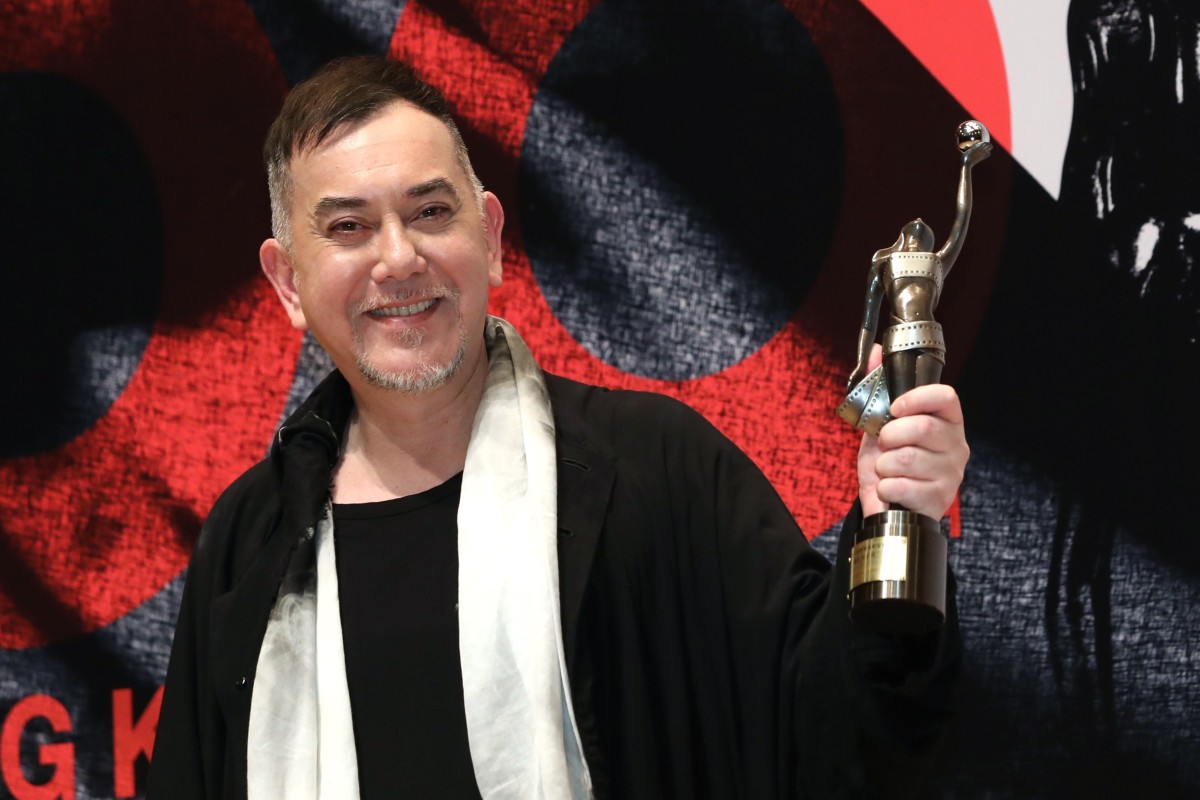
As of 2026, Anthony Wong Chau-sang’s estimated net worth sits between $5 million and $10 million USD. This valuation is the result of a prolific four-decade career in the Hong Kong film industry, characterized by high-volume output in the 1990s, critical acclaim in the 2000s, and a strategic pivot toward international and Taiwanese markets following political shifts in the region.
Anthony Wong Chau-sang is widely regarded as one of the most versatile and technically proficient actors in the history of Hong Kong cinema. Unlike many of his contemporaries who achieved massive wealth through the lucrative mainland Chinese market, Wong’s financial journey is a unique study of artistic integrity, political consequence, and career reinvention. To understand his current net worth in 2026, one must look at the specific phases of his career, from the "Golden Age" of Hong Kong cinema to his modern-day status as a cross-regional icon.
The Foundations of a Prolific Career (1980s–1990s)
Anthony Wong’s initial wealth accumulation began in the mid-1980s. After graduating from the Hong Kong Academy for Performing Arts (HKAPA), he joined TVB, the city’s largest television station. While TVB is known for modest salaries for its newcomers, it provided Wong with the "face-time" necessary to transition into the booming film industry of the late 80s.
During the 1990s, the Hong Kong film industry was at its commercial zenith. Wong became a "workhorse" actor, often appearing in 10 to 15 films per year. While many of these were lower-budget "Category III" films (the Hong Kong equivalent of an R or NC-17 rating), his frequent appearances and legendary efficiency made him a staple for producers. His breakout role in The Untold Story (1993) not only won him his first Hong Kong Film Award for Best Actor but also significantly increased his per-film fee.
The Volume-Based Wealth Strategy
In this era, top-tier character actors like Wong could command anywhere from $50,000 to $150,000 USD per film. By maintaining a high output, Wong was able to build a solid financial foundation. This period was less about single multi-million dollar paychecks and more about the cumulative earnings of a high-demand professional who rarely turned down a role.
Peak Commercial Success and Critical Acclaim (2000s)
The 2000s marked the period of Wong’s highest earning potential within the traditional Hong Kong studio system. His roles in massive hits like the Infernal Affairs trilogy and Initial D moved him into a different compensation bracket. During this decade, a veteran actor of Wong's caliber could command significant premiums for supporting roles in "tentpole" films intended for pan-Asian distribution.
His performance as Superintendent Wong in Infernal Affairs (2002) solidified his status as an essential element of high-budget Hong Kong productions. This era also saw Wong diversifying his income through:
- Brand Endorsements: High-profile actors in Hong Kong often supplement their income with local endorsements for watches, men’s grooming products, and lifestyle brands.
- Stage Productions: Wong’s roots in theater led him to found his own theater companies, which, while less profitable than film, added to his professional prestige and long-term brand value.
- Voice Acting: Wong provided Cantonese dubbing for several major international animated features, adding another stream of secondary income.
The Financial Impact of Political Stances and Industry Shifts
The mid-2010s marked a significant turning point for Wong’s net worth. Following his public support for the 2014 Umbrella Movement and subsequent political stances in 2019, Wong found himself largely excluded from major co-productions with mainland China. In the context of the Hong Kong film industry, being "blacklisted" from the mainland market is a severe financial blow, as that market provides the capital for the million-dollar salaries seen by stars like Andy Lau or Donnie Yen.
Wong openly discussed the financial strain this caused, noting in interviews that his income from mainstream cinema had effectively "dried up" for a period. However, this did not result in financial ruin. Instead, it forced a strategic relocation of his "human capital."
Transition to the Taiwanese Market
By 2020, Wong began spending more time in Taiwan, eventually obtaining a "Gold Card" (Employment Gold Card) which allows him to work and reside there freely. His work in Taiwan has been a critical component of his 2026 net worth. He transitioned into:
- Variety Television: Hosting travel and food shows like Home Coming, which offer steady production cycles and consistent pay.
- Streaming Content: Taking lead roles in Taiwanese dramas produced for international streaming platforms (Netflix, HBO Asia), where the pay scales are more aligned with modern global standards.
- Independent Film: Focusing on smaller, "art-house" projects that may offer lower upfront fees but include profit-sharing or "back-end" deals.
Assets and Lifestyle Considerations
Unlike some of his peers who flaunt immense real estate portfolios or luxury car collections, Anthony Wong has maintained a relatively modest lifestyle for a star of his magnitude. His assets are believed to be concentrated in:
- Residential Property: Wong has owned property in Hong Kong, though market fluctuations and his move to Taiwan suggest a more diversified real estate approach in recent years.
- Intellectual Property: Through his theater work and directing credits, Wong maintains rights that generate ongoing, albeit modest, royalties.
- International Investments: Like many high-net-worth individuals in the Hong Kong entertainment sector, it is standard practice to hold diversified portfolios in international equities or stable currencies to hedge against regional economic shifts.
Career Earnings Summary
| Period | Primary Income Source | Estimated Annual Earnings Range (USD) |
|---|---|---|
| 1985–1992 | TVB & Early Film Roles | $50,000 – $150,000 |
| 1993–2000 | High-Volume Film Output | $300,000 – $700,000 |
| 2001–2013 | Blockbusters & Endorsements | $800,000 – $1,500,000 |
| 2014–2020 | Independent Film & Theater | $200,000 – $500,000 |
| 2021–2026 | Taiwan TV & Global Streaming | $400,000 – $800,000 |
Note: These figures are estimates based on industry standard rates and reported career trajectories; they do not account for taxes, management fees, or private investment returns.
Anthony Wong’s Value Beyond Liquid Assets
In a "detailed profile" of net worth, one must also account for "brand equity." In 2026, Anthony Wong remains one of the most recognizable faces in Asian cinema. His value to a production is not just his acting ability, but the prestige he brings to a project. For independent filmmakers in Taiwan or Hong Kong, having Wong's name on a poster can be the difference between securing international distribution or remaining a local release. This "intangible asset" ensures that he remains gainfully employed and financially stable even without access to the largest market in the region.
Practical Considerations for Financial Analysis
When analyzing the net worth of a Hong Kong celebrity like Anthony Wong, several jurisdictional factors must be considered:
- Taxation: Hong Kong has a relatively low, simple tax system (maximum salary tax of 15% or 17%), which allows high earners to retain a larger portion of their income compared to actors in the US or Europe.
- Management Fees: Standard industry practice involves paying 10% to 20% of gross earnings to talent agencies or managers.
- Currency Fluctuations: Wong’s earnings are typically in HKD or TWD. While the HKD is pegged to the USD, shifts in the TWD exchange rate can impact the USD-denominated net worth of his Taiwanese earnings.
Financial Disclaimer: Net worth estimations for public figures are based on analysis of career earnings, public records, and industry standards. These figures are for informational purposes only and do not constitute a verified financial statement.
Frequently Asked Questions
Has Anthony Wong retired from acting in 2026?
No, as of 2026, Anthony Wong remains active in the entertainment industry. While he has shifted his focus away from the high-volume output of the 1990s, he continues to take on lead roles in Taiwanese television series and international independent films. He has also remained active in the theater community, often participating in stage plays that he produces or directs.
Why is his net worth lower than other Hong Kong stars like Jackie Chan?
The primary difference lies in market access and commercial "brand" type. Stars like Jackie Chan or Chow Yun-fat have had significant Hollywood success and maintained access to the massive mainland Chinese market. Anthony Wong is primarily a character-driven actor whose career has prioritized artistic range over commercial "action star" branding. Additionally, his political stances led to a significant reduction in opportunities within the highest-paying segment of the Asian film market.
Does Anthony Wong live in Taiwan or Hong Kong now?
In 2026, Wong maintains a presence in both locations but has spent a significant amount of his time in Taiwan since 2020. He obtained a Taiwan Employment Gold Card, which facilitates his work there. He often describes himself as a "nomad" of the industry, moving where the work and the creative freedom are most abundant.
What are Anthony Wong's most profitable movies?
Historically, his most commercially successful films were the Infernal Affairs trilogy and Initial D. While his salary for these films was high, the "profitability" for him personally also came from the subsequent surge in endorsement deals and the ability to command higher fees for the decade that followed those releases.
Does he earn money from teaching?
Yes, Anthony Wong is known for his dedication to the craft of acting. He has conducted acting masterclasses and workshops over the years. While these are likely not his primary source of wealth, they provide a stable secondary income stream and reinforce his status as a "master" in his field, which in turn supports his premium fees for acting roles.
Final Recommendation for Researchers
To gain the most accurate picture of Anthony Wong’s financial and professional status, researchers should monitor the production credits of upcoming Taiwanese and Southeast Asian streaming originals. His move toward platforms like Netflix and Disney+ in the Asian region represents his modern financial strategy. For those interested in the economics of the Hong Kong film industry, Wong’s career serves as a primary case study on how political and regional shifts can recalibrate the wealth of even the most established icons.