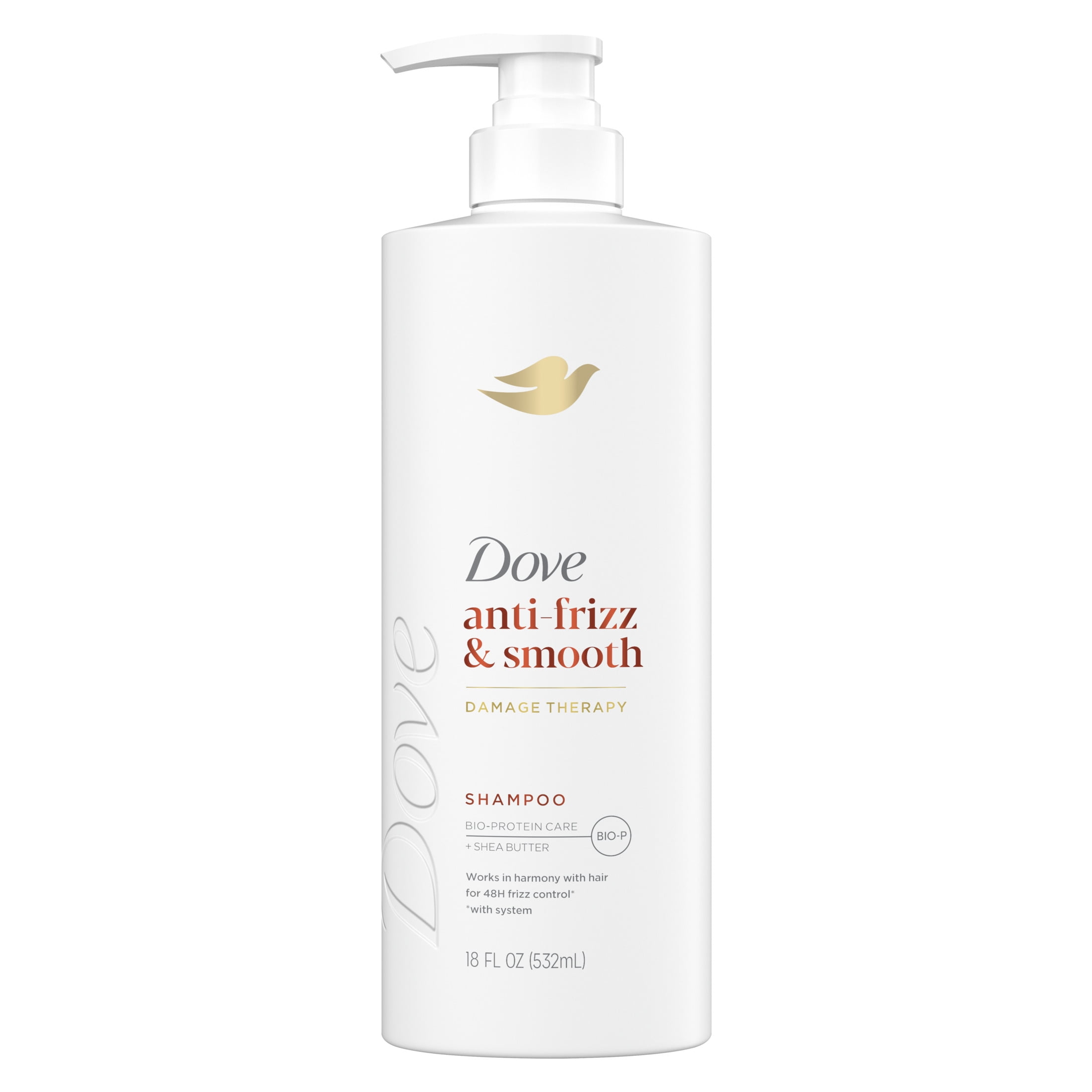
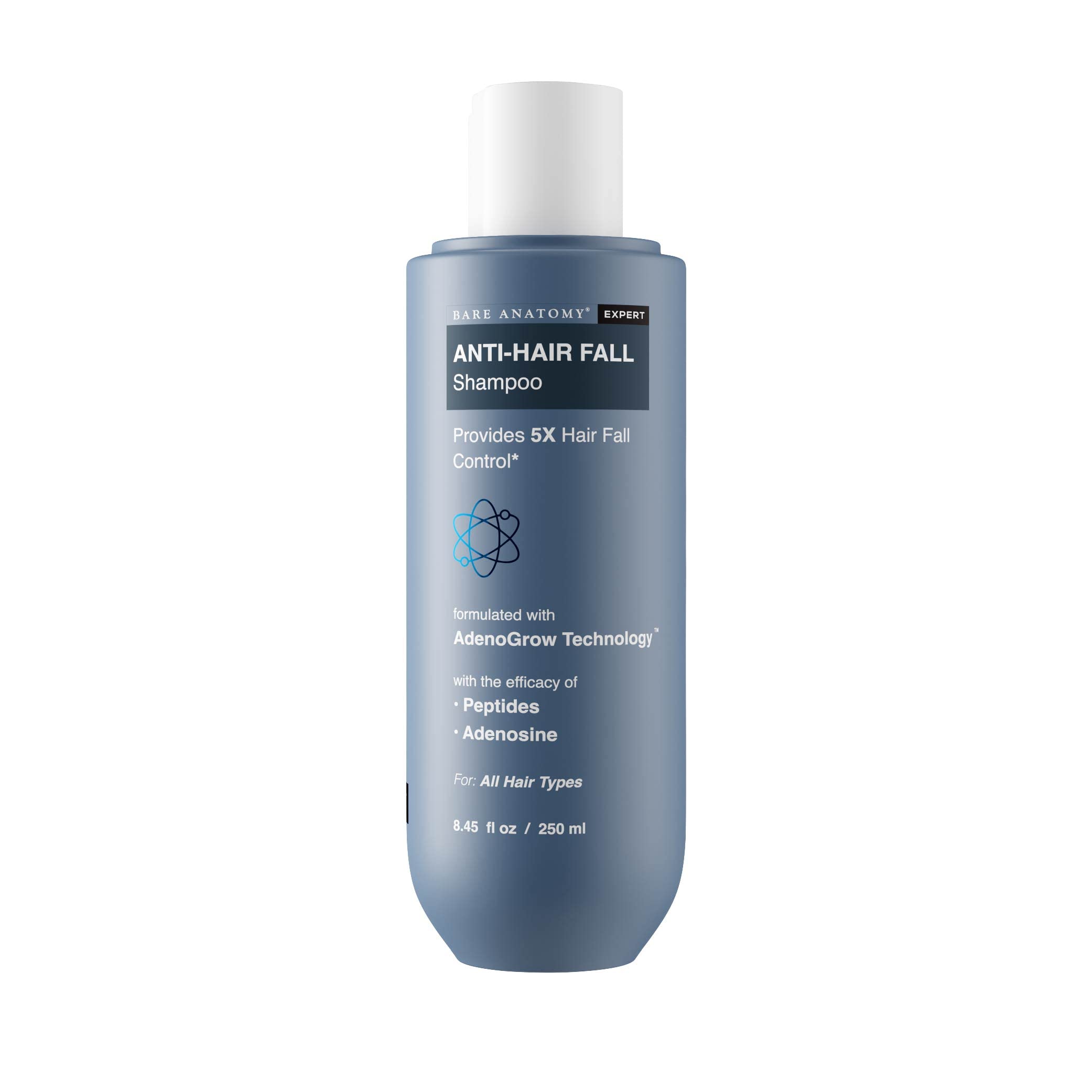
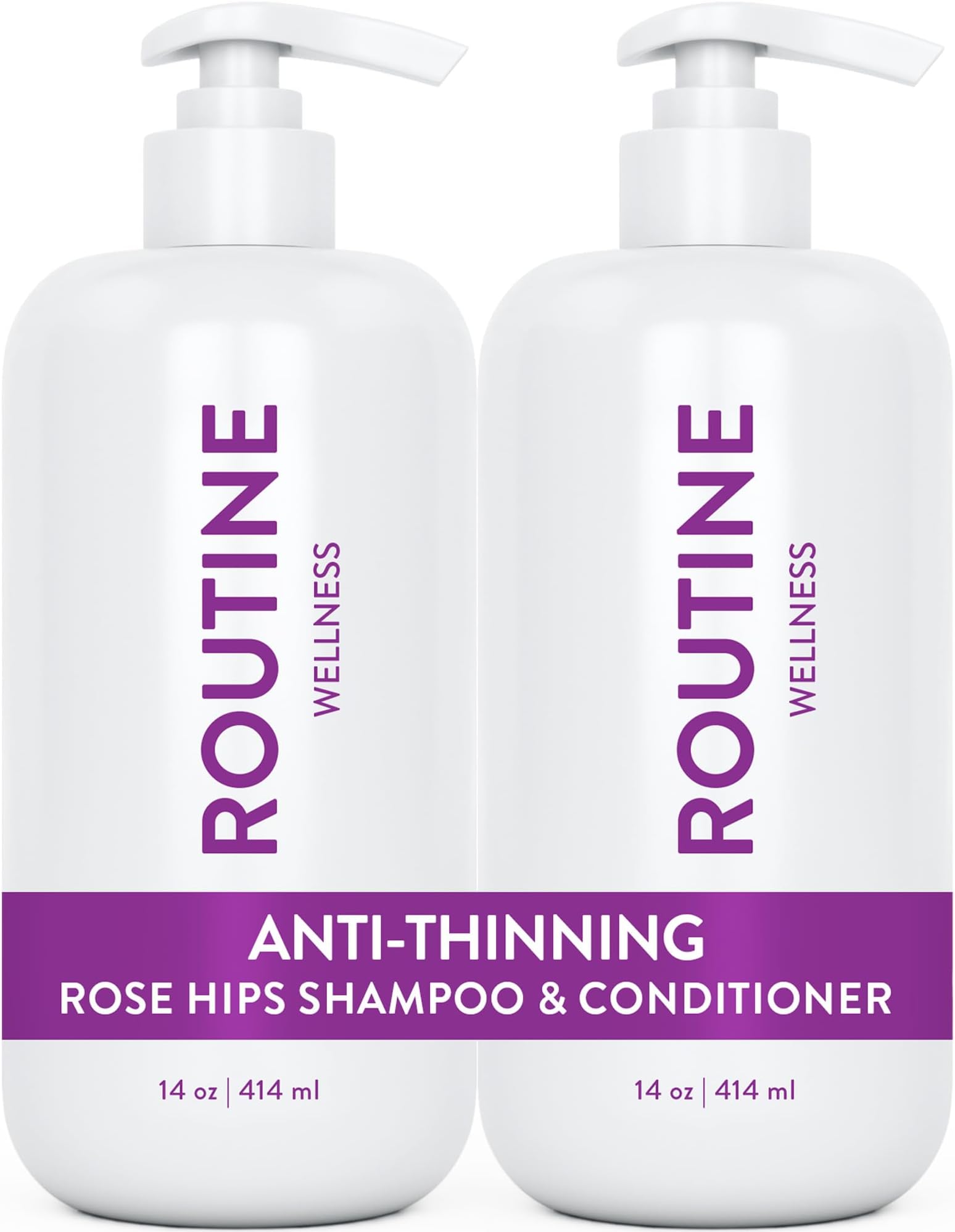
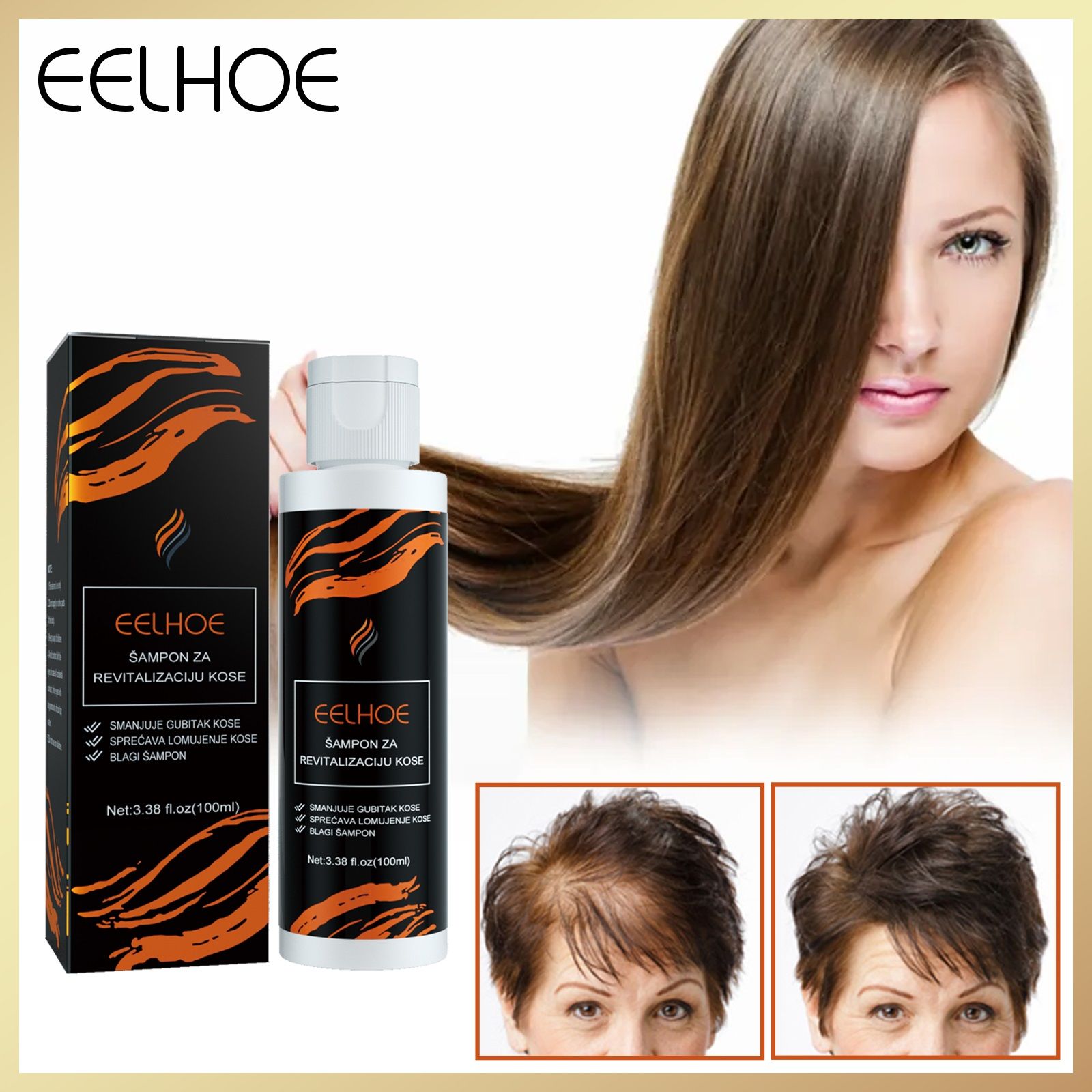
Anti-shedding shampoos for women work by optimizing scalp health, strengthening the hair fiber to prevent breakage, and utilizing DHT-blocking ingredients to prolong the hair’s growth phase. By addressing inflammation and providing essential nutrients like biotin and caffeine, these specialized formulas reduce excessive hair fall and promote a denser, more resilient appearance.
Understanding the Science of Female Hair Shedding
To select an effective anti-shedding shampoo, one must first distinguish between normal daily hair loss and excessive shedding. In 2026, clinical dermatology continues to categorize hair shedding primarily as Telogen Effluvium—a temporary condition where more hairs than usual enter the resting (telogen) phase. While it is normal to lose between 50 and 100 hairs per day, women experiencing shedding often notice significant clumps in the shower or hairbrush, often triggered by hormonal shifts, nutritional deficiencies, or prolonged stress.
The hair growth cycle consists of three primary phases:
- Anagen (Growth): Lasting two to seven years, where the hair is actively growing.
- Catagen (Transition): A short phase where the follicle shrinks.
- Telogen (Resting): A phase lasting about three months before the hair eventually falls out.
Anti-shedding shampoos are formulated to target the transition between these phases. By keeping the follicle in the anagen phase longer and ensuring the scalp environment is free of DHT (dihydrotestosterone) buildup—a hormone byproduct linked to follicle miniaturization—these products help maintain a full head of hair.
Key Ingredients in Professional Anti-Shedding Formulas
The efficacy of a shampoo depends entirely on its active ingredient profile. When reviewing professional-grade anti-shedding products, several key compounds have stood the test of rigorous clinical scrutiny.
DHT Blockers (Saw Palmetto and Pumpkin Seed Oil)
DHT is a major contributor to hair thinning in women, particularly during menopause. Ingredients like Saw Palmetto extract act as natural 5-alpha reductase inhibitors, preventing the conversion of testosterone into DHT. By reducing DHT levels at the scalp surface, these shampoos protect the follicles from shrinking, allowing for thicker hair strands.
Scalp Stimulants (Caffeine and Menthol)
Caffeine is not just for your morning routine; topically applied caffeine has been shown to penetrate the hair follicles and stimulate blood microcirculation. According to research published in the International Journal of Dermatology, caffeine can counteract the suppression of hair follicle production caused by testosterone. This increased circulation ensures that nutrients reach the root more efficiently, supporting the structural integrity of the hair.
Structural Reinforcements (Biotin and Keratin)
While shampoos cannot permanently "repair" dead hair tissue, they can provide a protective coating. Biotin (Vitamin B7) and hydrolyzed Keratin proteins fill in gaps in the hair cuticle. This reduces "shedding" that is actually caused by breakage. If the hair shaft is brittle, it snaps mid-way, which many women misidentify as shedding from the root.
Scalp Health Essentials (Niacinamide and Salicylic Acid)
A healthy scalp is the foundation for hair retention. Niacinamide (Vitamin B3) improves the skin barrier function, reducing inflammation that can lead to premature hair fall. Meanwhile, low concentrations of Salicylic Acid help exfoliate dead skin cells and sebum buildup that can clog follicles and stunt growth.
Choosing a Shampoo Based on Your Scalp Type
Not all anti-shedding shampoos are created equal. A formula designed for an oily scalp might be too harsh for someone with dry, color-treated hair.
- For Oily Scalps: Look for "clarifying" anti-shedding shampoos. These often contain zinc pyrithione or green tea extract to manage sebum. Excess oil can harbor fungi that cause inflammation, leading to increased shedding.
- For Dry or Damaged Hair: Seek out sulfate-free formulas. Sulfates (like Sodium Lauryl Sulfate) can strip the hair of natural oils, making it prone to breakage. Ingredients like argan oil or aloe vera should be paired with the active anti-shedding agents to maintain moisture.
- For Sensitive Scalps: Avoid synthetic fragrances and parabens. Look for "pH-balanced" labels to ensure the shampoo doesn't disrupt the scalp’s natural acid mantle, which can trigger inflammatory shedding.
Comparative Analysis of Anti-Shedding Actives
The following table outlines the most common active ingredients found in 2026 anti-shedding formulations and their primary functions.
| Ingredient | Primary Action | Best For | Technical Benefit |
|---|---|---|---|
| Saw Palmetto | DHT Inhibition | Hormonal Thinning | Prevents follicle miniaturization |
| Caffeine | Stimulation | Slow Growth | Increases follicular blood flow |
| Ketoconazole | Anti-inflammatory | Scalp Irritation | Reduces fungal-related hair fall |
| Biotin | Strengthening | Brittle Hair | Improves keratin infrastructure |
| Peptides | Anchoring | Weak Roots | Strengthens the basement membrane |
| Niacinamide | Barrier Repair | Sensitive Scalp | Reduces oxidative stress |
How to Properly Use Anti-Shedding Shampoo
The most common mistake women make with anti-shedding shampoo is rinsing it off too quickly. Because these products contain active pharmacological or botanical agents, they require contact time to penetrate the scalp and reach the follicle.
Step-by-Step Application Guide
- Initial Rinse: Thoroughly wet your hair with lukewarm water. Avoid hot water, as it can inflame the scalp and weaken the hair protein.
- Scalp Massage: Apply a quarter-sized amount of shampoo directly to the scalp. Use your fingertips (not nails) to massage in circular motions for at least two minutes. This mechanical action helps dislodge sebum and increases the absorption of stimulants like caffeine.
- The "Soak" Period: Allow the shampoo to sit on your scalp for an additional 3 to 5 minutes. This is critical for ingredients like Ketoconazole or Saw Palmetto to exert their effects.
- Thorough Rinse: Rinse with cool water to seal the hair cuticle and enhance shine.
- Conditioner Placement: Only apply conditioner from the mid-lengths to the ends. Applying heavy conditioners to the scalp can weigh down thinning hair and clog pores.
Managing Expectations: The Timeline of Results
It is important to understand that no shampoo can stop shedding overnight. Hair growth is a slow physiological process. Most clinical trials for hair retention products measure results over a 3 to 6-month period.
- Weeks 1-4: You may notice improved scalp health and less oiliness. Some users experience a "dread shed" where old, weak hairs are pushed out to make room for new growth. Do not panic; this is often a sign the cycle is resetting.
- Months 2-3: A visible reduction in the amount of hair found in the drain should occur. The hair shaft may feel thicker due to the protein coatings in the shampoo.
- Month 6+: New "baby hairs" may become visible along the hairline, and overall volume should appear improved.
Holistic Support for Anti-Shedding Regimens
While a high-quality shampoo is a vital tool, it is rarely a standalone solution for severe shedding. To maximize the effectiveness of your topical treatment, consider these lifestyle adjustments:
Nutritional Support
Hair is composed primarily of a protein called keratin. Ensure your diet includes adequate levels of iron, ferritin, Vitamin D, and Zinc. Deficiencies in these areas are leading causes of Telogen Effluvium in women.
Stress Management
Cortisol, the body’s primary stress hormone, can push hair follicles prematurely into the shedding phase. Practices such as regular exercise, adequate sleep, and mindfulness can help regulate cortisol levels, thereby protecting the hair cycle.
Avoiding Mechanical Stress
Limit the use of high-heat styling tools and tight hairstyles (like high ponytails) which can cause Traction Alopecia. When the hair is already prone to shedding, mechanical tension can accelerate the loss of viable strands.
Frequently Asked Questions
Can anti-shedding shampoo regrow hair on bald spots?
Anti-shedding shampoos are primarily designed to prevent further loss and thicken existing hair. If a follicle has completely died and scarred over, a shampoo cannot "revive" it. In such cases, clinical interventions like Minoxidil or laser therapy may be required.
Is it safe to use these shampoos on color-treated hair?
Most modern anti-shedding shampoos, especially those formulated in 2026, are sulfate-free and color-safe. However, always check the label for "Sodium Lauryl Sulfate" (SLS), as this ingredient can strip color and cause dryness.
How often should I wash my hair to prevent shedding?
Contrary to the myth that washing less prevents loss, keeping a clean scalp is essential. For most women, washing 3 to 4 times a week is ideal. Allowing oil and DHT to build up on the scalp can actually worsen shedding.
Do I need a prescription for anti-shedding shampoo?
Most formulas containing botanical DHT blockers, caffeine, and biotin are available over-the-counter (OTC). However, shampoos containing high concentrations of Ketoconazole (2% or higher) may require a prescription in certain jurisdictions.
Can pregnancy affect how these shampoos work?
Postpartum shedding is caused by a sudden drop in estrogen. While anti-shedding shampoos can help support the hair during this time, the process is primarily hormonal. Always consult with a healthcare provider before using new active ingredients while pregnant or breastfeeding.
Practical Recommendation
For the best results, look for an anti-shedding shampoo that combines a DHT blocker (like Saw Palmetto) with a follicle stimulant (like Caffeine). Ensure the formula is sulfate-free to prevent breakage. For significant shedding, use the shampoo consistently at least three times a week, allowing it to sit on the scalp for five minutes per session. If shedding persists beyond three months despite treatment, consult a dermatologist to rule out underlying conditions such as thyroid imbalance or anemia.