In 2026, obtaining life insurance with an anxiety diagnosis is more accessible than ever, provided you understand how underwriters evaluate mental health. While anxiety can influence your premiums, well-managed conditions often qualify for standard or even preferred rates. The key factors include your specific diagnosis, medication history, and overall lifestyle stability.
The Landscape of Mental Health and Underwriting in 2026
Life insurance underwriting has evolved significantly over the last decade. As of 2026, insurance carriers have moved away from broad categorizations of mental health and toward a more nuanced, data-driven approach. Anxiety is now recognized as one of the most common "pre-existing conditions," and because it varies wildly in severity, the impact on your life insurance rates is rarely a one-size-fits-all scenario.
Underwriters are primarily concerned with "mortality risk." When assessing an applicant with anxiety, they aren't looking at the emotional experience of the condition, but rather the statistical likelihood of that condition leading to a claim. Historically, the concerns centered on self-harm or secondary health issues like substance abuse. Today, with better access to treatment and longitudinal data, carriers are more focused on the consistency of care and the stability of the individual’s daily life. If you are someone who manages generalized anxiety through therapy and a stable medication regimen, you are viewed much differently than someone with recent hospitalizations or frequent changes in high-dosage medications.
How Your Anxiety Diagnosis Influences Your Premium
Not all anxiety is viewed equally in the eyes of an actuary. Underwriters generally categorize anxiety into three tiers: mild, moderate, and severe. Understanding where you fall within these tiers is essential for predicting your potential monthly or annual costs.
Mild Anxiety
Applicants in this category often have "situational anxiety" or a mild form of Generalized Anxiety Disorder (GAD). You might take a low-dose SSRI (Selective Serotonin Reuptake Inhibitor) or attend occasional therapy sessions. In 2026, many carriers offer Preferred or Standard Plus rates to these individuals. The requirement is usually a documented history of stability—typically two or more years without a change in medication or a lapse in employment due to the condition.
Moderate Anxiety
This category includes individuals who may experience panic attacks or social anxiety that requires more consistent intervention. If you are taking multiple medications or have had a short-term disability claim related to stress in the past, you will likely fall into the Standard rate class. While your rates will be higher than the "Preferred" tier, they are still considered affordable for most families. Underwriters will look for a "favorable" clinical note from your primary care physician or psychiatrist confirming that you are compliant with your treatment plan.
Severe Anxiety
Severe cases are defined by episodes that result in hospitalization, inability to work, or the presence of co-morbidities like major depressive disorder or substance misuse. In these instances, you may face Table Ratings. A table rate is an additional surcharge (usually 25% to 50% per table) added to the standard premium. In extreme cases, if there has been a suicide attempt or a psychiatric hospitalization within the last 12 to 24 months, an application may be deferred or declined until a longer period of stability is established.
Common Medications and Their Impact on Rates
In 2026, insurance companies use automated prescription database checks (such as Milliman IntelliScript or LexisNexis) to verify your medical history instantly. The type of medication you are prescribed serves as a proxy for the severity of your condition.
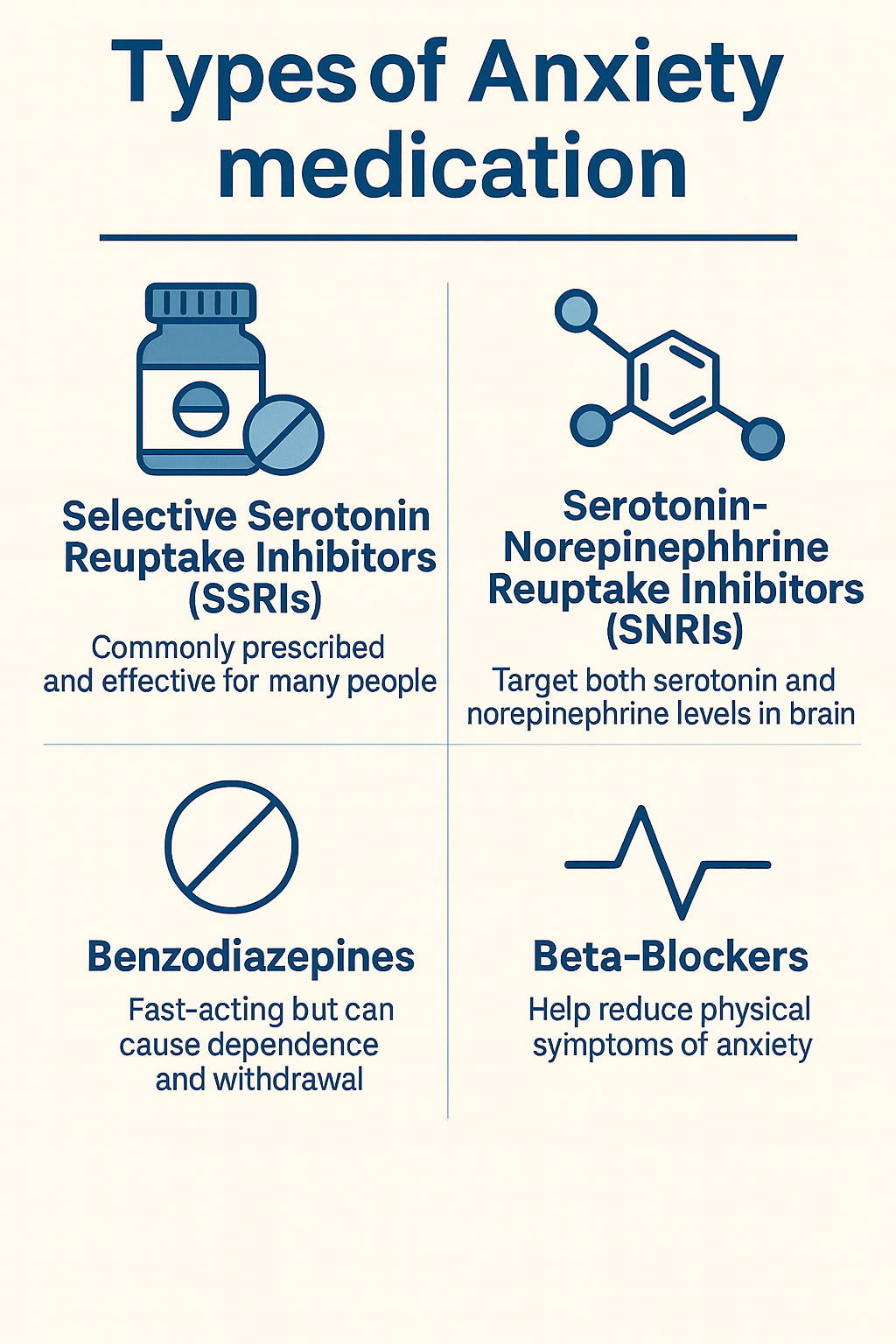
- SSRIs and SNRIs: Drugs like Sertraline (Zoloft), Escitalopram (Lexapro), and Duloxetine (Cymbalta) are very common. When used for mild to moderate anxiety, they rarely trigger high rates. In fact, many "no-exam" policies in 2026 allow these medications without manual review if the dosage is standard.
- Benzodiazepines: Medications like Alprazolam (Xanax) or Lorazepam (Ativan) are viewed with more caution. Because these are often prescribed for acute panic or have a higher potential for dependency, underwriters may investigate how frequently you fill these prescriptions. Occasional "as-needed" use is generally acceptable, but daily use over a long period can push an applicant into a higher risk category.
- Antipsychotics used as "Off-Label" Boosters: Sometimes, low-dose antipsychotics are used to augment antianxiety meds. Underwriters may flag these, as they are also used for more "severe" psychiatric conditions like Bipolar Disorder. Clear communication from your doctor about the intent of the prescription is vital here.
The Underwriting Process: What Information is Collected?
When you apply for life insurance in 2026, the process is often bifurcated between "Accelerated Underwriting" and "Traditional Underwriting."
Accelerated Underwriting
If you apply for a policy and disclose mild anxiety, you might qualify for an accelerated process. This uses AI and data algorithms to scan your Medical Information Bureau (MIB) report, motor vehicle records, and prescription history. If the data shows a stable history of low-dose medication and no red flags, you could be approved in minutes at a standard or preferred rate without a medical exam.
Traditional Underwriting and the APS
If your anxiety is more complex, the carrier will request an Attending Physician’s Statement (APS). This is a formal report from your doctor. Underwriters will specifically look for:
- Date of Onset: How long have you lived with this condition?
- Symptoms: Do you experience physical manifestations, such as tremors or heart palpitations?
- Treatment Compliance: Do you take your medication as prescribed?
- Occupational Stability: Has your anxiety caused significant time away from work?
- Suicidal Ideation: Any history of self-harm is a major factor that can lead to a decline if recent.
Comparative Rates and Risk Classes
The following table illustrates how anxiety severity typically impacts life insurance rate classes and estimated premium increases as of 2026.
| Anxiety Severity | Typical Symptoms/History | Likely Rate Class | Estimated Premium Impact |
|---|---|---|---|
| Mild / Situational | Occasional stress, low-dose SSRI, no work absence. | Preferred / Standard Plus | 0% to +10% |
| Moderate GAD | Regular therapy, consistent medication, no hospitalizations. | Standard | +10% to +25% |
| Panic Disorder | Frequent panic attacks, use of Benzos, well-controlled. | Standard / Table B | +25% to +50% |
| Severe / Chronic | History of hospitalization, multiple meds, work disability. | Table C through H | +75% to +200% |
| Recent Crisis | Self-harm attempt or hospitalization within 12 months. | Decline / Deferral | N/A (Re-apply later) |
Strategies to Secure the Best Rates
Securing the lowest possible antianxiety life insurance rates requires a proactive approach. You are not just a set of data points; you can influence how an underwriter perceives your risk.
1. Maintain Treatment Consistency Insurance companies love stability. If you have been on the same medication at the same dosage for several years, you are a much lower risk than someone who is constantly switching medications. "Medication hopping" suggests that the condition is not yet under control.
2. Document Your "Wellness" Factors While an application asks about illness, you should emphasize health. If you exercise regularly, have a high-demand job you’ve held for years, and have a clean driving record, these factors act as "offsets." They prove that your anxiety does not impede your ability to function at a high level.
3. Be Transparent and Thorough Never hide a diagnosis or a prescription. In 2026, the digital paper trail is nearly impossible to bypass. An omission is viewed as "material misrepresentation," which can lead to an automatic decline, regardless of how mild the anxiety actually is. Disclosing it upfront allows you to provide context.
4. Work with an Independent Agent Captive agents (who work for only one company) are limited by their specific company's "appetite" for mental health risks. An independent agent can "shop" your anonymous profile to multiple carriers to see which ones are currently most "anxiety-friendly." In 2026, some carriers specialize in high-risk mental health cases and offer much better "table shaving" programs than others.
Alternative Life Insurance Options
If your anxiety is classified as "severe" and you are denied traditional term or whole life insurance, you still have options to protect your family.
Group Life Insurance
Many employers offer group life insurance as part of a benefits package. These policies are usually "guaranteed issue" up to a certain limit (e.g., 1x or 2x your salary). This means there is no medical underwriting and your anxiety diagnosis will not affect your eligibility or your rates. This should always be your first line of defense if you have a severe history.
Guaranteed Issue Life Insurance
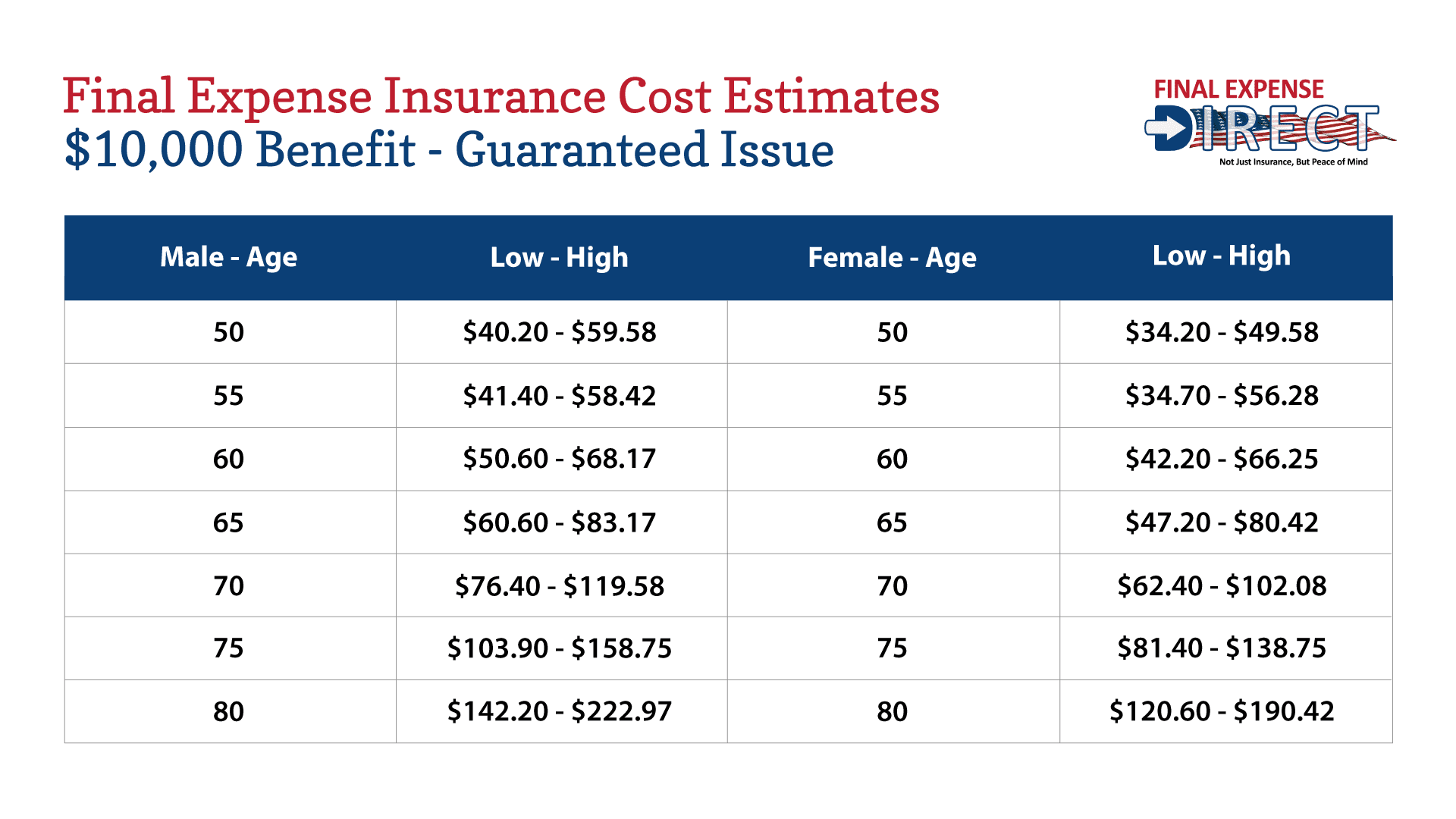
These policies are generally for smaller amounts (often capped at $25,000 or $50,000) and are designed for final expenses. There are no health questions and no medical exams. However, they come with a "graded death benefit," meaning if you die within the first two or three years of the policy, your beneficiaries may only receive a return of premiums plus interest rather than the full face value.
Simplified Issue Life Insurance
This is a middle ground. You answer a few health questions but do not undergo a medical exam. While they are more expensive than fully underwritten policies, they are more lenient toward mental health conditions than traditional term life insurance.
Common Myths About Anxiety and Life Insurance
There is a significant amount of misinformation regarding how mental health affects insurance. Clearing these up can reduce the "application anxiety" many people feel.
- Myth: "If I go to therapy, I'll be declined."
- Fact: In 2026, therapy is viewed as a positive "proactive" measure. Underwriters prefer an applicant who is in therapy over an applicant who has symptoms but is not seeking professional help.
- Myth: "My rates will double because I take Zoloft."
- Fact: For most people, taking a standard SSRI for anxiety has a negligible effect on rates, often resulting in a "Standard" or "Standard Plus" rating, which is very close to the healthiest tier.
- Myth: "I should wait until I'm off medication to apply."
- Fact: This is often a mistake. Being "unmedicated" but having a history of anxiety can look like a higher risk to an underwriter. It is better to show that you are stable on medication than to show you have recently stopped treatment.
Frequently Asked Questions
Can I get life insurance if I have had a panic attack?
Yes. A history of panic attacks does not disqualify you from life insurance. If the attacks are infrequent and managed, you can still qualify for Standard rates. Underwriters will look at the frequency of attacks and whether they have required emergency room visits.
Will my life insurance claim be denied if I die by suicide?
Most life insurance policies in 2026 include a "Suicide Clause," which typically lasts for the first two years of the policy. If the insured person dies by suicide within that window, the company will generally only return the premiums paid. After the two-year contestability period has passed, the full death benefit is usually paid out, regardless of the cause of death.
How long should I wait to apply after a psychiatric hospitalization?
Most insurance carriers prefer to see a period of at least 12 to 24 months of stability following a hospitalization before they will consider an application. Applying too soon after a crisis will likely result in a deferral, meaning they want to see more "proof of stability" over time.
Does postpartum anxiety count the same as general anxiety?
Postpartum anxiety is often viewed more leniently if it is clearly tied to the period following childbirth. Underwriters recognize this as a temporary, hormonal, or situational condition. If the condition resolves within a year or two, it often has no long-term impact on your insurance rates.
What if my anxiety is a result of my job?
Occupational stress is very common. If your anxiety is purely situational due to a high-stress career, underwriters may still offer you competitive rates, provided you are managing that stress effectively and it hasn't led to prolonged leaves of absence.
Final Recommendations
If you are seeking life insurance with an anxiety diagnosis in 2026, the best course of action is to apply while you are stable. Do not wait for a "perfect" health record. Life insurance rates increase as you age, and the benefit of securing a policy now—even at a slightly higher rate—outweighs the risk of remaining uninsured.
Start by gathering your medication list and the contact information for your mental health providers. Be prepared to explain your history clearly. By demonstrating that your anxiety is a managed part of your life rather than an uncontrolled risk, you can secure the financial protection your family deserves at a price that fits your budget.