Anti-NF-κB refers to therapeutic agents or natural compounds designed to inhibit the NF-κB signaling pathway, a central regulator of inflammation and immune responses. By blocking this pathway, these inhibitors treat chronic inflammatory diseases and certain cancers where NF-κB is pathologically overactive, restoring cellular homeostasis and preventing disease progression.
Understanding the NF-κB Protein Complex
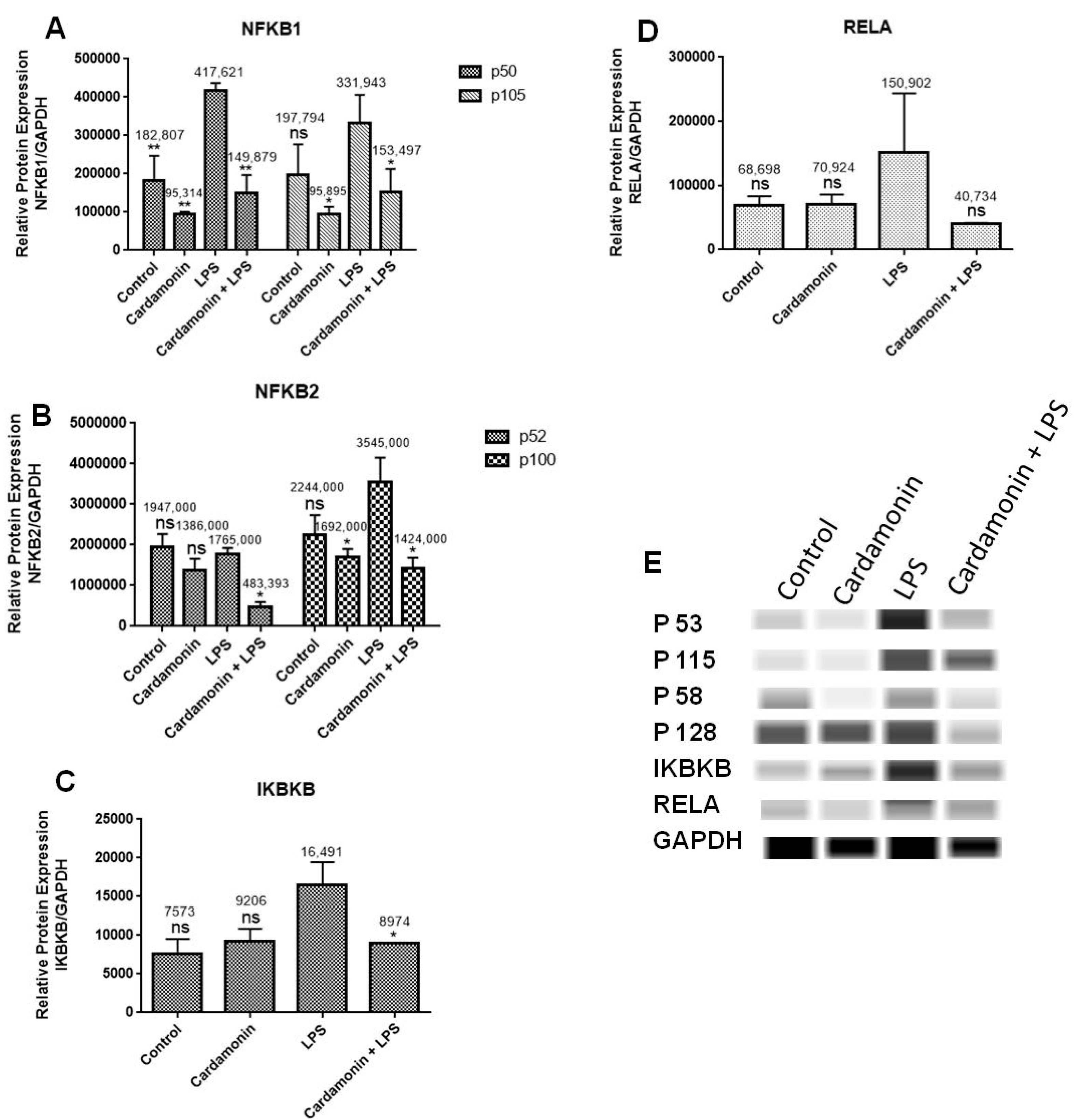
Nuclear Factor kappa-light-chain-enhancer of activated B cells (NF-κB) is not a single protein but a family of inducible transcription factors. To understand what "anti-NF-κB" means, one must first grasp the role of this "master regulator." The NF-κB family consists of five structurally related members: RelA (p65), RelB, c-Rel, NF-κB1 (p50), and NF-κB2 (p52). These proteins form various homo- and heterodimers that bind to specific DNA sequences, known as κB sites, to control the expression of over 500 genes involved in inflammation, cell survival, and immune development.
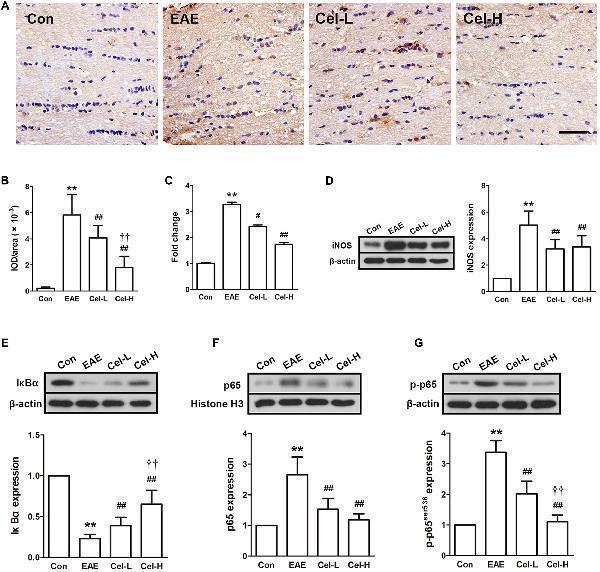
In a resting state, NF-κB dimers are kept inactive in the cytoplasm by a family of inhibitory proteins called IκB (Inhibitor of κB). The most prominent of these is IκBα. As long as IκBα is bound to the NF-κB dimer, the complex cannot enter the nucleus. Anti-NF-κB strategies essentially aim to maintain this inactive state or prevent the downstream consequences of NF-κB activation when the system goes awry.
The activation of NF-κB is a hallmark of the body's response to stress, infection, and injury. However, when this "on switch" becomes stuck in the active position, it leads to chronic inflammation, tissue damage, and the survival of malignant cells. This is where anti-NF-κB interventions become medically necessary.
The Dual Pathways: Canonical vs. Non-Canonical
The approach to inhibiting NF-κB depends on which signaling pathway is being targeted. Broadly, these are categorized into the canonical and non-canonical (or alternative) pathways.
The Canonical Pathway
The canonical pathway is primarily triggered by pro-inflammatory cytokines like Tumor Necrosis Factor-alpha (TNF-α) and Interleukin-1 (IL-1), as well as Pathogen-Associated Molecular Patterns (PAMPs) such as lipopolysaccharide (LPS). This pathway relies on the IKK complex, which consists of two catalytic subunits (IKKα and IKKβ) and a regulatory subunit (IKKγ, also known as NEMO).
When a stimulus hits the cell, the IKK complex phosphorylates IκBα. This phosphorylation marks IκBα for degradation by the 26S proteasome. Once the inhibitor is destroyed, the NF-κB dimer (usually p50/p65) is free to translocate into the nucleus. Most anti-NF-κB drugs target this pathway because of its dominant role in acute inflammation.
The Non-Canonical Pathway
The non-canonical pathway is slower and more specialized, typically activated by specific members of the TNF cytokine family, such as CD40 ligand and B-cell activating factor (BAFF). This pathway depends on NIK (NF-κB-inducing kinase) and IKKα homodimers. It involves the processing of the p100 precursor into p52, leading to the activation of p52/RelB dimers. This pathway is crucial for lymphoid organ development and B-cell maturation. Anti-NF-κB research in 2026 has increasingly focused on this pathway for treating specific autoimmune conditions like systemic lupus erythematosus (SLE).
The Rationale for Anti-NF-κB Therapy
Why is there such a massive clinical push for anti-NF-κB agents? The primary reason is that NF-κB sits at the intersection of several lethal pathologies.
- Chronic Inflammation: In diseases like Rheumatoid Arthritis (RA) and Inflammatory Bowel Disease (IBD), NF-κB is constitutively active. It drives the production of TNF-α, IL-6, and various chemokines that recruit immune cells to healthy tissues, causing irreversible damage.
- Cancer Survival and Resistance: NF-κB upregulates anti-apoptotic genes (like Bcl-2 and IAPs). This makes cancer cells "immortal" and highly resistant to chemotherapy and radiation. Furthermore, NF-κB promotes the Epithelial-Mesenchymal Transition (EMT), which is the primary driver of metastasis.
- Viral Infections: Many viruses, including HIV and certain coronaviruses, hijack the NF-κB pathway to enhance their own viral replication.
- Neurodegeneration: Chronic neuroinflammation, mediated by NF-κB activation in microglia and astrocytes, is a contributing factor in Alzheimer’s and Parkinson’s diseases.
By utilizing anti-NF-κB molecules, clinicians aim to break the cycle of self-perpetuating inflammation and sensitize malignant cells to standard treatments.
Classes of NF-κB Inhibitors
Inhibiting NF-κB is complex because the pathway is essential for normal immune function. Therefore, "anti-NF-κB" represents a wide spectrum of mechanisms, ranging from broad-spectrum inhibitors to highly specific molecular "scalpels."
1. Proteasome Inhibitors
One of the most successful anti-NF-κB strategies involves blocking the proteasome. If the proteasome is inhibited, IκBα cannot be degraded, meaning NF-κB remains trapped in the cytoplasm. Bortezomib and Carfilzomib are prime examples. These are standard-of-care treatments for multiple myeloma, a cancer of plasma cells that is heavily dependent on NF-κB signaling.
2. IKK Inhibitors
Since the IKK complex is the "gatekeeper" of the canonical pathway, it is a logical target. Small molecule inhibitors of IKKβ have been developed to treat inflammatory conditions. While many early versions faced toxicity issues, the "next-generation" inhibitors available in 2026 offer better selectivity, reducing the risk of total immune suppression.
3. Antioxidants and Natural Compounds
Many natural substances act as mild anti-NF-κB agents. Curcumin (from turmeric), Resveratrol (from grapes), and Epigallocatechin gallate (EGCG) (from green tea) have all been shown to interfere with IKK activation or DNA binding. While these are rarely used as primary treatments for severe disease, they are frequently studied for their role in chemoprevention and adjunctive therapy.
4. Glucocorticoids
Common steroids like prednisone and dexamethasone are perhaps the oldest anti-NF-κB drugs. They work by inducing the synthesis of IκBα and by physically interacting with the p65 subunit to prevent it from binding to DNA. This explains their potent anti-inflammatory effects and their widespread use across almost all branches of medicine.
5. Nuclear Translocation Blockers
These agents prevent the NF-κB dimer from physically moving through the nuclear pore. By keeping the proteins in the cytoplasm, the "message" to produce inflammatory cytokines is never delivered to the DNA.
Clinical Applications and Therapeutic Reach
The deployment of anti-NF-κB strategies has transformed several fields of medicine. Below is a breakdown of where these therapies are most impactful.
Oncology
In multiple myeloma and certain types of lymphoma, NF-κB mutations are common. Anti-NF-κB therapy is used here not just to stop inflammation but to directly induce apoptosis (cell death) in the cancer cells. By 2026, clinical protocols often combine proteasome inhibitors with immunotherapy to overcome drug resistance.
Rheumatology and Gastroenterology
For patients with RA or Crohn's disease who do not respond to TNF-blockers (like adalimumab), moving further downstream to inhibit NF-κB directly provides an alternative mechanism for controlling joint destruction and intestinal ulceration.
Metabolic Health
Recent research has highlighted the role of NF-κB in metabolic inflammation (meta-inflammation). Chronic low-grade activation of NF-κB in adipose tissue and the liver contributes to insulin resistance and Type 2 Diabetes. Selective anti-NF-κB agents are being investigated as "metabolic modifiers" to improve insulin sensitivity.
Comparison of Anti-NF-κB Strategies
| Inhibitor Class | Representative Agents | Mechanism of Action | Primary Use Case |
|---|---|---|---|
| Proteasome Inhibitors | Bortezomib, Ixazomib | Blocks IκBα degradation by the 26S proteasome. | Multiple Myeloma, Mantle Cell Lymphoma. |
| IKK Inhibitors | SAR113945, IMD-0354 | Blocks the phosphorylation of IκB proteins. | Rheumatoid Arthritis (Experimental/Clinical Trials). |
| Glucocorticoids | Dexamethasone, Prednisone | Increases IκBα expression; inhibits RelA DNA binding. | Asthma, Autoimmune flares, Allergy. |
| Antioxidants | Curcumin, N-acetylcysteine | Scavenges ROS that trigger IKK activation. | Dietary support, adjunctive therapy. |
| Decoy Oligonucleotides | NF-κB Decoy ODN | Competes with genomic DNA for NF-κB binding. | Atopic dermatitis, vascular restenosis. |
Challenges and Limitations (The "Double-Edged Sword")
The greatest challenge in anti-NF-κB therapy is the essentiality of the target. Because NF-κB is vital for mounting an immune response against bacteria and viruses, complete or prolonged inhibition can lead to severe immunodeficiency.
- Infection Risk: Patients on potent NF-κB inhibitors are at a significantly higher risk for opportunistic infections.
- Liver Toxicity: In some tissues, NF-κB is required for cell survival; inhibiting it can lead to hepatocyte death and liver injury.
- Compensation: The body may find alternative pathways to maintain inflammation, leading to "treatment escape" where the drug eventually loses its effectiveness.
For these reasons, the focus in 2026 has shifted toward transient inhibition (pulsed dosing) and tissue-specific delivery (using nanoparticles or antibody-drug conjugates) to ensure that the drug only hits the pathologically active NF-κB while sparing the healthy immune response.
The Future of Anti-NF-κB Research in 2026
As we move through 2026, the field is evolving beyond crude "blockers" toward precision modulation. One promising area is PROTAC (Proteolysis Targeting Chimera) technology. PROTACs can be designed to selectively degrade specific members of the NF-κB family, such as p65, without affecting the others. This allows for a more nuanced approach—for instance, blocking the pro-inflammatory canonical pathway while leaving the developmental non-canonical pathway intact.
Furthermore, the rise of AI-driven drug discovery has allowed researchers to identify "allosteric sites" on the IKK complex. These are sites that, when bound by a drug, change the shape of the enzyme rather than blocking its active site. This typically results in fewer side effects and higher potency at lower doses.
Frequently Asked Questions
What is the difference between NF-κB and anti-NF-κB?
NF-κB is a protein complex that signals the body to create inflammation and survive stress. Anti-NF-κB refers to any substance—whether a pharmaceutical drug or a natural compound—that blocks or reduces the activity of this signaling complex to treat diseases like cancer and autoimmune disorders.
Can I get anti-NF-κB effects from my diet?
Yes, to a degree. Several "nutraceuticals" possess anti-NF-κB properties. Curcumin (turmeric), resveratrol (red grapes), quercetin (onions/apples), and omega-3 fatty acids all demonstrate the ability to dampen NF-κB signaling. However, the concentration achieved through diet is generally not high enough to treat acute or severe clinical conditions.
Is anti-NF-κB the same as an anti-inflammatory?
NF-κB inhibition is a type of anti-inflammatory action, but it is more specific than broad terms like "anti-inflammatory." While aspirin and ibuprofen (NSAIDs) primarily block the COX enzymes, anti-NF-κB agents work "upstream" by preventing the production of those enzymes and many other inflammatory markers at the genetic level.
Why is NF-κB often called a "double-edged sword" in medicine?
It is called a double-edged sword because while overactive NF-κB causes disease (cancer and inflammation), a baseline level of NF-κB activity is required for a healthy immune system to fight off pathogens and for cells to survive normal stress. Therefore, "anti-NF-κB" therapy must be carefully balanced to avoid making the patient vulnerable to infections.
Are there anti-NF-κB antibodies for research?
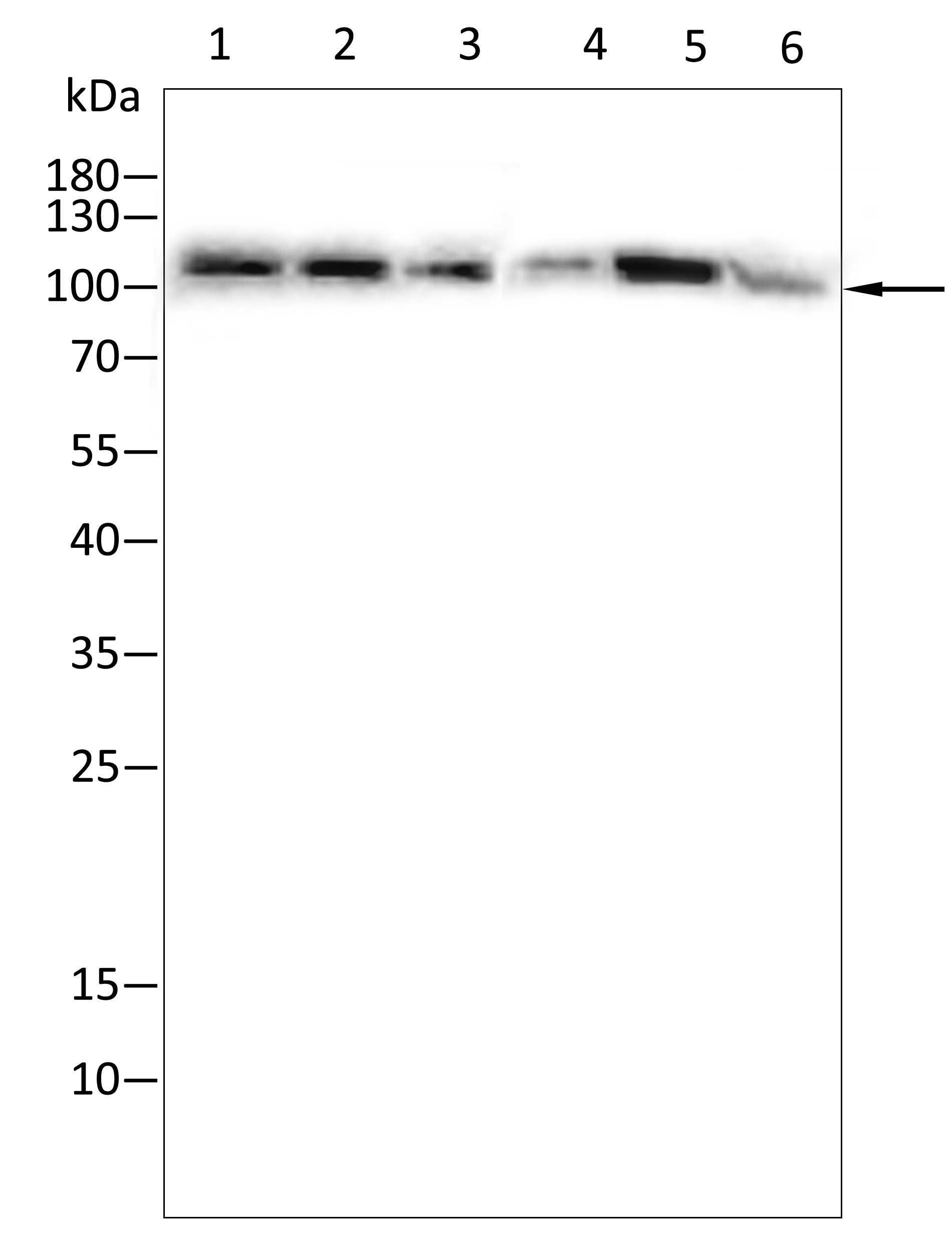
In a laboratory setting, "anti-NF-κB" often refers to antibodies used in Western blotting, immunohistochemistry (IHC), or chromatin immunoprecipitation (ChIP). These are research tools used to detect the presence and location of NF-κB proteins in tissue samples, which is distinct from therapeutic inhibitors used to treat patients.
Practical Recommendation
If you are exploring anti-NF-κB options for a diagnosed condition, it is critical to distinguish between medical-grade inhibitors (like proteasome inhibitors or corticosteroids) and over-the-counter supplements. For chronic inflammatory conditions, consult a rheumatologist or immunologist about the latest selective IKK inhibitors or biologic therapies. If you are interested in the health-protective effects of natural NF-κB modulation, focusing on a Mediterranean-style diet rich in polyphenols is a scientifically supported starting point. Always consult a healthcare provider before beginning any new supplement regimen, as even natural NF-κB inhibitors can interact with blood thinners and other medications.