Anti-money laundering artificial intelligence (AML AI) utilizes advanced machine learning, natural language processing, and neural networks to automate the detection of illicit financial flows. By analyzing massive datasets in real-time, these systems identify complex criminal patterns, reduce false-positive alerts, and ensure financial institutions comply with global regulatory standards more efficiently than traditional rule-based software.
The Shift from Legacy Systems to AI-Driven Compliance
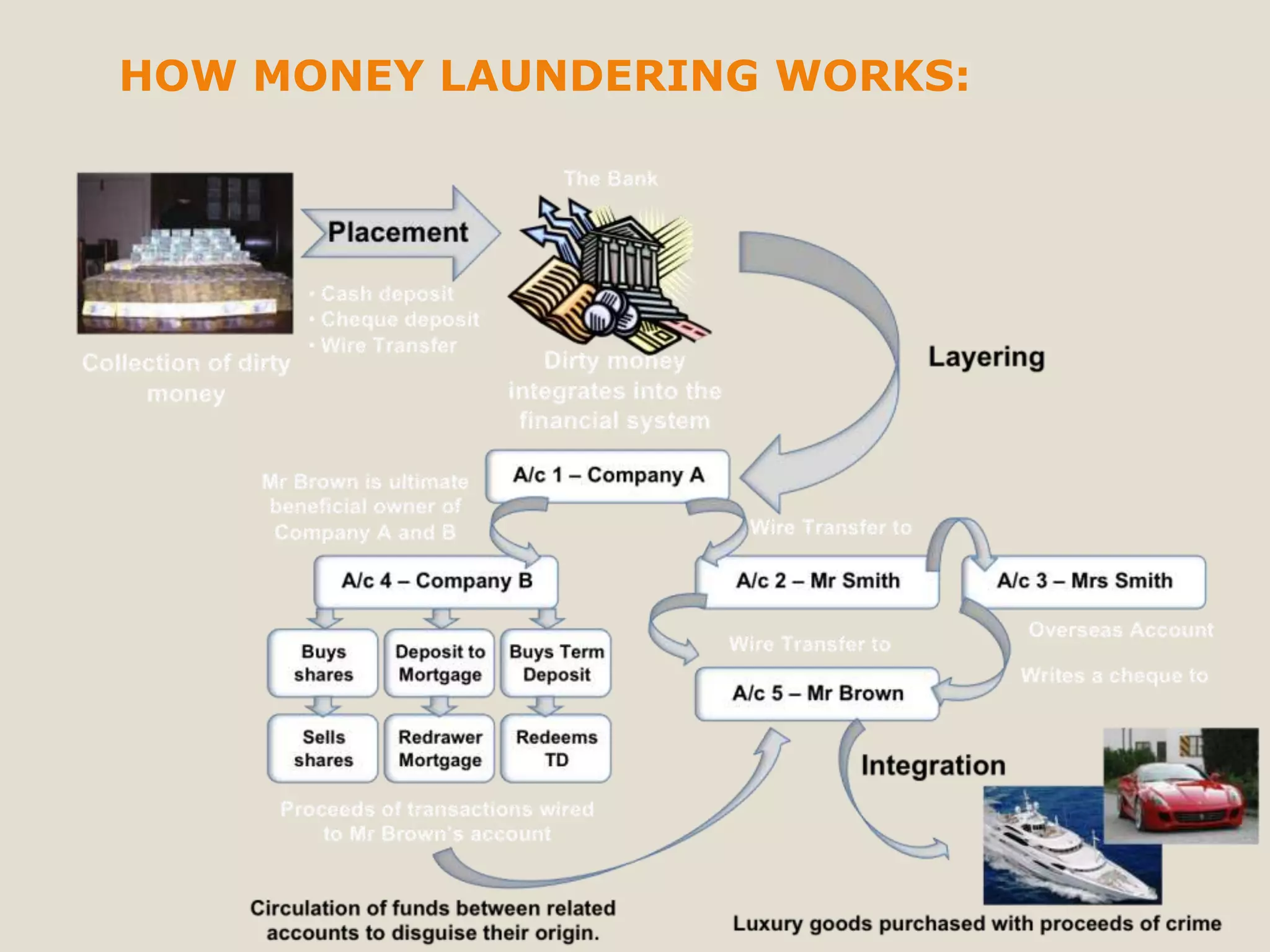
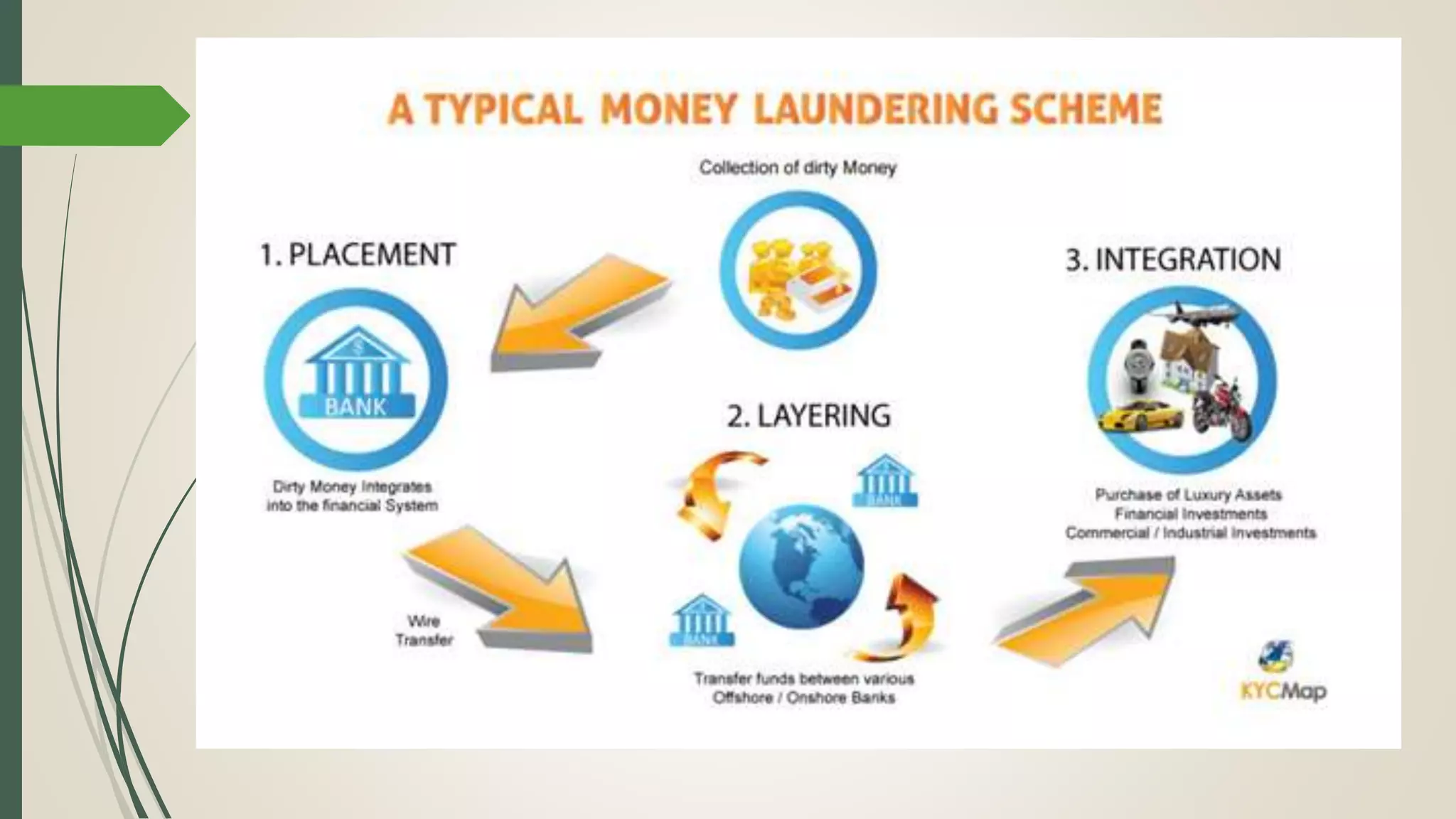
For decades, financial institutions relied on "if-then" rule-based systems to flag suspicious activity. These legacy frameworks were designed to catch simple red flags, such as single transactions exceeding $10,000. However, as of 2026, the sophistication of global financial crime has rendered these static rules insufficient. Criminal networks now use fragmented "smurfing" techniques, shell companies, and cross-border digital asset transfers to mask the origins of illicit funds.
Anti-money laundering artificial intelligence represents a paradigm shift. Unlike traditional software, AI does not wait for a pre-defined rule to be triggered. Instead, it observes "normal" behavior for every customer and flags deviations. This behavioral analysis is critical because it identifies "unknown unknowns"—new laundering typologies that haven't been codified into rules yet. The integration of AI allows compliance officers to move from a reactive posture to a proactive one, identifying risks before they escalate into regulatory failures or significant financial losses.
Core Technologies Powering AML AI in 2026
The effectiveness of AI in the AML space depends on several intersecting technologies. Understanding these is essential for any institution looking to upgrade its compliance stack.
Machine Learning (Supervised and Unsupervised)
Machine Learning (ML) is the backbone of modern AML. Supervised learning involves training an algorithm on historical data that has already been labeled "suspicious" or "not suspicious." The model learns the characteristics of past money laundering cases to predict future occurrences.
Conversely, unsupervised learning is used to find patterns in data without prior labeling. In 2026, this is particularly valuable for detecting "outlier" behavior. By grouping customers into peer clusters based on transaction frequency, geography, and volume, unsupervised models can flag a customer who suddenly begins acting outside the norms of their specific peer group, even if they haven't violated a specific regulatory threshold.
Natural Language Processing (NLP)
A significant portion of AML work involves Customer Due Diligence (CDD) and Adverse Media Screening. Previously, analysts had to manually search news reports and legal filings. NLP now automates this by "reading" millions of unstructured data sources in seconds. It can distinguish between a person named "John Smith" who was arrested for fraud and a different "John Smith" who won a local community award, drastically reducing the manual workload for KYC (Know Your Customer) teams.
Graph Analytics and Network Analysis
Money laundering is rarely a solo endeavor; it involves networks of accounts. Graph analytics allow AI to visualize and analyze the relationships between entities. If five seemingly unrelated companies all share the same beneficial owner or operate out of the same virtual office in a high-risk jurisdiction, the AI flags the entire network. This holistic view is something manual investigators struggle to achieve without weeks of cross-referencing spreadsheets.
Key Benefits of Implementing AI in AML Workflows
The transition to AI-driven AML is not merely a technological upgrade; it is a strategic necessity driven by the need for accuracy and operational efficiency.
Reduction in False Positives
One of the most persistent "pain points" in compliance has been the overwhelming volume of false positives. Historically, up to 95% of alerts generated by rule-based systems were false alarms, leading to "alert fatigue" among staff. AI models refine this process by applying multi-dimensional filters. By 2026, institutions using advanced AI have reported reducing false positives by 40% to 60%, allowing human investigators to focus their energy on high-risk, high-probability cases.
Real-Time Transaction Monitoring
In the era of instant payments and 24/7 digital banking, waiting for an end-of-day batch process to flag a suspicious transfer is too late. AI provides the latency required for real-time monitoring. It can evaluate a transaction against a customer’s entire history and global risk databases in milliseconds, potentially blocking a fraudulent or illicit transfer before the funds are moved out of reach.
Enhanced Regulatory Reporting
In many jurisdictions, including the United States and the European Union, the quality of Suspicious Activity Reports (SARs) is a major focus for regulators. AI helps generate more detailed and narrative-rich reports. By automatically aggregating the evidence—the "why" behind the flag—AI assists compliance officers in filing more actionable intelligence with financial intelligence units (FIUs).
Implementation Framework and Best Practices
Deploying anti-money laundering artificial intelligence requires more than just buying a software license. It requires a structured approach to data, talent, and governance.
- Data Hygiene and Integration: AI is only as good as the data it consumes. Institutions must break down internal silos to ensure the AI has access to transaction data, KYC information, and external threat intelligence simultaneously. Clean, structured data is the prerequisite for any successful ML model.
- Explainable AI (XAI): Regulators in 2026 emphasize the importance of "explainability." A bank cannot simply tell a regulator that "the computer said so." XAI modules are now a standard requirement, providing a transparent audit trail that explains exactly which variables led to a specific risk score or alert.
- Human-in-the-Loop (HITL): AI is an augmentative tool, not a total replacement for human judgment. The most effective systems use AI to surface the most relevant risks, which are then reviewed by experienced compliance professionals. This feedback loop also helps the AI learn; when an investigator dismisses an alert, the model adjusts its future logic.
Comparison: Traditional vs. AI-Enhanced AML
| Feature | Traditional Rule-Based Systems | AI-Enhanced AML (2026 Standard) |
|---|---|---|
| Detection Logic | Static thresholds (e.g., >$10k) | Dynamic behavioral patterns |
| False Positive Rate | Extremely high (often >90%) | Significantly lower (40-60% reduction) |
| Adaptability | Requires manual rule updates | Self-learning via new data inputs |
| Data Types | Structured transaction data only | Structured and unstructured (news, social) |
| Network Visibility | Limited; looks at isolated events | High; analyzes entity relationships |
| Processing Speed | Batch processing | Real-time or near real-time |
Challenges and Ethical Considerations
Despite its advantages, the use of AI in AML is not without its hurdles. Institutions must navigate these carefully to avoid secondary risks.
- Algorithmic Bias: If the training data contains historical biases, the AI may unfairly target certain demographics or nationalities. Continuous bias auditing is a regulatory expectation in 2026.
- Adversarial AI: Criminals are also using AI. "Generative laundering" techniques involve using AI to create thousands of synthetic identities or to mimic legitimate transaction patterns to "blend in" with the noise. This creates a technological arms race between banks and bad actors.
- The "Black Box" Problem: Complex deep learning models can be difficult to interpret. Financial institutions must balance the "power" of a model with its "interpretability" to remain compliant with laws like the EU AI Act or similar local mandates.
Regulatory Landscape and Global Compliance
By 2026, major regulatory bodies such as the Financial Action Task Force (FATF) and the European Banking Authority (EBA) have released specific guidelines for the use of technology in AML. The consensus has shifted from a skeptical view of AI to a formal encouragement of its use, provided the models are validated and governed correctly.
Financial institutions are now required to perform regular model validation. This involves testing the AI against "champion-challenger" models to ensure it hasn't lost its edge or developed "drift"—a phenomenon where a model's accuracy degrades as the underlying data patterns change over time.
Professional Advice Limitation: The information provided regarding AML regulations is for educational purposes and does not constitute legal or financial advice. Compliance requirements vary significantly by jurisdiction and institutional size. Always consult with a qualified legal professional or a specialized compliance consultant regarding specific regulatory obligations.
Frequently Asked Questions
Does AI replace compliance officers in AML?
No, AI does not replace compliance officers. Instead, it automates the repetitive, data-heavy tasks of screening and initial detection. This allows compliance professionals to focus on high-level investigations, strategy, and complex decision-making that require human context and ethics. In 2026, the role of a compliance officer has evolved into a "compliance technologist" who manages the AI systems.
How does AI reduce the cost of AML compliance?
AI reduces costs primarily through operational efficiency. By significantly lowering the number of false positives, institutions can reduce the size of the "Level 1" investigative teams that previously spent thousands of hours clearing non-suspicious alerts. Additionally, AI helps avoid the massive fines associated with regulatory failures, which can often reach billions of dollars.
Is AI-driven AML suitable for smaller fintechs or only big banks?
AI-driven AML is increasingly accessible to smaller fintechs through "SaaS" (Software as a Service) models. In 2026, many specialized providers offer cloud-based AI compliance tools that allow smaller firms to utilize enterprise-grade detection without the massive upfront capital expenditure of building their own proprietary models.
What is "Explainable AI" (XAI) in the context of money laundering?
Explainable AI refers to techniques and methods that make the results of an AI model understandable to humans. In AML, this means providing a clear list of "risk drivers"—such as a sudden change in transaction frequency, connections to a sanctioned region, and inconsistent KYC data—that led the system to flag a specific account. This transparency is vital for regulatory audits.
How do I start migrating from rule-based to AI-based AML?
The most common approach is a "hybrid model." Institutions keep their existing rule-based system as a safety net while running an AI model in parallel (often called "shadow mode"). Once the AI model has been tuned and validated against the rule-based results to prove its superior accuracy, the institution can gradually transition its primary monitoring focus to the AI.
Next Actions for Financial Institutions
To stay competitive and compliant in 2026, financial institutions should prioritize a comprehensive data audit. This ensures that the information being fed into an AI system is accurate, timely, and integrated across all departments. Following the audit, engaging with a reputable Regtech partner to conduct a "Proof of Concept" (PoC) using historical data can demonstrate the specific ROI of AI for your unique risk profile. Finally, invest in upskilling your current compliance staff; their domain expertise is essential for guiding the AI and interpreting its more complex findings.