Anti-PD-L1 therapy is a transformative class of cancer immunotherapy that works by blocking the Programmed Death-Ligand 1 (PD-L1) protein on tumor cells. This action prevents the protein from binding to the PD-1 receptor on T-cells, thereby restoring the immune system's natural ability to identify and eliminate malignant cells across various solid tumors.
Understanding the PD-1/PD-L1 Pathway in Oncology
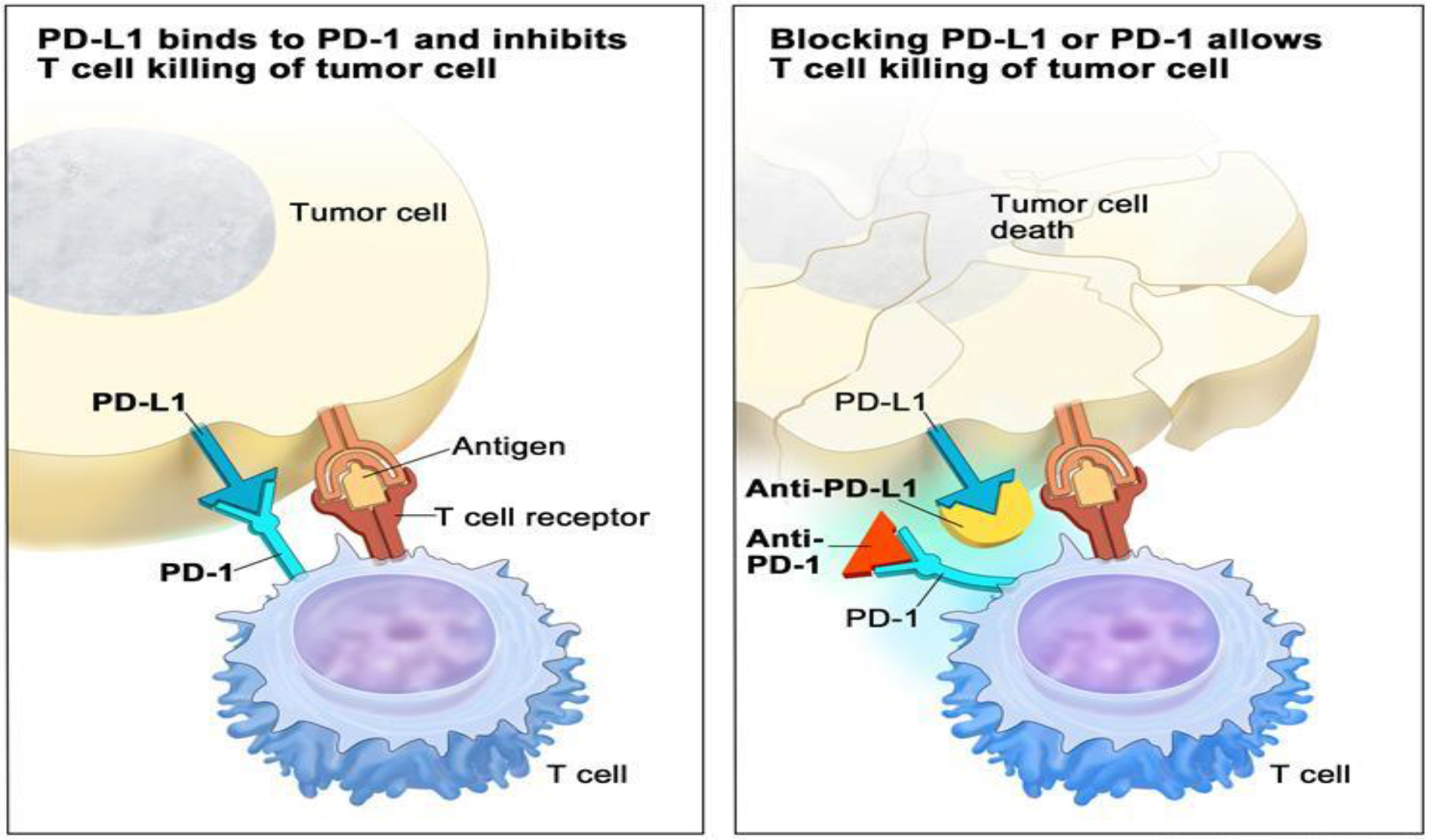
To appreciate the significance of anti-PD-L1 therapy, one must first understand the biological "brake" system the body uses to prevent autoimmunity. In a healthy physiological state, the immune system utilizes checkpoints to ensure that T-cells do not attack the body’s own healthy tissues. One such checkpoint involves the interaction between Programmed Death-1 (PD-1), a receptor found on the surface of T-cells, and its ligand, Programmed Death-Ligand 1 (PD-L1), which is expressed on various cells.
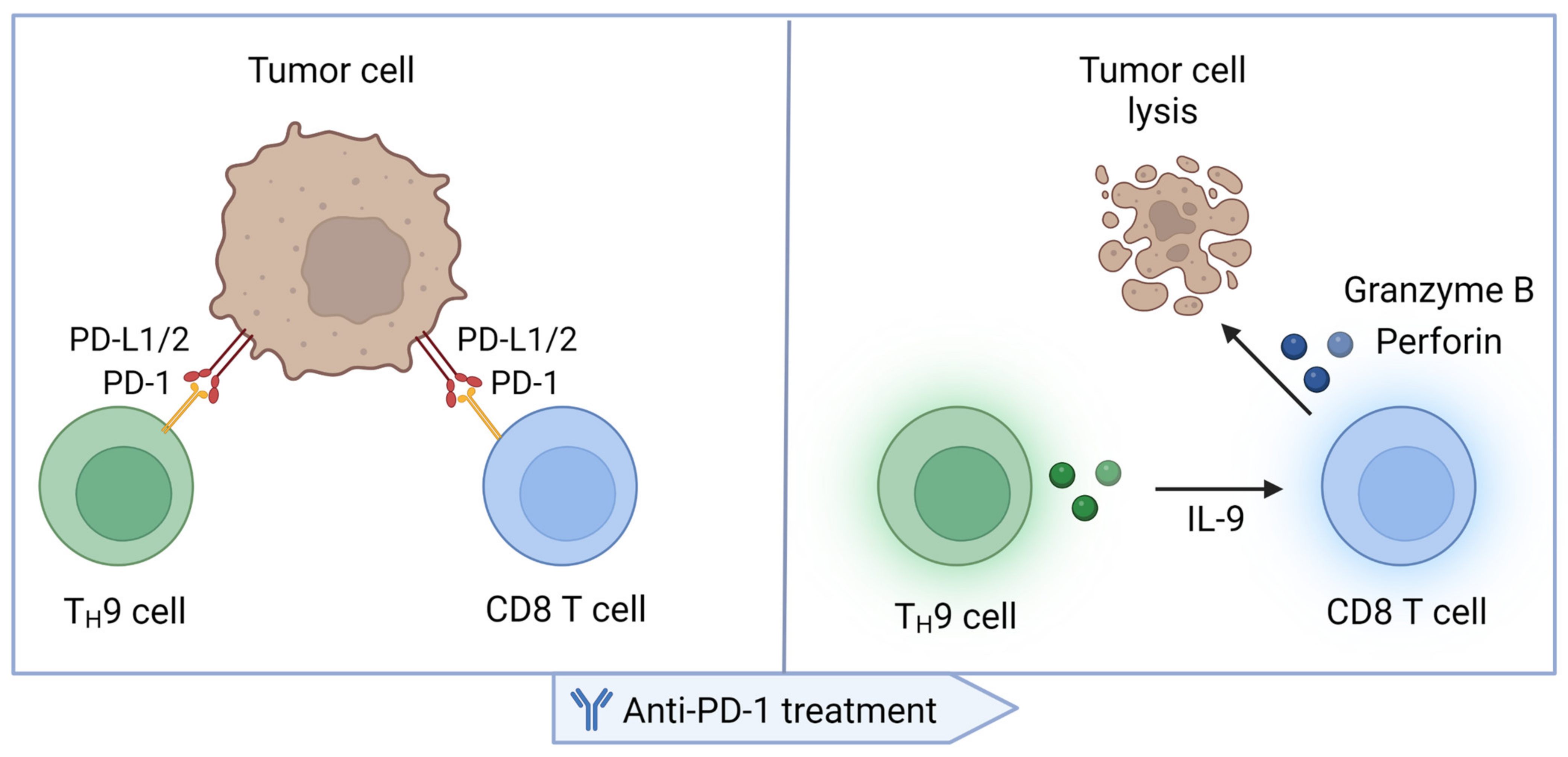
Cancer cells are notoriously adept at "hijacking" this natural safety mechanism. Many tumors overexpress PD-L1 on their surface. When this ligand binds to the PD-1 receptor on an infiltrating T-cell, it sends an inhibitory signal that effectively turns the T-cell off. This state, often referred to as T-cell exhaustion, allows the tumor to grow and metastasize undetected by the adaptive immune system. Anti-PD-L1 antibodies are engineered to bind specifically to the ligand on the tumor cell (or on tumor-infiltrating immune cells), physically blocking the "handshake" with the PD-1 receptor and reinvigorating the anti-tumor immune response.
In the 2026 oncological landscape, the distinction between PD-1 inhibitors and PD-L1 inhibitors remains clinically relevant. While both classes target the same pathway, PD-L1 inhibitors leave the interaction between PD-1 and PD-L2 (another ligand) intact. Some researchers hypothesize that this selectivity may result in a different side-effect profile, particularly concerning immune-related pneumonitis, although both classes remain foundational pillars of modern immuno-oncology (IO).
Major Anti-PD-L1 Agents and Their 2026 Clinical Status
By 2026, several anti-PD-L1 monoclonal antibodies have established themselves as standard-of-care treatments across multiple indications. These agents are primarily administered intravenously, though subcutaneous formulations have gained significant traction for patient convenience and healthcare efficiency.
Atezolizumab (Tecentriq)
Atezolizumab was the first FDA-approved PD-L1 inhibitor. It is a humanized IgG1 monoclonal antibody. By 2026, its role has expanded significantly from its initial approvals in urothelial carcinoma. It is now a cornerstone in the treatment of extensive-stage small cell lung cancer (ES-SCLC) when combined with chemotherapy and is frequently used in the adjuvant setting for non-small cell lung cancer (NSCLC). Furthermore, its combination with bevacizumab remains a first-line standard for unresectable hepatocellular carcinoma (HCC).
Durvalumab (Imfinzi)
Durvalumab has solidified its position as the standard of care for patients with unresectable, Stage III NSCLC whose disease has not progressed following concurrent platinum-based chemotherapy and radiation therapy. This "consolidation" therapy has drastically improved progression-free survival (PFS) and overall survival (OS) in this patient population. In 2026, Durvalumab is also widely utilized in combination with tremelimumab (a CTLA-4 inhibitor) for biliary tract cancers and certain types of liver cancer.
Avelumab (Bavencio)
Avelumab is unique among the three primary PD-L1 inhibitors because it retains a functional Fc region, which allows it to engage the innate immune system through antibody-dependent cellular cytotoxicity (ADCC). This dual mechanism—blocking the PD-1/PD-L1 axis while potentially triggering direct cell lysis by natural killer (NK) cells—is particularly effective in Merkel cell carcinoma. In 2026, avelumab is also the global standard for first-line maintenance therapy in advanced urothelial carcinoma for patients who have achieved stability or response after induction chemotherapy.
Comparative Overview of Leading PD-L1 Inhibitors
The following table summarizes the primary characteristics and common indications for the three most widely used anti-PD-L1 therapies as of 2026.
| Agent | Manufacturer | Primary Indications (Standard of Care) | Administration Route | Key Distinguishing Feature |
|---|---|---|---|---|
| Atezolizumab | Genentech/Roche | NSCLC, SCLC, HCC, TNBC | IV / Subcutaneous | High efficacy in SCLC and HCC combinations. |
| Durvalumab | AstraZeneca | Stage III NSCLC, Biliary Tract, HCC | IV | Standard for consolidation after chemoradiation. |
| Avelumab | EMD Serono/Pfizer | Merkel Cell, Urothelial (Maintenance), RCC | IV | Capable of ADCC via functional Fc region. |
Indications and Disease-Specific Applications
Anti-PD-L1 therapy is rarely a one-size-fits-all solution; its application is highly dependent on tumor type, stage, and molecular characteristics.
Non-Small Cell Lung Cancer (NSCLC)
In NSCLC, PD-L1 inhibitors are used across the treatment continuum. For metastatic disease, they may be used as monotherapy if PD-L1 expression is high (typically ≥50%) or in combination with chemotherapy regardless of expression levels. By 2026, the use of these agents in the neoadjuvant (pre-surgery) and adjuvant (post-surgery) settings has become routine for resectable stages, significantly reducing the rates of disease recurrence.
Urothelial and Renal Cell Carcinomas
The "maintenance" paradigm introduced by avelumab has changed the treatment of bladder cancer. Instead of waiting for a recurrence, patients who respond to initial chemotherapy immediately transition to anti-PD-L1 therapy. In renal cell carcinoma (RCC), these agents are often paired with tyrosine kinase inhibitors (TKIs) to provide a "double hit" against both the tumor's blood supply and its immune evasion mechanisms.
Small Cell Lung Cancer (SCLC) and Triple-Negative Breast Cancer (TNBC)
SCLC was long considered an "immunologically cold" tumor until the success of atezolizumab and durvalumab. These agents provide a modest but statistically significant survival benefit in a disease where progress had stalled for decades. Similarly, in PD-L1-positive TNBC, atezolizumab in combination with nab-paclitaxel has offered a new avenue for patients with limited options.
Biomarkers: Predicting Response to Therapy
One of the greatest challenges in 2026 remains identifying which patients will benefit most from anti-PD-L1 therapy. While some patients experience durable, multi-year remissions, others do not respond at all.
- PD-L1 Expression (IHC): The most common biomarker is the immunohistochemistry (IHC) testing of tumor tissue. Results are often reported as a Tumor Proportion Score (TPS) or a Combined Positive Score (CPS). However, PD-L1 expression is dynamic and can change over time or vary between different tumor sites in the same patient.
- Tumor Mutational Burden (TMB): High TMB indicates a higher number of mutations, which theoretically leads to more "neoantigens" that the immune system can recognize. Tumors with high TMB often respond better to PD-L1 blockade.
- Microsatellite Instability (MSI-H) / dMMR: Tumors that are deficient in mismatch repair (dMMR) are highly susceptible to checkpoint inhibitors. While this was historically associated more with PD-1 inhibitors like pembrolizumab, PD-L1 agents are also effective in these hyper-mutated environments.
Managing Immune-Related Adverse Events (irAEs)
Because anti-PD-L1 therapies work by amping up the immune system, they can cause the immune system to attack healthy organs. These are known as Immune-Related Adverse Events (irAEs). Unlike the side effects of traditional chemotherapy (like hair loss or nausea), irAEs are inflammatory in nature and can occur in virtually any organ system.
- Dermatologic: Maculopapular rashes and pruritus are the most common early-onset side effects.
- Gastrointestinal: Immune-mediated colitis can lead to severe diarrhea and abdominal pain. This requires prompt treatment with corticosteroids to prevent bowel perforation.
- Endocrine: Hypophysitis, thyroiditis, and Type 1 diabetes are unique because they are often irreversible, requiring lifelong hormone replacement therapy (e.g., levothyroxine or insulin).
- Pulmonary: Pneumonitis is a rare but potentially fatal inflammation of the lungs. Early detection via CT imaging is critical.
In 2026, oncology clinics use standardized grading systems (such as the CTCAE) to manage these toxicities. Grade 1-2 events are often managed with symptomatic treatment or temporary suspension of the drug, while Grade 3-4 events usually require high-dose steroids and permanent discontinuation of the immunotherapy.
The 2026 Landscape: Resistance and Combination Strategies
As of 2026, the primary focus of oncological research is overcoming primary and acquired resistance to PD-L1 inhibitors. Primary resistance occurs when a tumor never responds, often due to an "immune-excluded" environment where T-cells cannot penetrate the tumor core. Acquired resistance occurs when a tumor initially responds but later develops new mutations to bypass the checkpoint blockade.
To combat this, the industry has shifted toward combination therapies:
- IO-IO Combinations: Pairing PD-L1 inhibitors with newer checkpoints like TIGIT, LAG-3, or OX40 inhibitors.
- ADCs and Immunotherapy: Combining Antibody-Drug Conjugates (ADCs) with PD-L1 inhibitors to deliver a cytotoxic "payload" while simultaneously stimulating the immune system.
- Bispecific Antibodies: Engineering single molecules that can bind to both PD-L1 and another target (like VEGF or 4-1BB) to localize the immune response more effectively.
Access, Cost, and Health Economics
Anti-PD-L1 therapies represent a significant financial investment. In 2026, the average cost for a year of treatment remains high, often exceeding $150,000 to $200,000 USD, depending on the agent and dosage. However, the shift toward subcutaneous administration has reduced the "chair time" in infusion centers, lowering the total cost of delivery for healthcare systems.
Most major manufacturers offer patient assistance programs (PAPs) to help with co-pays for eligible patients. In countries with single-payer systems, such as the UK (NHS) or Canada, access is strictly governed by cost-effectiveness ratios and specific clinical guidelines issued by bodies like NICE or CADTH. Patients are encouraged to verify their coverage and explore molecular testing early, as many insurance providers now require proof of PD-L1 expression levels before authorizing treatment.
Common Questions About Anti-PD-L1 Therapy
What is the difference between PD-1 and PD-L1 inhibitors?
PD-1 inhibitors (like pembrolizumab) bind to the receptor on the T-cell, while PD-L1 inhibitors (like atezolizumab) bind to the ligand on the tumor cell. While both disrupt the same pathway, PD-L1 inhibitors leave the PD-1/PD-L2 interaction intact, which some studies suggest may lower the risk of certain pulmonary side effects, though clinical outcomes are generally comparable.
How long does a patient stay on anti-PD-L1 therapy?
In the metastatic setting, treatment often continues for up to two years or until the disease progresses or side effects become unmanageable. In the adjuvant setting (post-surgery), the standard duration is typically one year. Clinical trials in 2026 are investigating whether "treatment holidays" are possible for patients who achieve a complete molecular response.
Can PD-L1 therapy be used for all types of cancer?
No. While it is approved for many common cancers (lung, bladder, breast, liver), it is less effective in "cold" tumors like prostate cancer or certain types of pancreatic cancer. Testing for biomarkers like PD-L1 expression, TMB, or MSI status is essential to determine if the therapy is likely to be effective for a specific individual.
Is anti-PD-L1 therapy considered chemotherapy?
No, it is immunotherapy. Unlike chemotherapy, which directly kills rapidly dividing cells (both healthy and cancerous), anti-PD-L1 therapy trains the patient's own immune system to do the work. This results in a different side-effect profile; patients typically do not lose their hair, but they may experience inflammation-related issues.
Are there lifestyle restrictions while on these treatments?
Patients are generally advised to avoid live vaccines and to be cautious with immunosuppressive medications like high-dose prednisone unless directed by their oncologist. Because the immune system is being stimulated, patients should report any new symptoms—even minor ones like a cough or skin rash—to their care team immediately.
Practical Recommendations for Patients and Clinicians
For patients diagnosed with advanced solid tumors in 2026, the first step is ensuring a comprehensive biomarker profile is performed on a recent biopsy sample. This should include PD-L1 IHC, TMB, and MSI status. Understanding these results is vital before committing to a treatment plan.
Clinicians should prioritize the early identification of irAEs. Patient education is the first line of defense; ensuring that patients recognize the signs of colitis or pneumonitis can be the difference between a manageable side effect and a life-threatening complication. Finally, as the field moves toward personalized medicine, enrollment in clinical trials exploring bispecific antibodies or triplet combinations remains the best path forward for patients who progress on standard PD-L1 blockade.
External Resources for Further Reading: