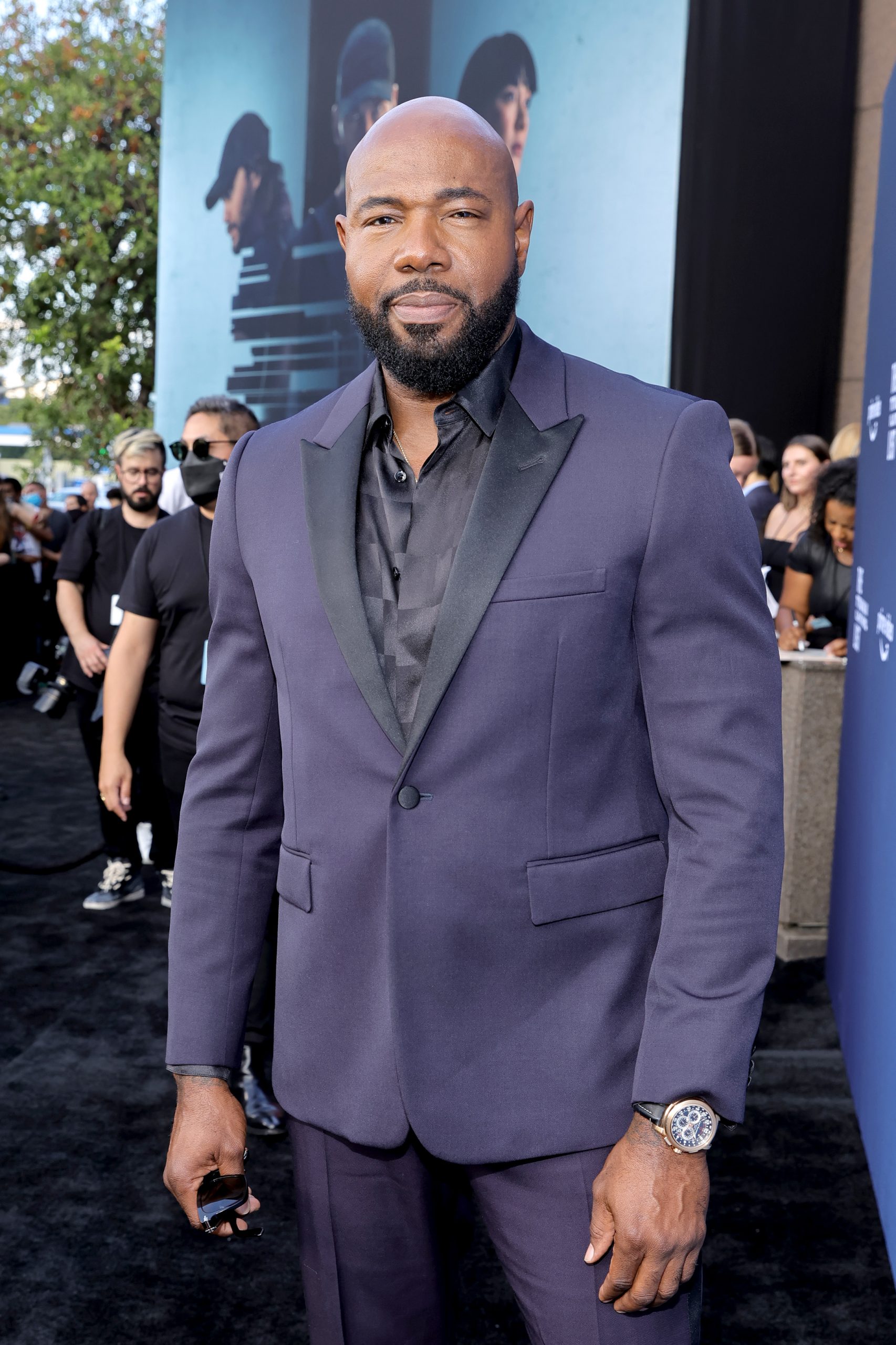
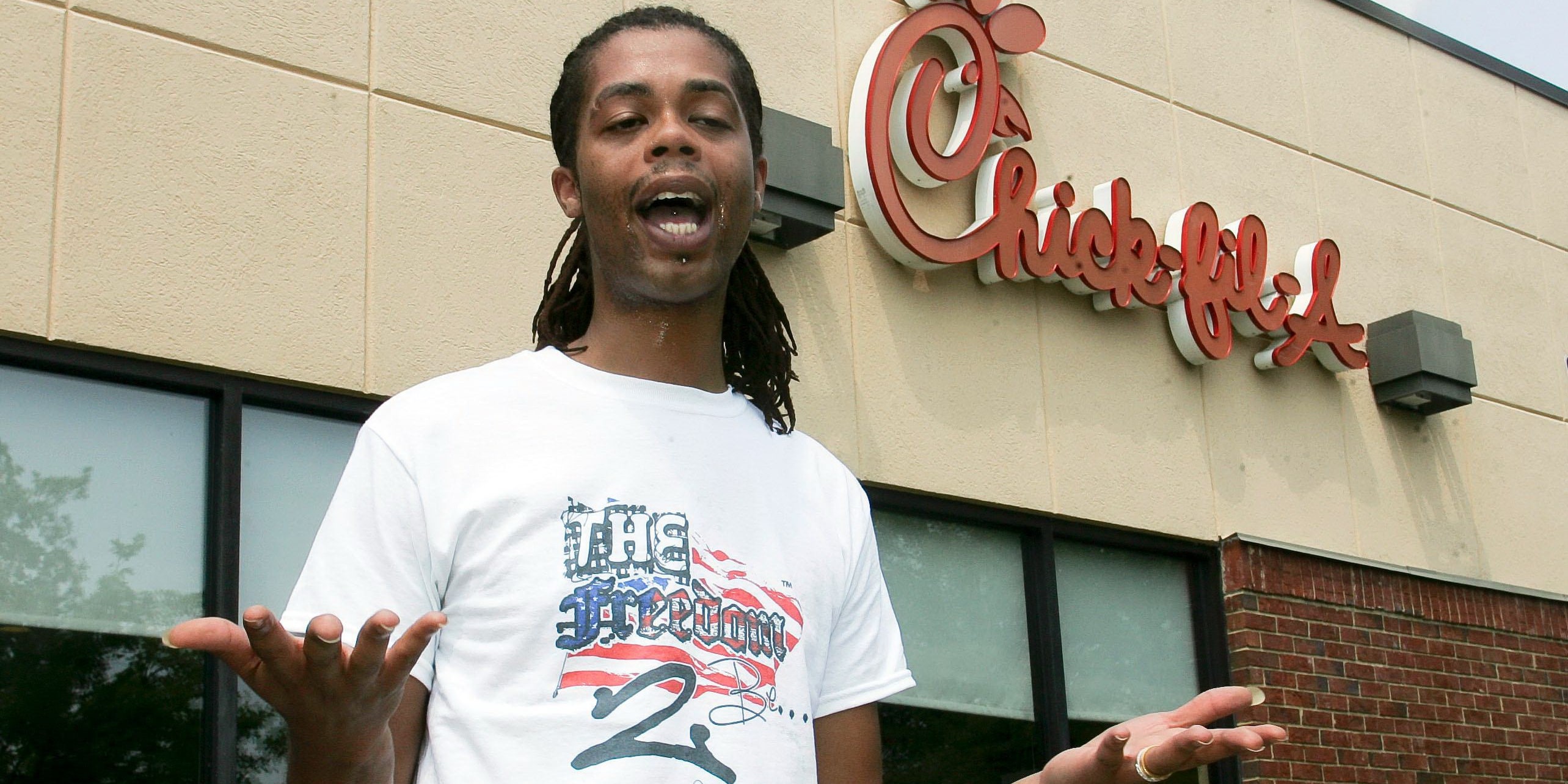
In 2014, Antoine Dodson’s estimated net worth was approximately $50,000 to $100,000. Following his explosive rise to global internet fame in July 2010 through the viral "Bed Intruder Song," Dodson generated revenue through iTunes sales split with music producers, official merchandise, public appearances, and endorsements, allowing his family to move out of public housing.
The Genesis of a Viral Phenomenon (July 2010)
The story of Antoine Dodson’s public prominence represents one of the earliest examples of an organic news interview transforming into a commercially successful digital media event. In late July 2010, an unknown intruder attempted to assault Dodson's sister, Kelly Dodson, inside her bedroom at the Lincoln Park public housing complex in Huntsville, Alabama. Dodson’s passionate, energetic, and protective interview given to local NBC affiliate WAFF-TV immediately captured national attention.
His phrase—"Hide your kids, hide your wife, and hide your husband 'cause they're rapin' everybody out here"—became an instant cultural touchstone. Within hours of broadcast, the footage was uploaded to video-sharing platforms, accumulating millions of views.
- Local News Interview (WAFF-TV)
- Auto-Tune Remix (The Gregory Brothers / Schmoyoho)
- Commercial Distribution (iTunes, YouTube, Merchandising)
- Financial Independence & Family Relocation (2010–2014)
Musicians and video creators Evan, Andrew, Michael, and Sarah Gregory—collectively known as The Gregory Brothers or Schmoyoho—processed the news footage using Auto-Tune and pitch modulation. They created a rhythmic, melodic pop track titled the "Bed Intruder Song."
Unlike many viral memes of the era that yielded no financial return for their subjects, the Gregory Brothers took an unusual step: they designated Antoine Dodson as a co-creator, splitting all commercial revenue from the song 50/50. This decision fundamentally altered Dodson's financial trajectory and laid the groundwork for his financial standing through 2014.
Primary Income Streams (2010–2014)
To understand Antoine Dodson's net worth in 2014, it is necessary to examine how his viral moment was converted into distinct financial revenue streams over the four years following his initial media appearance.
1. Digital Music Sales and Streaming Royalties
The "Bed Intruder Song" achieved unprecedented commercial success for an internet remix during the digital download era:
- iTunes Downloads: The track climbed into the top 20 of the iTunes music charts, briefly outperforming major mainstream pop releases. Within weeks, the track sold over 250,000 digital downloads on iTunes.
- Billboard Hot 100: The song entered the US Billboard Hot 100 chart at position 89, making Dodson an official Billboard-charting entity.
- Royalty Distribution: With iTunes tracks selling for $1.29 at the time, Apple retained its standard 30% commission, leaving approximately $0.90 per download. Split 50/50 between The Gregory Brothers and the Dodson family, Dodson earned roughly $0.225 to $0.45 per full unit sold, amounting to tens of thousands of dollars in direct music sales within the first six months.
2. YouTube Ad Revenue
While YouTube monetization in 2010 was less lucrative than modern content creation creator programs, the song’s official video on the Schmoyoho channel logged tens of millions of views. Under their partnership agreement, advertising revenues generated by the video were shared with Dodson, providing secondary royalty checks over subsequent years.
3. Official Merchandise and Licensing
Recognizing the short lifespan of viral internet memes, Dodson and his team quickly launched consumer products featuring his image, voice, and catchphrases:
- Apparel: Official T-shirts featuring catchphrases like "Hide Your Kids, Hide Your Wife" and "You are so dumb, for real" were sold online and through select novelty retailers.
- Halloween Costumes: Retailers licensed official Antoine Dodson costumes, including the iconic red bandana and black tank top, yielding upfront licensing fees and performance royalties during the 2010 and 2011 holiday seasons.
- Mobile Applications: An official Antoine Dodson soundboard application was developed for iOS and Android platforms, allowing users to play famous quotes. The paid app generated steady digital micro-transactions during 2010 and 2011.
4. Commercial Endorsements and Media Appearances
As a recognizable figure, Dodson secured paid promotional engagements:
- Television Commercials: He starred in a national television campaign for Wonderful Pistachios, part of their popular "Get Crackin'" series.
- Event Appearances and Club Hosting: Between late 2010 and 2013, Dodson made paid personal appearances at nightclubs, college campuses, and promotional events across the United States. Appearance fees for viral celebrities during this era typically ranged from $1,500 to $5,000 per booking.
- Celebrity Boxing: In late 2013 and 2014, Dodson engaged in public promotional events, including a publicized celebrity boxing match in 2014, which paid flat appearance fees and purse distributions.
Antoine Dodson Financial Breakdown (2010–2014)
The table below outlines the primary revenue channels, operational expenses, and overall financial flows that established Dodson's net worth by 2014.
| Revenue Category | Peak Monetization Window | Primary Mechanics & Royalty Structure | Estimated Net Revenue Impact (Pre-Tax) |
|---|---|---|---|
| iTunes Music Sales | 2010 – 2011 | 50/50 split with The Gregory Brothers after platform fees | $60,000 – $90,000 |
| Merchandise & Licensing | 2010 – 2012 | T-shirt sales, licensed costumes, mobile app soundboards | $25,000 – $40,000 |
| Commercial Endorsements | 2010 – 2012 | Corporate campaigns (e.g., Wonderful Pistachios) | $20,000 – $35,000 |
| Personal Appearances | 2010 – 2013 | Nightclub bookings, college events, media tours | $15,000 – $30,000 |
| Celebrity Boxing & Media | 2013 – 2014 | Appearance fees, promotional match purses | $5,000 – $10,000 |
| Primary Capital Outlays | 2010 – 2014 | Real estate purchase, living expenses, taxes, legal fees | -$100,000 – -$150,000 |
| Estimated Net Worth (2014) | 2014 Baseline | Cumulative liquid cash, real estate equity, and residual rights | $50,000 – $100,000 |
Financial Allocation: Capital Use and Real Estate Investment
A critical element of Antoine Dodson's financial story is how he allocated his initial windfall. Unlike many individuals who experience sudden digital fame, Dodson prioritized long-term security over luxury consumption.
Relocating the Family
The immediate financial priority for Dodson was relocating his mother and family out of the Lincoln Park housing project in Huntsville. Public housing environments presented safety concerns, which were heightened following the intrusion incident that triggered the initial media interview.
Using the proceeds from iTunes sales and merchandise royalties, Dodson purchased a single-family home in Huntsville, Alabama. This move served two financial functions:
- Safety and Housing Stability: It eliminated rent payments within public housing while securing a permanent residence for his family.
- Asset Preservation: Converting short-term digital income into physical real estate protected a significant portion of his earnings from rapid depletion through daily operational expenses.
- Total Viral Revenues (2010–2011)
- Taxes (State & Federal Income Tax)
- Legal, Management & Administrative Fees
- Real Estate Equity (Family Home Purchase)
- Liquid Savings & Living Expenses (2012–2014)
Tax and Administrative Realities
Sudden financial influxes carry significant federal and state tax liabilities. For independent contractors and sole proprietors earning revenue from digital royalties and appearance fees, self-employment tax and income taxes can claim 30% to 40% of gross earnings. Dodson’s gross earnings across all channels from 2010 to 2014 likely exceeded $200,000, but after income taxes, production expenses, real estate acquisition costs, and ongoing family support, his net holdings settled into the $50,000 to $100,000 range by 2014.
Life Transitions and Career Status in 2014
By 2014, four years after the initial viral outbreak, the public profile and financial standing of Antoine Dodson had evolved significantly.
Decreasing Residual Income
In digital media, meme monetization experiences sharp decay curves. While the "Bed Intruder Song" produced heavy income in Q3 and Q4 of 2010, royalties slowed considerably by 2012. By 2014, recurring annual royalties from iTunes, YouTube streaming, and old soundboard apps had reduced to modest passive streams rather than primary income sources.
Personal and Career Changes
During 2013 and 2014, Dodson underwent significant personal transformations that shifted his focus away from the entertainment industry:
- Religious and Personal Beliefs: Dodson announced a shift in his religious identity, joining the Hebrew Israelite community. He publicly discussed changes in his personal philosophy and lifestyle.
- Family Life: In May 2014, Dodson announced the birth of his son. Starting a family led him to focus on stable, traditional employment opportunities over sporadic entertainment appearances.
- Vocational Training and Employment: To ensure long-term stability, Dodson pursued vocational training, working as an executive assistant and preparing for careers outside full-time media entertainment.
Viral Monetization in 2010 vs. Modern Creator Economy
Analyzing Antoine Dodson’s 2014 financial standing provides insight into how digital monetization changed between the early YouTube era and the modern creator landscape.
| 2010 Monetization Environment | Modern Creator Economy (2026 Context) |
|---|---|
| • Reliance on third-party music remixes (e.g., Schmoyoho)• iTunes single purchases ($1.29)• Novelty physical merch & apps• One-off broadcast TV spots | • Direct digital creator funds (TikTok, YouTube Shorts)• Micro-streaming monetization• Direct Patreon / Fan memberships• Multi-platform brand deals |
The Role of Fair Partnerships
In 2010, individuals who went viral in news broadcasts rarely owned the intellectual property rights to the news footage. The local news channel owned the raw video, while third-party producers created derivative works.
Dodson’s ability to monetize his moment depended heavily on the ethics of The Gregory Brothers, who voluntarily offered a 50/50 split of the song’s profits. Had the producers treated the audio clip as uncompensated fair use, Dodson’s net worth in 2014 would have been substantially lower, limited strictly to personal appearance fees and self-produced T-shirts.
Platform Monetization Gaps
In 2010, platforms like TikTok, Instagram Reels, and direct creator monetization funds did not exist. Creators could not monetarily capture attention directly on mobile video feeds. Instead, traffic had to be routed through third-party platforms like the Apple iTunes Store or third-party web storefronts. Modern viral figures often convert views into digital subscriptions, brand deals, and creator payouts more directly than was possible during Dodson's peak years.
Frequently Asked Questions
What was Antoine Dodson's net worth in 2014?
Antoine Dodson's net worth in 2014 was estimated between $50,000 and $100,000. This wealth consisted of home equity from the house purchased for his family, cash reserves from residual music royalties, appearance fees, and merchandise sales generated between 2010 and 2014.
How much money did the "Bed Intruder Song" make?
The "Bed Intruder Song" generated hundreds of thousands of dollars in total gross revenue. It sold over 250,000 copies on iTunes in its initial release window and accumulated tens of millions of views on YouTube. Net profits from music downloads were split 50/50 between the music producers (The Gregory Brothers) and the Dodson family.
Did Antoine Dodson own the rights to his viral song?
Antoine Dodson did not hold the original copyright to the news video recorded by WAFF-TV, nor did he produce the musical composition. However, The Gregory Brothers named him an official co-creator on digital music platforms, legally granting him a 50% share of all music sales and streaming revenue generated by the remix.
How did Antoine Dodson spend his viral earnings?
Dodson used his primary earnings to purchase a single-family residence in Huntsville, Alabama, allowing his mother and siblings to move out of public housing. Additional funds covered taxes, administrative expenses, living costs, and funding for vocational education.
Was Antoine Dodson still performing in 2014?
By 2014, Dodson had scaled back media engagements to focus on his personal life, religious conversion, and family. While he participated in occasional promotional events—such as a celebrity boxing match in 2014—his primary focus shifted toward traditional employment and vocational training.
Managing Sudden Wealth from Digital Media
Antoine Dodson’s story demonstrates how short-term media visibility can be converted into lasting practical assets. For individuals or content creators experiencing unexpected viral exposure, his path offers several lessons:
- Prioritize Real Assets Over Consumer Goods: Dodson converted temporary cash flow from iTunes downloads into physical real estate, securing housing stability for his family after the viral moment subsided.
- Establish Clear Ownership and Revenue Splits Early: Securing legal agreements for revenue sharing on derivative works—such as musical remixes or branded merchandise—is essential to capturing value from viral exposure.
- Plan for the Decay Curve of Viral Revenue: Viral interest naturally declines. Setting aside funds for taxes, debt reduction, and vocational training ensures financial stability after secondary media opportunities taper off.
To review official public records, news archives, and documentation of early internet culture monetization, consult the original WAFF-TV coverage archives or historical music industry tracking on the Billboard Hot 100 Chart Archives.