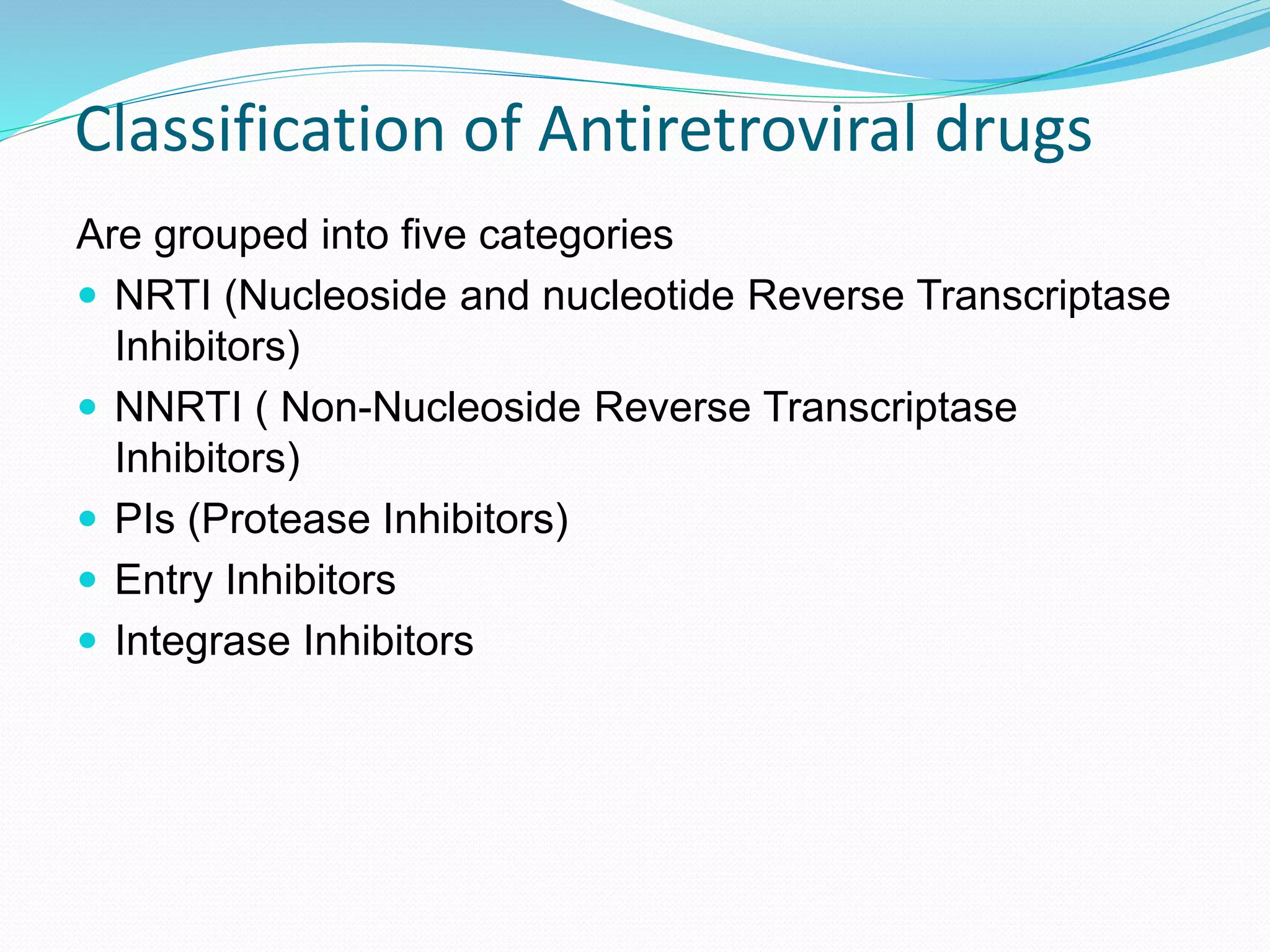
To pronounce antiretroviral correctly, break the word into six syllables: an-tee-reh-tro-vye-ruhl. The primary emphasis is placed on the fifth syllable, "vye," while a secondary stress falls on the first syllable, "an." In American English, the "ti" is often pronounced as "tee," whereas some variations may use a short "tih."
Effective communication in healthcare settings is paramount, particularly when discussing life-saving medications like antiretrovirals. For patients, caregivers, and medical professionals, mastering the pronunciation of this complex term ensures clarity, reduces anxiety during consultations, and fosters a more professional environment. As of 2026, antiretroviral therapy (ART) remains the gold standard for managing HIV, making this term one of the most significant in the global health lexicon.
A Syllabic Breakdown of Antiretroviral
The word "antiretroviral" is a poly-syllabic medical term that can be intimidating at first glance. However, by deconstructing it into its linguistic components, the pronunciation becomes intuitive. The word is composed of six distinct parts that flow together to describe a specific class of drugs designed to inhibit the replication of retroviruses.
Syllable 1: An-
The first syllable is a short "a" sound, similar to the word "apple" or "annex." In phonetic notation, this is represented by /æn/. It carries a secondary stress, meaning it is pronounced with slightly more force than the syllables that follow it, but less than the primary stressed syllable later in the word.
Syllable 2: -ti-
There are two common ways to pronounce this syllable. In most American English dialects, it is pronounced as "tee" (/ti/). In some British or more formal variations, it may sound like "tih" (/tɪ/). Rarely, in the prefix "anti-," some may use the "tye" sound (/taɪ/), though "tee" is the standard for medical terminology involving this prefix.
Syllable 3: -reh-
This syllable uses a short "e" sound, as in "red" or "step." It is crucial not to elongate this into a "ray" sound. The "r" should be crisp, leading directly into the next vowel.
Syllable 4: -tro-
This syllable features a long "o" sound, similar to "row" or "go." It is often the part of the word where speakers stumble due to the transition from the "r" in "re" to the "tr" cluster. Think of the word "trophy" without the "phy."
Syllable 5: -vye-
This is the primary stressed syllable. It contains a long "i" sound, exactly like the word "vye" (to compete) or the first part of "vital." Because this syllable carries the most weight, it should be slightly higher in pitch and longer in duration than the others: an-tee-reh-tro-VYE-ruhl.
Syllable 6: -ruhl
The final syllable is often "reduced" in English, meaning the vowel becomes a schwa (/ə/). It sounds like "ruhl" or "rawl," similar to the end of the word "viral." Ensure the "l" is clear but soft to finish the word smoothly.
Regional Variations: US vs. UK English
While the core structure of "antiretroviral" remains the same, regional accents can change the "flavor" of the word.
In American English, there is a tendency to use a "flap T" or a softer "t" sound in the middle of words, though in "antiretroviral," the "t" in "anti" and "retro" usually remains relatively distinct because they are parts of prefixes. The "i" in "anti" is almost universally a long "e" (tee).
In British English (Received Pronunciation), the syllables are often more clipped. The "r" sounds may be less rhotic (less emphasis on the 'r' sound at the end of syllables), though since the 'r's here are followed by vowels, they are usually voiced. The emphasis on the "vye" remains the standard across all major English dialects.
The Etymology and Meaning of the Term
Understanding what the word means can often help in remembering how to say it. "Antiretroviral" is a compound word built from three specific roots:
- Anti-: A Greek prefix meaning "against" or "opposed to."
- Retro-: A Latin prefix meaning "backwards." In a biological context, this refers to retroviruses, which are RNA viruses that use an enzyme called reverse transcriptase to copy their genetic sequence into the DNA of the host cell—essentially working "backwards" compared to standard DNA-to-RNA transcription.
- Viral: Pertaining to a virus.
When you put these together, you get a medication that works "against a backwards-acting virus." By 2026, the term has become synonymous with the highly effective regimens used to reduce the HIV viral load to undetectable levels. According to the World Health Organization (WHO), the widespread use of these medications has transformed HIV from a fatal condition into a manageable chronic illness.
Common Pronunciation Mistakes to Avoid
Even experienced speakers sometimes trip over "antiretroviral." Recognizing these common pitfalls can help you refine your speech.
- The "Anti-rye" Mistake: Some speakers try to pronounce the first two syllables as "an-tie" (rhyming with "eye"). While "anti" can be pronounced this way in isolation, in the context of "antiretroviral," the "tee" sound is more standard and flows better into the "reh" syllable.
- Mumbling the "Retro": Because "retro" is tucked in the middle of the word, people often shorten it to "re-tro" with a very soft "o," making it sound like "antiret-viral." It is important to give the "tro" its full "o" sound to ensure the word is recognizable.
- Misplacing the Stress: A common error is placing the stress on the "ret" (an-tee-RET-ro-vye-ruhl). This sounds unnatural to native speakers and can confuse listeners. Always aim for the stress on the "vye."
- The "Veer-al" Ending: Some may try to say "vye-raal" or "vye-reel." The ending should be a quick, unstressed "ruhl."
Pronouncing Related Terms and Drug Classes
If you are discussing antiretrovirals, you will likely encounter other complex medical terms. Mastering these related words provides a more comprehensive grasp of the subject.
| Term | Phonetic Breakdown | Primary Stress |
|---|---|---|
| Integrase | IN-te-grace | First Syllable |
| Protease | PRO-tee-ace | First Syllable |
| Transcriptase | tran-SKRIP-tace | Second Syllable |
| Nucleoside | NEW-klee-oh-side | First Syllable |
| Tenofovir | te-NO-fo-veer | Second Syllable |
| Dolutegravir | doe-loo-teg-RA-veer | Fourth Syllable |
| Cabotegravir | ka-boe-teg-RA-veer | Fourth Syllable |
The term ART (Antiretroviral Therapy) is also frequently used. While usually referred to by its initials (A-R-T), it is sometimes spoken as the word "art." However, in clinical settings, saying the letters individually or using the full phrase "antiretroviral therapy" is preferred to avoid ambiguity.
The Importance of Clear Communication in 2026
As of 2026, the landscape of HIV treatment has evolved significantly. We have moved from complex multi-pill daily regimens to single-tablet regimens (STRs) and long-acting injectables. Despite these technical advancements, the human element of healthcare remains centered on communication.
For a healthcare provider, pronouncing "antiretroviral" correctly builds trust. It signals competence and attention to detail. For a patient, being able to name their medication class confidently can lead to better self-advocacy and adherence. Research published in journals like The Lancet has frequently highlighted that health literacy—which includes the ability to understand and speak medical terms—is a primary driver of positive health outcomes.
Practical Tips for Mastering the Word
If you are struggling to get the word right, try these exercises:
- The Back-Chain Method: Start from the end of the word and build backward.
- "...ruhl"
- "...vye-ruhl"
- "...tro-vye-ruhl"
- "...reh-tro-vye-ruhl"
- "...tee-reh-tro-vye-ruhl"
- "an-tee-reh-tro-vye-ruhl"
- Slow and Steady: Use a metronome or a steady tapping of your hand. Say one syllable per beat. Gradually increase the speed once you can say it perfectly at a slow pace.
- Record and Compare: Use your smartphone to record yourself saying the word. Compare it to authoritative audio samples from sources like Merriam-Webster or the National Institutes of Health (NIH).
- Use it in Context: Don't just practice the word in isolation. Practice saying, "I am starting my antiretroviral therapy today," or "Antiretroviral medications are highly effective."
Frequently Asked Questions
What is the difference between "antiretroviral" and "antiviral"?
"Antiviral" is a broad category of drugs used to treat various viral infections, such as the flu or herpes. "Antiretroviral" is a specific sub-type of antiviral medication designed specifically to target retroviruses, most notably HIV. While all antiretrovirals are antivirals, not all antivirals are antiretrovirals.
How do you pronounce the acronym HAART?
HAART stands for Highly Active Antiretroviral Therapy. It is pronounced exactly like the word "heart" (/hɑːrt/). While this term was very common in the late 1990s and early 2000s, by 2026, most clinicians simply use the term "ART" (Antiretroviral Therapy) because almost all modern HIV treatments are "highly active" by default.
Why is the word so long?
Medical terminology often uses "agglutination," which is the process of stringing together multiple prefixes and suffixes to create a very specific meaning. "Antiretroviral" needs to be long to accurately describe that the drug is "against" (anti) a "virus" (viral) that "reverses" (retro) its genetic process.
Is the 'i' in 'anti' always pronounced as 'tee'?
In the context of medical and scientific terms, 'tee' (/ti/) is the standard. While 'tye' (/taɪ/) is an acceptable variation of the prefix 'anti' in general English (like in "anti-aircraft"), it is rarely used by medical professionals when discussing antiretrovirals.
Are there any other pronunciations for "retroviral"?
The core pronunciation of "retroviral" (reh-tro-VYE-ruhl) is consistent across most English-speaking countries. The main variation lies in the "r" sounds, which may be more prominent in American accents (rhotic) and more subtle in some British or Australian accents (non-rhotic).
Summary and Next Steps
Correctly pronouncing "antiretroviral" is more than just a linguistic exercise; it is a vital part of health literacy. By breaking the word down into an-tee-reh-tro-vye-ruhl and focusing the stress on the fifth syllable, you can speak with confidence and clarity.
If you are a patient or a student, continue practicing the names of specific drug classes within the antiretroviral family. Familiarizing yourself with terms like "integrase inhibitors" and "reverse transcriptase" will further enhance your ability to navigate the complexities of modern medicine. For more information on HIV treatment and terminology, consult the U.S. Centers for Disease Control and Prevention (CDC) for the most current guidelines and resources available in 2026.