In 2026, the average cost of server-grade antivirus protection typically ranges from $60 to $250 per server annually for standard Endpoint Protection Platforms (EPP). Advanced Managed Detection and Response (MDR) services can exceed $1,200 per server, depending on the level of human-led threat hunting and 24/7 security operations center integration required.
Securing a server environment is fundamentally different from protecting a standard workstation. Servers act as the central nervous system of an organization’s data infrastructure, often running 24/7 and handling sensitive databases, web applications, or proprietary file systems. Consequently, the software designed to protect them is more robust, resource-conscious, and significantly more expensive than consumer-grade alternatives. Understanding the total cost of ownership (TCO) for server antivirus requires looking beyond the sticker price of a license and evaluating deployment models, management overhead, and the specific technological tier of the security solution.
Understanding the Primary Tiers of Server Security
The market for server protection has evolved past simple signature-based scanning. As we move through 2026, the cost is largely determined by the "intelligence" of the software. The three primary categories—EPP, EDR, and MDR—represent distinct price points and capability levels.
1. Endpoint Protection Platforms (EPP)
Standard EPP is what most people traditionally think of as "antivirus." These solutions focus on preventing known threats through signature matching and basic behavioral analysis. For a Windows or Linux server, an EPP license usually costs between $60 and $100 per year. While this is the most affordable tier, it is often viewed as insufficient for servers exposed to the public internet or those housing regulated data. EPP is best suited for internal, low-risk utility servers where basic compliance is the primary goal.
2. Endpoint Detection and Response (EDR)
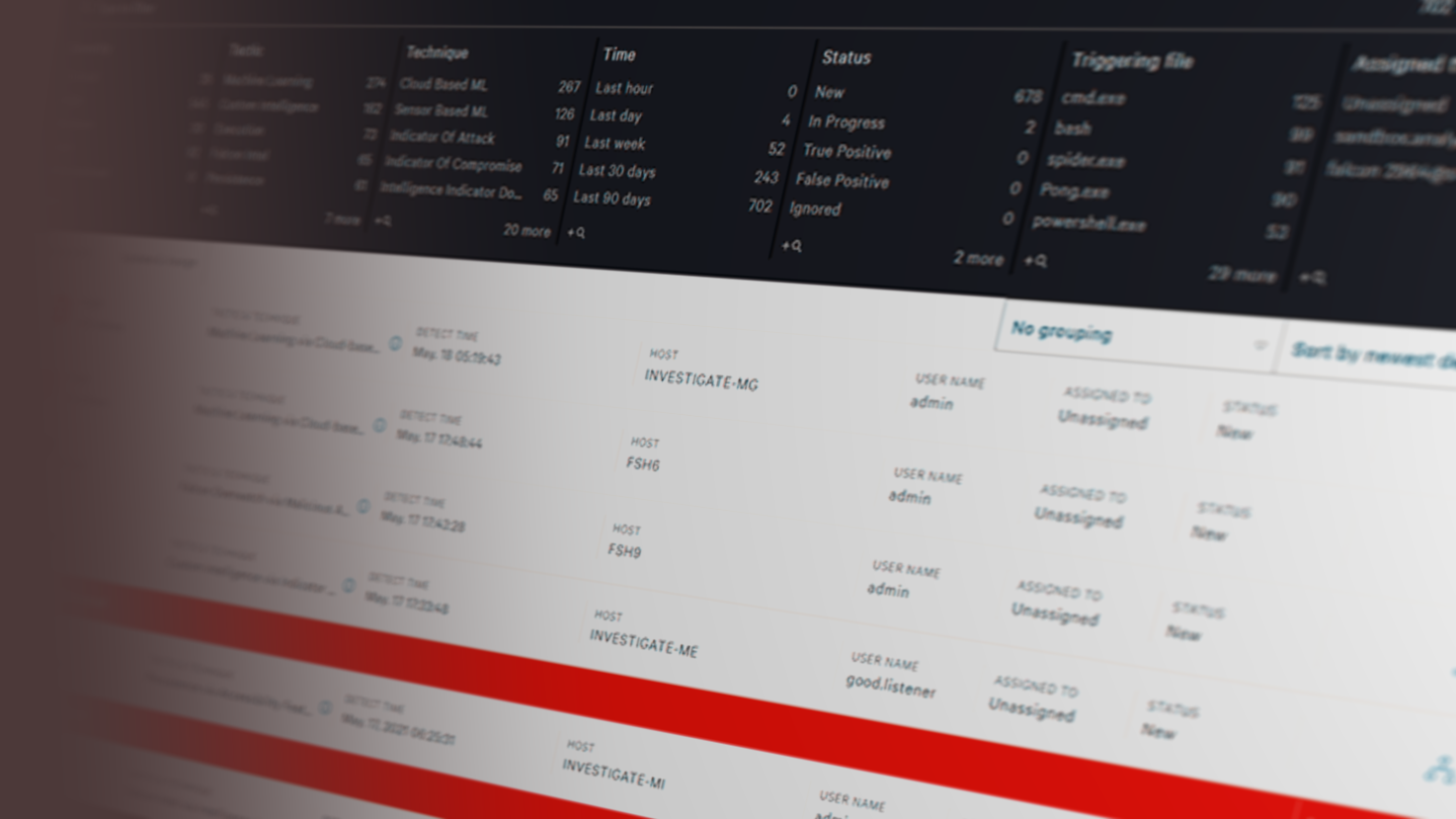
EDR is the modern standard for enterprise servers. These solutions do not just block known viruses; they record every process, file change, and network connection to identify "living off the land" attacks and zero-day exploits. The cost for EDR on servers typically fluctuates between $150 and $450 per server annually. The premium price accounts for the massive data ingestion required to track server telemetry and the sophisticated AI models used to analyze that data in real-time.
3. Managed Detection and Response (MDR)
For organizations without a dedicated in-house security team, MDR provides the software plus a service layer. This includes 24/7 monitoring by security professionals who can intervene if the server is compromised. Pricing for MDR is high, often starting at $800 and climbing to $2,500 per server annually. This cost reflects the labor-intensive nature of human-led threat hunting and incident response.
Key Factors That Influence Pricing in 2026
The quoted price of a server antivirus license is rarely the final cost. Several variables can drive the price up or down based on the specific architecture of your IT environment.
Operating System and Kernel Compatibility
While many vendors offer "universal" pricing, some still charge a premium for specialized server environments. Protecting a Windows Server instance is generally straightforward, but securing complex Linux distributions or specialized Unix environments may require custom agents that increase costs by 15-20%. Furthermore, server antivirus in 2026 must be optimized for modern kernels to avoid the "blue screen" or system hang issues that plagued legacy products, and high-performance, low-overhead agents often command a higher price.
Virtualization and Containerization
The move toward containerized workloads (like Docker and Kubernetes) has changed how vendors bill for security. Instead of charging per "server," many vendors now charge based on the number of nodes or the total CPU core count. In a highly virtualized environment, you might pay per virtual machine (VM). However, some vendors offer "per host" licensing, where you pay a single, larger fee (e.g., $1,000/year) to protect an unlimited number of VMs running on a single physical host. This can be significantly more cost-effective for dense server racks.
Cloud vs. On-Premise Deployment
Cloud-native security solutions (SaaS) are the dominant model in 2026. They offer easier management but involve recurring subscription costs. On-premise management consoles are becoming rarer and often involve additional "maintenance fees" or hardware costs to run the management server itself. For cloud environments like AWS, Azure, or Google Cloud, antivirus costs are often integrated into the marketplace billing, sometimes offered at a "pay-as-you-go" hourly rate (e.g., $0.01 per hour), which is ideal for auto-scaling server groups.
The Hidden Costs of Server Antivirus
When budgeting for server security, the license fee is only part of the equation. Failure to account for operational and performance costs can lead to significant budget overruns.
Performance Overhead and "Resource Tax"
Every cycle a CPU spends scanning a file is a cycle it cannot spend serving a database query or a web request. Legacy antivirus programs can consume 10-30% of a server’s resources during a full scan. In a cloud environment where you pay for CPU and RAM usage, an inefficient antivirus is literally costing you money every minute it runs. High-end, "lightweight" agents that utilize cloud-side analysis or hardware-accelerated scanning might have a higher upfront license cost but save thousands in reduced cloud infrastructure bills.
Management and Administrative Labor
An unmanaged antivirus is a liability. The time required for an IT administrator to review alerts, update definitions, and troubleshoot false positives is a massive hidden cost. If an administrator spends five hours a month managing security for a cluster of ten servers, at an internal labor rate of $60/hour, that adds $3,600 per year to the "real" cost of the antivirus. This is why centralized management consoles and automated remediation features are worth the extra investment in the software license.
False Positives and Downtime
Server antivirus is notoriously sensitive. If a security agent incorrectly flags a critical database process as malicious and kills it, the resulting downtime can cost a business thousands of dollars per minute. The most expensive antivirus solutions often have the lowest "false positive" rates because they use more sophisticated contextual analysis. Investing an extra $100 per license to avoid a single hour of unintended downtime is a standard risk-management calculation for enterprise IT.
2026 Cost Comparison Table
The following table breaks down the estimated annual costs for different server security tiers and their typical use cases.
| Security Tier | Est. Annual Cost (Per Server) | Management Type | Core Features | Best For |
|---|---|---|---|---|
| Basic EPP | $60 – $110 | Self-Managed | Signature scanning, firewall, web filtering. | Small biz, internal file servers. |
| Standard EDR | $150 – $400 | Centralized Console | Behavioral analysis, incident forensics, AI threat detection. | Mid-market, databases, web servers. |
| Advanced XDR | $450 – $850 | Cross-Platform | Integration with network and email security, automated response. | Enterprises with hybrid-cloud setups. |
| Managed (MDR) | $1,000 – $2,500+ | SOC-as-a-Service | 24/7 human monitoring, active threat hunting, breach warranty. | Highly regulated industries (Finance, Health). |
| Open Source | $0 (License) | Manual/Scripted | Basic scanning (e.g., ClamAV), no real-time protection. | High-skill IT, non-critical Linux dev. |
Specialized Requirements: Compliance and Insurance
In 2026, the "cost" of server antivirus is frequently dictated by external entities. Cybersecurity insurance providers now often mandate specific types of server protection (usually EDR or MDR) as a prerequisite for coverage. Failing to implement the required tier can result in a denial of coverage or a 50-70% increase in insurance premiums.
Similarly, regulatory frameworks like the updated GDPR, HIPAA, and PCI DSS 4.0 (and its successors) have specific language regarding "active monitoring" and "timely detection." Simply having an antivirus that scans once a week is no longer sufficient for compliance. Therefore, many organizations find that the most "expensive" antivirus is actually the one that fails an audit, leading to regulatory fines that dwarf the cost of a high-end EDR subscription.
How to Optimize Your Server Security Budget
To get the most value for your investment, consider the following strategies:
- Volume Licensing: Most vendors offer significant discounts (20-40%) once you cross the 50 or 100-server threshold. Always request a custom quote rather than paying the "per seat" price listed on a website.
- Multi-Year Agreements: Locking in a three-year contract in 2026 can protect you from the 5-10% annual price increases common in the SaaS industry.
- Bundled Services: If you already use a cloud provider (like Microsoft Azure) or a firewall vendor (like Fortinet or Palo Alto), look into their integrated server security options. Bundling can often reduce the per-license cost by 30% compared to a standalone third-party provider.
- Tiered Deployment: You do not need MDR for every server. Use high-cost MDR for your "crown jewels" (domain controllers, primary databases) and standard EDR for your application and web servers.
Frequently Asked Questions
Can I use free antivirus on a business server?
While options like ClamAV exist for Linux servers, they generally lack real-time protection, centralized management, and official support. Using free, consumer-grade software on a business server often violates terms of service and rarely provides the sophisticated protection needed against modern ransomware. The "savings" from a free license are usually offset by the high cost of manual configuration and the increased risk of a breach.
Why is server antivirus so much more expensive than PC antivirus?
Server antivirus is built to handle higher I/O loads and more complex file structures without crashing the system. It also includes features like "Server Hardening," which closes unused ports and monitors system configuration changes—features not found in consumer products. Furthermore, vendors charge more because the "value at risk" on a server is exponentially higher than on a single laptop.
Does the cost change if my server is in the cloud?
Yes. Many cloud providers offer "security-as-a-service" where you pay by the hour or by the gigabyte of data analyzed. For ephemeral servers (those that only run for a few hours a day), cloud-native pricing is much cheaper. For "always-on" servers, a traditional annual license is usually more cost-effective.
Is EDR really necessary for all servers?
In the current threat landscape of 2026, EDR is considered the baseline for any server that has access to the internet or handles sensitive user data. Traditional antivirus is easily bypassed by modern fileless malware and credential theft techniques, making the additional cost of EDR a necessary investment for most businesses.
What happens to the cost if I have a mix of Windows and Linux servers?
Most modern security vendors (e.g., CrowdStrike, SentinelOne, Bitdefender) provide a single "unified agent" or console for both. Usually, the price per server remains the same regardless of the OS, though some niche vendors may still charge a premium for certain Linux distributions or legacy Windows versions.
Practical Recommendation
For most small to medium-sized businesses in 2026, the most cost-effective path is to invest in a reputable EDR solution with an annual cost of approximately $180 to $220 per server. This provides the necessary balance of automated threat detection and performance efficiency without the extreme costs of a fully managed SOC. If your organization handles high-stakes financial data or is a primary target for state-sponsored actors, the jump to a Managed Detection and Response (MDR) service at $1,200+ per server is a justifiable expense to ensure 24/7 expert coverage and peace of mind.