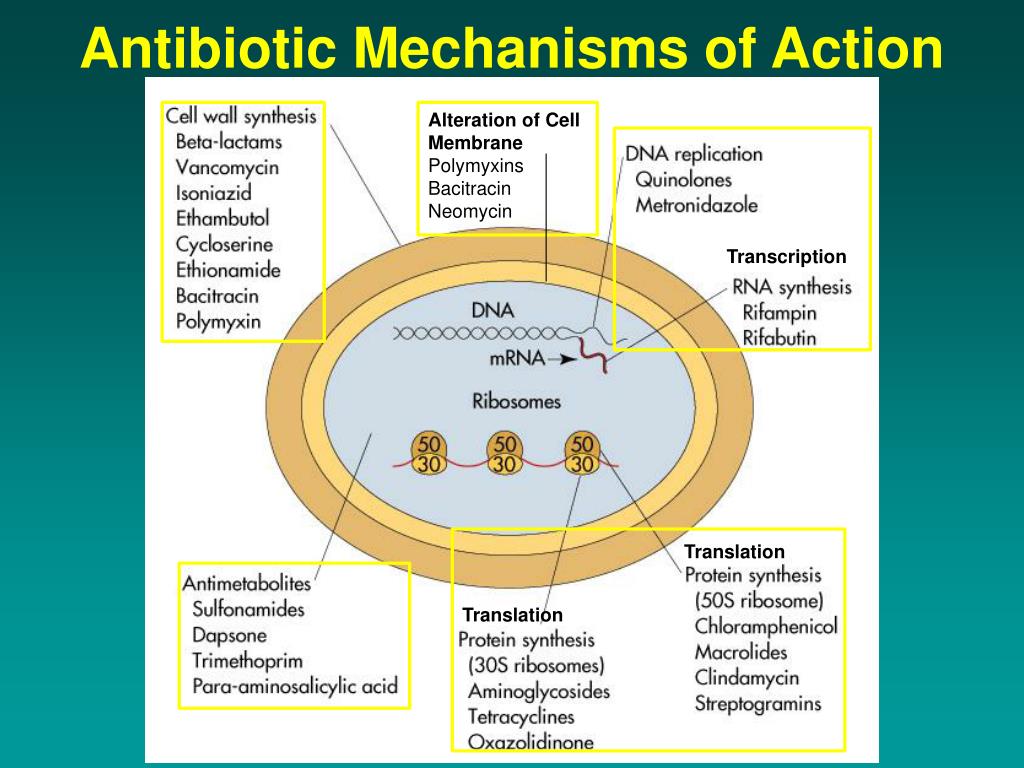
Antibiotics are frequently prescribed during chemotherapy to prevent or treat infections that occur when the immune system is suppressed. Because chemotherapy targets rapidly dividing cells, it often reduces white blood cell counts (neutropenia), making patients highly vulnerable to life-threatening bacterial infections. Antibiotics serve as a critical defense, either as a proactive "prophylactic" measure or as an urgent response to a fever.
The Relationship Between Chemotherapy and the Immune System
To understand why antibiotics are a staple in oncological care, one must first understand the mechanism of myelosuppression. Most traditional chemotherapy agents work by attacking cells that divide quickly. While this effectively targets cancer cells, it also inadvertently destroys hematopoietic stem cells in the bone marrow. These are the "factory" cells responsible for producing red blood cells, platelets, and white blood cells.
When the production of white blood cells—specifically neutrophils—drops, the patient enters a state known as neutropenia. Neutrophils are the body’s primary defense against bacterial pathogens. Without an adequate supply, common bacteria that normally live harmlessly on the skin or in the gut can enter the bloodstream and cause sepsis, a systemic and potentially fatal inflammatory response. In 2026, despite advancements in targeted therapies, cytotoxic chemotherapy remains a cornerstone of treatment for many solid tumors and hematologic malignancies, keeping the risk of neutropenic infection a central concern for oncology teams.
Defining the Nadir
The "nadir" refers to the point after a chemotherapy session when blood cell counts are at their lowest. This typically occurs between 7 and 14 days after treatment, though the exact timing depends on the specific drugs used. During this window, the risk of infection is at its peak. Medical teams monitor Absolute Neutrophil Counts (ANC) closely. An ANC below 1,500 cells/mm³ is considered neutropenic, but the risk of severe infection increases significantly when the count drops below 500 cells/mm³.
Prophylactic Antibiotics: Preventing Infection Before It Starts
In many clinical scenarios, doctors do not wait for a fever to appear. Instead, they prescribe prophylactic antibiotics to high-risk patients. This strategy is most common in patients undergoing intensive chemotherapy for leukemia or those receiving bone marrow transplants, where prolonged periods of profound neutropenia are expected.
Criteria for Prophylaxis
Not every chemotherapy patient requires prophylactic antibiotics. Clinical guidelines, such as those from the American Society of Clinical Oncology (ASCO) and the Infectious Diseases Society of America (IDSA), categorize patients into risk groups.
- High-Risk Patients: Those expected to have an ANC below 100 cells/mm³ for more than seven days. This group almost always receives prophylaxis.
- Low-Risk Patients: Those with brief periods of neutropenia (less than seven days) or those undergoing standard treatment for solid tumors. These patients usually do not receive routine prophylactic antibiotics because the risk of side effects and antibiotic resistance outweighs the potential benefits.
Common Prophylactic Agents
The most frequently used antibiotics for prophylaxis are fluoroquinolones, such as Levofloxacin or Ciprofloxacin. These are chosen because they provide broad coverage against Gram-negative bacteria, which are the most common cause of early sepsis in cancer patients. In 2026, healthcare providers continue to balance the use of these drugs with the need for antibiotic stewardship, as the over-prescription of fluoroquinolones has led to increased rates of resistant bacteria in some hospital environments.
Febrile Neutropenia: The Medical Emergency
When a chemotherapy patient develops a fever (typically defined as a single oral temperature of 101°F/38.3°C or a sustained temperature of 100.4°F/38.0°C for one hour) while their neutrophil count is low, it is called Febrile Neutropenia (FN).
Febrile neutropenia is treated as a medical emergency. Because the patient lacks the immune cells to fight off bacteria, an infection can progress from a simple fever to septic shock and organ failure within hours.
The "Door-to-Needle" Protocol
The gold standard for care in 2026 remains the administration of broad-spectrum intravenous antibiotics within 60 minutes of the patient’s arrival at the hospital. Doctors do not wait for blood culture results to come back—which can take 24 to 48 hours—to begin treatment.
The initial choice of antibiotic must cover both Gram-positive and Gram-negative organisms, including Pseudomonas aeruginosa, a particularly aggressive bacterium. Common choices for empirical therapy include:
- Piperacillin-tazobactam (Zosyn)
- Cefepime
- Meropenem or Imipenem (reserved for suspected multi-drug resistant infections)
Risk Stratification: The MASCC Score
To determine if a patient with febrile neutropenia can be treated at home with oral antibiotics or must be hospitalized for IV treatment, doctors often use the MASCC (Multinational Association of Supportive Care in Cancer) score. This scoring system evaluates factors such as the severity of symptoms, the presence of dehydration, and whether the patient has a history of chronic obstructive pulmonary disease (COPD). High scores indicate a lower risk of complications, potentially allowing for outpatient management with drugs like Ciprofloxacin plus Amoxicillin-clavulanate.
The Impact of Antibiotics on the Gut Microbiome and Treatment Efficacy
One of the most significant shifts in oncology over the last few years leading into 2026 is the understanding of the gut microbiome's role in cancer treatment. The trillions of bacteria living in the digestive tract interact with the immune system in ways that can influence how well chemotherapy and immunotherapy work.
The Microbiome Paradox
While antibiotics are necessary to save lives during neutropenia, they are non-selective. They kill beneficial bacteria alongside the pathogens. Research has increasingly shown that a "depleted" microbiome can reduce the effectiveness of certain chemotherapy drugs and immune checkpoint inhibitors.
For example, certain gut bacteria are known to prime the immune system to recognize and attack tumor cells. When broad-spectrum antibiotics eliminate these bacteria, the overall "antitumor" immune response may be dampened. This creates a clinical challenge: doctors must use antibiotics to prevent immediate death from sepsis while recognizing that they might be subtly affecting the long-term success of the cancer treatment.
Risks and Side Effects of Antibiotic Use
Beyond the impact on the microbiome, using antibiotics during chemotherapy carries several direct risks.
Clostridioides difficile (C. diff) Infection
By disrupting the natural balance of gut flora, antibiotics allow C. diff bacteria to flourish. This leads to severe diarrhea, abdominal pain, and colon inflammation. Cancer patients are particularly susceptible to C. diff because their immune systems are already compromised and they are frequently in hospital environments where the bacteria are present.
Antibiotic Resistance
The frequent use of antibiotics in oncology units has contributed to the rise of multi-drug resistant organisms (MDROs). In 2026, managing these "superbugs" requires sophisticated infectious disease consultation and the use of newer, more expensive antibiotics that may have more severe side effects, such as kidney toxicity.
Allergic Reactions and Drug Interactions
Antibiotics can interact with chemotherapy drugs, altering how they are metabolized by the liver or cleared by the kidneys. For instance, some antibiotics can increase the toxicity of methotrexate, leading to dangerous side effects. Additionally, patients can develop rashes or anaphylaxis, which can be difficult to distinguish from reactions to the chemotherapy itself.
Comparison of Antibiotic Strategies in Oncology
The following table summarizes the different approaches to antibiotic use based on the patient's clinical situation.
| Feature | Prophylactic Use | Empirical (Reactive) Use | Targeted Therapy |
|---|---|---|---|
| Timing | Started before fever occurs. | Started immediately upon fever. | Started after culture results are known. |
| Goal | Prevent infection in high-risk patients. | Prevent sepsis and death. | Eradicate a specific identified pathogen. |
| Common Drugs | Levofloxacin, Ciprofloxacin. | Cefepime, Piperacillin-tazobactam. | Vancomycin (for MRSA), Tobramycin. |
| Patient Type | Bone marrow transplant, AML/MDS patients. | Any chemo patient with a fever and low ANC. | Patients with confirmed bacterial growth. |
| Duration | Until ANC recovers (>500). | At least 72 hours or until fever resolves. | Usually 7–14 days depending on infection. |
Guidance for Patients and Caregivers
If you or a loved one is undergoing chemotherapy, proactive management is the best defense against infection.
- Monitor Temperature Daily: Use a digital thermometer and record the results. Do not take fever-reducing medications like Tylenol (acetaminophen) or Ibuprofen unless instructed, as these can mask a fever.
- Report "Minor" Symptoms: Chills, even without a high fever, can be a sign of infection. Similarly, report any new cough, sore throat, or pain during urination immediately.
- Strict Hygiene: Handwashing remains the most effective way to prevent the spread of pathogens. Caregivers should be just as diligent as the patient.
- Avoid Crowds: During the nadir, it is advisable to avoid large gatherings and individuals who are known to be sick.
- Finish the Course: If prescribed oral antibiotics, finish the entire bottle even if you feel better. Stopping early can lead to the development of resistant bacteria.
Future Directions: Personalized Antibiotic Stewardship in 2026
As we move through 2026, the field of oncology is moving toward more personalized antibiotic stewardship. Instead of broad-spectrum drugs for everyone, doctors are increasingly using:
- Rapid Molecular Diagnostics: Tests that can identify the specific type of bacteria and its resistance markers in hours rather than days.
- Probiotic Co-therapy: Research is ongoing into specific probiotic strains that might help preserve the gut microbiome during antibiotic treatment without introducing the risk of infection.
- Growth Factors: The use of G-CSF (Granulocyte Colony-Stimulating Factor) to stimulate the bone marrow to produce white blood cells faster, thereby shortening the "nadir" and reducing the time the patient needs antibiotic coverage.
Disclaimer: This information is for educational purposes and does not constitute medical advice. Always consult with your oncology team regarding your specific treatment plan and the management of chemotherapy side effects.
Frequently Asked Questions
Can I take over-the-counter antibiotics during chemo?
No. There is no such thing as an effective "over-the-counter" antibiotic for internal infections. Furthermore, self-medicating with leftover antibiotics can lead to drug resistance or dangerous interactions with your chemotherapy. All medications must be cleared by your oncologist.
Why did my doctor stop my antibiotics even though I still have a low white blood cell count?
If you have been fever-free for a certain period (usually 48 to 72 hours) and there is no evidence of a localized infection, your doctor may stop the antibiotics to prevent side effects like C. diff or antibiotic resistance. Continuous use of antibiotics when not strictly necessary can sometimes do more harm than good.
Do antibiotics interfere with my chemotherapy’s effectiveness?
While antibiotics are necessary for safety, some research suggests that broad-spectrum antibiotics can alter the gut microbiome, which might influence the effectiveness of certain immunotherapy agents and specific chemotherapy drugs. Doctors weigh this risk against the immediate life-saving necessity of treating or preventing infection.
Is a "low-grade" fever (99.5°F) a concern during chemo?
While 100.4°F is the standard threshold for "Febrile Neutropenia," any persistent rise in temperature should be reported to your oncology team. They may want you to monitor it more frequently or come in for a blood count check, especially if you are in your nadir period.
Can I eat yogurt to help my gut while taking antibiotics during chemo?
Yogurt contains probiotics, but some oncologists advise against "live culture" foods for patients with severely low neutrophil counts (ANC < 500) due to the theoretical risk of the bacteria in the food causing an infection (translocation). Always check with your medical team before adding probiotics or changing your diet during treatment.
What happens if I am allergic to common antibiotics?
There are many classes of antibiotics available. If you have an allergy to penicillin or sulfa drugs, your oncology team will use alternative "second-line" antibiotics, such as Clindamycin or Vancomycin, or specific cephalosporins that are safe for those with mild penicillin allergies.