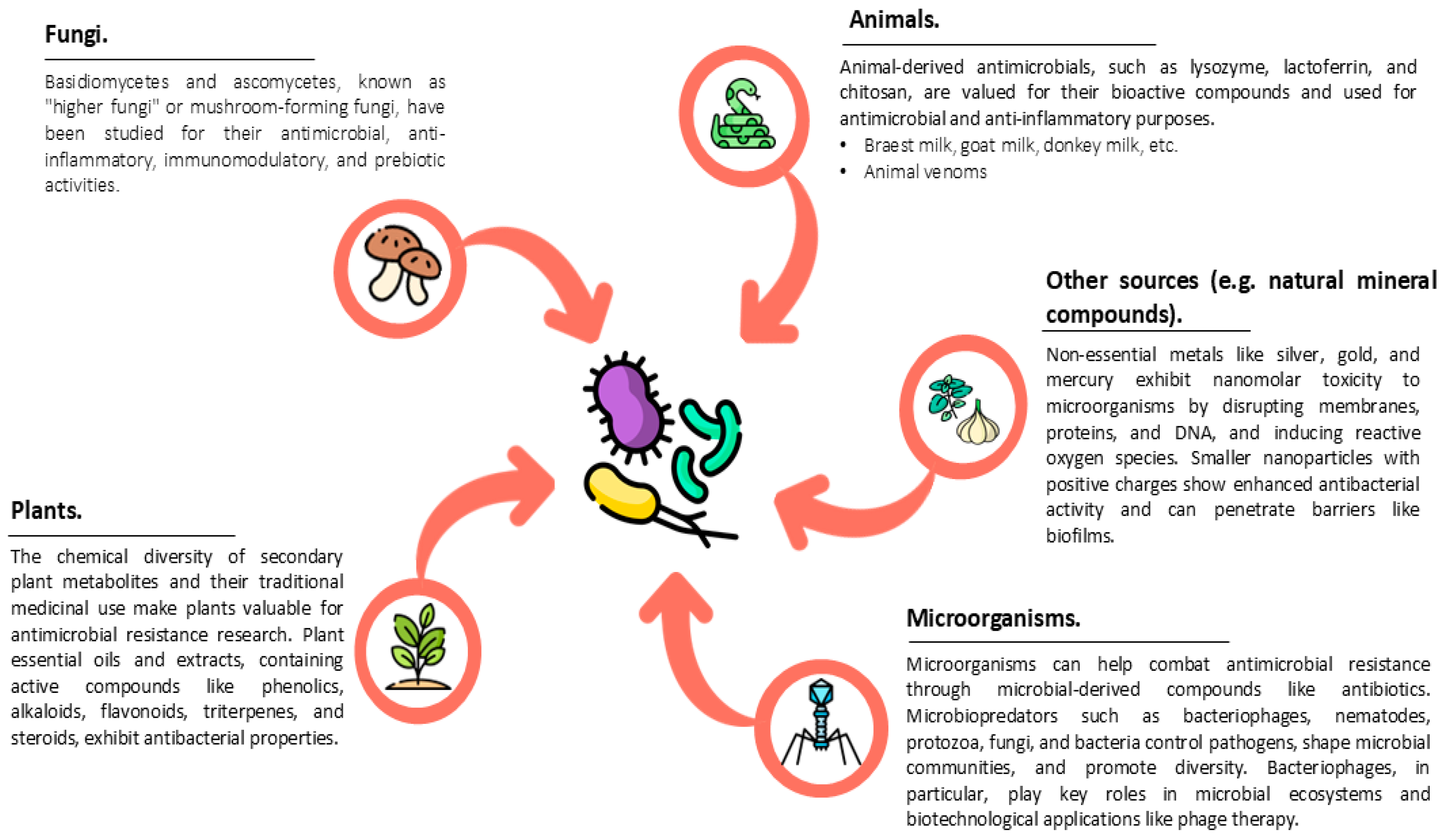
The primary difference between antimicrobial and antibacterial soap lies in the spectrum of microorganisms they target. Antibacterial soap is specifically formulated to kill or inhibit the growth of bacteria only. In contrast, antimicrobial soap has a broader reach, targeting a wide array of pathogens including bacteria, viruses, fungi, and some parasites, making it a more comprehensive sanitizing agent.
Choosing between these two types of soap requires an understanding of biological targets, the specific environment where the soap will be used, and the potential long-term effects on human health and the environment. While both serve to reduce the risk of infection, their chemical compositions and intended applications vary significantly.
The Biological Distinction: Bacteria vs. The Microbial World
To understand why a product is labeled "antibacterial" rather than "antimicrobial," one must understand the diversity of the microscopic world. Bacteria are single-celled prokaryotic organisms that can live in various environments, including on and inside the human body. While many bacteria are beneficial (the "good" bacteria in our gut), others can cause illnesses like strep throat or urinary tract infections. Antibacterial agents are designed to disrupt the cell walls or metabolic processes of these specific organisms.
The term "microbial" is an umbrella term. It encompasses bacteria, but also includes:
- Viruses: Genetic material encased in protein that requires a host cell to replicate (e.g., Influenza, SARS-CoV-2).
- Fungi: Organisms like yeast and mold that can cause skin infections like athlete's foot.
- Protozoa: Single-celled organisms that are often responsible for waterborne diseases.
Antimicrobial soaps contain active ingredients that are effective against this diverse group. In a clinical or high-risk setting, an antimicrobial soap is often preferred because it provides a "kill-all" approach, whereas an antibacterial soap might leave viruses or fungi untouched.
Chemical Composition: Active Ingredients in 2026
The landscape of active ingredients in soaps has shifted significantly over the last decade. Following the 2016 U.S. Food and Drug Administration (FDA) ruling that banned 19 specific chemicals—most notably triclosan and triclocarban—from consumer hand soaps, manufacturers had to reformulate their products.
Common Antibacterial Ingredients
In the current 2026 market, most consumer-grade antibacterial soaps rely on three primary ingredients:
- Benzalkonium Chloride: A quaternary ammonium compound that disrupts the cell membrane of bacteria. It is the most common ingredient in modern "antibacterial" liquid soaps.
- Benzethonium Chloride: Similar to benzalkonium, it is effective against a range of gram-positive and gram-negative bacteria.
- Chloroxylenol (PCMX): Often found in liquid soaps and surgical scrubs, this compound is effective against bacteria and some fungi.
Common Antimicrobial Ingredients
Professional-grade antimicrobial soaps used in healthcare or industrial settings often utilize more potent chemicals:
- Chlorhexidine Gluconate (CHG): A powerful antimicrobial that provides persistent activity on the skin, often used for surgical hand scrubs. It is highly effective against bacteria, viruses, and fungi.
- Iodophors (Povidone-Iodine): These release iodine to kill microbes by oxidizing their essential components. They have a very broad spectrum but can be irritating to some skin types.
- Alcohol (Ethyl or Isopropyl): While usually found in "waterless" sanitizers, high concentrations of alcohol are potent antimicrobials that denature proteins in bacteria and most viruses.
The 2016 FDA Ruling and Consumer Safety
A pivotal moment in the "antimicrobial vs antibacterial soap" debate occurred in September 2016. The FDA issued a final rule stating that consumer antiseptic wash products (hand and body washes) containing certain active ingredients could no longer be marketed. The agency concluded that manufacturers had failed to prove two critical things:
- That these ingredients were safe for daily, long-term use.
- That antibacterial soaps were more effective than plain soap and water in preventing illness and the spread of infections.
This ruling was a response to concerns about hormonal disruption and the contribution to antibiotic-resistant bacteria. When bacteria are exposed to low levels of antibacterial agents frequently, they can undergo mutations that allow them to survive, eventually leading to "superbugs" that are harder to treat with traditional medicine.
It is important to note that this ruling specifically applied to consumer soaps. It did not apply to hand sanitizers, wipes, or soaps used in healthcare settings (like hospitals and clinics), where the risk of infection is significantly higher and the use of potent antimicrobials is deemed necessary.
Effectiveness: Medicated Soap vs. Plain Soap and Water
Perhaps the most surprising fact for many consumers is that for routine daily use, plain soap and water are often just as effective as antibacterial or antimicrobial soaps. The mechanism of action, however, is completely different.
Mechanical Removal vs. Chemical Killing
Plain soap acts as a surfactant. Its molecules have one end that attaches to water and another that attaches to grease, dirt, and microbes. When you lather and rinse, the soap physically lifts the microbes off your skin and flushes them down the drain. This process does not "kill" the microbes, but it removes them from your body.
Antibacterial and antimicrobial soaps contain chemicals intended to kill the microbes on contact. However, research has consistently shown that for the average person washing their hands for 20 seconds, the chemical "kill" time is often insufficient to provide an advantage over the mechanical "lifting" action of plain soap.
Why Antimicrobials Matter in Specific Settings
In a surgical theater or a laboratory handling infectious diseases, mechanical removal isn't enough. Residual microbes left on the skin could cause catastrophic infections. In these environments, antimicrobial soaps like Chlorhexidine Gluconate are essential because they leave a "residual effect" on the skin, continuing to suppress microbial growth for hours after application.
| Feature | Plain Soap | Antibacterial Soap | Antimicrobial Soap |
|---|---|---|---|
| Primary Target | Dirt, oil, and all microbes (removal) | Bacteria (killing/inhibition) | Bacteria, Viruses, Fungi (killing) |
| Mechanism | Surfactant (mechanical removal) | Chemical disruption of bacteria | Broad-spectrum chemical destruction |
| Common Ingredients | Sodium tallowate, Glycerin | Benzalkonium chloride | CHG, Povidone-iodine, Alcohol |
| Primary Use Case | General household hygiene | Targeted bacterial reduction | Healthcare and clinical settings |
| Risk of Resistance | None | Potential for bacterial resistance | Moderate (depending on ingredient) |
| FDA Status | Generally Recognized as Safe | Regulated (some ingredients banned) | Highly regulated for clinical use |
Environmental and Health Considerations
The choice between antimicrobial and antibacterial products also has broader implications for public health and the environment.
The Human Microbiome
The skin is home to a complex ecosystem of microbes known as the skin microbiome. These organisms play a vital role in protecting us from pathogens and training our immune system. Overuse of potent antimicrobial soaps can strip away these beneficial microbes, potentially leading to skin irritation, dryness, and a weakened natural defense barrier. This is often referred to as the "hygiene hypothesis," which suggests that over-sanitizing our environment may contribute to the rise of allergies and autoimmune disorders.
Environmental Impact
When we wash our hands with medicated soaps, the chemicals go down the drain and into the wastewater system. Some of these chemicals, such as benzalkonium chloride, are toxic to aquatic life. Furthermore, the presence of these agents in the water supply can contribute to the development of antimicrobial resistance in environmental bacteria, creating a cycle that eventually impacts human medicine.
When to Use Antimicrobial Soap
Despite the advantages of plain soap, there are specific scenarios where antimicrobial or antibacterial soaps are the superior choice:
- Healthcare Settings: Doctors, nurses, and caregivers should use antimicrobial soaps to prevent cross-contamination between patients.
- Wound Care: If you are cleaning a localized area around a minor cut or scrape, an antimicrobial wash can help prevent infection.
- Compromised Immune Systems: Individuals living with conditions that weaken the immune system (e.g., chemotherapy patients) may be advised by their physicians to use antibacterial soaps to reduce the "bacterial load" they encounter.
- Food Preparation: In commercial kitchens, using antibacterial soap can help mitigate the risk of spreading foodborne pathogens like Salmonella or E. coli.
- Outbreak Scenarios: During a localized outbreak of a specific bacterial or viral infection, temporary use of targeted antimicrobial agents can provide an extra layer of protection.
How to Wash Properly: The Real Key to Hygiene
Regardless of whether the soap is antimicrobial, antibacterial, or plain, the technique is the most critical factor in hand hygiene. The CDC recommends a five-step process:
- Wet: Use clean, running water.
- Lather: Rub hands together with the soap, ensuring you cover the backs of hands, between fingers, and under nails.
- Scrub: Continue scrubbing for at least 20 seconds (the time it takes to hum "Happy Birthday" twice).
- Rinse: Use clean, running water to wash away the lifted microbes.
- Dry: Use a clean towel or air dry.
If you are using an antimicrobial soap in a clinical setting, you may need to increase the scrub time to allow the active chemicals sufficient contact time to neutralize the pathogens.
FAQ: Common Questions About Soap Types
Does antibacterial soap kill viruses?
Generally, no. Most soaps marketed strictly as "antibacterial" focus on the cell walls or metabolic pathways of bacteria. While the mechanical action of washing with any soap can remove viruses from your hands, the active antibacterial chemicals themselves are usually ineffective against viral structures. To specifically kill viruses chemically, an antimicrobial agent or a high-concentration alcohol-based product is required.
Is antimicrobial soap the same as hand sanitizer?
No. Antimicrobial soap is designed to be used with water and rinsed off. Hand sanitizers are typically alcohol-based gels or foams intended to stay on the skin. While both are antimicrobial in nature, soap and water are generally more effective at removing certain types of germs, such as Norovirus and Clostridioides difficile, which are resistant to alcohol-based sanitizers.
Can I use antimicrobial soap every day?
For the average person, daily use of antimicrobial soap on the entire body is not recommended. It can lead to excessive skin dryness and may disrupt the natural balance of your skin’s microbiome. It is better to reserve antimicrobial soaps for handwashing in high-risk situations or for specific medical needs as directed by a healthcare professional.
Why was triclosan banned from soap?
The FDA banned triclosan in 2016 because manufacturers could not prove its safety for long-term daily use or that it was more effective than plain soap. There were also concerns that triclosan could interfere with thyroid hormones and contribute to the development of antibiotic-resistant bacteria.
Which soap is better for acne?
Acne is often caused by the bacteria Cutibacterium acnes. While a general antibacterial soap might help, most dermatologists recommend specialized washes containing benzoyl peroxide or salicylic acid. These are technically antimicrobial but are formulated specifically to penetrate pores and treat the underlying causes of acne without being as harsh as industrial antimicrobial soaps.
Does the temperature of the water matter?
Studies have shown that water temperature does not significantly affect the removal of microbes during handwashing. Whether the water is cold or warm, the effectiveness comes from the soap and the friction of scrubbing. Using very hot water is generally discouraged as it can lead to skin irritation and dermatitis.
Final Recommendation
For the vast majority of household needs in 2026, plain soap and water remain the most balanced choice for safety, efficacy, and environmental health. If you are a healthcare worker or are caring for someone with a contagious illness, an antimicrobial soap containing benzalkonium chloride or CHG provides the necessary broad-spectrum protection. Avoid using "antibacterial" products as a default simply because they sound more powerful; the goal of hand hygiene is to stay healthy, and sometimes the simplest tools are the most effective.