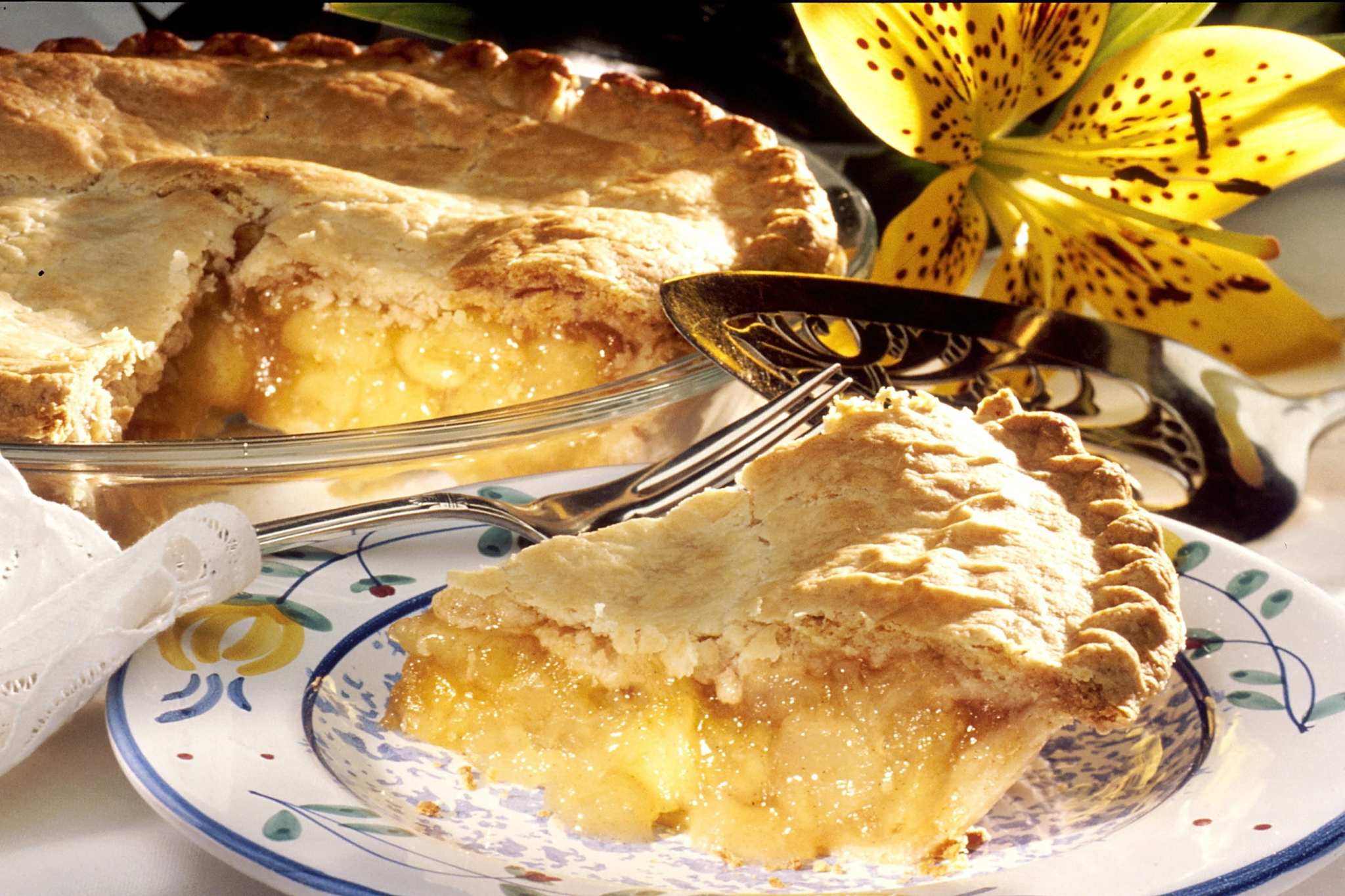
The evolution of apple pie from a savory medieval fortification known as a "coffyn" into the quintessential modern dessert represents a centuries-long refinement of pastry techniques, ingredient availability, and cultural tastes. Understanding this progression involves tracing the transformation of crusts from inedible vessels to flaky, buttery complements, alongside the shift from spice-heavy, meat-inclusive recipes to the sugar-forward profiles favored in 2026.
The Medieval Coffyn: Function Over Flavor
The story of the apple pie begins not in a bakery, but in the kitchens of 14th-century England. The earliest iteration was known as a "coffyn." This was not a dessert in the modern sense; it was a structural necessity. Medieval bakers needed a way to preserve fruit or meat during long storage or transport.
The crust was a thick, hardened paste of flour and water, designed to act as a seal—essentially a primitive oven-safe container. These crusts were not meant to be eaten. They were broken open, and the contents were scooped out. The 1381 recipe attributed to the Forme of Cury lists ingredients such as apples, pears, figs, and raisins, but notably lacks the sugar that defines modern versions. Instead, the flavor profile was dominated by saffron and highly aromatic spices like cinnamon and cloves, which were expensive status symbols. The inclusion of these spices reflected the medieval culinary tradition of masking the flavors of preserved ingredients with intense, contrasting seasonings.
The Renaissance of the Crust
As culinary techniques improved during the 16th and 17th centuries, the "coffyn" began to disappear in favor of more palatable pastry. By the time of the Renaissance, the shift toward edible crusts was well underway. Bakers began experimenting with fat—specifically butter and lard—to create a lighter, flakier texture.
This period also saw a stabilization of the apple-to-spice ratio. As sugar became more accessible through increased trade routes, the intense, medicinal spicing of the medieval period gave way to a balance between acidity and sweetness. The apple pie began to lose its secondary components, such as dried fruits and floral waters, becoming increasingly focused on the singular flavor of the orchard fruit. This era established the foundational architecture of the pie we recognize today: a bottom and top crust encompassing a sugared, spiced apple filling.
The Industrial Transition and Modern Standardization
The 19th and 20th centuries were the primary drivers of the "modern crust." The industrial revolution allowed for the mass production of refined white flour and affordable, high-quality fats. This transformed apple pie from an occasional labor-intensive treat into a standard household staple.
By the mid-20th century, the adoption of frozen, pre-mixed doughs and standardized oven temperatures further refined the consistency of the crust. In 2026, the modern apple pie is characterized by the "shortcrust" or "puff pastry" technique, where chilled fat is incorporated into flour to create distinct layers that expand upon heating. The filling has also undergone a technical evolution; in modern commercial and home settings, thickeners like cornstarch or flour are used to control the viscosity of the apple juice, preventing the "soggy bottom" that plagued earlier home bakers.
Comparative Evolution of Apple Pie Components
| Feature | Medieval "Coffyn" | 18th/19th Century Pie | Modern 2026 Pie |
|---|---|---|---|
| Crust Function | Inedible storage vessel | Palatable but dense | Flaky, crisp, and buttery |
| Primary Sweetener | Honey or dried fruit | Cane sugar | Refined sugar/maple/agave |
| Spicing | Heavy (Saffron, Clove) | Balanced (Cinnamon, Nutmeg) | Varied (Vanilla, Ginger, Sea Salt) |
| Binding Agents | None (Fruit reduction) | Minimal | Starch-based thickeners |
| Apple Variety | Seasonal/Wild | Regional cultivars | Cultivated baking varieties |
Modern Technical Requirements for the Perfect Crust
To achieve a high-quality crust in 2026, home bakers must manage the hydration and temperature of their ingredients with precision. The goal is to keep the fat (usually unsalted butter) in solid, pea-sized chunks within the flour. When these chunks hit the high heat of an oven, they release steam, which pushes the layers of flour apart, creating the desired "flake."
- Fat Choice: European-style butter with higher butterfat content (82% or higher) is preferred by professionals for superior lamination and flavor.
- Temperature: Everything must be cold. Cold water, chilled butter, and even chilled flour prevent the fat from melting prematurely, which would result in a tough or greasy crust rather than a flaky one.
- Hydration: Over-mixing develops the gluten in the flour. A modern, light crust requires minimal handling—just enough to bind the dough into a disk—to keep the structure delicate rather than bread-like.
Selecting the Right Apples for Modern Baking
In 2026, the selection of apple varieties is a science of moisture content and structural integrity. Apples that break down too quickly, such as Red Delicious, are generally avoided in favor of firm, high-acid varieties that maintain their shape during the extended baking periods required for the crust to brown.
- Granny Smith: Remains the industry standard for its high acidity and firmness.
- Honeycrisp: Valued for its texture, though it can become quite juicy, requiring extra thickener.
- Braeburn: Offers a balanced flavor profile that requires less added sugar.
- Jonagold: Excellent for achieving a complex, sweet-tart profile without the need for excessive artificial flavoring.
Troubleshooting Common Culinary Errors
The most common issue remains the "soggy bottom." This occurs when the moisture from the apples seeps into the crust before the dough has set. To mitigate this in a modern kitchen, chefs often employ a "blind-baking" technique, where the bottom crust is baked empty for 10–15 minutes with weights before the filling is added. Additionally, brushing the interior of the raw bottom crust with a light egg white wash creates a temporary barrier against fruit juices.
Another frequent error is under-baking. Many bakers fear burning the crust and remove the pie while the internal temperature is still too low. For the starch in the filling to properly gelatinize and thicken, the pie must reach a point where the juices are visibly bubbling through the steam vents.
Frequently Asked Questions
Why did medieval pies use inedible crusts? The crust acted as a protective barrier against insects and contamination, effectively serving as a primitive storage container. Since ovens were not temperature-controlled, a thick, hard shell was the only way to cook the interior contents without burning the outer layers.
How can I prevent my modern apple pie from becoming watery? Moisture control is essential. By tossing your sliced apples with sugar and allowing them to sit in a colander for 30 minutes before baking, you can draw out excess water. This pre-treatment prevents that liquid from flooding your crust during the bake.
Are pre-made crusts equivalent to homemade? While pre-made crusts in 2026 have improved significantly, they typically use stabilizers and preservatives to ensure shelf stability. Homemade crusts allow for control over the fat-to-flour ratio and the use of high-quality butter, which generally results in a superior flavor and a more desirable "shatter" texture.
Is it necessary to use multiple varieties of apples? Many pastry chefs recommend a blend. Using a combination of a tart, firm apple (like Granny Smith) and a sweeter, softer apple (like Fuji) creates a more nuanced flavor profile that prevents the pie from being one-dimensionally sweet or sour.
How does altitude affect apple pie baking? At higher altitudes, water boils at a lower temperature, which can make it difficult for the filling to thicken. You may need to increase the amount of starch in your recipe and lengthen the total bake time slightly to ensure the fruit and the crust reach the correct level of doneness.
Recommendations for Your Next Bake
To elevate your apple pie, focus on the "blind-baking" method for the bottom crust. This simple technical shift accounts for the biggest difference between amateur and professional-level results. Start by preparing your dough 24 hours in advance, allowing the flour to fully hydrate in the refrigerator. Use a mix of at least two apple varieties, and do not be afraid of spices; in 2026, the use of freshly ground nutmeg and a pinch of sea salt in the crust can add the depth of flavor that defines a truly exceptional pastry.