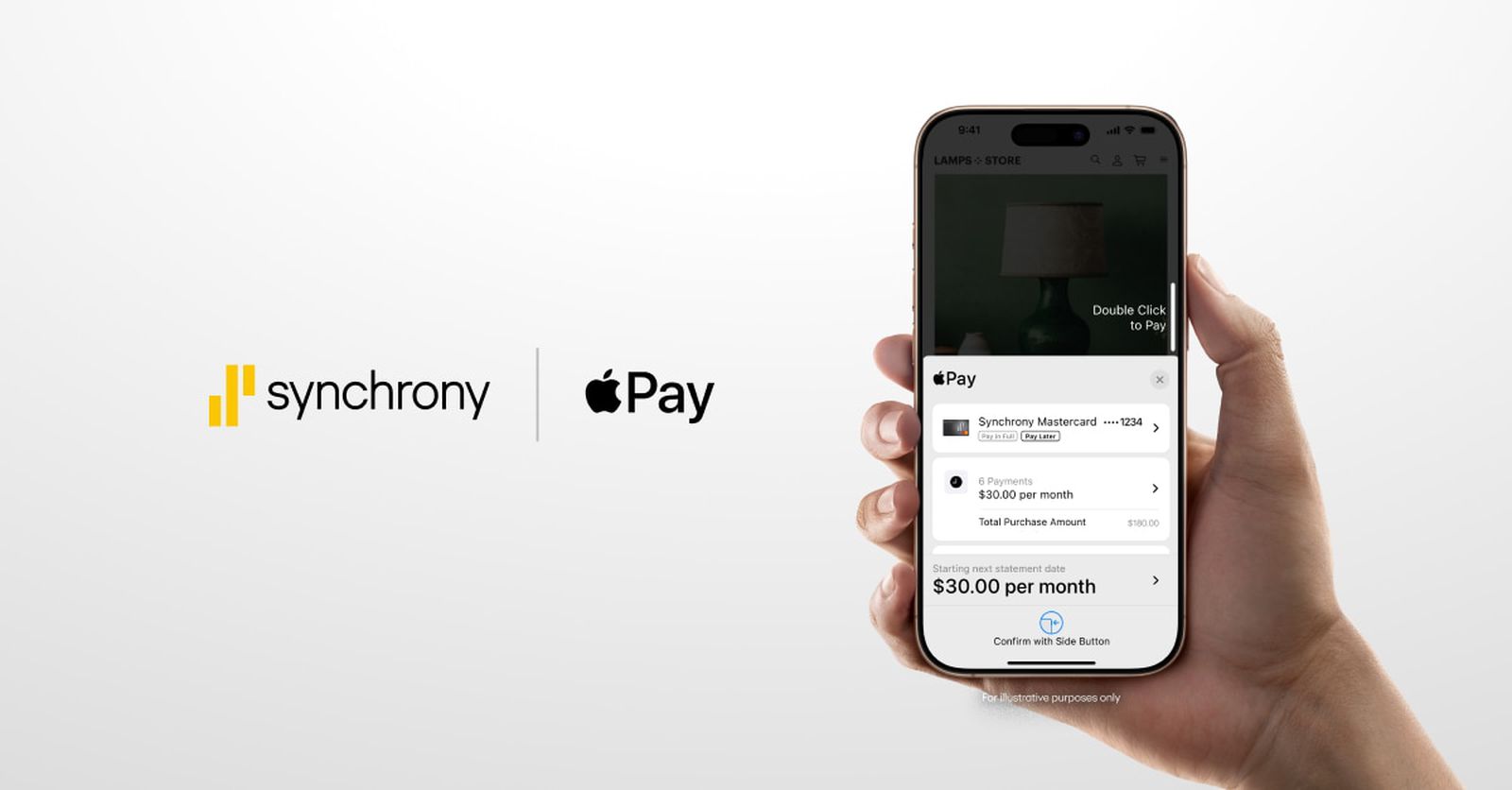
Acquiring the latest Apple technology can be challenging when your credit history is less than perfect. Apple provides several structured financing routes—primarily through the Apple Card Monthly Installments program and authorized retail partners—but these options generally require a credit check. Understanding how these systems weigh your creditworthiness and identifying legitimate alternatives can help you access the products you need without compromising your financial stability.
Understanding How Apple Financing Works
Apple’s primary financing mechanism is the Apple Card Monthly Installments (ACMI) program, which allows users to purchase iPhones, iPads, Macs, and Apple Watches with zero-interest, monthly payments. This program is facilitated through the Apple Card, a credit product issued by Goldman Sachs. Because this involves a revolving line of credit, the application process includes a credit inquiry.
When you apply for an Apple Card, the issuer evaluates your credit report to determine your eligibility and credit limit. While Apple does not publish a specific, static credit score cutoff, the application is subject to standard lending criteria. If your credit score is in the "poor" or "fair" range, you may be denied the card, or offered a credit limit insufficient to cover a premium device purchase.
It is important to distinguish Apple’s financing from traditional "buy now, pay later" (BNPL) services. While some retailers offer Apple products through third-party installment services that perform "soft" credit pulls, Apple’s direct, zero-interest financing is tethered to the Apple Card. If your goal is to finance directly through Apple, you must satisfy the underwriting requirements established by their banking partner.
Evaluating Credit Requirements for Apple Programs
Financing a high-value purchase is essentially an unsecured loan. Lenders evaluate three primary factors: your credit score, your debt-to-income ratio, and your history of timely payments.
- Credit Score: This is a numerical representation of your reliability as a borrower. If your score is low, lenders perceive a higher risk of default.
- Debt-to-Income (DTI) Ratio: Even if your credit score is moderate, a high DTI ratio—meaning you spend a large percentage of your monthly income on existing debt—can trigger a decline.
- Payment History: Recent delinquencies, charge-offs, or active collection accounts significantly impact your chances of approval for new credit products.
If you have experienced credit setbacks, it is advisable to check your credit report through one of the three major credit bureaus (Equifax, Experian, or TransUnion) before applying. Reviewing your report allows you to identify errors that might be artificially suppressing your score. Disputing incorrect information is a legal right and can sometimes lead to a score improvement in as little as 30 to 45 days.
Alternative Paths for Acquiring Apple Products
If you do not qualify for an Apple Card, you are not necessarily barred from obtaining Apple hardware. Several alternative strategies exist that prioritize different qualification criteria or defer the total cost without requiring a traditional high-score credit profile.
Third-Party Retailer Financing
Retailers like Best Buy or major cellular carriers (such as Verizon, AT&T, or T-Mobile) often have their own financing arrangements. These institutions may have different risk appetites than Apple’s banking partner. Some carriers offer "Device Payment Plans" that are essentially internal billing agreements rather than standard credit cards. While these still require a credit check, they are sometimes more accessible for existing customers who have demonstrated a history of on-time monthly service payments.
Layaway and Prepaid Options
If credit-based financing is not an option, consider shifting your strategy toward a savings-based approach. Many retailers allow you to purchase gift cards or set aside funds toward a specific item. While this lacks the immediate gratification of a payment plan, it avoids the high interest rates associated with "subprime" lending options.
Refurbished and Educational Discounts
Reducing the total cost of the device makes it easier to manage the purchase. Apple’s "Certified Refurbished" store offers devices that are professionally tested, cleaned, and repackaged with a one-year warranty. These items are significantly cheaper than brand-new models. Additionally, if you are a student or educator, Apple’s education pricing provides a lower entry point, which may allow you to pay cash for a device that would otherwise require financing.
Comparison of Apple Acquisition Methods
| Method | Credit Check | Interest Rate | Suitability for Bad Credit |
|---|---|---|---|
| Apple Card (ACMI) | Hard Pull | 0% APR | Low |
| Carrier Payment Plans | Hard Pull | 0% (usually) | Moderate |
| Retailer Credit Cards | Hard Pull | Variable (High) | Low |
| Certified Refurbished | None | N/A | High |
| Savings/Cash Purchase | None | None | Highest |
The Risks of High-Interest Credit Products
When credit scores are low, consumers are often tempted by "guaranteed approval" or "no credit check" financing options offered by third-party storefronts. These services often carry high interest rates (APR) and aggressive fee structures.
If you choose a high-interest financing plan, you may end up paying 150% or more of the original MSRP of the device over the life of the loan. Furthermore, if you miss a payment, these lenders may apply late fees or penalty interest rates that further damage your credit score, creating a cycle of debt. Before signing any contract, calculate the total cost of ownership by multiplying the monthly payment by the number of months required to pay off the loan. If the total significantly exceeds the product price, the financial cost of that "convenience" is likely too high.
Building Credit to Improve Future Approval Odds
If you are currently ineligible for Apple financing, the best long-term solution is to improve your creditworthiness. You can take concrete steps in 2026 to position yourself for better financial products in the future.
- Secured Credit Cards: These cards require a cash deposit that serves as your credit limit. Because the lender holds your deposit, they face minimal risk, making these cards easier to obtain with bad credit. Using a secured card responsibly—keeping your utilization below 30% and paying in full every month—is one of the fastest ways to build a positive payment history.
- Authorized User Status: If you have a family member with excellent credit and a long-standing account, ask them to add you as an authorized user. Their positive payment history on that account can be reported to your credit file, potentially providing a boost to your score.
- Credit Builder Loans: These are specialized loans offered by many credit unions. The bank holds the loan amount in an interest-bearing savings account, and you make monthly payments. Once the loan is paid off, the bank releases the funds to you. This demonstrates your ability to make consistent payments over time.
Frequently Asked Questions
1. Does Apple offer "no credit check" financing? No. Apple does not offer direct financing that bypasses a credit check. All financing products associated with Apple, including the Apple Card Monthly Installments, require a credit review by the issuing bank.
2. Can I use a co-signer to get an Apple Card? No. The Apple Card is an individual credit product. There is no provision for co-signers or joint applicants. The application must be made solely in the name of the individual seeking the credit line.
3. Will checking my eligibility for an Apple Card hurt my credit score? When you first check your eligibility for the Apple Card, Apple uses a "soft pull," which does not affect your credit score. However, if you choose to proceed with the full application and are approved, a "hard pull" will occur, which may cause a temporary, minor dip in your credit score.
4. What should I do if I am denied for Apple financing? If you are denied, the issuer is legally required to provide an "adverse action notice." This document explains the specific reasons for the denial, such as a low credit score or excessive debt. Use this information to address the specific areas of your financial profile that require improvement before reapplying.
5. Are carrier payment plans better for bad credit? They can be, depending on your relationship with the carrier. If you are an existing customer with a long history of paying your monthly mobile bill on time, carriers may be more lenient during the credit check for a device payment plan than a bank would be for a new credit card.
Next Steps for Your Purchase
If you have decided that a new Apple device is necessary, perform an objective assessment of your current finances. Start by checking your credit report for inaccuracies. If your score is low, prioritize building a positive credit history through a secured card or small, manageable installment payments on other bills.
In the interim, consider the "Certified Refurbished" route. By purchasing a slightly older model or a refurbished unit, you can lower the price enough to pay with cash or a standard debit card, thereby avoiding the need for credit-based financing entirely. If you must finance, look into localized options through your mobile carrier, but always ensure you fully understand the interest rates and total repayment terms before signing any credit agreement.