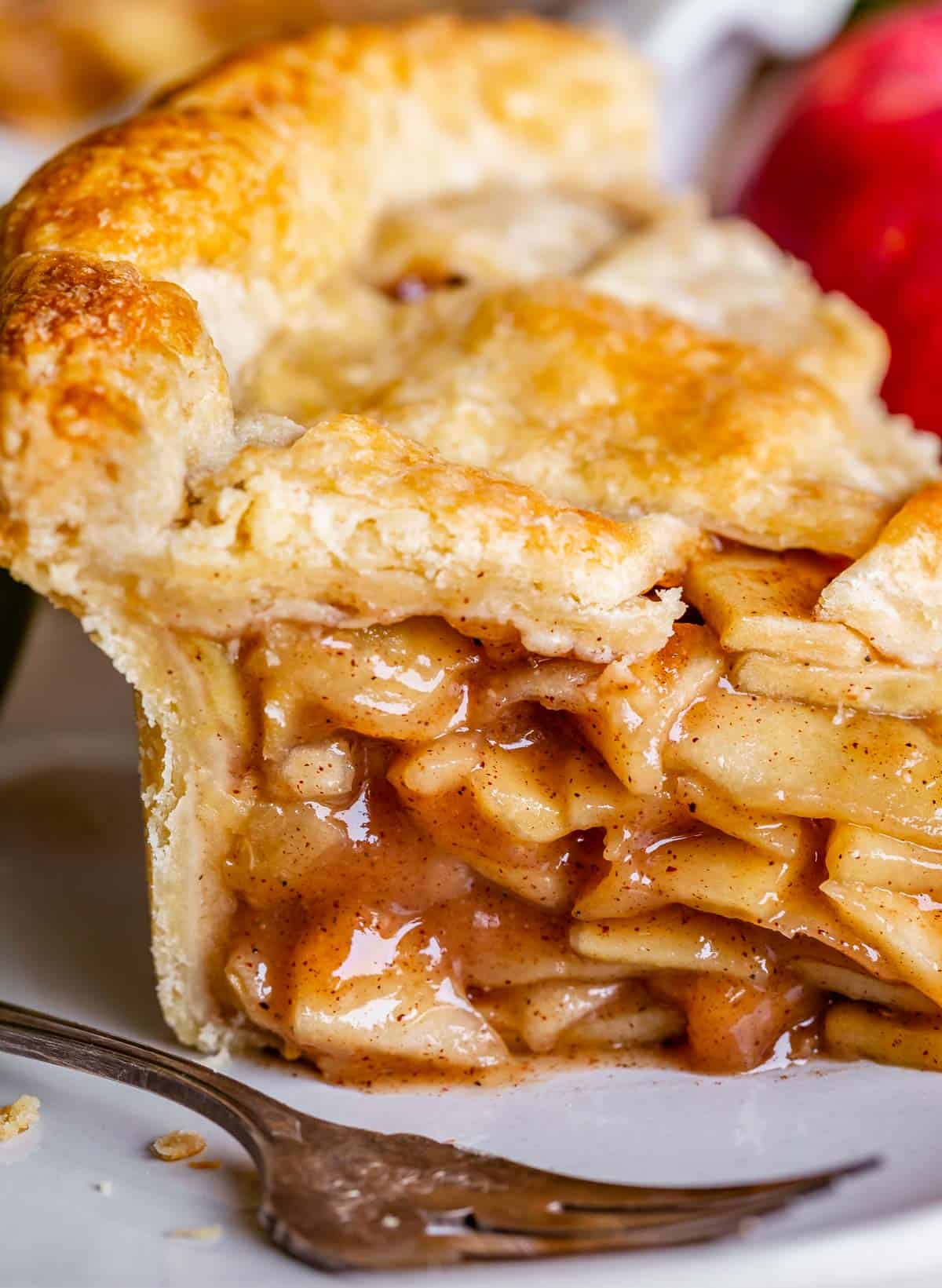
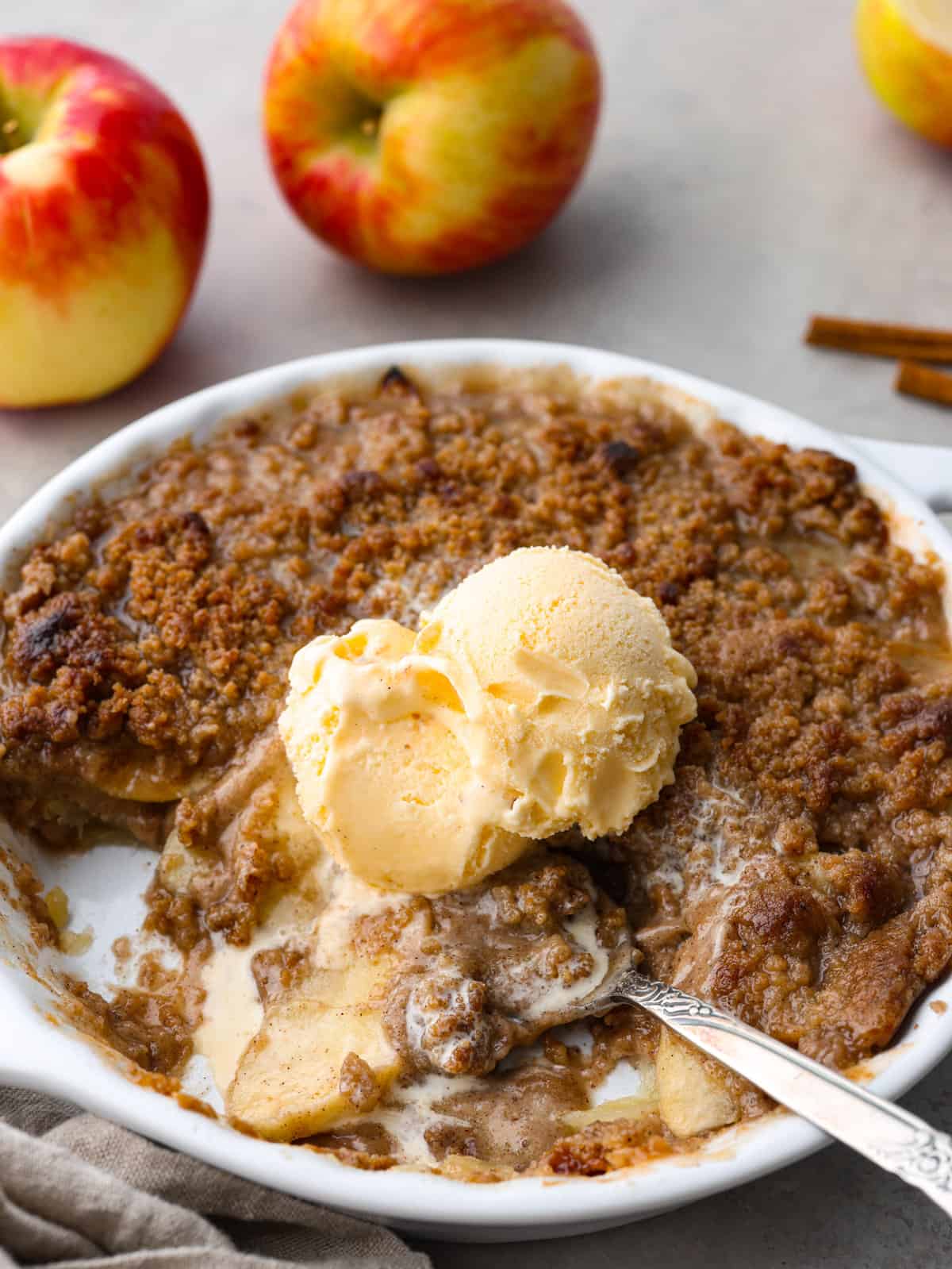
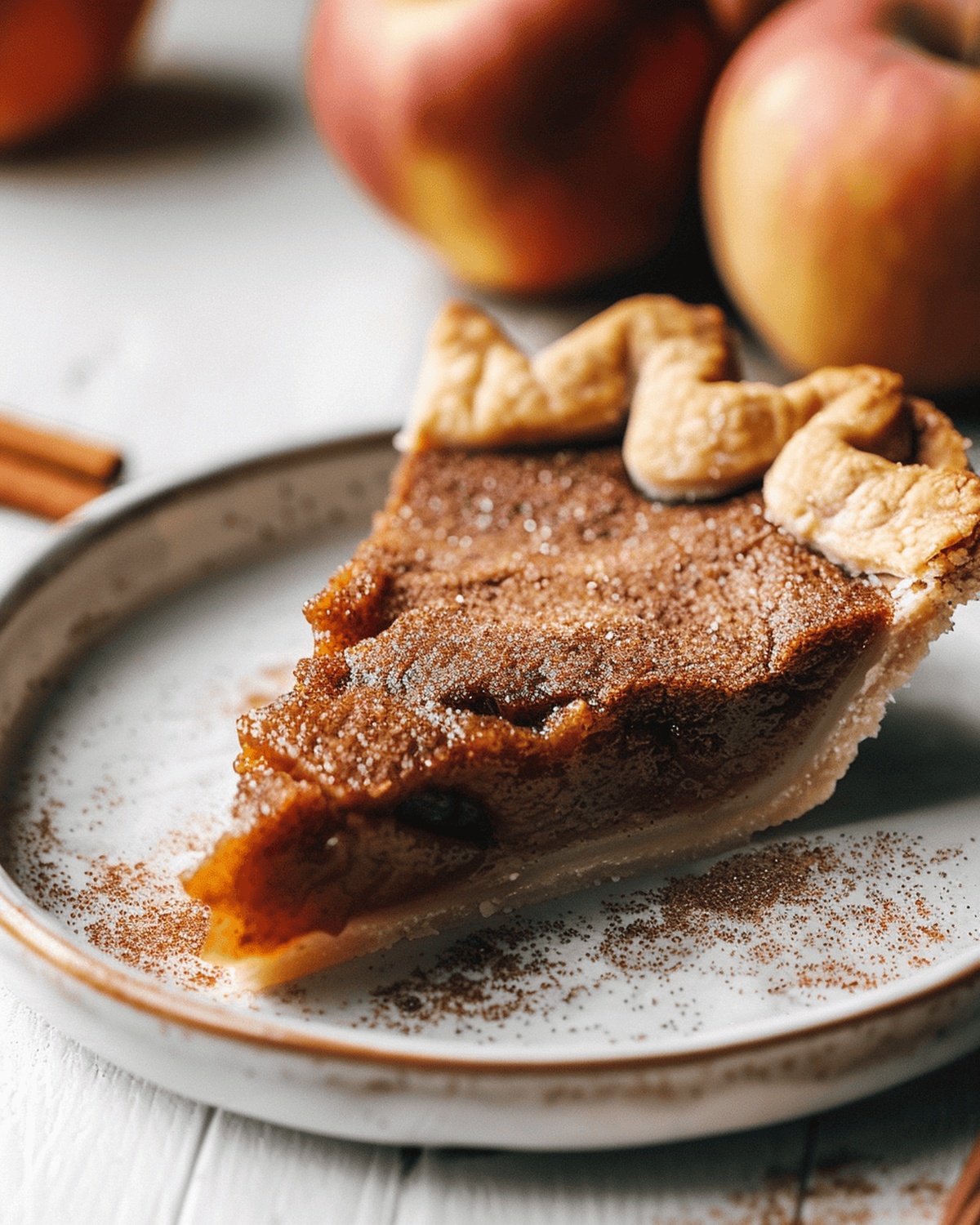
Creating an apple pie with brown sugar elevates the classic dessert by introducing a deep, molasses-rich sweetness that complements the tartness of fresh apples. By substituting or supplementing traditional granulated sugar with brown sugar, you achieve a caramelized flavor profile and a superior syrupy consistency in the pie’s filling, transforming a standard pastry into a complex, comfort-focused culinary staple.
The Role of Brown Sugar in Apple Pie
While white granulated sugar provides straightforward sweetness, brown sugar contains varying amounts of molasses. When baking an apple pie, this molasses content is critical for three primary reasons: moisture retention, depth of flavor, and structural integrity of the filling.
Light brown sugar provides a subtle caramel note, while dark brown sugar contributes a more robust, intense molasses profile. For most apple pie recipes, light brown sugar is preferred to balance the natural acidity of common baking apples like Granny Smith or Honeycrisp without overpowering the fruit's character. The acidic nature of molasses also interacts slightly with the pectin in the apples, helping to thicken the juices into a stable, jam-like consistency as the pie reaches its ideal internal temperature.
Selecting the Right Apple Varieties
The success of your apple pie depends heavily on the apple-to-sugar ratio and the structural integrity of the fruit during the baking process. You require apples that hold their shape under heat—avoid varieties that turn to applesauce, such as McIntosh or Cortland, unless you specifically desire a softer filling.
- Granny Smith: The gold standard for acidity. Its tartness provides the necessary contrast to the sweetness of brown sugar.
- Honeycrisp: Known for a balanced sweetness and excellent crunch. It holds its shape perfectly and requires less added sugar.
- Braeburn: Firm, spicy, and holds up well to extended baking times.
- Golden Delicious: Naturally sweet and soft; often best used in a blend with firmer apples to provide a smooth textural contrast.
For the best results, utilize a "three-apple" blend—typically two parts firm, tart apples to one part sweet, soft apples—to ensure a multifaceted flavor profile and consistent texture.
Essential Ingredients and Ratios
Beyond the apples and sugar, the balance of dry ingredients and spices is what distinguishes a bakery-quality pie from a home-baked one.
| Ingredient | Role | Recommendation |
|---|---|---|
| Brown Sugar | Sweetener/Flavor | Light brown, packed |
| Flour or Cornstarch | Thickener | Use 2–3 tablespoons per 6 cups of apples |
| Cinnamon | Spice | Saigon cinnamon for higher oil content |
| Nutmeg/Allspice | Depth | Freshly grated for maximum potency |
| Lemon Juice | Preservation | Balances the sugar and prevents oxidation |
| Butter | Fat | Salted or unsalted, cut into small cubes |
The thickener is essential. Without it, the moisture released by the apples—exacerbated by the brown sugar—will result in a "soupy" bottom crust. If using cornstarch, ensure it is thoroughly whisked with the sugar before coating the apples to prevent clumping.
Preparing the Crust and Filling
The crust should be prepared and chilled well in advance. A butter-based crust offers the best flavor, though adding a small percentage of shortening can improve the workability of the dough.
- Preparation: Peel, core, and slice the apples into uniform 1/4-inch slices. Uniformity is the secret to even baking.
- Maceration: Toss the sliced apples with the brown sugar, spices, and lemon juice in a large bowl. Let this mixture stand for at least 30 minutes. This draws out excess moisture, which you should drain slightly before adding your thickener.
- Assembly: Roll out your bottom crust, line your pie plate, and heap the apples into the center. Mound them slightly in the middle to compensate for the shrinkage that occurs during the baking process.
- Distribution: Dot the top of the fruit with small cubes of cold butter. This adds a rich mouthfeel to the finished syrup.
- Sealing: Place the top crust over the apples, crimp the edges firmly to seal, and cut several slits (or create a lattice pattern) to allow steam to escape.
Baking Temperatures and Techniques
A common mistake in pie baking is using a constant, moderate temperature. To achieve a perfectly crisp bottom crust and a golden, flaky top, you must utilize a two-stage baking process.
Start by preheating your oven to 425°F (220°C). Place the pie on the lowest rack for the first 15–20 minutes. The high heat sets the crust and prevents it from becoming soggy when the apples begin to release their juices. After the initial blast, reduce the temperature to 375°F (190°C) and move the pie to the middle rack. Cover the edges of the crust with a pie shield or aluminum foil if they begin to brown too quickly.
Total bake time usually ranges between 50 and 60 minutes. You know the pie is finished when the juices are bubbling thick and dark through the vents in the top crust. If the juice is pale and thin, the starch has not yet gelatinized, and the pie needs more time.
Common Pitfalls and Troubleshooting
Even experienced bakers encounter challenges with fruit pies. Here is how to navigate the most common issues:
- The Soggy Bottom: This is almost always caused by a lack of initial high-heat exposure or failing to macerate the apples. To prevent this, place your pie dish on a preheated baking sheet or pizza stone in the oven. This transfers direct heat to the bottom of the crust immediately.
- The Shrinking Crust: This occurs when the dough is overworked or not properly chilled. Always keep your butter cold and give your dough at least an hour in the refrigerator before rolling.
- Spilling Over: If your apples are sliced too thick or the pile is too high, it may overflow. Use a rimmed baking sheet underneath the pie to catch drips and prevent a mess in your oven.
- Grainy Filling: This happens if the sugar does not fully dissolve. Ensure you are using high-quality light brown sugar and that it is evenly distributed through the fruit before the baking process begins.
Cooling and Serving
The most difficult step in making an apple pie is waiting for it to cool. A freshly baked pie requires at least three to four hours to cool completely on a wire rack. This is not merely a suggestion; it is a structural necessity. As the filling cools, the pectin and starches solidify, allowing the syrup to thicken to a syrupy, sliceable consistency. If you cut into the pie while it is steaming hot, the filling will run out of the crust, leaving you with a delicious but messy bowl of apples and pastry shards.
Frequently Asked Questions
Can I substitute brown sugar for white sugar in any apple pie recipe? Yes, but with caution. Brown sugar adds more liquid and flavor. You can safely swap in brown sugar for 1:1, but be aware that the final pie will be darker in color and have a more pronounced molasses or caramel flavor. If the recipe is highly acidic (e.g., uses extra lemon), reduce the brown sugar by 10% to prevent the pie from becoming overly cloying.
Why does my apple pie filling turn out watery? A watery filling is usually caused by using apples with high water content, like Granny Smith, without a sufficient thickener, or by not allowing the pie to cool long enough. Ensure you use at least two tablespoons of cornstarch or flour for every six cups of fruit, and never cut into the pie before it has reached room temperature.
Should I precook the apples before baking? Pre-cooking or "sautéing" the apples in a pan with the brown sugar and butter is an excellent technique to prevent the "gap" that often forms between the top crust and the apples after baking. Sautéing removes excess water and shrinks the fruit volume before it hits the oven, resulting in a more compact and professional-looking pie.
What is the purpose of the egg wash? An egg wash (a single egg whisked with a tablespoon of water or cream) brushed over the top crust before baking provides a beautiful, glossy, deep-golden finish. For a more decadent touch, sprinkle coarse sparkling sugar over the egg wash to add crunch and aesthetic appeal.
Can I bake the pie ahead of time? Yes. Apple pie keeps well at room temperature for up to two days, or in the refrigerator for up to four days. If you prefer a warm slice, reheat the pie in a 300°F oven for 10–15 minutes before serving to crisp up the crust once more.
Final Recommendation
For the best results, begin by choosing a blend of firm, tart apples. Always macerate your fruit with the brown sugar for at least 30 minutes, and never omit the thickening agent. By utilizing the two-stage oven temperature method and allowing the finished pie to cool completely, you ensure a professional-grade dessert with a deep, caramelized flavor profile that defines the classic apple pie experience.