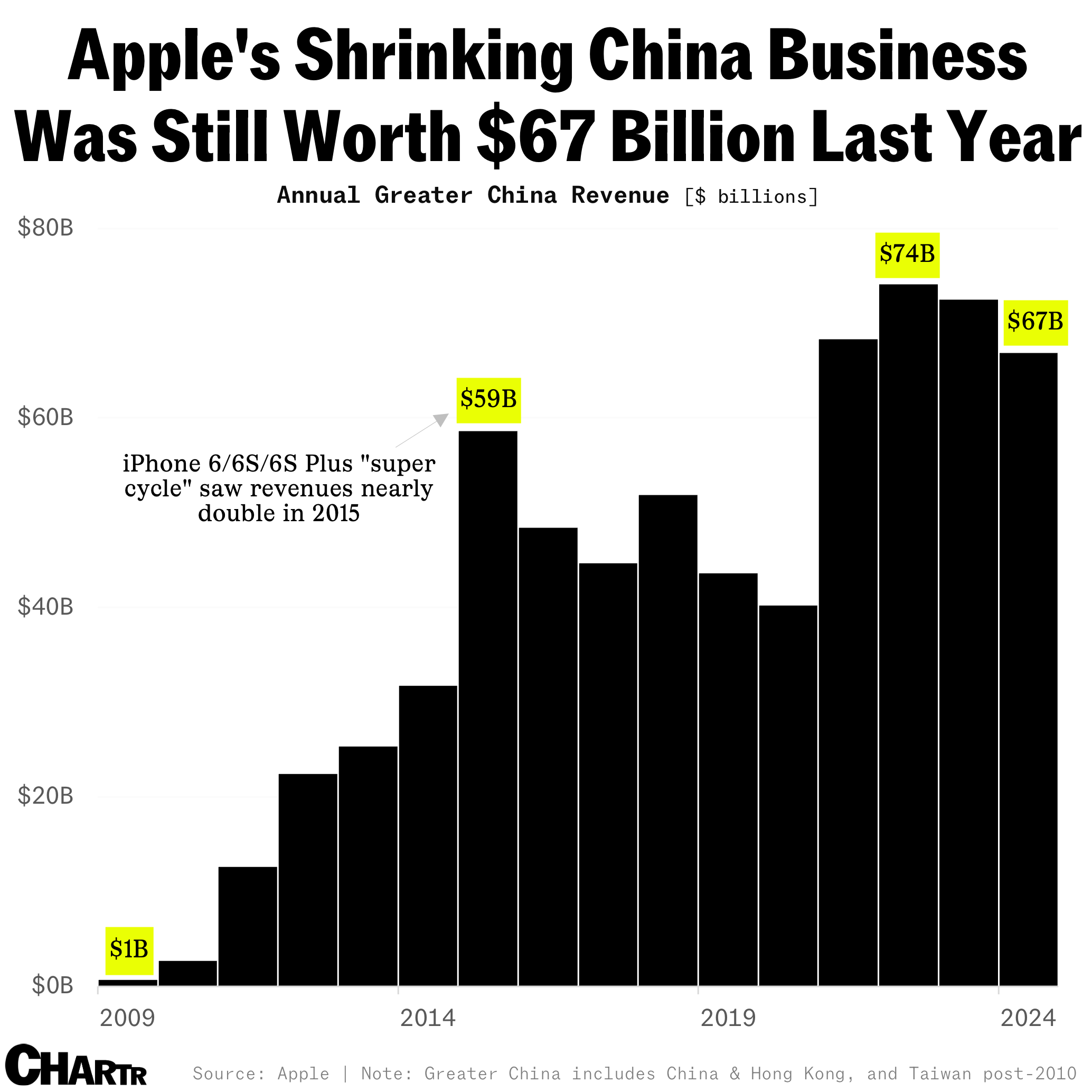
In 2023, Apple maintained a significant but increasingly challenged presence in China, navigating a complex landscape defined by shifting consumer sentiment, domestic competition, and evolving macroeconomic conditions. Despite these pressures, the company’s revenue streams remained anchored by the continued popularity of the iPhone, even as local smartphone manufacturers gained substantial ground in the premium device sector.
The Landscape of the Chinese Smartphone Market in 2023
The Chinese smartphone market in 2023 was characterized by a distinct trend: a transition from rapid, volume-driven growth toward a more mature, replacement-cycle economy. For Apple, this meant that its performance was tied less to first-time smartphone adopters and more to its ability to retain its high-end user base while enticing existing users to upgrade their hardware.
Data from industry analysts indicated that while the overall shipment volumes in China faced downward pressure, the premium segment—where Apple is the dominant player—remained relatively resilient. However, this resilience was tested throughout the year by the resurgence of domestic competitors, most notably Huawei, which introduced high-performance devices that resonated deeply with local consumer preferences and nationalistic sentiment.
Factors Influencing Apple’s Performance
Several macroeconomic and regulatory factors acted as the backdrop for Apple’s 2023 sales figures in the Greater China region. Understanding these is essential for evaluating why specific sales trajectories occurred during the fiscal year.
1. Competitive Pressure from Domestic Brands
The primary challenge for Apple in 2023 was the revitalized competitive environment. Companies like Huawei, Xiaomi, and Oppo sharpened their focus on high-end hardware, incorporating advanced camera systems, proprietary silicon, and optimized software that directly challenged the iPhone’s value proposition. The introduction of local devices with 5G capabilities—at competitive price points—offered consumers viable alternatives that were previously perceived as secondary to the iPhone experience.
2. Consumer Sentiment and Economic Headwinds
The Chinese economy experienced a period of moderate recovery in 2023, with consumer spending showing signs of caution. High-ticket items, including flagship smartphones, were subjected to closer scrutiny by buyers. While the Apple brand remained synonymous with status and reliability in China, the prevailing economic climate necessitated more aggressive promotional strategies by retailers to sustain the same levels of sell-through as in previous years.
3. Supply Chain Optimization
Throughout 2023, Apple continued to refine its supply chain logistics. While the company maintained extensive manufacturing operations within China, it also began to signal a broader strategy of geographical diversification. This evolution in the supply chain had little immediate impact on retail sales figures but represented a strategic shift in how Apple managed its operational risk within the region.
Market Segmentation and Consumer Behavior
Apple’s sales strategy in China relies heavily on the segmentation of its product lineup. In 2023, the distinction between the standard iPhone models and the "Pro" series was more pronounced than ever.
- The Pro Segment: The iPhone 15 Pro and Pro Max series served as the primary drivers of revenue for the latter half of the year. The adoption of titanium frames and improved processing capabilities allowed Apple to maintain a strong foothold in the "ultra-premium" market.
- The Mid-to-High Tier: The standard iPhone 15 models faced stiffer competition from domestic flagship devices. Many consumers in this tier opted to wait for seasonal discounts or trade-in incentives, which became a staple of Apple’s retail strategy on platforms like JD.com and Tmall.
Comparative Market Performance Table
The following table summarizes the market dynamics affecting Apple’s position during the 2023 fiscal year compared to its primary domestic competitors.
| Metric | Apple (iOS) | Domestic Flagships (Android) |
|---|---|---|
| Market Segment | Premium ($600+) | Mid-range to Premium |
| Loyalty Index | High retention rates | Competitive switching costs |
| Retail Strategy | Managed pricing, premium branding | Aggressive discounts, flash sales |
| Key Competitive Factor | Ecosystem integration | Camera tech, charging speed |
| Major 2023 Challenge | Market saturation, local sentiment | Brand perception in premium tier |
The Role of Ecosystem Lock-in
A critical factor that bolstered Apple’s sales in 2023 was the "walled garden" effect. Consumers who had already invested in the Apple ecosystem—including iPads, Macs, and Apple Watches—showed a higher propensity to stay within the iOS ecosystem when upgrading their phones. This ecosystem stickiness acted as a defensive moat against the increasing attractiveness of Android-based hardware from competitors.
The services segment, including iCloud and App Store revenue, also played an underlying role in maintaining the value of the Apple brand. By providing a consistent software experience that remained largely unaffected by the hardware-driven price wars of the Chinese smartphone market, Apple managed to keep its user base engaged even when the individual hardware sales faced headwinds.
Impact of Promotional Cycles and Distribution
In China, the timing of sales is heavily dictated by major shopping festivals, such as the 618 Shopping Festival and Singles' Day (11.11). In 2023, these periods became vital for Apple’s channel partners. Authorized resellers and third-party e-commerce platforms often employed significant price cuts during these windows to move inventory.
These tactical price adjustments are a departure from Apple’s traditional pricing model in Western markets but have become a standard, expected component of the company’s strategy in China. The ability to calibrate these discounts without significantly diluting brand prestige was a defining operational success for Apple's local management team throughout the year.
Frequently Asked Questions
Did Apple’s market share in China decline in 2023? While exact market share fluctuates quarterly, 2023 saw Apple facing increased competition that pressured its lead in the premium segment. While it remained a top-tier brand, the resurgence of local manufacturers led to a more fragmented market share compared to previous years.
How did the launch of the iPhone 15 series affect 2023 sales? The iPhone 15 series, launched in September 2023, provided a seasonal boost to sales. The shift toward the Pro models for higher-end consumers helped maintain average selling prices (ASP) despite broader market pressure, though initial demand was dampened by the availability of new domestic flagship alternatives.
What was the primary impact of local competition on Apple’s 2023 sales? The primary impact was a shortening of the "monopoly" Apple previously held over the high-end consumer. Domestic brands successfully eroded this lead by offering feature parity in areas like battery charging, display technology, and design, forcing Apple to rely more on brand equity and ecosystem loyalty.
Were there supply chain disruptions that affected 2023 sales? By 2023, supply chain disruptions related to global health events had largely normalized. The primary operational focus shifted to managing manufacturing capacity in response to fluctuating consumer demand rather than overcoming the extreme shortages witnessed in earlier years.
Is Apple still considered a growth leader in the Chinese smartphone market? Apple remains a dominant revenue leader in the premium tier, but in terms of unit growth, it moved toward a phase of stabilization. The focus shifted from rapid acquisition of new users to maximizing the value of the existing, highly loyal install base through upgrades and ecosystem services.
Strategic Outlook and Next Actions
For stakeholders and analysts observing the Apple-China dynamic, the key takeaway from 2023 is the shift toward a "sustained performance" model. Moving forward, Apple’s ability to remain relevant in the Chinese market depends on three core pillars: deepening the integration of its ecosystem to increase switching costs, navigating the geopolitical climate to maintain brand appeal, and maintaining a disciplined pricing strategy that balances premium status with the competitive realities of the Chinese e-commerce landscape.
Consumers interested in Apple hardware should continue to monitor authorized resale partners during major Chinese retail holidays, as these periods historically offer the most significant value for both new device purchases and trade-in programs. By leveraging these seasonal windows, users can mitigate the premium pricing typically associated with Apple's latest hardware while continuing to benefit from the platform's long-term software support.