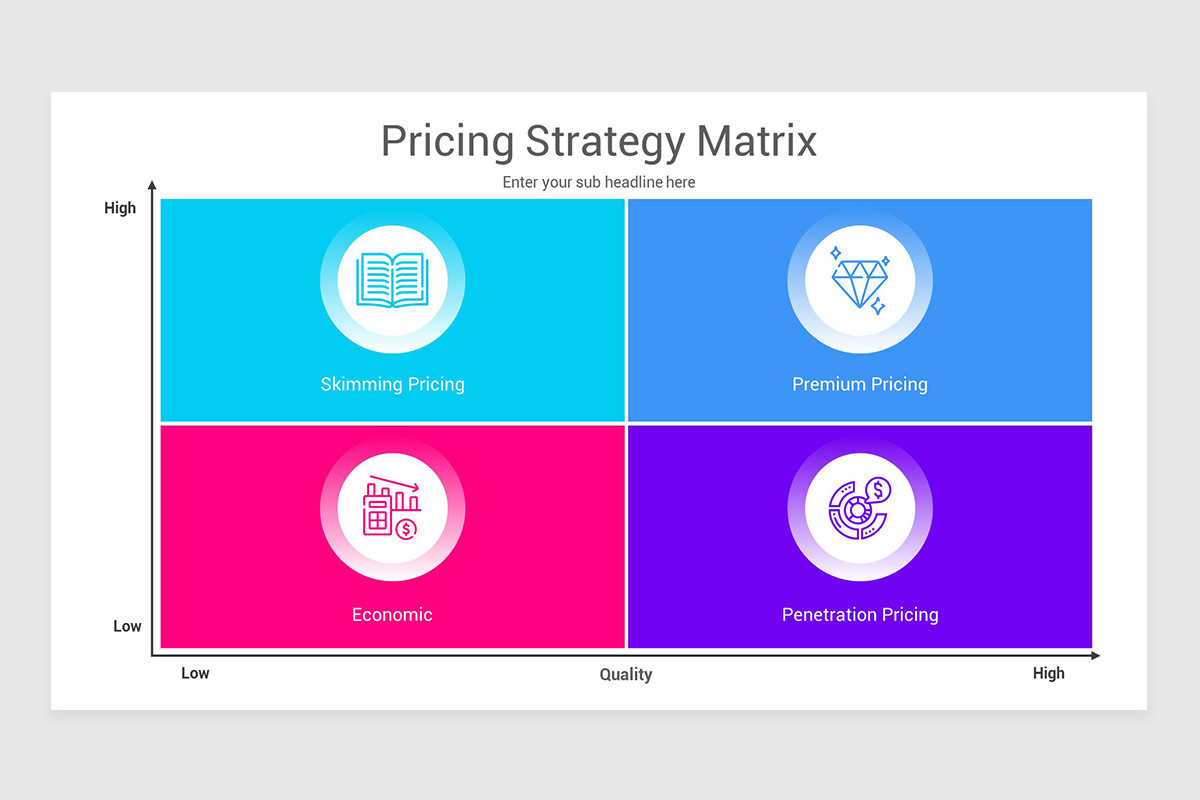
Apple’s premium pricing strategy is a foundational element of its market position, characterized by positioning its hardware and service ecosystem as high-value, aspirational assets rather than commodities. By maintaining elevated price points, the company avoids price-based competition, protects its profit margins, and reinforces the perception of superior quality, innovation, and social status that defines the brand in the 2026 consumer electronics landscape.
The Philosophy Behind Premium Positioning
At the core of Apple’s market approach is the rejection of the "race to the bottom." While many competitors in the smartphone and computing sectors engage in aggressive discounting to capture market share, Apple maintains a consistent pricing floor. This strategy is predicated on the concept of value-based pricing, where the cost is tied not to the bill of materials (BOM), but to the perceived utility, user experience, and status associated with the product.
By charging a premium, Apple signals that its products belong in a distinct category of craftsmanship. This is not merely an exercise in high margins; it is a signal to the consumer that the software integration, hardware build quality, and privacy standards warrant a higher investment. This consistency prevents the brand from being "devalued" through frequent sales, which keeps resale values high and encourages long-term brand loyalty.
Market Segmentation and Product Tiers
Apple effectively utilizes a tiered pricing architecture to maximize its Total Addressable Market (TAM) while still maintaining its premium image. In 2026, the company continues to segment its offerings into entry-level, mid-range, and "Pro" or "Ultra" tiers.
- Entry-Level Anchors: Products like the base-model iPad or previous-generation iPhone models serve as an entry point. These are strategically priced to make the Apple ecosystem accessible to a broader demographic without cheapening the flagship lines.
- Flagship Standards: The core iPhone and MacBook Air lineups occupy the "aspirational" middle ground, providing the quintessential Apple experience at a price point that signifies reliability and performance.
- Pro/Max/Ultra Tiers: These products utilize price discrimination to capture consumer surplus from power users, creative professionals, and brand enthusiasts. By introducing advanced features—such as specialized camera systems, higher refresh rate displays, or high-performance silicon—Apple justifies significant price leaps.
This strategy ensures that while the "premium" label applies to the brand overall, the pricing is structured enough to capture both budget-conscious users and those willing to pay a significant premium for the absolute latest technology.
The Role of Ecosystem Integration
The pricing strategy is inextricably linked to Apple’s "walled garden" ecosystem. Unlike companies that sell standalone hardware, Apple sells an integrated experience. The costs associated with iCloud, iMessage, AirDrop, and seamless handoff between devices act as a barrier to exit.
When a customer considers the "price" of an Apple device, they are increasingly factoring in the lifetime value of the services attached to it. Because the hardware is designed to interact perfectly with Apple TV+, Apple Music, and iCloud storage, the consumer perceives the higher upfront cost as an investment in a functioning digital environment. This lock-in effect mitigates price sensitivity because the cost of switching away from the Apple ecosystem is significantly higher than the price difference between an Apple device and a competitor’s equivalent.
Comparison of Pricing Models: Commodity vs. Premium
To understand the impact of Apple's strategy, it is helpful to compare it against the dominant models seen in the broader technology sector.
| Feature | Commodity/Market-Driven Strategy | Apple Premium Strategy |
|---|---|---|
| Pricing Driver | Production costs and market competition | Value-based and brand equity |
| Discounting | Frequent, aggressive, seasonal | Minimal, usually via legacy model price drops |
| Resale Value | Rapid depreciation | High retention of market value |
| Marketing Focus | Price-to-spec ratio (RAM, storage, specs) | User experience, privacy, and ecosystem |
| Target Audience | Broad, price-sensitive consumers | Premium, loyalty-oriented consumers |
Profit Margin Maintenance and Scalability
Apple’s financial performance is a direct result of its ability to maintain high margins even as the market for mobile devices matures. By refusing to engage in price wars, Apple stabilizes its revenue streams. This financial stability allows the company to reinvest significantly more into Research and Development (R&D) than its competitors.
This creates a self-reinforcing cycle: high margins fund superior R&D, which leads to proprietary features (like the Apple Silicon M-series chips), which in turn justify the high prices, further protecting the margins. In 2026, this cycle remains the primary engine for the company's sustained profitability in a saturated global market.
Psychological Pricing and Consumer Behavior
Beyond the raw numbers, Apple employs sophisticated psychological pricing tactics. By rarely using "99-cent" pricing for its flagship hardware, the company avoids the appearance of being a "budget" retailer. Instead, the focus is on clean, professional, and confident pricing architecture.
Furthermore, the company leverages trade-in programs to lower the "barrier to entry" psychologically. By allowing customers to trade in a two- or three-year-old device, Apple effectively hides the true cost of an upgrade. A consumer may see a $1,200 price tag, but after a $400 trade-in credit, the perceived "cost of ownership" drops to $800. This clever financial engineering keeps users locked into a biannual or triennial upgrade cycle, effectively turning a luxury purchase into a manageable subscription-like expense.
Challenges and External Pressures
Despite its success, the premium strategy faces significant challenges in 2026. The primary threat is the rapid advancement of mid-range hardware from global competitors. When a smartphone at half the price of an iPhone provides 90% of the same functionality, the "premium" value proposition is tested.
Additionally, macroeconomic fluctuations, changing regulatory environments regarding app stores and "walled garden" practices, and increased consumer scrutiny of hardware longevity (the "right to repair" movement) have forced Apple to adjust its messaging. The company now emphasizes sustainability and long-term software support as part of its justification for premium pricing, arguing that an Apple device is a better investment because it lasts longer than a cheaper alternative.
Frequently Asked Questions
Why does Apple rarely offer discounts on its latest products? Apple maintains fixed pricing to protect its brand image and the perceived value of its products. Discounts devalue the brand and create "wait-to-buy" behavior among consumers, which can disrupt supply chain predictability. By keeping prices stable, Apple ensures that a purchase at any time is perceived as a fair deal.
Does Apple's pricing strategy alienate budget-conscious consumers? While premium pricing is exclusionary by nature, Apple mitigates this by keeping older generations of products in the lineup at lower price points and offering financing options. This allows the company to maintain a premium brand image at the top while still capturing the lower end of the market.
How does Apple justify the high prices of its Pro-series hardware? The Pro-series is targeted at professionals and enthusiasts who require specialized performance. Apple justifies these prices through tangible hardware advancements, such as exclusive chip architectures, professional-grade camera sensors, and display technologies that are not available in standard models.
Is Apple’s premium pricing sustainable as hardware reaches "peak" innovation? As hardware innovation plateaus, Apple has pivoted to software and services. The strategy has shifted from selling a "phone" to selling a "service platform." The high cost of hardware is now viewed as the entry fee to a massive, integrated library of services, which continues to drive value for the user regardless of hardware specs.
Practical Recommendations for Market Analysts
For those observing the market in 2026, the key to tracking Apple’s strategy is not to look at the MSRP of individual devices, but rather to monitor the "blended" average selling price (ASP) across their entire ecosystem.
- Monitor Trade-in Incentives: Look for shifts in how Apple incentivizes trade-ins. An increase in trade-in values usually signals a desire to move new units without publicly lowering the sticker price.
- Evaluate Ecosystem Growth: The true health of the premium strategy is found in the number of paid subscriptions per device. If service revenue increases while hardware growth stalls, the premium pricing strategy is successfully transitioning to a service-based model.
- Assess Secondary Market Performance: Track the resale value of two-year-old Apple hardware. If resale values drop, it suggests the market is becoming more price-sensitive, which could force a change in the company's future pricing tiers.
By focusing on the integration of hardware and software, maintaining a clear tiered product structure, and utilizing psychological buffers like trade-ins, Apple continues to demonstrate that a premium pricing strategy, when executed with brand discipline, remains a potent tool for long-term market dominance.