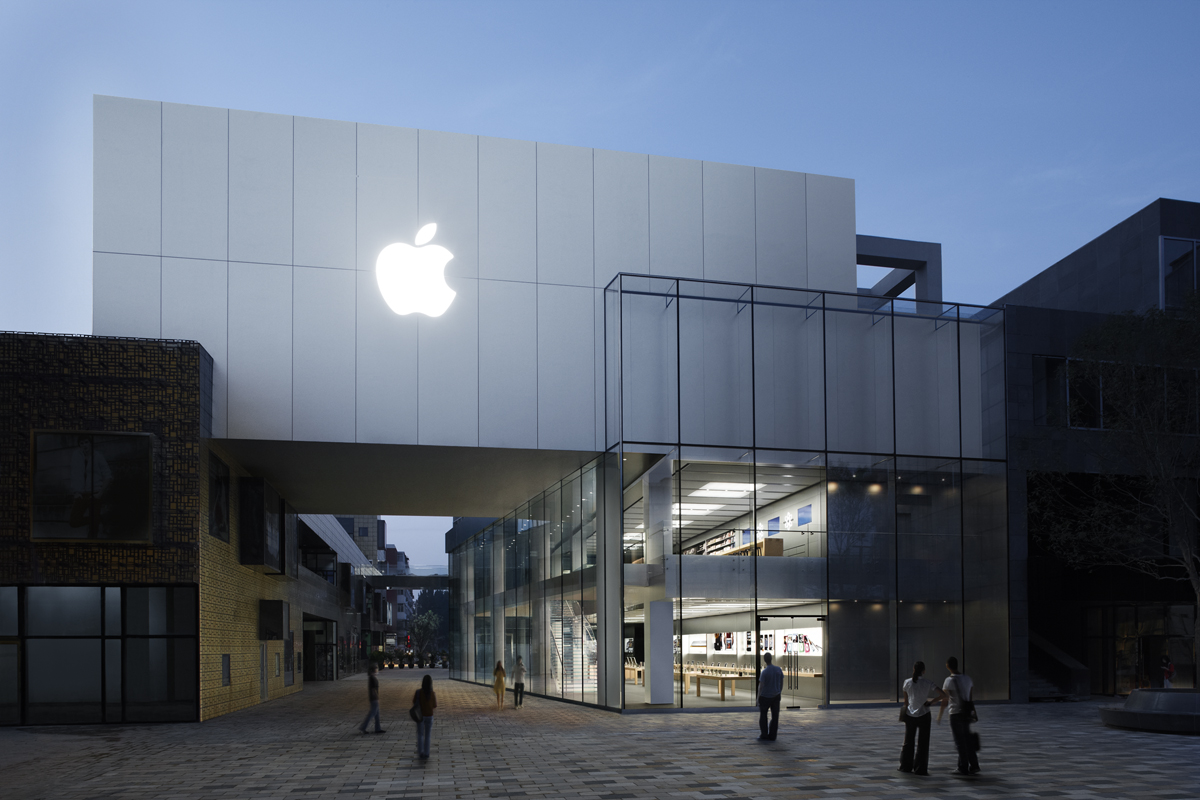
Apple Stores in South Korea serve as official hubs for hardware sales, technical support, and community engagement. As of 2026, the company operates a network of physical locations across the country, primarily concentrated in the Seoul Metropolitan Area, providing a uniform, high-standard retail experience that integrates the Genius Bar, Today at Apple sessions, and comprehensive product demonstrations for the local market.
The Evolution of Apple’s Retail Presence in Korea
Apple’s entry into the Korean retail market was a significant strategic shift for the brand. For years, the company relied exclusively on third-party retailers and authorized service providers to distribute its products and handle repairs. This changed in January 2018 with the opening of Apple Garosugil, the company’s first flagship retail store in the heart of Seoul’s fashion district.
The establishment of this location marked a commitment to providing the same direct-to-consumer experience found in major global cities like New York, London, and Tokyo. Following the success of the initial store, Apple aggressively expanded its footprint. By 2026, the retail network has grown to include several strategic locations, each designed to mirror Apple's global architectural standards—characterized by large glass facades, open floor plans, and natural materials—while being tailored to the unique urban density of the Korean market.
Geographical Distribution and Key Locations
The majority of Apple Stores are located within the Seoul Metropolitan Area, catering to the high concentration of technology-savvy consumers in the capital. These stores act as primary touchpoints for the ecosystem, including the iPhone, iPad, Mac, Apple Watch, and various wearable accessories.
- Apple Garosugil: Located in Gangnam, this remains a landmark location. It serves as the primary hub for major product launches and community-led events.
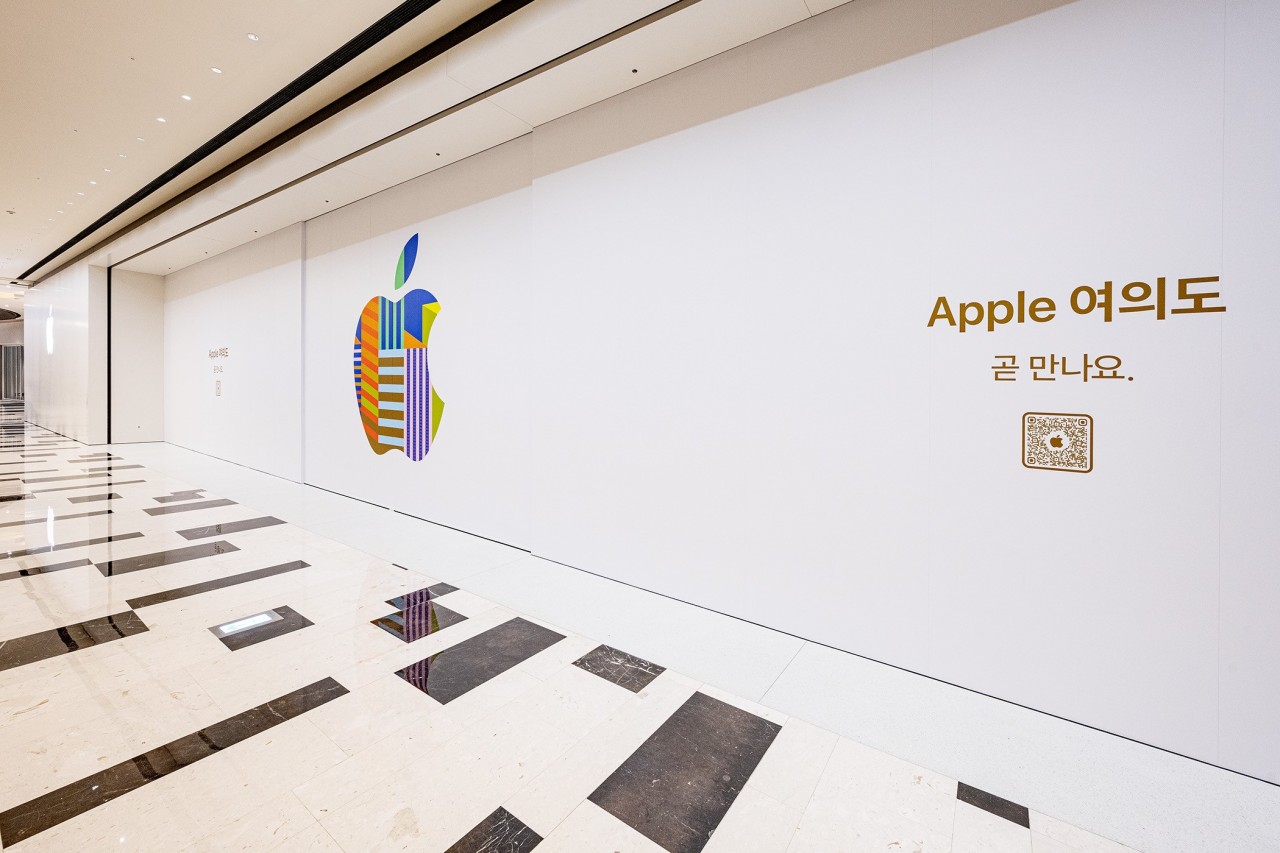
- Apple Yeouido: Positioned in a major financial district, this store caters to business professionals and local residents.
- Apple Myeongdong: Situated in the heart of the city’s historic shopping district, this store occupies a significant footprint, offering a large space for workshops and product displays.
- Apple Jamsil: Located near a massive shopping and entertainment complex, this site focuses on high-volume foot traffic and consumer accessibility.
- Apple Gangnam: This location further solidifies Apple’s presence in the affluent Gangnam area, focusing on high-end service and personalized shopping experiences.
- Apple Hanam: Located outside the central city, this store serves the expanding residential developments in the Gyeonggi province, reflecting Apple’s strategy to reach beyond the city center.
Core Services and Operational Standards
Every Apple Store in Korea operates under the company’s global service guidelines, ensuring that visitors receive consistent assistance regardless of the specific location. These services are vital for maintaining the loyalty of the local customer base, which is accustomed to high-speed digital services and rapid technical support.
The Genius Bar and Technical Support
The cornerstone of Apple’s retail operation is the Genius Bar. In Korea, customers can schedule appointments via the official Apple website or the Apple Support app. The service covers hardware diagnostics, battery replacements, screen repairs, and software troubleshooting for all Apple products. Because official retail stores are staffed by certified technicians using authentic Apple parts, they are the preferred destination for customers seeking reliable repairs that preserve official warranty status.
Today at Apple
These retail locations also host "Today at Apple" sessions. These are free educational workshops that teach visitors how to use their devices more effectively. Topics range from introductory photography using the iPhone and digital drawing on the iPad to coding sessions for children and professional workflows on the Mac. These sessions are conducted in Korean and reflect Apple's effort to integrate their products into the daily creative workflows of the local population.
Comparison of Service Channels in Korea
Navigating the Apple ecosystem in Korea involves choosing between various support channels. Understanding the distinction between an official Apple Store and an Authorized Service Provider (ASP) is essential for effective issue resolution.
| Service Channel | Primary Focus | Availability | Best For |
|---|---|---|---|
| Apple Retail Store | Full Sales & Service | Appointment Required | Complex repairs, hands-on demos, workshops |
| Authorized Service Provider | Repairs & Warranty | Walk-in/Appointment | Hardware repairs in areas without a flagship store |
| Official Online Store | Direct Purchase | 24/7 Access | Standard delivery, custom configurations |
| Third-Party Retailers | Sales Only | Variable | Price promotions and bundle deals |
Navigating Procurement and Repairs
When visiting an Apple Store in Korea, it is important to understand the documentation requirements. For hardware repairs, you must have a valid government-issued ID. If the device is still under the standard one-year limited warranty or covered by AppleCare+, you should bring your proof of purchase, although the serial number in Apple’s system is often sufficient to verify coverage.
For shoppers looking to purchase hardware, all Korean Apple Stores accept major international credit cards and local payment methods such as Apple Pay, which has seen significant integration within the local retail sector. Note that products purchased at an official Apple Store in Korea are subject to local tax regulations and return policies that may differ from those in other jurisdictions. Always review the specific return window—usually 14 days for items in like-new condition—at the point of sale.
Common Troubleshooting and FAQ
1. Do I need an appointment to visit an Apple Store in Korea? While you are welcome to browse the store and test products without an appointment, booking one is strongly recommended for technical support. If you arrive without an appointment at the Genius Bar, you may face long wait times or be unable to receive service that day.
2. Are the prices in Apple Stores fixed? Yes, Apple retail stores maintain uniform pricing. Unlike independent electronics retailers, Apple Stores do not offer haggling or localized discounts. Prices are consistent across all official channels, including the Apple Online Store.
3. Can I get support for a device bought in another country? Yes, Apple offers global support, but specific repairs may depend on parts availability. If you are traveling in Korea with an iPhone bought elsewhere, the store will attempt to repair it, but the compatibility of parts (such as specific regional hardware components) should be verified with the staff beforehand.
4. Is Apple Pay available at all Korean Apple Stores? Yes, all physical Apple Store locations in Korea support Apple Pay and standard NFC contactless payments, providing a seamless checkout experience for customers.
5. How can I verify if a store is an official Apple Store? An official Apple Store will be listed on the official Apple website under the "Find a Store" section. If the location is not listed there, it is likely an authorized reseller or a third-party service provider, which operates under different management and service policies.
Expert Guidance for the Best Experience
To optimize your experience at an Apple Store in Korea, always utilize the official Apple Support portal to book your slot at least 24 to 48 hours in advance, particularly on weekends when traffic is at its peak. If you are planning to purchase a Mac with custom specifications, it is often more efficient to order online for home delivery, as in-store stock is generally limited to standard configurations.
Furthermore, ensure that your Apple ID is accessible and that you have a recent backup of your device via iCloud or a computer before heading to the store for repairs. Technicians will almost always require the "Find My" feature to be disabled on an iPhone or iPad before they can initiate a physical repair. Taking these steps before your visit will significantly reduce the time spent on administrative tasks, allowing you to focus on resolving your technical requirements or exploring the latest product releases.