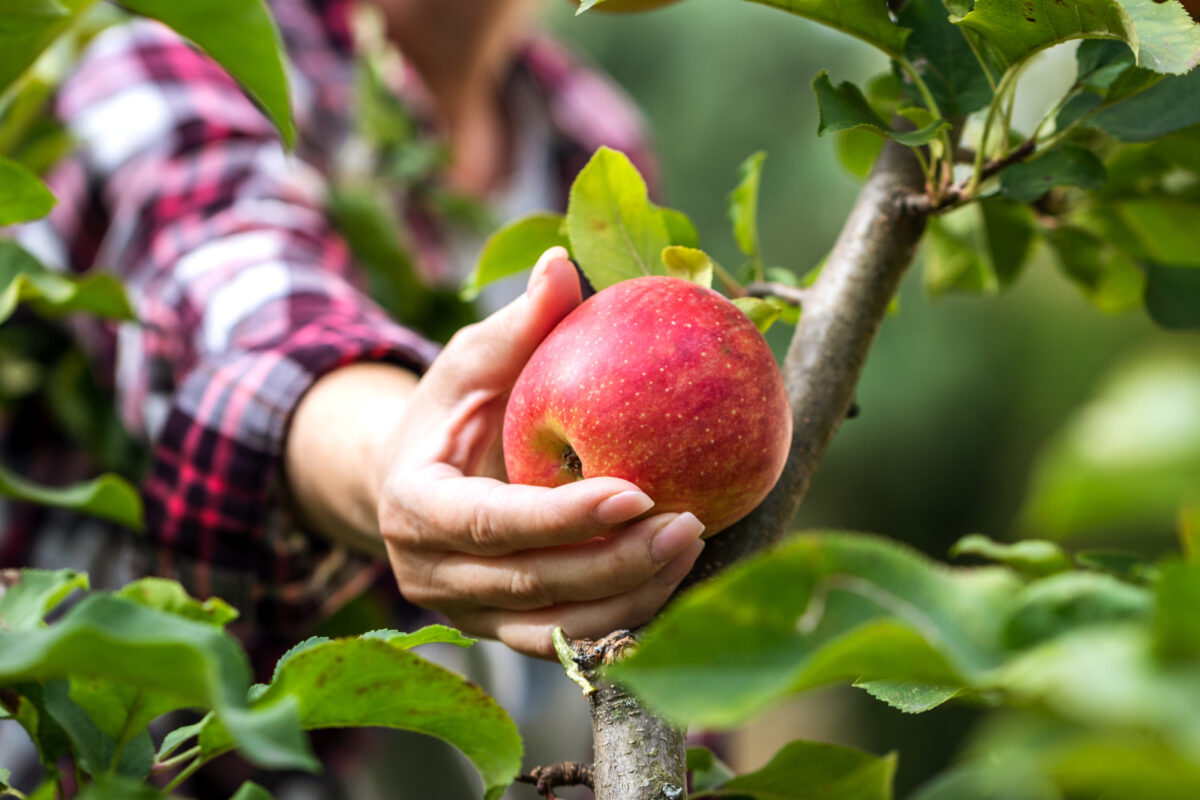
Planning a family trip for apple picking in Leominster provides a quintessential New England experience, blending outdoor recreation with local agriculture. Families can access several orchards located in and around the Leominster area that offer pick-your-own (PYO) experiences, farm stores, and educational opportunities regarding local apple production and harvest techniques.
Understanding the Apple Picking Season in North Central Massachusetts
The apple harvest in Leominster and the surrounding Worcester County region typically spans from late August through late October. Because the timing of the harvest is dependent on spring frost dates, summer rainfall, and heat accumulation, the availability of specific apple varieties changes week by week.
In late August, early-season varieties such as Ginger Gold or Paula Red are typically ready for harvest. By mid-September, the quintessential autumn favorites like McIntosh and Cortland begin to ripen. The season generally concludes in mid-to-late October with late-harvest varieties such as Golden Delicious or Fuji. Families planning their excursion should prioritize visiting in mid-September to early October, as this window usually offers the highest volume of varieties and the most comfortable weather for children.
Selecting the Right Orchard for Your Family
When evaluating where to go, consider the specific amenities each orchard provides. While some locations focus strictly on the harvesting experience, others function as comprehensive agritourism destinations.
Key factors to evaluate include:
- Accessibility: Check if the orchard offers tractor-pulled hayrides to the trees or if the rows are easily accessible by foot for younger children or strollers.
- Amenities: Look for on-site farm stores that sell fresh apple cider, cider donuts, and other local produce. Restroom facilities are a critical logistical factor for families with small children.
- Variety and Height: Some orchards focus on high-density dwarf trees, which are significantly easier for small children to reach without needing a ladder or adult assistance.
- Additional Activities: Many family-oriented orchards in the region supplement picking with petting zoos, corn mazes, or picnic areas.
Comparing Orchard Features
| Feature | Family-Friendly Focus | Essential Considerations |
|---|---|---|
| Tree Height | Dwarf trees (easier for kids) | Verify if ladders are prohibited |
| Activities | Mazes, animals, hayrides | May require separate admission fees |
| Food Options | Cider, donuts, baked goods | Check for allergy-conscious labeling |
| Parking | Proximity to picking areas | Peak weekends may require arrival early |
Essential Preparation and Logistics
To ensure a successful visit, families should treat their outing as a half-day excursion. Preparation begins with verifying the current status of the orchard. Always check the official website or social media channels of the farm on the morning of your planned trip. Weather patterns or high visitor traffic can sometimes force an orchard to close a specific block of trees earlier than expected to preserve the crop for the following weekend.
Recommended Packing List
- Footwear: Wear sturdy, closed-toe shoes. Orchard floors can be uneven, muddy after rain, or covered in dropped fruit, which can be slippery.
- Sun Protection: Even in autumn, the sun can be intense. Hats and sunscreen remain necessary.
- Storage: Most orchards provide picking bags or baskets, but bringing your own reusable shopping bags for the car ride home can help protect the fruit from bruising.
- Hydration: While many farms sell cider, carrying water bottles is a practical necessity for active children.
Best Practices for Harvesting Apples
Teaching children how to pick apples correctly ensures they do not damage the tree for future seasons. The standard method for picking an apple is the "twist and lift" technique. An apple is ready to be harvested when it can be easily removed from the branch with a gentle upward twist. If you have to yank or pull forcefully, the fruit is likely not fully ripe.
Avoid shaking the branches or climbing the trees, as these actions damage the spurs where next year’s blossoms will form. Additionally, discuss the importance of leaving fallen fruit on the ground, as these are often meant for local wildlife or to return nutrients to the soil.
Managing Dietary Needs and Food Safety
Apple picking is generally a safe activity, but it involves interacting with an agricultural environment. Be aware that bees and wasps are often attracted to the scent of ripening fruit, especially those that have fallen and begun to ferment on the ground. If any family members have severe insect allergies, ensure you have appropriate emergency medication readily available and kept in a secure, climate-controlled environment.
Regarding consumption, most orchards emphasize that picked fruit should be washed thoroughly at home. While some farms use integrated pest management (IPM) to reduce chemical use, conventional farming practices mean fruit surfaces may contain dust, debris, or natural residues.
Beyond the Orchard: Maximizing the Experience
To extract the most value from a trip to Leominster, consider the local agricultural context. North Central Massachusetts has a rich history of apple cultivation. Many orchards in the region operate as family-owned businesses that have been active for generations. Engaging with staff at the farm store can provide deeper insight into how different apples are best used—whether for fresh eating, baking pies, or making sauce.
If you find yourself with an abundance of apples, consider the following preservation techniques:
- Refrigeration: Apples stay crisp longest when stored in a cool, dark environment. A refrigerator drawer is ideal.
- Freezing: Sliced apples can be frozen for later use in baking. Toss them in a bit of lemon juice to prevent browning.
- Preserves: Making apple butter or applesauce is a popular way to process large volumes of fruit quickly.
Frequently Asked Questions
What is the best time of day to go apple picking in Leominster?
The best time is early morning, right when the orchard opens. Not only is the weather cooler, but the crowds are significantly smaller, allowing for a more relaxed pace. This is especially beneficial for families with toddlers who may struggle with wait times in lines for hayrides or checkout.
Are dogs allowed in Leominster orchards?
Policies vary significantly by location. Many orchards prohibit pets in the growing fields for food safety and sanitary reasons. Always consult the specific farm’s website before loading your pet into the car to avoid being turned away at the gate.
Is there an admission fee to enter the orchard?
Some orchards charge a flat entry fee per person or per vehicle, which may or may not be credited toward the purchase of a bag of apples. Other farms have free entry and simply charge by the pound for what you pick. Check the farm’s website to understand their specific pricing structure.
What should I do if the apples are too high for my child?
Do not attempt to lift children into the trees or use equipment not sanctioned by the farm. Look for sections of the orchard labeled as "dwarf" or "young" trees. If no low-hanging fruit is available, speak to an orchard staff member; they can often direct you to a specific area of the farm that is better suited for younger visitors.
Do I need to bring my own containers for the apples?
Most, but not all, orchards require you to use their provided picking bags or baskets. This ensures that the quantity is measured correctly at checkout. Always check the orchard’s website for their specific policy on using personal containers before you arrive.
Recommended Next Steps
Before departing, create a shortlist of two or three orchards in the Leominster area. Check their websites for current harvest reports to see which varieties are available on the weekend you plan to visit. Once you have confirmed your destination, plan your route to arrive during their morning opening hours to ensure the best experience and the most accessible parking for your family.