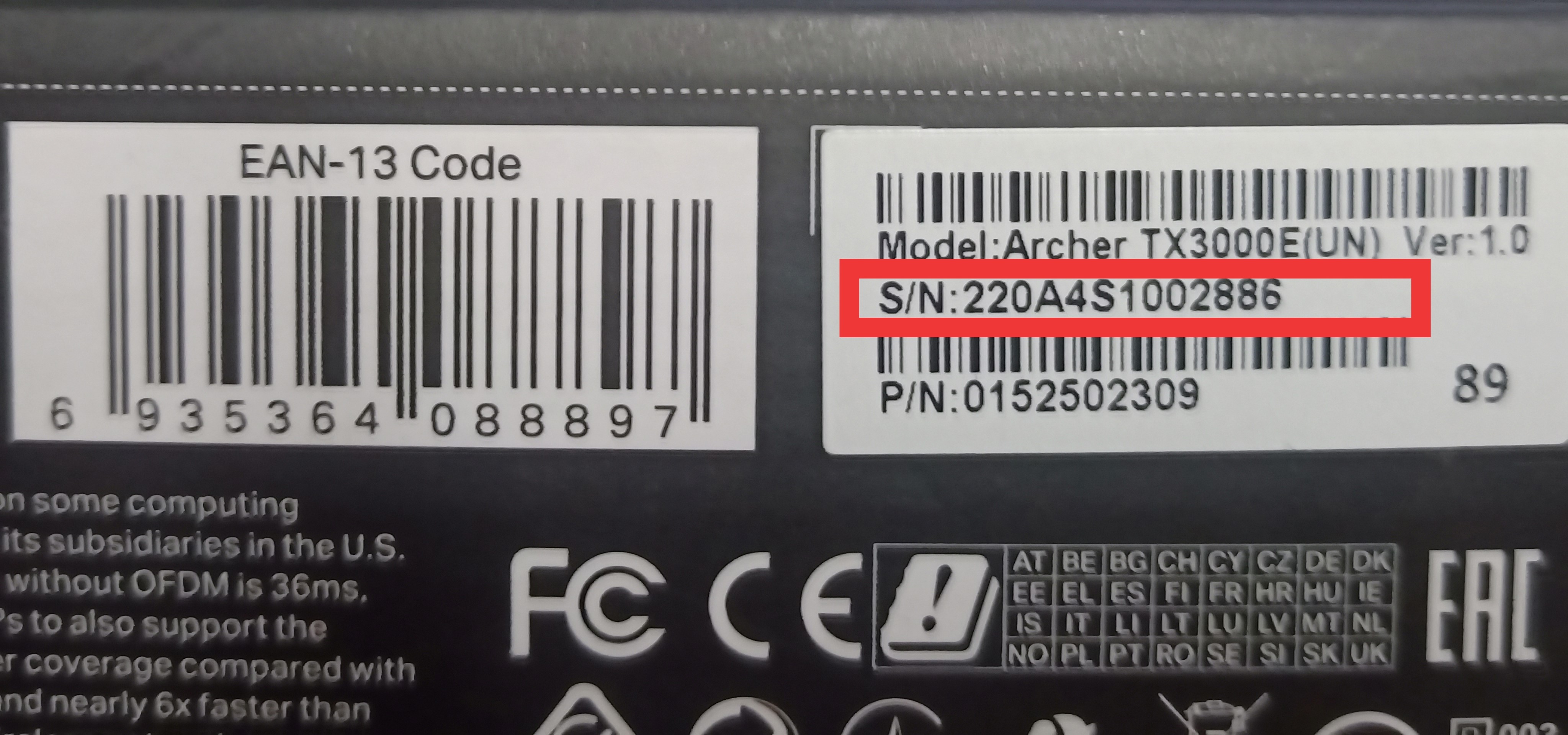
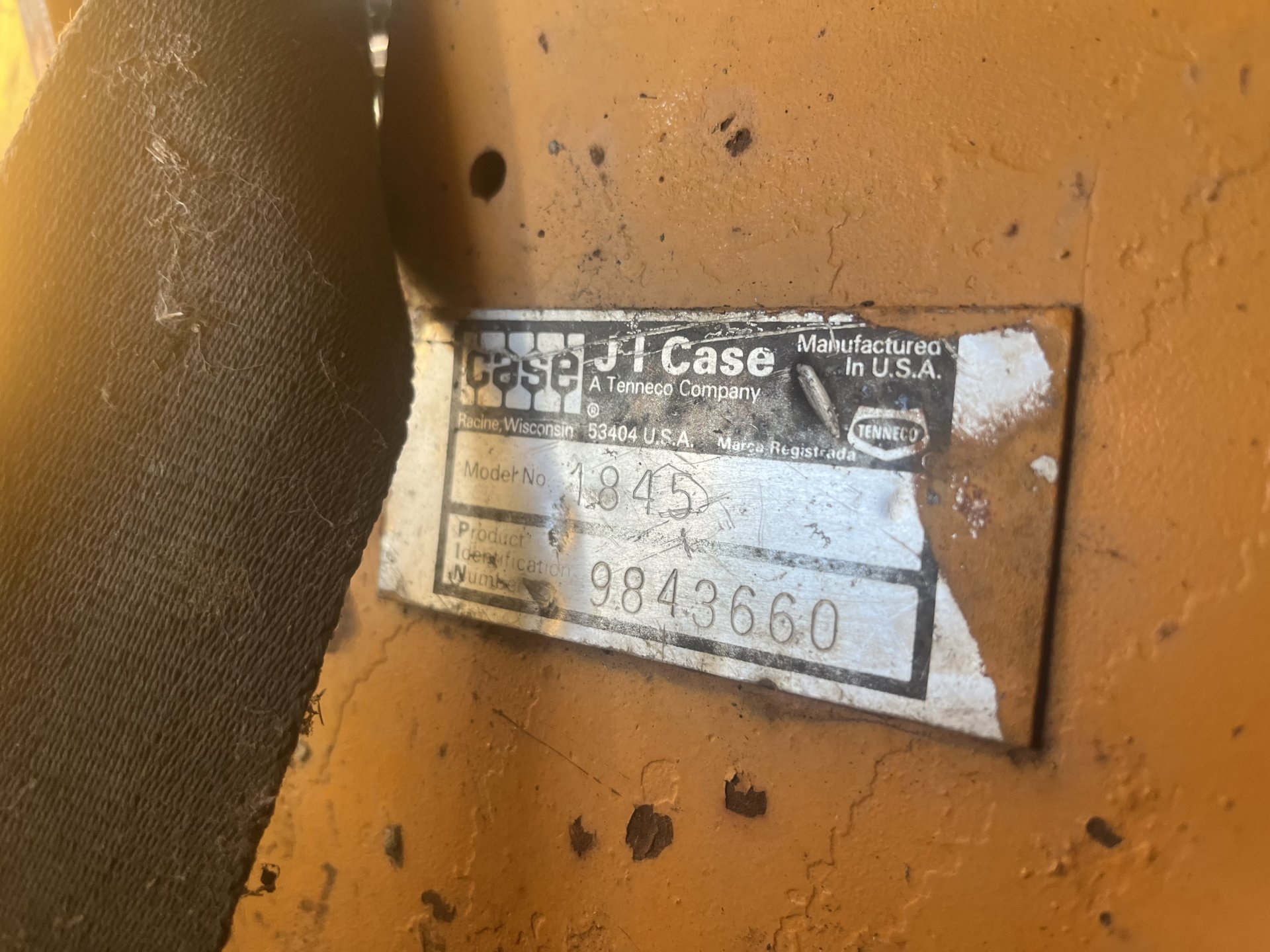
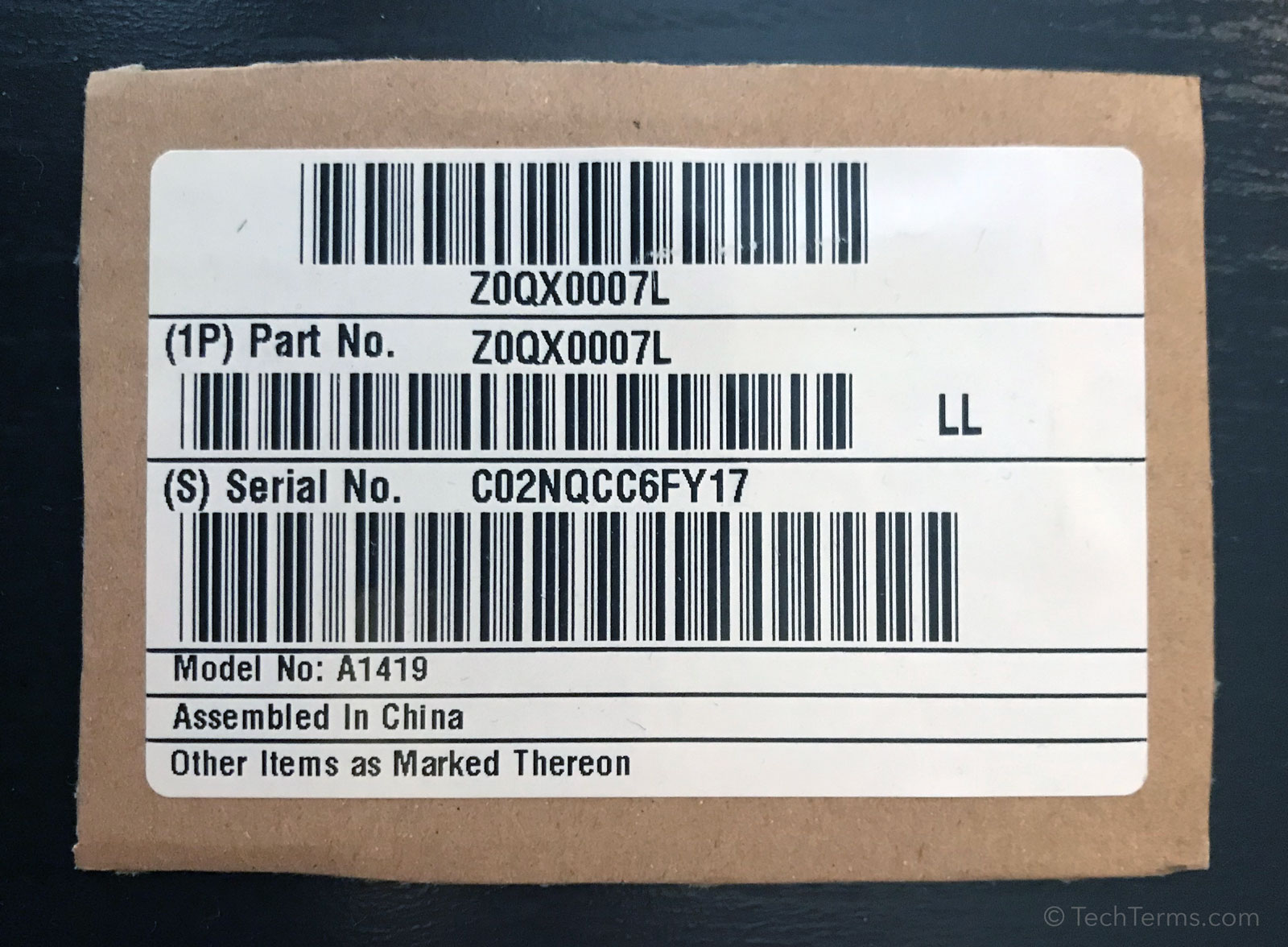
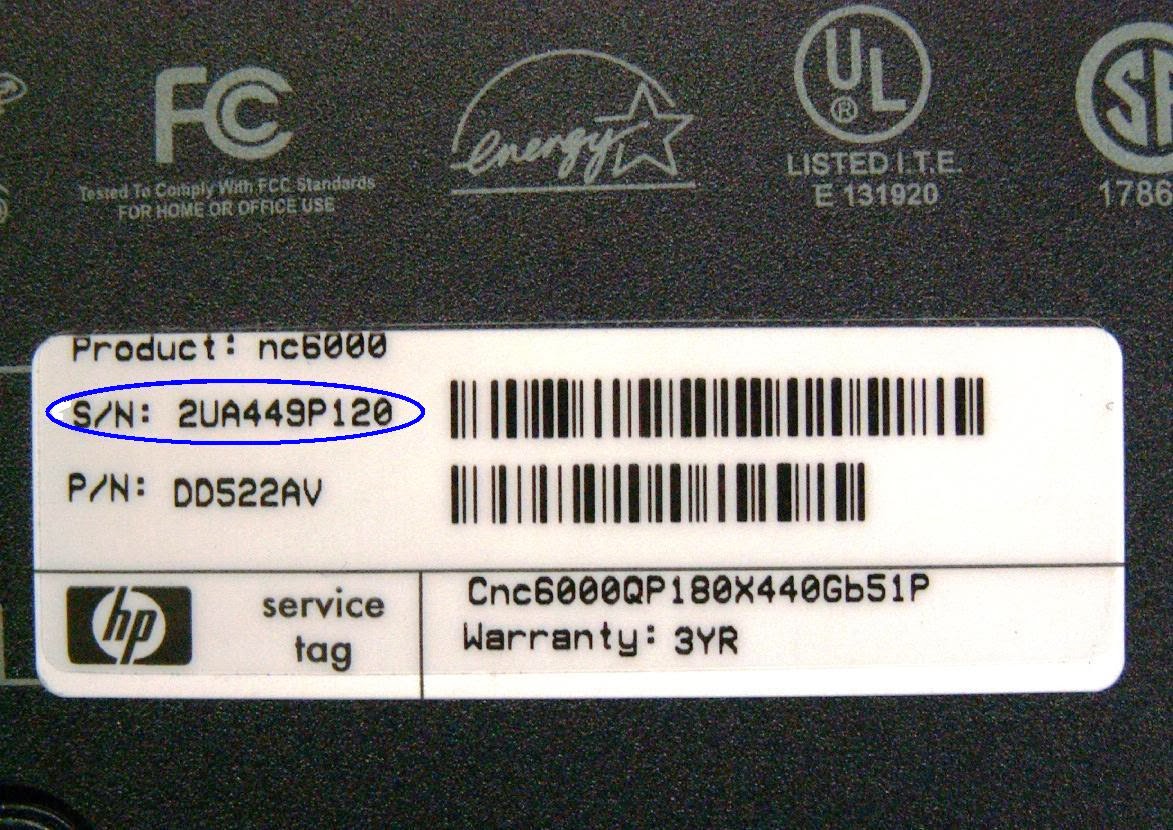
A serial number in practice is a unique alphanumeric identifier assigned to a single unit of a product to distinguish it from identical units. For example, in the automotive industry, a 17-character Vehicle Identification Number (VIN) serves as a serial number that tracks a car’s specific manufacturing history, warranty claims, and ownership records.
While consumers often interact with serial numbers during product registration or tech support calls, these strings of data are the backbone of global supply chains, regulatory compliance, and anti-counterfeiting measures. As of 2026, the transition toward intelligent serialization—utilizing 2D barcodes and blockchain-linked identifiers—has further transformed how businesses and consumers verify the authenticity and provenance of goods.
The Technical Anatomy of a Serial Number
To understand a serial number in practice, one must first distinguish it from other identifiers like a SKU (Stock Keeping Unit) or a GTIN (Global Trade Item Number). While a SKU identifies a specific type of product (e.g., all "Midnight Black iPhone 15s"), the serial number identifies the individual device in your hand.
Sequential vs. Randomized Serialization
Historically, manufacturers used sequential serial numbers (e.g., 001, 002, 003). While easy to manage, this approach allows competitors to estimate production volumes and makes it easier for counterfeiters to guess valid numbers.
In modern practice, particularly within high-end electronics and pharmaceuticals, randomized serialization is the standard. By using complex algorithms to generate non-sequential strings, companies protect proprietary production data and enhance security. For instance, Apple transitioned to randomized 10-to-12 character serial numbers for its hardware in early 2021 to prevent the extraction of manufacturing dates and location codes from the string itself.
Alphanumeric Formatting and Character Logic
Most serial numbers utilize a mix of uppercase letters and numbers. To prevent human error, many systems exclude "O" (often confused with zero) and "I" (confused with the number one). In 2026, many enterprise resource planning (ERP) systems mandate the use of the GS1-128 standard, which uses application identifiers (AIs) to denote that a specific string of text following a barcode is indeed a serial number (identified by the prefix "21").
Automotive Practice: The Vehicle Identification Number (VIN)
The most ubiquitous example of a serial number in practice is the VIN. Regulated by the ISO 3779 standard, the VIN is a 17-character string that provides a granular "DNA profile" of a vehicle.
Breakout of a Standard VIN
- World Manufacturer Identifier (WMI): The first three characters identify the country of origin and the manufacturer.
- Vehicle Descriptor Section (VDS): Characters four through nine describe the vehicle type, engine model, and body style.
- Vehicle Identifier Section (VIS): The final eight characters are the actual serial portion. This includes the model year, the specific plant of manufacture, and the unique production sequence number.
In 2026, the VIN remains the primary tool for managing massive safety recalls. If a specific batch of airbags is found to be defective, the manufacturer does not need to recall every car of that model; they use the serial numbers (VIS) to identify exactly which units were on the assembly line during the period the faulty parts were installed.
Consumer Electronics: Warranty and Theft Prevention
In the electronics sector, serial numbers are the primary bridge between the physical hardware and digital services. When you purchase a laptop or smartphone, the serial number is linked to your sales receipt in the retailer's database.
Warranty Verification
Serial numbers allow manufacturers to offer "limited warranties" that stay with the device rather than the owner. By entering a serial number into a support portal, a technician can instantly see:
- The exact date the device was first activated.
- The hardware configuration (CPU, RAM, Storage).
- Whether the device has been reported as stolen.
- Previous repair history at authorized service centers.
Theft and Activation Locks
With the rise of "Find My" technologies and remote locking, serial numbers serve as the unique "key" in the cloud. If a device is stolen, the owner can flag that specific serial number as "Lost." Even if the device is factory reset, the hardware's unique identifier will check in with the manufacturer’s servers upon the next internet connection, rendering it unusable for the thief.
Pharmaceutical Serialization: The DSCSA Standard
Perhaps the most critical use of serial numbers in 2026 is in the pharmaceutical industry. Under the Drug Supply Chain Security Act (DSCSA) in the United States and similar regulations globally, every individual bottle of prescription medication must have a unique serial number.
Preventing Counterfeit Entry
Counterfeit drugs are a multi-billion-dollar illegal industry. To combat this, pharmacies now use "point-of-dispense" verification. When a pharmacist scans a 2D Data Matrix code on a bottle, the system checks the serial number against a national database. If that specific number has already been "marked as sold" in another state, or if the number does not exist in the manufacturer’s records, the system triggers an immediate alert.
This level of serialization allows for "track and trace" capabilities where the movement of a single bottle can be followed from the factory floor, through the wholesaler, to the retail pharmacy.
Industrial and Aerospace Maintenance
In industries where failure is not an option, such as aerospace, serialization is applied to individual components like turbine blades or landing gear bolts. This is often referred to as Item-Unique Identification (IUID).
Life-cycle Tracking
Every time an aircraft undergoes maintenance, the serial numbers of critical parts are logged. These parts have "service lives" measured in flight hours or cycles. Once a specific serial number reaches its limit, it must be replaced. Without serialization, maintenance crews would have no way of knowing if a part has been in service for 100 hours or 10,000 hours, significantly increasing the risk of catastrophic failure.
Comparison of Serialization Standards by Industry
| Industry | Primary ID Name | Character Length | Standard Body | Primary Purpose |
|---|---|---|---|---|
| Automotive | VIN | 17 | ISO 3779 | Safety recalls and ownership tracking |
| Electronics | Serial Number / SN | 10–20 (Variable) | Manufacturer-defined | Warranty and theft prevention |
| Pharmaceutical | SNI (Standardized Numerical Identifier) | Up to 20 | GS1 / FDA | Combatting counterfeiting and expiry |
| Logistics | SSCC (Serial Shipping Container Code) | 18 | GS1 | Tracking pallets and large shipments |
| Mobile Devices | IMEI (International Mobile Equipment Identity) | 15 | GSMA | Cellular network access and blocking |
Technological Evolution: QR Codes and RFID
As we move through 2026, the method of "reading" a serial number has shifted from manual entry to automated capture.
The Rise of 2D Barcodes
Traditional 1D (linear) barcodes can only hold the GTIN (product type). They cannot hold the serial number because the barcode would become too long to scan reliably. To solve this, industries have moved to 2D Data Matrix codes or QR codes. These small squares can hold thousands of characters, allowing them to store the product ID, serial number, batch number, and expiration date in a single scan.
RFID and NFC
In luxury goods and high-value tools, Radio Frequency Identification (RFID) tags are embedded within the product. This allows a warehouse manager to scan an entire pallet of 500 items and capture 500 unique serial numbers simultaneously without opening a single box. In 2026, many high-end fashion brands use NFC (Near Field Communication) chips that allow consumers to tap their phone against a handbag to verify its serial number and authenticity on a blockchain ledger.
Common Challenges and Troubleshooting
Despite the sophistication of modern serialization, several practical issues frequently arise in the field.
Label Degradation
In industrial environments, serial number labels can become unreadable due to heat, chemicals, or abrasion. To mitigate this, many manufacturers now use Direct Part Marking (DPM), where the serial number is laser-etched or dot-peened directly into the metal or plastic of the product.
The "Gray Market" Problem
Some unauthorized resellers will intentionally scratch off or "deface" serial numbers. This is done to prevent manufacturers from tracking which authorized distributor leaked the product to the gray market. Consumers should be wary of products with missing serial numbers, as this almost always voids the manufacturer's warranty and raises questions about the product's legitimacy.
Data Silos
A serial number is only as useful as the database it is connected to. A common point of failure occurs when a manufacturer’s warranty database does not communicate with a third-party repair center’s system. Standardizing data through the GS1 Digital Link—a web-enabled version of the barcode—has become the preferred solution in 2026 to ensure that a serial number can be verified via a simple URL.
Frequently Asked Questions
What is the difference between a serial number and a model number?
A model number identifies the specific design or version of a product (e.g., "Galaxy S24 Ultra"), which is shared by millions of units. A serial number is a unique "fingerprint" for one specific physical unit of that model. If you and your friend have the same phone, you have the same model number but different serial numbers.
Can two products have the same serial number?
Technically, yes, if they are produced by different manufacturers. There is no global registry that prevents Company A from using "SN-100" and Company B from also using "SN-100." However, within a single company’s ecosystem or within regulated industries (like automotive or medical), duplicates are strictly forbidden to ensure traceability.
Is it safe to share my product's serial number online?
Generally, you should avoid sharing serial numbers publicly. Malicious actors can use them to file fraudulent warranty claims, "kidnap" your device registration, or create counterfeit listings using your legitimate number. Only provide your serial number to verified support channels.
Why do some serial numbers have letters while others are only numbers?
Alphanumeric serial numbers are more common because they allow for a much larger number of unique combinations in a shorter string. For example, a 6-digit numeric code offers 1 million combinations, while a 6-digit alphanumeric code (using 36 characters) offers over 2.1 billion combinations.
How do I find the serial number if the sticker is gone?
For electronic devices, the serial number is usually stored in the software. On a computer, it can be found in the system settings or via a command-line prompt. On smartphones, it is located in the "About" section of the settings menu. For mechanical items, look for etched markings on the underside or near the power intake.
Practical Recommendations for Serial Number Management
Whether you are a consumer or a business owner, managing serial numbers effectively is crucial for asset protection.
- For Consumers: Immediately after purchasing a high-value item, take a photo of the serial number and the receipt. Store these in a secure cloud-based folder. If the item is lost or stolen, you will need this specific identifier for police reports and insurance claims.
- For Small Businesses: Implement a basic inventory management system that supports "serialized tracking" rather than just "quantity tracking." This allows you to know exactly which unit was sold to which customer, making it much easier to handle returns and warranty disputes.
- Verification: Before purchasing used high-end electronics or luxury goods, always ask for the serial number and check it against the manufacturer’s "Check Coverage" or "Authenticity" portal. If the seller refuses to provide the number, consider it a significant red flag.
The use of serial numbers in practice has evolved from simple bookkeeping to a complex, tech-driven necessity for safety, security, and global trade. Understanding how to locate and utilize these numbers is a fundamental skill in the modern economy.