The most prominent example of global trade in practice is the production and distribution of a modern smartphone. This process involves a complex web of international transactions, where raw materials from Africa and South America are refined in Asia, high-tech components are engineered in the United States and Europe, assembly occurs in China or Vietnam, and the final product is sold to consumers worldwide through a network of global logistics.
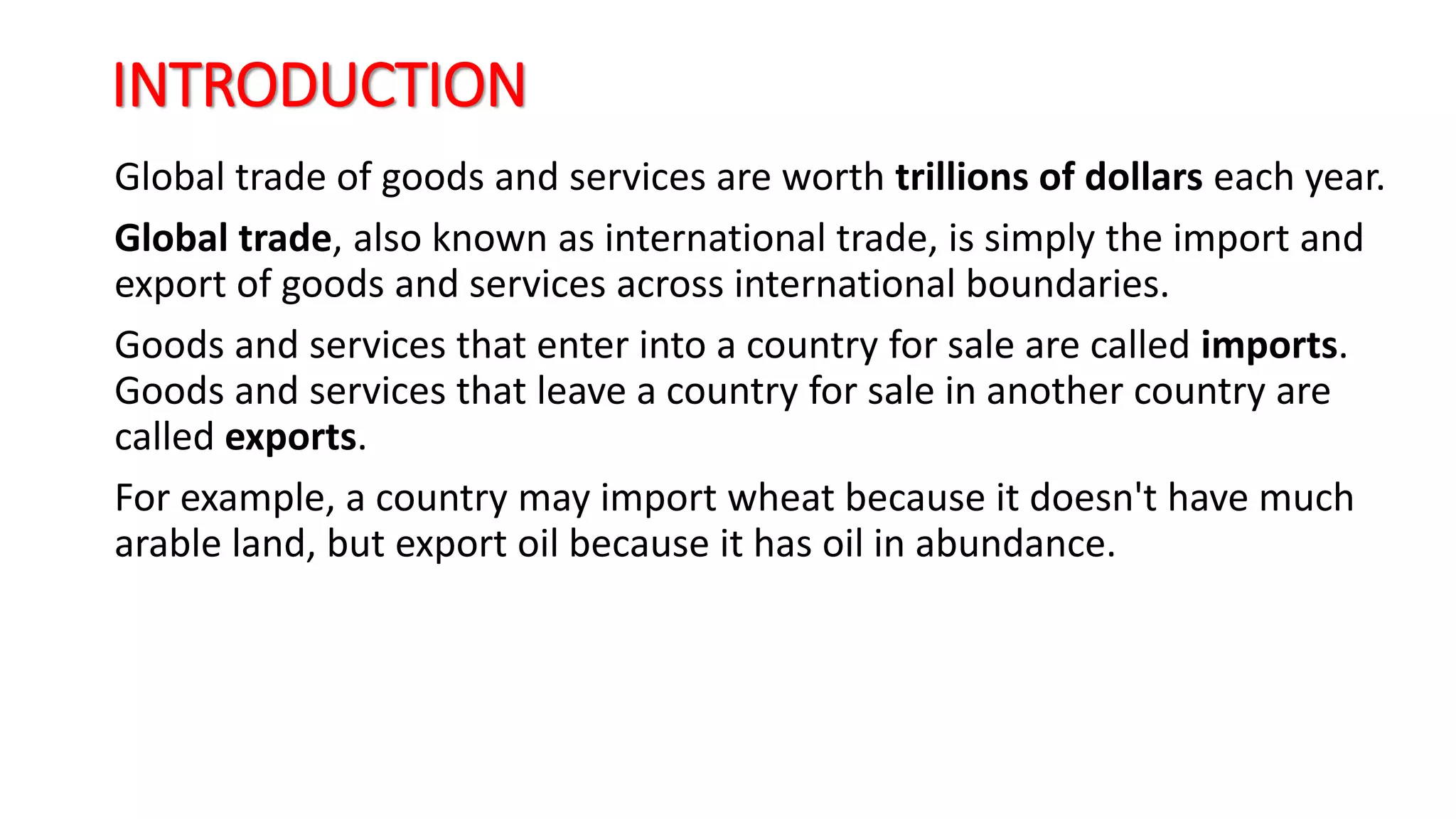
Global trade is not a single transaction but a continuous, interconnected cycle of imports and exports governed by international laws, bilateral agreements, and sophisticated logistical frameworks. To understand how global trade functions in 2026, one must look past the final product on a retail shelf and examine the multifaceted journey of its components. This journey illustrates the principles of comparative advantage, the impact of tariffs, the necessity of standardized shipping, and the role of digital documentation in modern commerce.
The Raw Material Phase: Sourcing from Global Hubs
Global trade begins long before a factory begins its assembly line. It starts with the extraction of raw materials, which are rarely found in the same location where the final product is consumed. For a smartphone, this involves more than 60 different elements sourced from nearly every continent.
Rare Earth Elements and Minerals
The "brains" and "batteries" of modern electronics rely on specific minerals. Lithium, essential for high-capacity batteries, is primarily sourced from the "Lithium Triangle" in South America (Chile, Argentina, and Bolivia) and Australia. Meanwhile, cobalt, crucial for battery stability, is largely mined in the Democratic Republic of the Congo.
The trade of these materials involves complex "upstream" logistics. Mining companies sell ore to international commodity traders, who then export the materials to refining hubs. In 2026, the demand for "green" and ethically sourced minerals has led to stricter trade certifications. These minerals are often shipped under specific Incoterms (International Commercial Terms), such as FOB (Free on Board), which define exactly when the risk and cost of the goods shift from the seller to the buyer.
The Refining Process
Once extracted, raw ores are rarely usable in their crude state. They are exported to countries with specialized industrial infrastructure—frequently China, Japan, or South Korea—where they are processed into high-purity chemicals and metals. This movement represents a secondary layer of global trade: the exchange of industrial inputs. These refined materials are then sold to component manufacturers, often crossing multiple borders before they ever become part of a circuit board.
Component Manufacturing: High-Tech Specialization
The hallmark of global trade in practice is the concept of comparative advantage. Instead of one country trying to build every part of a device, different nations specialize in what they do best, leading to higher efficiency and lower costs for the end consumer.
Semiconductors and Microchips
The most valuable component of a smartphone is the semiconductor. As of 2026, the design often takes place in the United States or the United Kingdom (companies like Apple, Qualcomm, or ARM), while the actual fabrication occurs in high-end foundries in Taiwan (TSMC) or South Korea (Samsung).
This creates a high-value trade loop. The intellectual property (IP) is exported as a digital design file, and the physical chips are manufactured using specialized lithography machines imported from the Netherlands (ASML). Once the chips are "wafer-fabricated," they may be sent to Malaysia or the Philippines for testing and packaging before finally being shipped to the main assembly plant.
Display and Camera Technology
Similarly, the OLED displays found in premium devices are a product of South Korean and Japanese expertise. Sensors and camera lenses might come from Germany or Japan. Each of these components is a specialized export. When a smartphone manufacturer in one country buys a camera module from another, they are engaging in "intermediate goods trade," which accounts for a significant portion of total global trade volume.
The Assembly Hub: Final Production and Labor Integration
Once all the components—the screens from Seoul, the chips from Hsinchu, and the batteries from Shenzhen—are ready, they converge at a final assembly point. Traditionally, China has been the "world's factory," but by 2026, we see a more diversified landscape including India, Vietnam, and Mexico.
The Role of Free Trade Zones (FTZs)
Many assembly plants are located within Free Trade Zones or Special Economic Zones (SEZs). These are designated areas where goods can be imported, handled, manufactured, and re-exported without being subject to the host country's standard customs duties. This reduces the financial burden on manufacturers and encourages foreign direct investment (FDI).
Labor and Value Add
At the assembly stage, the "value add" of the host country is primarily labor and infrastructure. The components are imported (often duty-free under trade agreements), assembled into a finished unit, and then exported to global markets. This stage illustrates how global trade bridges the gap between high-tech design and mass-market production.
Logistics and Distribution: Moving the Goods
The physical movement of the finished smartphone is a masterclass in global logistics. In 2026, this process is heavily digitized, utilizing blockchain for "smart" bills of lading and AI-driven route optimization to minimize carbon footprints.
Maritime and Air Freight
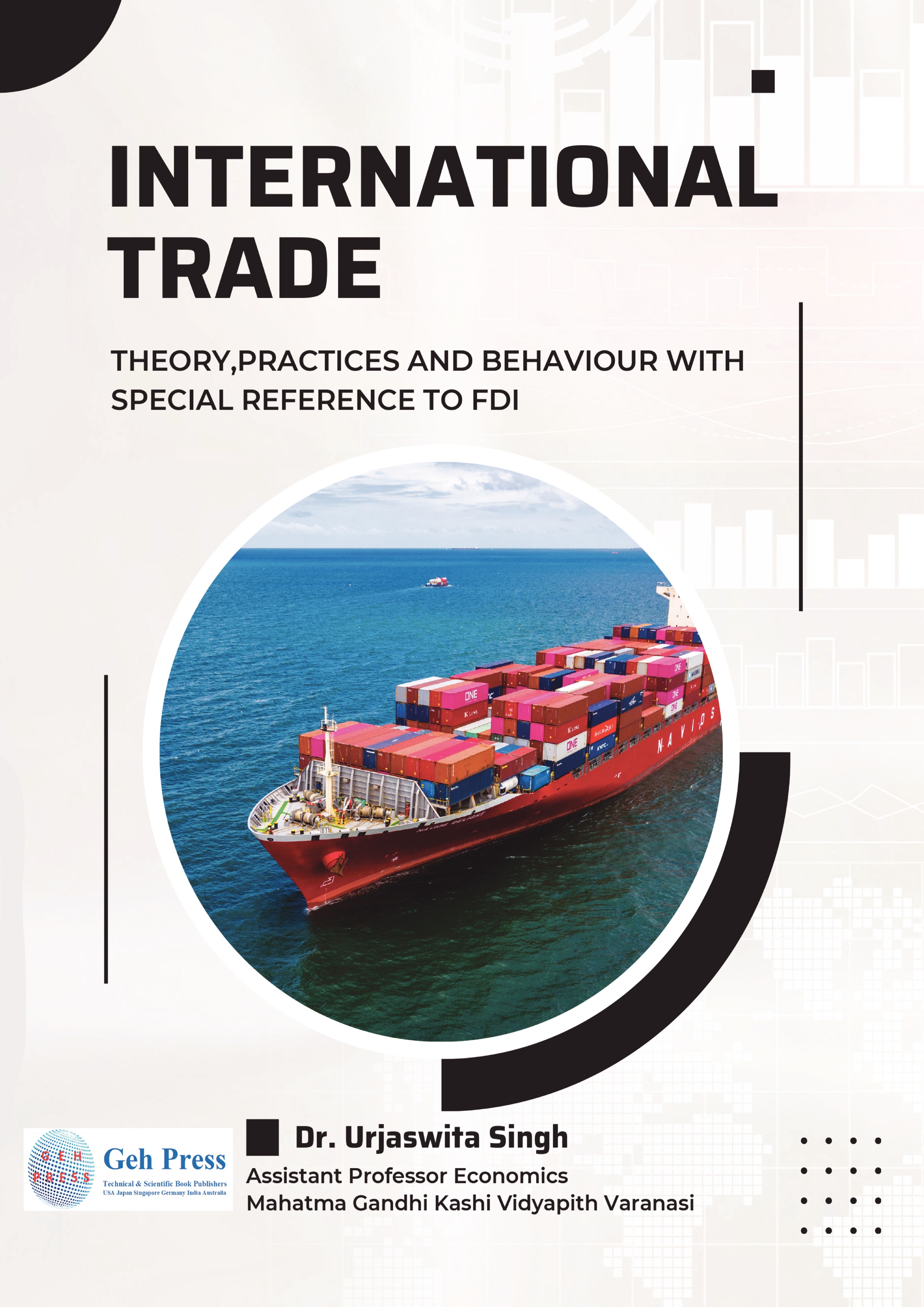
For high-volume distribution, smartphones are packed into standardized 20-foot or 40-foot containers and loaded onto mega-ships. This is the most cost-effective method of global trade. However, for "hot" product launches or to replenish low stock quickly, companies often use air freight (via carriers like FedEx, UPS, or DHL). While significantly more expensive, air freight reduces "time-to-market," which is critical in the fast-paced electronics industry.
The Impact of Incoterms 2020 (Still active in 2026)
To ensure there is no confusion during transit, traders use Incoterms. These are universal rules published by the International Chamber of Commerce (ICC).
| Incoterm | Responsibility | Best For... |
|---|---|---|
| EXW (Ex Works) | Buyer picks up goods at the seller's factory. | Buyers with their own robust logistics network. |
| FOB (Free on Board) | Seller delivers goods to the ship; buyer handles the rest. | Standard maritime bulk shipments. |
| CIF (Cost, Insurance, and Freight) | Seller pays for transport and insurance to the destination port. | Buyers who want the seller to manage the ocean leg. |
| DDP (Delivered Duty Paid) | Seller handles everything, including import duties and taxes. | E-commerce and "turnkey" retail deliveries. |
The Role of Trade Agreements and Tariffs
No example of global trade is complete without discussing the regulatory environment. Trade is rarely "free" in the absolute sense; it is managed by treaties and restricted by tariffs.
Tariffs and Trade Wars
A tariff is a tax imposed by a government on imported goods. If a country wants to protect its domestic electronics industry, it might place a 15% tariff on imported smartphones. In practice, this makes the imported phone more expensive for the consumer. Companies often navigate these hurdles by shifting assembly to countries that have a Free Trade Agreement (FTA) with the target market. For example, a manufacturer might assemble phones in Mexico to take advantage of the USMCA (United States-Mexico-Canada Agreement) to enter the U.S. market duty-free.
Non-Tariff Barriers
Global trade also involves "non-tariff barriers" like safety certifications (CE marking in Europe, FCC in the US) and environmental regulations. In 2026, the Carbon Border Adjustment Mechanism (CBAM) in the European Union is a major factor, where importers must pay for the carbon emissions associated with the production of the goods they are bringing in.
Technical Requirements for Global Trade Participation
To participate in this global exchange, a company must meet several technical and legal requirements. This "paperwork" side of trade is what keeps the physical goods moving.
- EORI Number: In many jurisdictions, an Economic Operators Registration and Identification number is required to track shipments.
- Harmonized System (HS) Codes: Every product has a code (e.g., 8517.13 for smartphones). This code determines the tariff rate and is recognized by customs authorities worldwide.
- Certificate of Origin: A document certifying where the product was made, essential for claiming benefits under Free Trade Agreements.
- Commercial Invoice: A detailed bill that lists the value of the goods, used by customs to calculate taxes.
- Bill of Lading (B/L): A contract between the owner of the goods and the carrier, acting as a receipt for the shipment.
Common Challenges in 2026 Global Trade
Even with sophisticated technology, global trade faces significant hurdles. The smartphone example highlights these vulnerabilities:
- Geopolitical Friction: Trade "de-risking" has led many companies to move away from single-source dependencies. This makes supply chains more resilient but often increases costs due to less efficient logistics.
- Currency Fluctuation: Since most global trade is denominated in U.S. Dollars or Euros, a sudden drop in a local currency can make imports prohibitively expensive for a manufacturer.
- Sustainability Mandates: In 2026, transparency is mandatory. Companies must prove that their cobalt wasn't mined using child labor and that their shipping routes are optimizing fuel consumption. This requires "Digital Product Passports" that track a device's history from mine to consumer.
Frequently Asked Questions
What is the primary benefit of global trade for the average consumer?
The primary benefit is access to a wider variety of goods at lower prices. By allowing countries to produce what they are most efficient at, global trade reduces the cost of complex items like smartphones, which would be impossibly expensive if every single component had to be manufactured within one country’s borders.
How do tariffs affect the final price of a product?
Tariffs act as an additional cost of doing business. When a government imposes a 10% tariff on a $1,000 smartphone, the importer must pay an extra $100 to customs. This cost is almost always passed down to the consumer, resulting in a higher retail price or reduced features to maintain a specific price point.
Why is most global trade conducted in U.S. Dollars?
The U.S. Dollar serves as the primary "reserve currency" because of the size of the U.S. economy and the stability of its financial markets. Using a single currency for international trade simplifies transactions, as it provides a common benchmark for pricing and reduces the need for multiple, complex currency conversions between trading partners.
What happens if a shipment is lost at sea?
This is where Marine Insurance and Incoterms become vital. Depending on the agreed-upon Incoterm (like CIF), either the buyer or the seller will have purchased insurance to cover the value of the goods. The Bill of Lading serves as the legal proof of the shipment's existence and condition at the time of loading, which is essential for filing an insurance claim.
How has global trade changed in 2026 compared to a decade ago?
The main shifts involve "Regionalization" and "Digitalization." While trade used to be purely global, it is now more regional, with hubs like Mexico and Vietnam gaining ground over centralized Chinese manufacturing. Furthermore, paper documents have been largely replaced by digital ledgers, and environmental impact (ESG) is now a core metric of trade compliance rather than an optional consideration.
Practical Recommendation: Navigating Global Trade
For businesses or individuals looking to engage in global trade, the first step is to master the HS Code for your specific product and understand the Incoterms that will govern your shipments. Misclassifying a product can lead to heavy fines, while misunderstanding an Incoterm can leave you liable for thousands of dollars in uninsured losses.
Always consult the official trade portal of your national government (such as the International Trade Administration in the U.S. or the European Commission's Access2Markets portal) to verify current tariff rates and any existing Free Trade Agreements that could reduce your costs. In 2026, staying competitive in global trade requires a balance of logistical efficiency and strict adherence to evolving environmental and ethical regulations.