The most prominent example of design thinking in practice is the "Keep the Change" program developed by Bank of America in collaboration with the design firm IDEO. By applying ethnographic research to understand consumer behavior, the team identified a subconscious habit of rounding up financial transactions, leading to a savings tool that attracted over 12 million new customers.
Understanding the Framework of Design Thinking
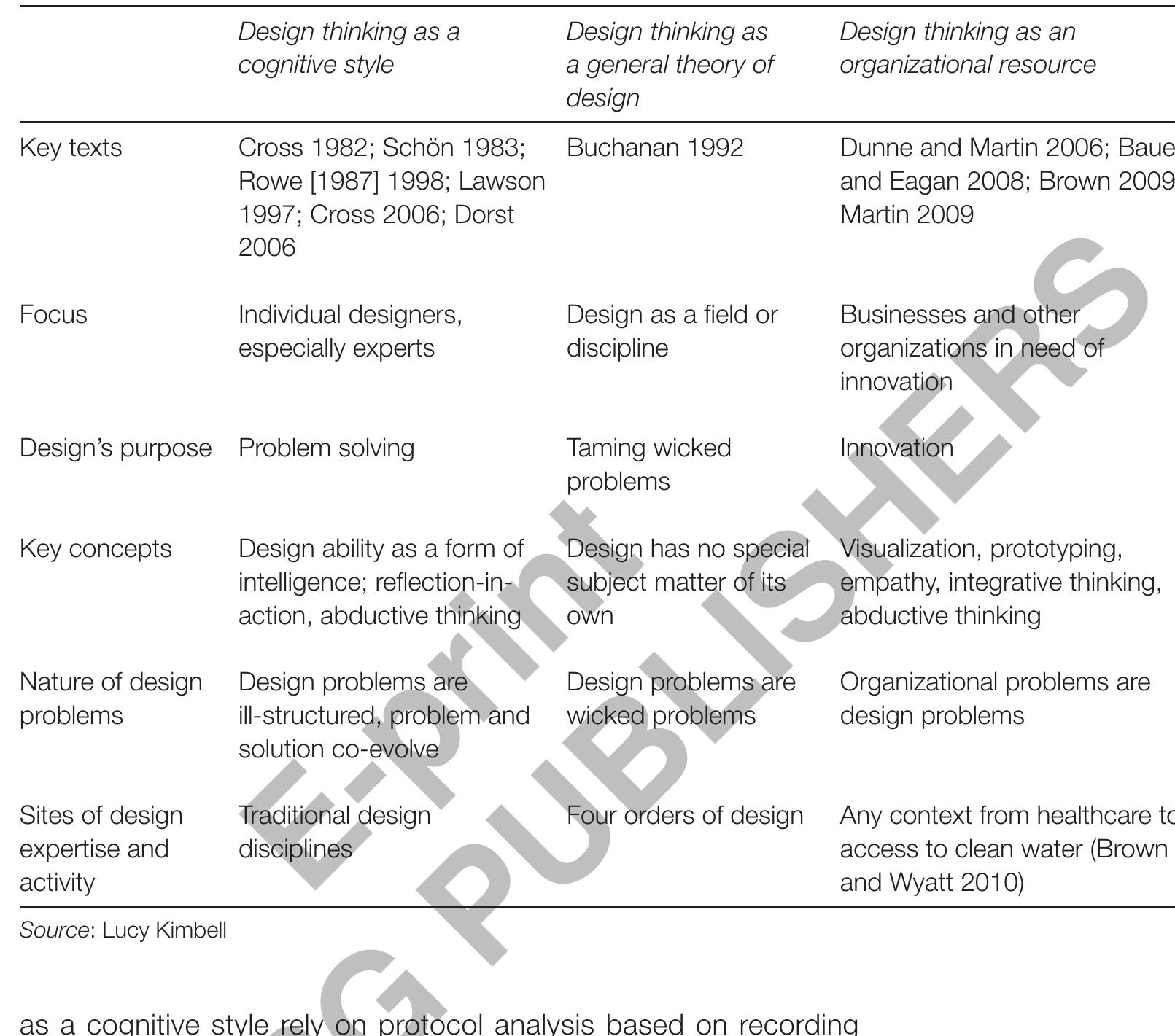
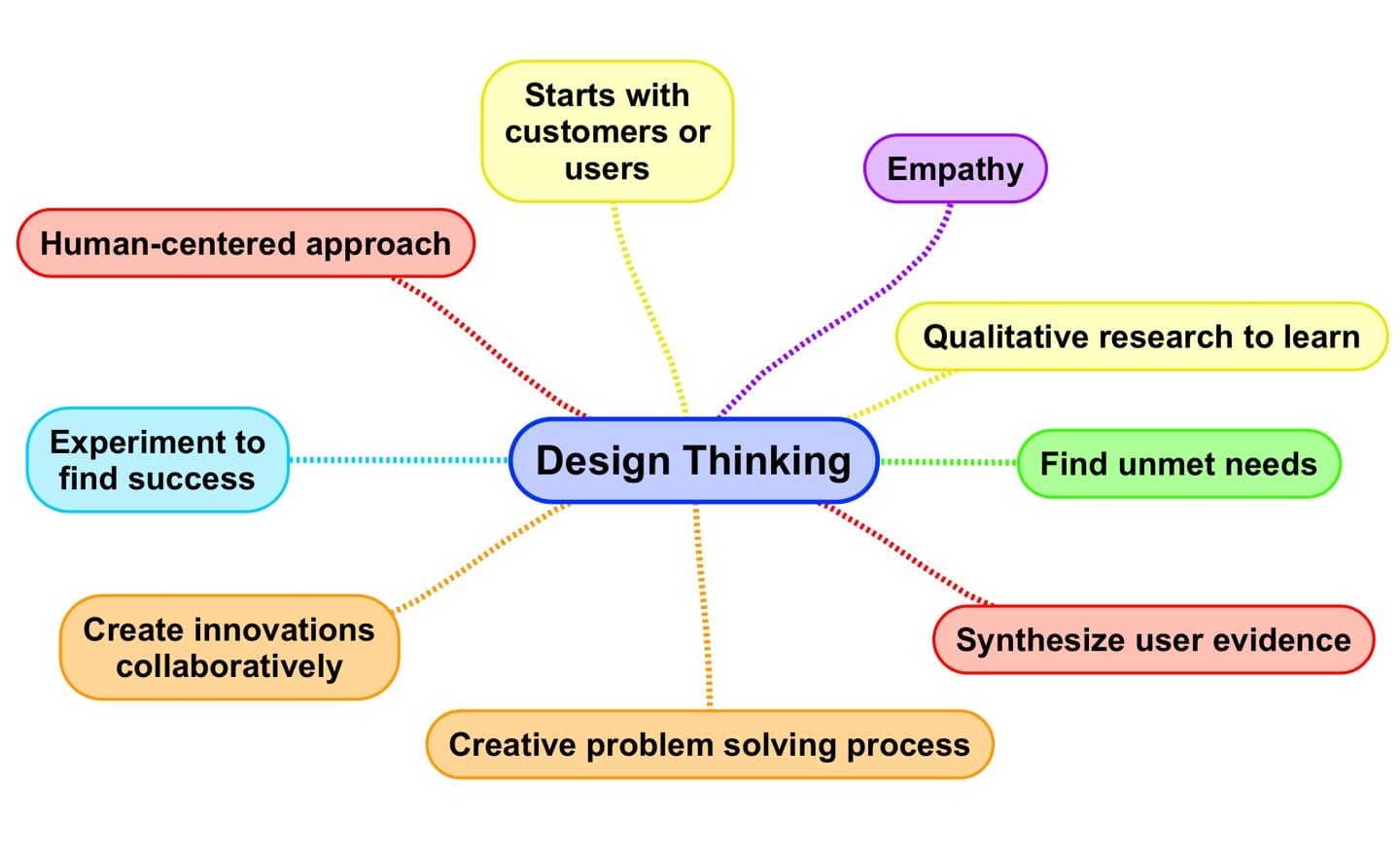
To appreciate an example of design thinking in practice, one must first understand that it is not merely a creative exercise but a structured methodology for innovation. As of 2026, design thinking remains the gold standard for organizations seeking to solve "wicked problems"—challenges that are ill-defined, shifting, and deeply tied to human behavior. Unlike traditional business logic, which often prioritizes internal metrics and historical data, design thinking begins with human empathy.
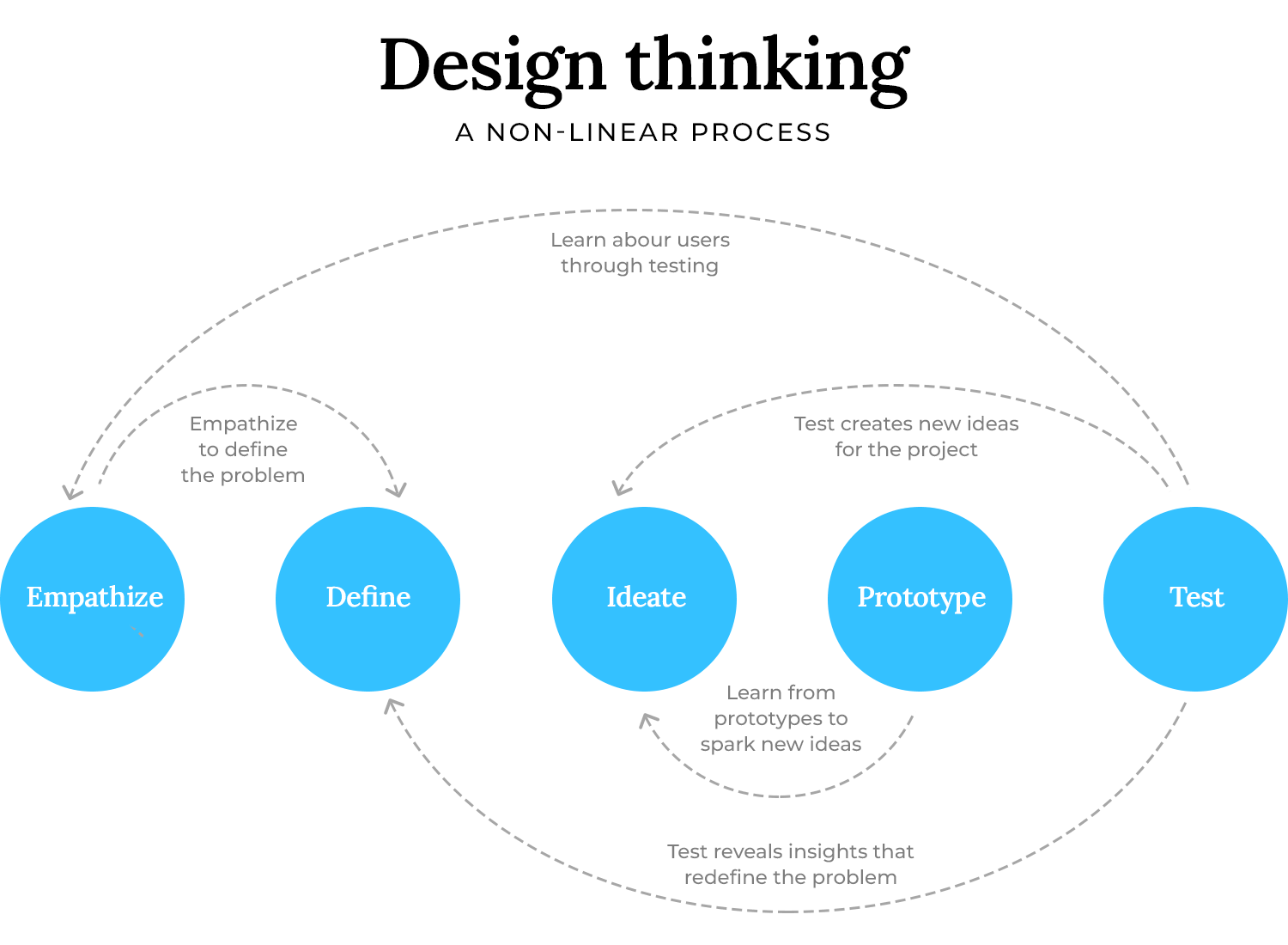
The process typically follows a five-stage non-linear model: Empathize, Define, Ideate, Prototype, and Test. While these stages appear sequential, in practice, teams often jump between them as they uncover new insights. The goal is to find the "sweet spot" at the intersection of human desirability, technological feasibility, and business viability. When an organization like Bank of America successfully navigates this framework, the result is often a product that feels intuitive to the user while driving massive commercial growth.
The Bank of America "Keep the Change" Initiative
The "Keep the Change" project is frequently cited as the definitive example of design thinking because it reframed a stagnant service—the humble savings account—into a behavioral solution. In the early 2000s, Bank of America faced a saturated market where most banking products were indistinguishable from one another. They sought to innovate not by changing interest rates, but by changing how people interacted with their money.
Phase 1: Empathy through Ethnographic Research
The project did not begin in a boardroom; it began in the kitchens and living rooms of everyday Americans. The design team conducted intensive ethnographic research, observing how people, particularly mothers (the primary household financial managers at the time), handled their finances.
Instead of asking users what they wanted in a bank account—a question that often yields unhelpful, predictable answers—the researchers watched their actions. They noticed a curious habit: many people rounded up their checkbook entries to the nearest dollar. For instance, if a grocery bill was $22.47, a person might record it as $23.00. This was done for two reasons: it made the math easier, and it created a small, accidental "buffer" of savings at the end of the month.
This observation was the "aha!" moment. It revealed a latent desire to save that was being hindered by the friction of manual calculation and the psychological pain of moving large sums of money into a separate account.
Phase 2: Defining the Problem and Reframing the Challenge
With these observations in hand, the team moved to the "Define" phase. They moved away from the original brief—"How do we get more people to open accounts?"—and reframed the problem statement to: "How can we make saving money an invisible, automatic, and rewarding part of daily life?"
This reframing is critical in design thinking. By focusing on the user's psychological behavior (the habit of rounding up) rather than the bank’s goal (customer acquisition), the team opened the door to solutions that felt like a service to the customer rather than a sales pitch.
Phase 3: Ideation and the Generation of Concepts
During the ideation phase, the team generated over 80 different product concepts. They used "divergent thinking" to explore every possible way to automate the rounding-up behavior. Ideas ranged from complex investment algorithms to simple physical piggy banks integrated with debit cards.
The winning concept was "Keep the Change." The mechanism was intentionally simple: every time a customer used their debit card, the transaction amount would be rounded up to the nearest dollar. The difference would then be automatically transferred from the checking account to a savings account.
Phase 4: Prototyping and Iterative Testing
Before a full-scale launch, the team created low-fidelity prototypes. In the context of banking, this didn't mean building a new software backend immediately. Instead, they used "service prototyping"—simulating the experience for a small group of users and observing their emotional responses.
One key iteration during this phase was the introduction of a "matching" feature. To incentivize the behavior, Bank of America decided to match the rounded-up savings at 100% for the first few months, and 5% thereafter (up to a certain limit). Testing showed that this "bonus" feeling significantly increased customer satisfaction and the "stickiness" of the product.
Phase 5: Implementation and Business Impact
When "Keep the Change" launched, the results were unprecedented for the retail banking industry. Within the first year, the program attracted 2 million new customers. Since its inception, it has led to more than 12 million new accounts and billions of dollars in total savings for consumers.
The success of this example lies in its simplicity. It took a pre-existing human behavior and automated it, removing the "friction" of decision-making. Customers weren't forced to "save"; they were simply allowed to continue their natural behavior while the bank handled the logistics.
Comparative Analysis of Design Thinking Successes
To further illustrate how design thinking applies across different industries, the following table compares the Bank of America example with other landmark cases.
| Industry | Organization | Problem | Design Thinking Solution | Primary Outcome |
|---|---|---|---|---|
| Finance | Bank of America | Low savings rates & account growth. | "Keep the Change" automated rounding. | 12M+ new accounts; increased loyalty. |
| Healthcare | PillPack (Amazon) | Medication non-compliance in seniors. | Simplified packaging sorted by dose/time. | Improved health outcomes; $750M+ acquisition. |
| Hospitality | Airbnb | Near bankruptcy in 2009. | Replaced user-taken photos with professional ones. | Revenue doubled in one week; saved company. |
| Education | Stanford d.school | Complexity of student enrollment. | Redesigned the "journey map" of registration. | 30% reduction in administrative errors. |
| Public Safety | City of Chicago | High rates of food poisoning. | Data-driven "empathy maps" for inspectors. | Optimized inspection routes; 15% faster detection. |
Expanding the Practice: The PillPack Example
While Bank of America is the classic example, PillPack (now a part of Amazon Pharmacy) provides a more modern illustration of design thinking in the healthcare sector. The problem they addressed was "medication adherence"—the clinical term for patients taking their medicine correctly and on time.
Empathy in Healthcare
The PillPack team spent time with elderly patients who were taking 5 to 15 different medications a day. They observed the "pillbox ritual": every Sunday, patients or their caregivers would spend an hour sorting pills into plastic containers. Errors were frequent, and the process was stressful.
The Solution
Instead of designing a "better" plastic pillbox, PillPack used design thinking to redesign the pharmacy supply chain. They created a service that pre-sorts medications into individual, labeled "packs" organized by the date and time they need to be taken. This removed the cognitive load from the patient entirely.
The Impact
By 2026, this model has become the standard for managing chronic illness. Like the Bank of America example, PillPack succeeded because it didn't just sell a product; it solved a human struggle that traditional competitors had ignored as "just the way things are."
Prerequisites for Successful Design Thinking
Implementing design thinking in practice requires more than just a creative team. Organizations must meet specific cultural and operational prerequisites to ensure the methodology doesn't fail during the implementation phase.
- Psychological Safety: Teams must feel safe to propose "crazy" ideas and, more importantly, to fail during the prototyping phase. If a culture punishes failure, the ideation phase will produce only safe, incremental changes.
- Cross-Functional Collaboration: Design thinking fails in silos. A successful project requires designers, engineers, marketing specialists, and legal advisors to work together from the "Empathy" phase onward.
- Executive Buy-in for Ambiguity: Traditional management demands "certainty" and "ROI projections" at the start of a project. Design thinking requires leaders to tolerate ambiguity during the early phases while the problem is still being defined.
- User Access: Teams must have direct, unmediated access to real users. Relying on third-party market research reports is not a substitute for firsthand ethnographic observation.
Common Pitfalls in Design Thinking Practice
Despite its effectiveness, many organizations fail to see results from design thinking because they treat it as a "workshop" rather than a "workstream."
- The "Theater" of Innovation: Some companies use Post-it notes and colorful rooms to look innovative but never actually change their product development cycle. If the insights from the empathy phase don't influence the final technical specifications, the process is just "innovation theater."
- Skipping the Empathy Phase: Teams often assume they already know what the customer wants. They skip the research and jump straight to ideation, resulting in solutions for problems that don't actually exist.
- Over-complicating Prototypes: A prototype should be the "minimum viable" version of an idea. Spending too much time or money on a prototype makes the team resistant to the feedback they receive, as they become emotionally invested in the "v1" version.
- Linear Execution: Treating the five stages as a rigid checklist often stifles the very creativity the method is meant to foster. Teams must be willing to go back to the "Define" stage if testing reveals their original hypothesis was wrong.
Frequently Asked Questions
Does design thinking only work for physical products?
No, design thinking is equally effective for services, digital interfaces, and organizational structures. The Bank of America example is a service innovation, while Airbnb’s turnaround was a digital and strategic shift. In 2026, it is widely used in government policy design and corporate culture transformation.
How long does a design thinking project take?
A "sprint" can take as little as five days (the Google Ventures model), while a deep ethnographic project like "Keep the Change" can take six months to a year. The timeline depends on the complexity of the "wicked problem" being addressed and the technical requirements of the prototyping phase.
Is design thinking different from "User Experience" (UX) design?
While they share many principles, design thinking is a broader strategic methodology used to solve business problems, whereas UX design is specifically focused on the interaction between a user and a digital product. Design thinking often informs the "Why" and "What," while UX focuses on the "How."
Can small businesses use design thinking?
Absolutely. Small businesses often have an advantage because they are closer to their customers. A local restaurant can use design thinking by observing which parts of the menu customers struggle to read or by prototyping new service flows during slow hours to see how customers react.
What is the most important stage of the process?
Most experts agree that the Empathy and Define stages are the most critical. If you do not truly understand the human need or if you define the problem incorrectly, even the most creative ideas and perfect prototypes will result in a product that nobody wants.
Practical Recommendation
To apply design thinking in your own professional context, start by identifying a persistent "friction point" in your customer's journey. Do not look at your data analytics first; instead, schedule three "observation sessions" where you watch a user interact with your service without interrupting them. Document the moments where they hesitate, look confused, or develop a "workaround" (like the checkbook rounding). These workarounds are the most fertile ground for innovation. Once identified, use a low-cost prototype—such as a paper sketch or a simple landing page—to test a solution before committing any technical resources.