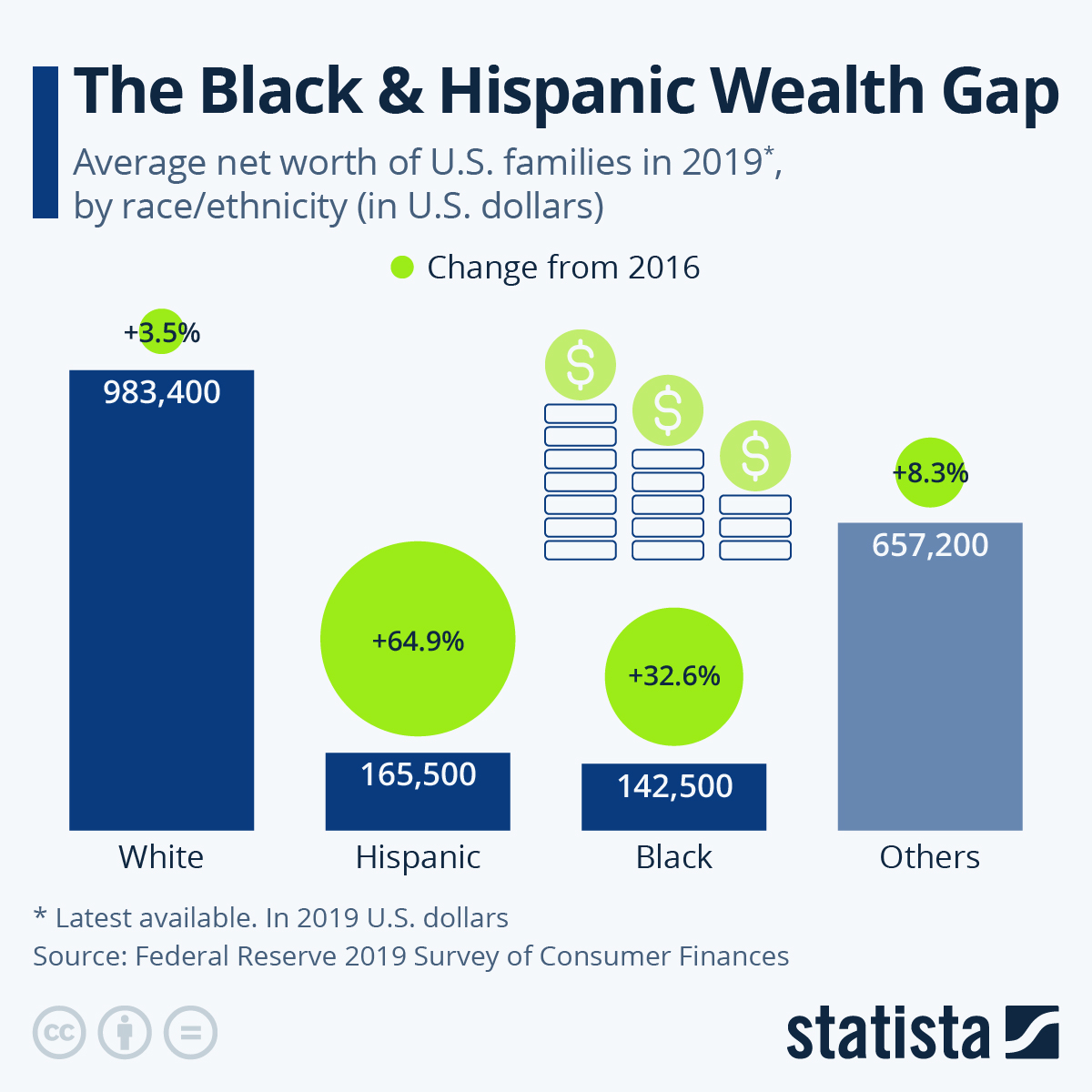
The egregious wealth gap in 2026 reflects a global economy where the net worth of the top 0.01% has reached unprecedented heights, often exceeding the GDP of mid-sized nations. Driven by AI-driven equity surges and asset appreciation, the richest individuals now hold a disproportionate share of global resources compared to the bottom 50%.
The concept of an "egregious wealth gap" refers to the extreme disparity in financial assets, income, and opportunities between the ultra-high-net-worth individuals (UHNWIs) and the general population. As we navigate the economic landscape of 2026, this divide is no longer just a statistical curiosity; it is a primary driver of global fiscal policy, social movements, and market volatility. To understand why the net worth of the richest continues to shatter records, one must look at the structural mechanisms that prioritize capital growth over labor compensation.
The Trillion-Dollar Frontier: Top Net Worth Figures in 2026
As of early 2026, the concentration of wealth at the very top of the pyramid has intensified. The world's richest individuals, primarily founders and CEOs of dominant technology and luxury conglomerates, have seen their personal valuations swell due to the compounding effects of stock ownership and the rapid integration of artificial intelligence into every sector of the economy.
Historically, a net worth of $100 billion was considered the "centibillionaire" ceiling. In 2026, however, the conversation has shifted toward the "trillionaire" watch. While no individual has officially crossed the $1 trillion mark in liquid assets, the combined net worth of the top ten individuals now exceeds the total wealth of several continents. This growth is largely "paper wealth"—valuation based on the market capitalization of the companies they lead—but it translates into immense real-world influence over global supply chains and political lobbying.
The "egregious" nature of this gap is highlighted when these individual fortunes are compared to the median household net worth. In many developed nations, the ratio of a top-tier billionaire’s wealth to that of an average citizen has reached ratios not seen since the Gilded Age. This disparity is often fueled by the fact that the wealthiest individuals derive their income from capital gains, which are frequently taxed at lower rates than the earned income (wages) that sustains the middle and lower classes.
Mechanisms Driving the Modern Wealth Gap
Several systemic factors contribute to the persistence and expansion of the wealth gap in 2026. Understanding these mechanisms is essential for identifying why the net worth of the richest continues to return such high yields even during periods of global inflation or market correction.
Asset Inflation and Equity Ownership
The primary driver of the wealth gap is the ownership of appreciating assets. While the majority of the global population relies on wages, the ultra-wealthy hold the majority of their net worth in equities, real estate, and private equity. In the 2024–2026 period, the stock market has been heavily influenced by the "AI Revolution." Companies at the forefront of automated intelligence, robotics, and energy transition have seen their valuations double or triple. Because the richest individuals hold significant "founder shares" in these entities, their net worth grows exponentially faster than the economy as a whole.
The "Buy, Borrow, Die" Strategy
A critical technical component of the wealth gap is the tax-avoidance strategy known as "Buy, Borrow, Die." High-net-worth individuals rarely sell their stock because doing so would trigger capital gains taxes. Instead, they "buy" assets that appreciate, "borrow" against those assets at low interest rates to fund their lifestyle, and hold the assets until they pass them to heirs (often with a "stepped-up basis" that resets the tax liability). This cycle allows trillions of dollars to remain untaxed for decades, further widening the gap between those who work for money and those whose money works for them.
Labor Productivity vs. Wage Growth
For decades, and continuing into 2026, labor productivity has outpaced wage growth. While technology allows workers to produce more value per hour, a larger share of that surplus value is being captured by shareholders and executives rather than being redistributed as higher salaries. This decoupling ensures that the "returns to capital" remain higher than the "returns to labor," a fundamental principle of modern inequality.
Comparative Analysis: Global Wealth Distribution in 2026
To visualize the magnitude of the egregious wealth gap, it is helpful to compare the net worth of the world's richest individuals against broader economic benchmarks. The following table illustrates the stark differences in financial scale.
| Wealth Tier | Estimated Net Worth Range (2026) | Primary Source of Wealth | Economic Impact/Scale |
|---|---|---|---|
| The Top 10 Individuals | $200B – $450B+ | Tech Equity, AI, Luxury Goods | Larger than the GDP of nations like Austria or Thailand. |
| The Top 1% (Global) | $1.2M – $50M+ | Real Estate, Diverse Portfolios | Controls roughly 45% of all global household wealth. |
| Global Middle Class | $10,000 – $100,000 | Wages, Primary Residence | Highly sensitive to inflation and interest rate hikes. |
| Bottom 50% (Global) | < $2,500 | Subsistence Labor, Informal Sector | Owns less than 2% of total global wealth combined. |
Note: Figures are based on 2026 economic projections and historical wealth accumulation trends. Individual rankings fluctuate daily based on market closing prices.
The Role of Artificial Intelligence in 2026 Inequality
The year 2026 marks a significant turning point where AI has transitioned from a speculative technology to a primary driver of wealth concentration. This "AI Divide" has exacerbated the egregious wealth gap in two distinct ways.
First, the owners of AI infrastructure (data centers, chip manufacturers, and proprietary algorithms) have captured the lion's share of new economic value. As businesses replace routine cognitive tasks with AI, the cost savings do not always trickle down to consumers or displaced workers; instead, they are reflected in record-breaking quarterly earnings, which in turn drive up the net worth of the richest shareholders.
Second, the "digital skill gap" has created a new class of high-earning technocrats, while traditional service and administrative roles face stagnation. This internal pressure within the labor market creates a "K-shaped" recovery where the top tier of earners continues to accumulate wealth, while the bottom tier faces precarious employment. The net result is a return to a net worth structure where the wealthiest individuals are no longer just industry titans but are, effectively, the owners of the world's automated productivity.
Regulatory and Policy Responses
In response to the widening gap, 2026 has seen a surge in discussions regarding wealth taxation and global fiscal reform. Governments are increasingly looking at "Unrealized Capital Gains" as a potential tax base, though these efforts face significant legal and logistical hurdles.
- Global Minimum Tax Initiatives: Building on earlier OECD frameworks, more nations are adopting a 15% to 20% minimum corporate tax to prevent profit shifting to tax havens.
- Wealth Tax Proposals: Some jurisdictions have introduced "billionaire taxes" that target individuals with a net worth exceeding $1 billion, regardless of whether they sell their assets.
- Modernizing Inheritance Laws: To combat the "hereditary" nature of the wealth gap, there is a push to close loopholes in estate taxes, ensuring that massive fortunes are at least partially redistributed upon the owner's death.
However, the mobility of capital remains a primary obstacle. The world's richest individuals often have the resources to move their legal residency to "tax-friendly" jurisdictions, leading to a "race to the bottom" among nations competing for billionaire investment.
Challenges for the Global Economy
An egregious wealth gap is not merely a moral issue; it presents tangible risks to the stability of the 2026 global economy. When a small fraction of the population holds the vast majority of capital, "aggregate demand" can suffer. Lower and middle-class consumers, who have a higher "marginal propensity to consume," find their purchasing power eroded by stagnant wages and the rising costs of essentials like housing and healthcare.
Furthermore, extreme wealth concentration can lead to "market capture," where a few dominant firms stifle competition and innovation. If a single billionaire's net worth is tied to a company that controls 80% of a critical supply chain, the failure or whim of that individual can have systemic consequences for the global market.
Frequently Asked Questions
What constitutes an "egregious" wealth gap?
An egregious wealth gap is typically defined as a level of inequality that exceeds historical norms and threatens social and economic stability. It is often measured using the Gini coefficient or by comparing the wealth of the top 0.1% to the bottom 50%. In 2026, the gap is considered egregious because the top few individuals hold more wealth than entire demographics of workers.
How is the net worth of the richest calculated in 2026?
Net worth is calculated by taking the total market value of all assets (public stocks, private companies, real estate, art, and cash) and subtracting all liabilities (loans and debts). For the world's richest, the majority of this figure comes from their ownership stakes in publicly traded companies, meaning their net worth can change by billions of dollars in a single trading day.
Why does the net worth of the richest increase during inflation?
Wealthy individuals often own "inflation-hedging" assets like real estate, commodities, and equities. As prices rise, the value of these assets typically increases. Conversely, those who hold their wealth in cash or rely on fixed wages see their purchasing power decrease, further widening the gap.
Can the wealth gap be closed through taxation alone?
While progressive taxation and wealth taxes are significant tools, many economists argue that closing the gap also requires "pre-distribution" policies. These include strengthening labor unions, increasing the minimum wage, and providing universal access to high-quality education and healthcare, which helps individuals build their own net worth from the ground up.
What is the relationship between the wealth gap and social stability?
Historically, extreme wealth inequality is a leading indicator of social unrest and political polarization. When large segments of the population feel that the "economic game" is rigged in favor of the ultra-wealthy, it can lead to calls for radical policy shifts, protectionism, and a breakdown in trust in democratic and financial institutions.
How does the 2026 wealth gap compare to previous decades?
The 2026 wealth gap is significantly wider than it was in the 1990s or early 2000s. The primary difference is the speed of accumulation allowed by digital platforms and AI. While the industrial barons of the early 20th century took decades to build their fortunes, modern tech founders have achieved centibillionaire status in under 15 years.
Strategic Recommendations for Navigating a Polarized Economy
For individuals and policymakers observing the egregious wealth gap in 2026, the path forward requires a balanced approach to wealth management and systemic reform.
For Individuals: Focus on "Asset Participation." The wealth gap proves that labor alone is rarely the path to significant net worth. To protect your financial future, prioritize investing in diversified low-cost index funds or automated investment platforms that allow you to capture a portion of the market growth enjoyed by the ultra-wealthy. Additionally, staying current with AI-related skills is essential to maintaining high "labor value" in a shifting market.
For Policymakers: Shift the focus from "income" to "capital." Traditional income taxes are becoming less effective at capturing the value generated in a modern, asset-heavy economy. Exploring land value taxes, corporate transparency acts, and global cooperation on tax enforcement is necessary to ensure that the net worth of the richest contributes fairly to the infrastructure and social systems that make their wealth possible.
The egregious wealth gap of 2026 is a reflection of a technological era that scales wealth at a rate the human labor market cannot match. Addressing this return on the net worth of the richest requires a fundamental rethinking of how value is created and distributed in the 21st century.