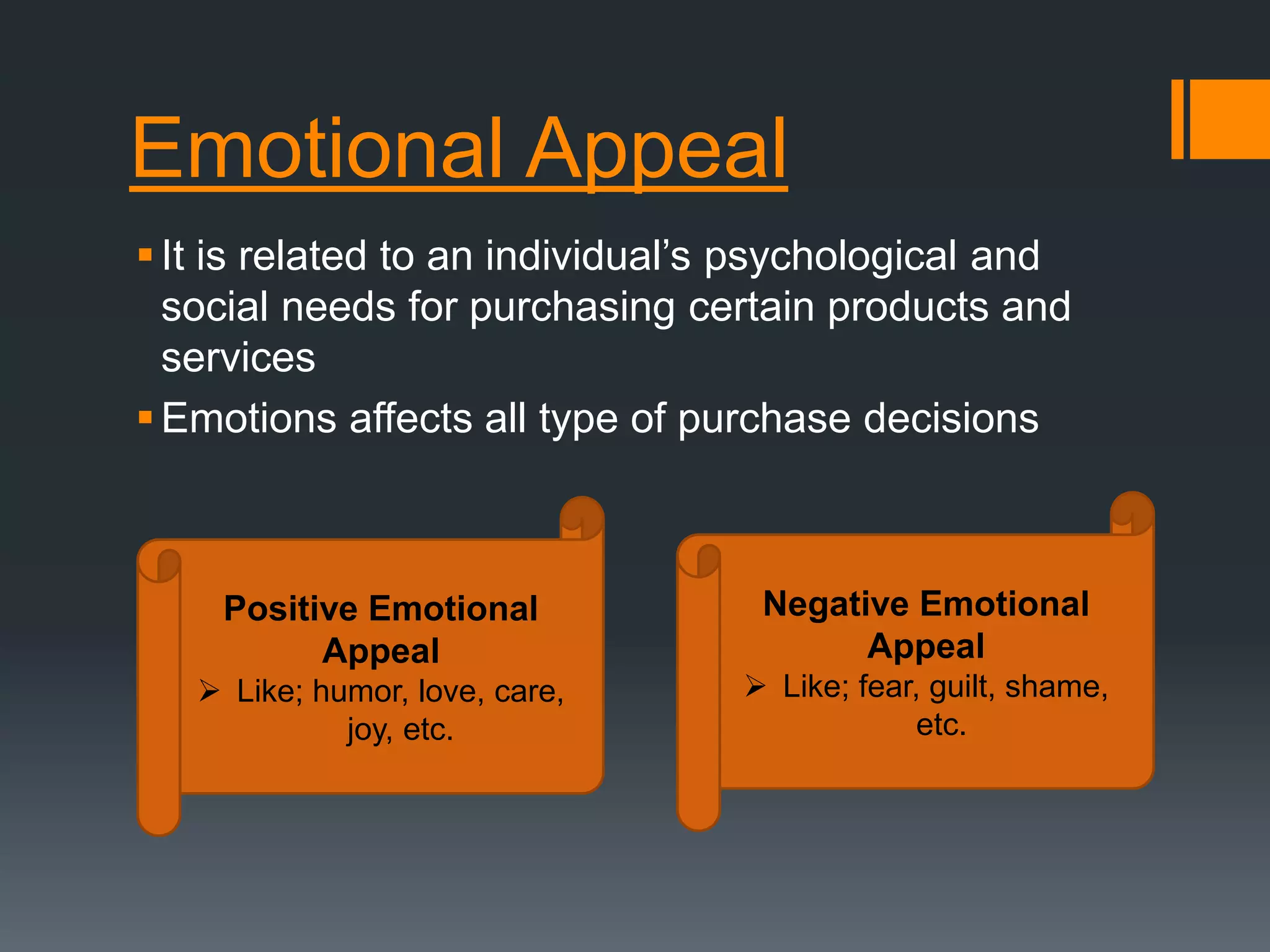
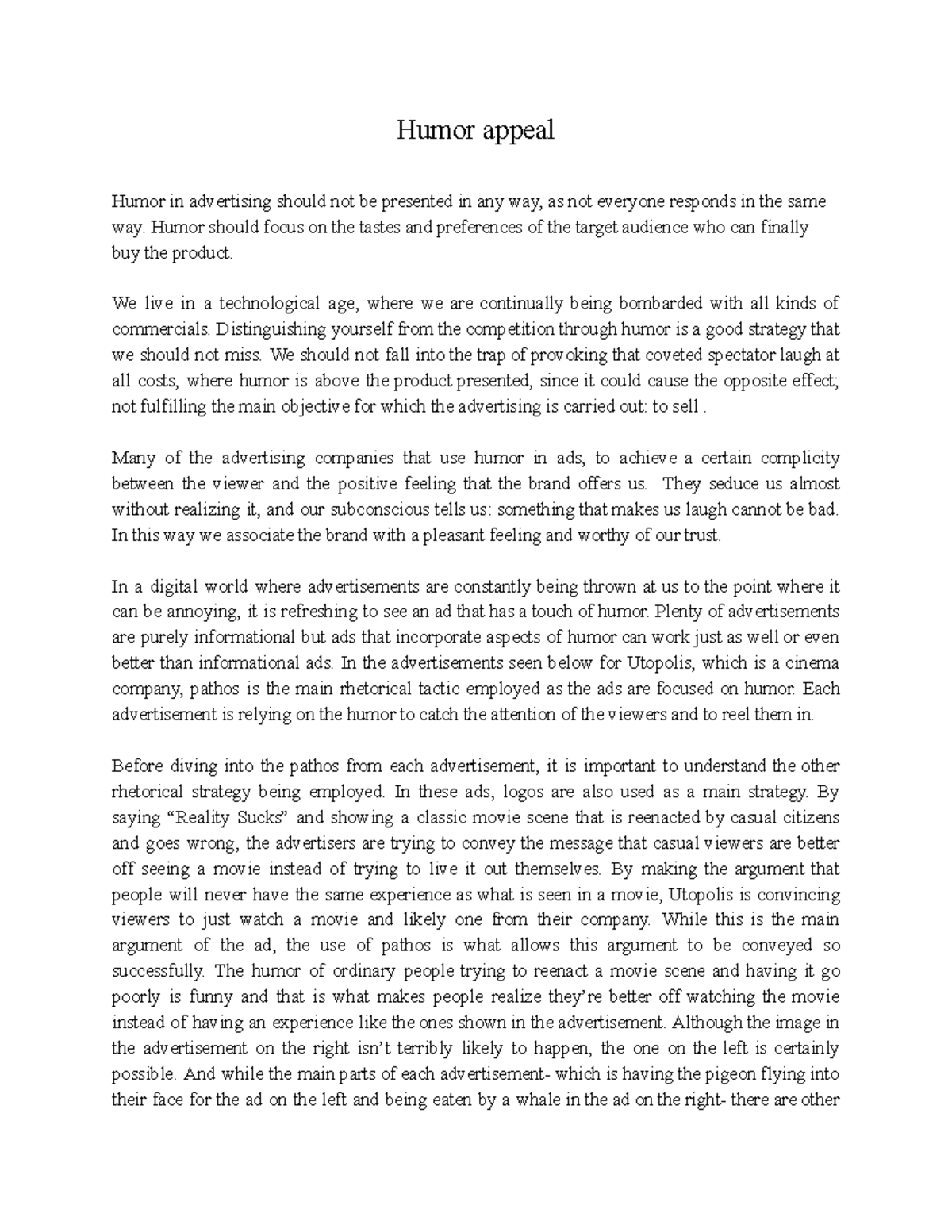
Humor appeal in advertising is a strategic psychological tactic used to capture consumer attention and build positive brand associations through comedy. By triggering a laughter response, brands lower cognitive resistance, improve message recall, and foster emotional connections, making the marketing message more palatable and shareable in competitive digital environments.
The Psychological Foundation of Humor Appeal
To understand why humor appeal is one of the most effective tools in a marketer’s arsenal, we must first examine the psychological mechanics behind it. Humor is not merely about making someone "laugh"; it is about shifting the viewer's mental state. In the context of 2026 advertising, where consumers are bombarded by thousands of digital impressions daily, humor serves as a "pattern interrupt" that forces the brain to pause and engage.
The primary psychological theories that underpin humor appeal include:
- Incongruity-Resolution Theory: This is the most common form of humor in advertising. It relies on the consumer's expectation being subverted. The ad presents a situation that doesn't quite fit a logical pattern, and the "punchline" provides a resolution that, while unexpected, makes sense in a funny way.
- Relief Theory: This involves the release of nervous energy or tension. Ads that use slightly "edgy" or taboo topics often rely on relief theory, allowing the audience to laugh at a social awkwardness or a shared frustration.
- Superiority Theory: This occurs when the audience feels a sense of "victory" over a character in the ad who is acting foolishly. It allows the consumer to feel smart or relatable compared to the "bumbling" character portrayed.
By leveraging these theories, advertisers can bypass "ad blindness." When a consumer laughs, their brain releases dopamine, creating a positive "affective transfer" where the joy of the joke is subconsciously attributed to the brand itself.
An Exemplary Case Study: Old Spice’s "The Man Your Man Could Smell Like"
When discussing an example of humor appeal in advertising, the 2010 Old Spice "The Man Your Man Could Smell Like" campaign remains the gold standard for surrealist humor. Although the campaign began over a decade ago, its principles continue to dictate how brands utilize humor in 2026.
The Strategy of Surrealism
The campaign, featuring Isaiah Mustafa, utilized a rapid-fire, "deadpan surrealist" approach. The humor didn't come from a traditional setup-and-punchline format but rather from the sheer absurdity of the transitions—moving from a bathroom to a boat to a horse while maintaining a straight face.
Why It Succeeded
- Targeting the True Decision Maker: Old Spice realized that while men wore the body wash, women often made the purchasing decisions in the household. The humor was designed to be "hyper-masculine" in a way that was clearly a parody, making it appealing to both genders.
- The Incongruity Factor: The disconnect between the high-pressure, fast-paced dialogue and the calm, confident delivery created a comedic tension that held the viewer’s gaze.
- Viral Longevity: Because the ad was genuinely funny and visually inventive, it became a cultural meme. In 2026, this is known as "earned media," where the audience does the work of distributing the ad because they find the content inherently valuable.
The Quantifiable Impact
Following the launch of the humor-driven campaign, Old Spice saw a 107% increase in sales of their body wash within 30 days. This proved that humor, when executed with precision, does not just build "brand love"—it drives immediate revenue.
The Different Types of Humor Appeals
Humor is not a monolith. Different brands require different "flavors" of comedy to align with their brand identity. In 2026, marketers typically categorize these into four main buckets:
1. Satire and Parody
Satire mocks existing social conventions or other advertisements. For example, Dollar Shave Club launched their brand with a low-budget, satirical video that mocked the overly technical and expensive marketing of legacy razor brands. By making fun of the "vibrating handles" and "flashy tech" of competitors, they positioned themselves as the honest, funny alternative.
2. Personification
Giving human traits to non-human entities is a staple of humor appeal. The Geico Gecko or the M&M’s characters are classic examples. The humor arises from seeing these characters navigate human problems, such as insurance claims or dating, which makes the abstract concept of the product more tangible and likable.
3. Slapstick and Physical Comedy
While considered "lower" forms of humor, physical comedy is universally understood and transcends language barriers. Snickers' "You’re Not You When You’re Hungry" campaign frequently uses physical humor—people falling over, acting out, or transforming into grumpy celebrities—to illustrate the product’s benefit in a visceral, funny way.
4. Irony and Understatement
This is often used by high-end or "cool" brands that want to avoid looking like they are trying too hard. By using dry humor or pointing out the obvious flaws in their own industry, brands can build a sense of authenticity and "insider" status with their audience.
Comparing Humor to Other Advertising Appeals
While humor is powerful, it is one of several emotional "hooks" used in marketing. Choosing the right appeal depends on the product category and the desired consumer action.
| Appeal Type | Primary Emotion | Best For... | Risk Factor |
|---|---|---|---|
| Humor | Joy / Surprise | Brand recall, social sharing, "low-involvement" goods (snacks, soap). | The "Vampire Effect" (people remember the joke but not the brand). |
| Fear | Anxiety / Urgency | Insurance, safety equipment, health-related services. | Can cause consumers to tune out if the message is too distressing. |
| Rational | Logic / Security | B2B software, high-cost investments (cars, real estate). | Can be perceived as boring or easily ignored in digital feeds. |
| Scarcity | FOMO (Fear of Missing Out) | Flash sales, luxury "limited editions," event tickets. | Can lead to "buyer's remorse" if the product doesn't live up to the hype. |
| Emotional/Sentiment | Nostalgia / Empathy | Charity, life insurance, family-oriented products. | Risks being seen as manipulative if not handled with genuine care. |
The "Vampire Effect": When Humor Goes Wrong
One of the greatest dangers in humor-based advertising is the Vampire Effect. This occurs when the humor is so engaging and "loud" that it "sucks the life" out of the brand message. Consumers may remember the funny talking dog or the hilarious explosion, but when asked who the ad was for, they cannot recall the brand name.
To mitigate this risk in 2026, advertisers follow the "Product-Integral" Rule:
- The humor must be derived from the product’s core benefit.
- If the joke can be told without mentioning the product, the humor is likely too detached.
- In the Snickers example, the humor is directly tied to the lack of the product (hunger), making the brand name an essential part of the punchline’s resolution.
Cultural Sensitivity and the Context of 2026
In 2026, the landscape of what is considered "funny" is more fragmented than ever. What works on TikTok for a Gen Z audience may be perceived as confusing or offensive on a legacy television network.
Localization
Humor is notoriously difficult to translate. A pun in English rarely works in Mandarin, and a "sarcastic" tone that is appreciated in the UK might be seen as rude in Japan. Global brands must "glocalize" their humor, keeping the core strategy while adapting the specific comedic tropes to local sensibilities.
The Rise of "Micro-Humor"
On platforms like Instagram and TikTok, humor has moved toward "micro-moments." These are 5-to-10 second clips that rely on fast cuts and niche internet culture. Brands in 2026 are increasingly moving away from the "big budget" Super Bowl style ad in favor of consistent, humorous "creator-style" content that feels less like an ad and more like a post from a funny friend.
How to Implement Humor Appeal: A Step-by-Step Guide
If you are a brand manager or business owner looking to inject humor into your 2026 strategy, follow these verified steps:
- Define Your Brand Voice: Is your brand "The Class Clown" (silly and irreverent) or "The Witty Professor" (dry and intellectual)? Humor must feel authentic to your brand's existing personality.
- Identify the "Pain Point": What is the most annoying thing about your industry? Use humor to acknowledge that frustration. When a brand laughs at itself or the industry's quirks, it builds instant trust.
- Keep the Product Central: Ensure the "payoff" of the joke leads directly back to why the consumer needs your product.
- Test the "Wear-Out" Factor: Humor has a shorter shelf life than rational appeals. A joke is only funny the first few times. In 2026, use A/B testing on social platforms to see when engagement begins to drop, signaling it’s time for a new creative refresh.
- Measure Beyond the "Like": While likes and shares are great, the ultimate metric for humor appeal is "Brand Salience"—how quickly your brand comes to mind in a purchasing situation.
Frequently Asked Questions
Is humor appeal effective for B2B advertising?
Yes, but it requires a different approach. B2B humor usually focuses on "shared pain" among professionals. For example, a software company might make fun of the "hell of endless meetings" to sell a productivity tool. It builds rapport by showing the brand understands the customer's daily work life.
Can humor appeal backfire?
Absolutely. Humor backfires when it is "punching down" (mocking a specific group of people), when it is used in a serious crisis (e.g., a medical emergency), or when it is simply not funny. High-risk humor should always be pre-tested with focus groups to ensure it doesn't cause brand damage.
Why do some brands avoid humor?
Brands in high-stakes industries like luxury goods (e.g., Rolex) or serious financial services (e.g., estate planning) often avoid humor because it can diminish the perceived "prestige" or "trustworthiness" of the brand. In these cases, the "Aspiring" or "Rational" appeal is often more effective.
Does humor increase sales or just brand awareness?
Research shows humor is excellent for brand awareness and recall. However, for "high-involvement" purchases (like buying a car), humor usually serves as the "top-of-funnel" hook to get attention, while rational and trust-based appeals are needed to close the actual sale.
How has AI changed humor appeal in 2026?
AI is now used to analyze massive amounts of social media data to identify "trending humor" in real-time. Brands use generative AI to create dozens of variations of a joke to see which specific phrasing or visual style performs best with different demographic segments.
Practical Recommendation
For businesses looking to utilize humor in 2026, the best next action is to start small with "Relatability Humor." Instead of trying to write a complex comedy script, identify one small, everyday struggle your customers face that relates to your product. Create a short-form video (15 seconds or less) that highlights this struggle with a lighthearted, self-deprecating tone. This low-risk entry point allows you to gauge your audience's sense of humor without the "Vampire Effect" of a high-concept production.