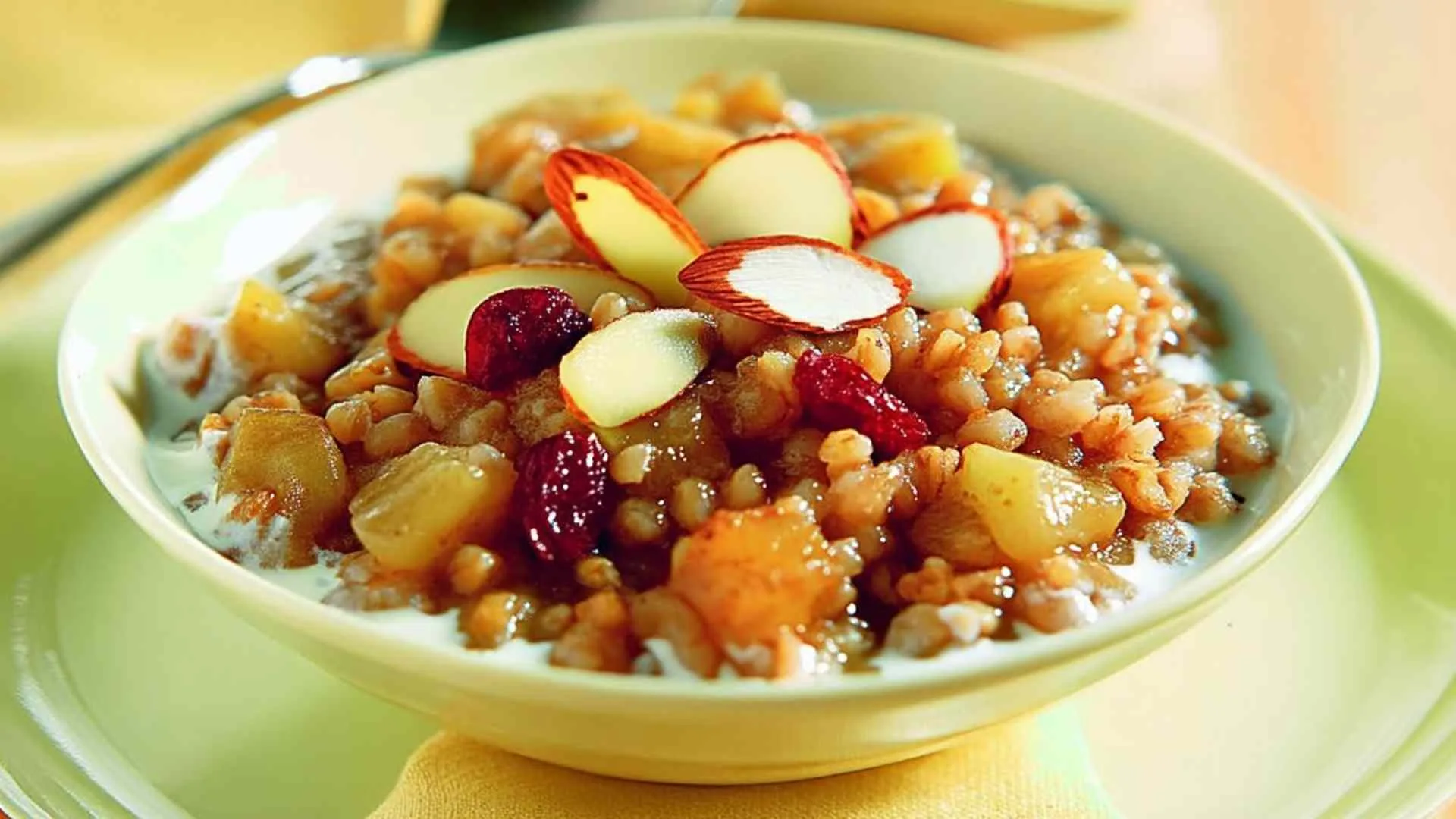
Apple cinnamon slow cooker delight is a warm, tender dessert and topping made by gently simmering sliced apples with ground cinnamon, brown sugar, butter, and warm aromatics in a slow cooker. As low heat breaks down the fruit's natural cell walls, the apples absorb spices while releasing sweet juices that thicken into a rich, caramel-like glaze.
The Culinary Science of Slow-Cooked Spiced Apples
Cooking apples in a slow cooker differs fundamentally from baking or stovetop sautéing. Understanding the underlying food chemistry allows home cooks to consistently achieve the perfect balance between tender fruit and rich, syrupy glaze without ending up with watery applesauce.
Slow Cooker Heat Dynamics:
- Low Heat (190°F - 200°F)
- Gradual Pectin Breakdown
- Cellular Water Released + Sugar & Butter
- Caramelized Glaze
- Volatile Cinnamon Oils Infused
- Deep, Uniform Flavor Profile
Pectin Breakdown and Texture Control
Apples derive their structural integrity from pectin, a structural heteropolysaccharide contained in the primary cell walls of terrestrial plants. When exposed to heat, pectin solubilizes, causing the fruit tissue to soften.
In high-heat environments like an oven set to 400°F (204°C), moisture evaporates rapidly from the outer surface of the apple, which can cause uneven cooking or crisping.
In contrast, a slow cooker maintains a moist, enclosed environment ranging between 190°F and 209°F (88°C to 98°C). This gentle temperature range allows pectin to dissolve gradually:
- Fruit segments soften uniformly without scorching.
- Cellular integrity remains intact longer if firm apple varieties are chosen.
- Natural sugars (fructose and sucrose) concentrate slowly, deepening the overall flavor.
Moisture Management and Sauce Reduction
As heat opens the cellular membrane of the apple, intracellular water escapes into the vessel. Without proper control, this released juice can dilute your spices and create a thin liquid.
However, when combined with a fat source—such as unsalted butter or coconut oil—and a crystalline sugar (like dark brown sugar), the thermal action emulsifies these liquids into a glossy glaze.
Because slow cooker lids trap steam, condensation continually drips back into the pot. Achieving a thick, spoonable syrup requires balancing initial liquid additions with a brief uncovered reduction period or a starch-based thickening agent at the end of the cooking cycle.
Selecting the Best Apple Varieties
The single most critical decision in preparing apple cinnamon slow cooker delight is choosing the right apple variety. Soft apples break down rapidly into smooth applesauce under prolonged heat, whereas firm, high-acid varieties hold their sliced shape while absorbing aromatic cinnamon oils.
Firmness & Heat Resistance vs. Sweetness Profile (Firm / Acidic to Sweet / Tender):
- Granny Smith: Holds Shape
- Honeycrisp: Ideal Balance
- Pink Lady: Holds Shape
- Golden Delicious: Soft/Jammy
- McIntosh: Avoid (Turns to Mush)
Recommended Varieties
- Granny Smith: Featuring high acidity and dense cellular structure, Granny Smith apples provide a sharp tartness that cuts through heavy brown sugar and butter. They retain their clean edge even after four hours on low heat.
- Honeycrisp: Known for large, juice-filled cells, Honeycrisp apples maintain a pleasing, tender-crisp bite. Their natural sweetness yields a balanced, aromatic glaze.
- Pink Lady (Cripps Pink): High in natural sugars and firm tissue, Pink Lady apples resist breaking down during slow cooking, offering a lovely balance of tartness and crisp structure.
- Fuji: Exceptionally sweet and dense, Fuji apples require less added sweetener during preparation. They hold up well to extended simmer times without collapsing.
- Golden Delicious: Moderately soft, Golden Delicious breaks down slightly at the edges, contributing to a thicker, jammy sauce while keeping a recognizable fruit shape.
The Multi-Variety Blend Strategy
For professional-quality results, mix two complementary apple varieties. Combining a firm, tart apple (like Granny Smith) with a sweet, moderately tender apple (like Golden Delicious or Honeycrisp) produces a dessert with multi-dimensional flavor and a luxurious contrast in texture—partially dissolved apple sugars forming the sauce, with distinct, firm slices suspended throughout.
Master Ingredient Guide and Measurements
To make 6 to 8 servings of apple cinnamon slow cooker delight, measure your ingredients precisely. Each component performs a specific function in flavor extraction and textural structure.
| Ingredient | Quantity | Culinary Function |
|---|---|---|
| Firm Crisp Apples | 3 lbs (approx. 6) | Primary base; yields structural fruit profile |
| Ground Cinnamon | 2 teaspoons | Key aromatic; contains spicy cinnamaldehyde compound |
| Ground Nutmeg | 1/4 teaspoon | Adds earthy, warm undertones to cinnamon |
| Dark Brown Sugar | 1/3 cup (packed) | Molasses-rich sweetener; aids caramelization |
| Pure Maple Syrup | 2 tablespoons | Adds woodsy notes and liquid sucrose base |
| Unsalted Butter | 3 tablespoons | Enriches mouthfeel; binds fat-soluble spices |
| Fresh Lemon Juice | 1 tablespoon | Inhibits oxidation; balances rich sugars |
| Pure Vanilla Extract | 1 teaspoon | Added post-cook to preserve volatile aromatics |
| Cornstarch (Optional) | 1 tablespoon | Gelatinizes free moisture for a thicker glaze |
| Fine Sea Salt | 1/4 teaspoon | Enhances natural sweetness and suppresses bitterness |
Ingredient Rationale and Substitutions
- Cinnamon Compounds: Cinnamon contains cinnamaldehyde, an organic compound responsible for its signature flavor and aroma. Because cinnamaldehyde is fat-soluble, melting butter directly over the spice-coated apples ensures that flavor coats the mouth evenly.
- Sweetener Adjustments: Dark brown sugar contains residual molasses, providing acidity and deep caramel notes. You can substitute light brown sugar, raw cane sugar, or liquid alternatives like agave nectar. For low-glycemic or ketogenic diets, equivalent measures of erythritol or monk fruit sweetener blend seamlessly into the liquid base.
- Acid Balance: The addition of fresh lemon juice serves a dual purpose. Biochemically, the ascorbic acid lowers the pH to stop enzymatic browning (polyphenol oxidase activity) during peeling and slicing. Culinarily, it cuts through heavy sugars to keep the dish bright and refreshing.
Step-by-Step Preparation Method
Follow these sequential steps to ensure proper knife work, even spice distribution, and precise heat management.
- Slice Apples (1/2" thick)
- Toss with Lemon & Dry Spices
- Layer in Slow Cooker with Butter
- Cook: 3-4 hrs LOW / 1.5-2 hrs HIGH
- Add Slurry & Vanilla (Final 15 mins)
Step 1: Preparation and Uniform Slicing
- Wash 3 pounds of apples under cold water.
- Peel the apples completely using a swivel peeler. (Note: Leaving skins on adds color and fiber, but unpeeled skins can become tough and detach from the flesh during slow cooking. Peeling yields a more uniform, velvety texture).
- Core the apples and cut them into uniform wedges roughly 1/2-inch (1.25 cm) thick. Avoid slicing them thinner than 1/4 inch, as thin slices collapse into mush under extended heat.
Step 2: Seasoning and Coating
- Place sliced apples directly into a large stainless steel or glass mixing bowl.
- Drizzle immediately with 1 tablespoon of fresh lemon juice, tossing gently to coat all exposed surfaces.
- In a small side bowl, whisk together 1/3 cup packed dark brown sugar, 2 teaspoons ground cinnamon, 1/4 teaspoon ground nutmeg, and 1/4 teaspoon fine sea salt.
- Sprinkle the dry spice mixture over the apples, tossing thoroughly so every slice receives a uniform coating of sugar and spice.
Step 3: Layering in the Slow Cooker
- Coat the interior ceramic vessel of a 4-to-6-quart slow cooker with non-stick cooking spray or a thin rub of butter.
- Transfer the spice-coated apples and any accumulated bowl juices into the slow cooker vessel.
- Drizzle 2 tablespoons of pure maple syrup evenly across the top.
- Cut 3 tablespoons of unsalted butter into small cubes and dot them across the surface of the apple mixture.
Step 4: Cooking Temperature and Time
- Place the lid securely on the slow cooker.
- Select your heat setting based on your schedule:
- LOW Setting: Cook for 3 to 4 hours. This slower method yields the best texture control and flavor integration.
- HIGH Setting: Cook for 1.5 to 2 hours. Check texture at the 90-minute mark to prevent overcooking.
- Avoid removing the lid during the first 2 hours of cooking, as opening the slow cooker releases trapped heat and can add up to 20 minutes to the total cook time.
Step 5: Thickening and Finishing
- Check the apples for doneness using a paring knife; it should slide easily into an apple wedge with minimal resistance.
- If the surrounding liquid is too thin, create a slurry by whisking 1 tablespoon of cornstarch with 1 tablespoon of cold water in a small ramekin.
- Gently fold the slurry into the bubbling liquid around the apples.
- Leave the lid slightly ajar (propped open with a wooden spoon) and cook on HIGH for an additional 15 minutes until the glaze bubbles and clear thickens.
- Turn off the heat source, stir in 1 teaspoon of pure vanilla extract, and let the dish cool for 10 minutes prior to serving.
Culinary Matrix: Varieties, Times, and Results
Use this comparative reference matrix to adapt your cook times and sugar ratios based on the specific apple variety in your kitchen.
| Apple Variety | Acid Level | Structural Integrity | Cook Time (LOW) | Cook Time (HIGH) | Recommended Sugar Adjustment |
|---|---|---|---|---|---|
| Granny Smith | High | Firm / High | 4.0 Hours | 2.0 Hours | Increase sugar by 1-2 tbsp |
| Honeycrisp | Moderate-High | Medium-Firm | 3.5 Hours | 1.75 Hours | Standard recipe measure |
| Pink Lady | High | Firm / High | 4.0 Hours | 2.0 Hours | Standard recipe measure |
| Fuji | Low | Very Firm | 4.0 Hours | 2.0 Hours | Reduce sugar by 1-2 tbsp |
| Golden Delicious | Low-Moderate | Soft-Medium | 3.0 Hours | 1.5 Hours | Standard recipe measure |
| Braeburn | Moderate | Medium-Firm | 3.5 Hours | 1.75 Hours | Standard recipe measure |
| Gala | Low | Soft | 2.5–3.0 Hours | 1.25 Hours | Reduce sugar by 2 tbsp |
Versatile Recipe Variations
While classic apple cinnamon slow cooker delight is fantastic on its own, small additions can transform it into entirely different dishes.
Apple Cinnamon Slow Cooker Base:
- Crisp / Crumble: Add rolled oats & pecans last hour
- Creamy Oatmeal: Stir into cooked steel-cut oats with splash of milk
- Spiced Apple Butter: Puree remaining cooked apples until smooth
Apple Cinnamon Crisp Delight
Add a textural contrast by making a slow-cooker crisp. During the final hour of cooking on LOW:
- Combine 3/4 cup of rolled oats, 1/3 cup of all-purpose flour, 1/3 cup of chopped pecans, 1/4 cup of brown sugar, and 4 tablespoons of melted butter in a separate bowl until crumbly.
- Scatter this crisp mixture evenly over the cooking apples.
- Place a layer of paper towels beneath the slow cooker lid to catch condensing steam, keeping the oat topping from getting soggy. Cook uncovered for the final 45 minutes to set the crust.
Breakfast Oatmeal Integration
Turn slow-cooked apples into a hot breakfast base:
- Add 1 cup of steel-cut oats and 2.5 cups of whole milk (or almond milk) directly to the slow cooker along with the sliced apples and spices at the start of cooking.
- Cook on LOW for 6 to 7 hours overnight. You will wake up to warm, creamy apple cinnamon oatmeal with fully integrated fruit caramelization.
Pureed Spiced Apple Butter
If your apples accidentally overcook and lose structural integrity, transform them into a rich spread:
- Transfer the cooked apples and liquid into a food processor or high-speed blender.
- Puree on high for 60 seconds until completely smooth.
- Return the puree to the slow cooker, set the lid ajar, and cook on LOW for 2 additional hours until reduced, dark brown, and spreadable.
Sugar-Free and Ketogenic Adaptation
To suit low-carb dietary needs:
- Replace the brown sugar and maple syrup with 1/3 cup of granular monk fruit sweetener blend (such as a brown sugar replacement containing erythritol and monk fruit extract).
- Omit the cornstarch slurry and thicken the final sauce instead with 1/4 teaspoon of xanthan gum, whisked into 1 tablespoon of melted butter before folding into the warm apples.
Troubleshooting Common Issues
Even straightforward slow cooker recipes can run into texture or flavor issues. Use this troubleshooting guide to correct problems in real time.
| Technical Problem | Primary Root Cause | Actionable Fix / Prevention |
|---|---|---|
| Apples turning to mush | Soft variety or overcooking | Switch to Granny Smith/Honeycrisp; reduce cook time |
| Liquid is thin / watery | Steam condensation trapped inside | Stir in cornstarch slurry; simmer 15 mins uncovered |
| Flavor tastes flat / dull | Lack of acid or salt balance | Add 1 tsp fresh lemon juice and pinch of fine salt |
| Sugar burning at edges | Hot spots in slow cooker liner | Stir gently halfway through; use cook liner or butter |
| Grainy glaze texture | Uncooked starch added late | Ensure slurry comes to a visible bubble to gelatinize |
Addressing Watery Sauce
If the apples have softened completely but sit in thin liquid, do not boil them longer, as this will destroy their texture. Instead, spoon the cooked apples into a serving bowl using a slotted spoon, leaving the liquid behind in the slow cooker pot. Switch the slow cooker to HIGH, whisk in your cornstarch slurry, and leave the lid off for 15 minutes to reduce the liquid into a thick syrup before pouring it back over the warm apples.
Restoring Spice Potency
Heat can dull volatile flavor compounds over long cooking cycles. If the spice flavor tastes muted after hours of cooking, revive it just before serving by gently folding in an extra 1/4 teaspoon of freshly ground cinnamon and a dash of ground clove along with the vanilla extract.
Storage, Reheating, and Freezing Best Practices
Proper storage safeguards texture and preserves flavor for meal prep and advance planning.
Storage Timeline:
- Room Temp Cooling (Max 2 hours)
- Refrigeration: 4°C / 40°F (Safe up to 7 Days)
- Freezer Storage: -18°C / 0°F (Best within 3 Months)
Refrigeration Guidelines
- Allow the apple dish to cool to near room temperature. Do not leave cooked apples at room temperature for more than two hours to comply with USDA food safety standards.
- Transfer the apples and glaze into an airtight glass storage container.
- Store in the refrigerator at or below 40°F (4°C) for up to 7 days. The sauce will thicken further as the butter and sugars cool.
Freezing Method
Cooked apples freeze remarkably well due to their high sugar content, which prevents large ice crystals from damaging the fruit structure.
- Cool the apples completely in the refrigerator first.
- Spoon the apples and syrup into heavy-duty freezer bags or rigid, freezer-safe containers, leaving 1/2 inch of headspace for expansion.
- Label with the date and freeze at 0°F (-18°C) for up to 3 months.
- Thaw overnight in the refrigerator before reheating.
Reheating Instructions
- Microwave Method: Place a single serving in a microwave-safe bowl. Cover loosely and heat on HIGH in 30-second intervals, stirring between each, until hot (approx. 1 to 1.5 minutes total).
- Stovetop Method: Transfer desired portion to a small saucepan. Add 1 tablespoon of water or apple cider to loosen the glaze. Heat over medium-low heat for 5 to 7 minutes, stirring gently until simmering.
Serving Suggestions and Pairings
Apple cinnamon slow cooker delight is incredibly versatile, working as a standalone dessert, a breakfast topping, or a sweet side dish alongside savory proteins.
Serving Applications:
- Dessert
- Vanilla Bean Ice Cream
- Warm Salted Caramel
- Crumbled Shortbread
- Breakfast
- Steel-Cut Oatmeal
- Fluffy Buttermilk Pancakes
- Greek Yogurt Parfait
- Savory Pairing
- Roast Pork Loin
- Grilled Pork Chops
- Roasted Turkey Breast
Classic Desserts
- Warm A La Mode: Spoon hot slow-cooked apples over a scoop of premium vanilla bean ice cream. The warm caramel glaze melts the ice cream to form an automatic sauce.
- Pound Cake Topping: Slice cold pound cake or angel food cake, warm it slightly in a toaster oven, and top with hot spiced apples and fresh whipped cream.
Breakfast Enhancements
- Pancakes and Waffles: Replace traditional syrup with spooned apples and their caramel sauce over buttermilk pancakes, Belgian waffles, or French toast.
- Yogurt Parfaits: Layer cold cooked apples with plain or vanilla Greek yogurt and toasted walnuts for a protein-rich, spiced breakfast.
Savory Dinner Pairings
Sweet apples naturally complement rich, savory meats.
- Serve warm spiced apples as a side dish alongside roast pork loin, pan-seared pork chops, or roasted turkey breast. The malic acid in the apples cuts through fat, balancing heavy main courses.
Frequently Asked Questions
Should I peel apples before slow cooking them?
Peeling is strongly recommended for the best texture. While unpeeled apples retain more fiber, their skins can detach during slow cooking, becoming tough and chewy. Peeling allows the spices and melted sugars to penetrate directly into the fruit.
Can I leave the slow cooker on LOW overnight for this recipe?
It is not recommended to cook sliced apples for more than 4 to 5 hours on LOW. Leaving them overnight (7 to 8 hours) will cause even firm varieties to break down into applesauce. If you must cook overnight, use whole, cored apples rather than slices.
Why is my apple glaze thin instead of thick and syrupy?
Apples naturally release water as they cook. If condensation traps moisture inside the cooker, the glaze stays diluted. To fix this, stir in a cornstarch slurry (1 tablespoon cornstarch mixed with 1 tablespoon cold water) during the last 15 minutes of cooking and leave the lid slightly ajar to let excess steam escape.
Can I substitute store-bought apple pie spice for individual spices?
Yes. You can substitute 2.5 teaspoons of store-bought apple pie spice for the cinnamon and nutmeg called for in the recipe. Apple pie spice typically contains cinnamon, nutmeg, allspice, and ginger, which work beautifully in this dish.
What is the best way to keep apple slices from turning brown while prepping?
Toss sliced apples with 1 tablespoon of fresh lemon juice immediately after cutting them. The natural vitamin C (ascorbic acid) lowers surface pH, preventing the enzymatic oxidation that causes browning.
Summary and Key Steps for Success
Preparing a perfect apple cinnamon slow cooker delight comes down to careful variety selection and heat management:
- Choose Firm Apples: Combine tart, firm varieties like Granny Smith with sweet ones like Honeycrisp or Pink Lady to maintain shape and balanced flavor.
- Slice Consistently: Cut wedges uniformly to a thickness of 1/2 inch so they cook evenly without turning mushy.
- Control Moisture: Use a cornstarch slurry during the final 15 minutes with the lid ajar to transform cooking liquids into a rich syrup.
- Finish Off-Heat: Always add delicate aromatic extracts, like pure vanilla, after turning off the heat to preserve their fragrance.
With these techniques, your slow cooker will reliably turn simple apples and kitchen spices into a cozy, memorable dish.